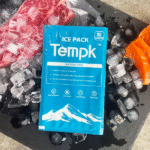
Der Versand temperaturempfindlicher Produkte erfordert eine genaue Planung, insbesondere beim Umgang mit Trockeneis. Ob Sie Tiefkühlgerichte versenden, Arzneimittel, oder High-End-Desserts, Die Verwendung von Trockeneisbeuteln sorgt dafür, dass Ihre Produkte die ideale Temperatur behalten. Dieser Leitfaden hilft Ihnen bei der Auswahl des richtigen Trockeneisbeutels, Kosten optimieren, und treffen 2025 Sicherheitsvorschriften, Gewährleistung der sicheren Lieferung Ihrer Artikel.
-
What are the essential supplies for shipping dry ice?
-
Wie berechnet man die richtige Menge Trockeneis für den Versand??
-
Wofür gibt es die neuesten Trends und umweltfreundlichen Optionen beim Trockeneisversand? 2025?
-
Wie gewährleisten Sie Sicherheit und Compliance beim Versand von Trockeneis??
Was sind Trockeneisbeutel und warum werden sie in der Schifffahrt verwendet??
Trockeneisbeutel bestehen aus festem Kohlendioxid (Co₂) die bei -78,5 °C direkt vom Feststoff in den gasförmigen Zustand sublimieren (-109.3° F). Diese einzigartige Eigenschaft macht sie ideal für die Tiefkühlung von Produkten bei langen Transporten. Im Gegensatz zu normalem Eis, Trockeneis hinterlässt kein Wasser, making it perfect for industries like pharmaceuticals, Essen, und Biotechnologie.
What Shipping Supplies Do You Need for Dry Ice Packs?
Shipping dry ice requires the right materials to maintain temperature control and ensure safety. Hier ist, was Sie brauchen:
-
Außenbehälter: Use corrugated fiberboard, Plastik, or wooden boxes rated for the weight and durability requirements.
-
Isolierung: Erweiterter Polystyrol (EPS), expandiertes Polypropylen (EVP), oder vakuuminselige Panels (VIP) help reduce sublimation rates.
-
Trockeneis: Available in pellets, Blöcke, oder Laken. Choose based on the shipment’s duration and size.
-
Venting Mechanism: Ensure proper venting to allow CO₂ gas to escape and prevent pressure buildup.
How Do You Calculate the Right Amount of Dry Ice for Shipping?
To calculate the required amount of dry ice, Verwenden Sie diese Formel:
Trockeneis (lbs) = Produktgewicht (lbs) × 0.6 × Transit days × Temperature factor
Zum Beispiel, Versand 20 pounds of frozen seafood for 2 days might need 12-14 Pfund Trockeneis. Adjust based on product sensitivity and packaging.
What Are the Latest Trends in Dry Ice Shipping for 2025?
Increased Demand for Sustainable Solutions
Eco-friendly options like biodegradable reflective liners and smart sensors are becoming popular. These innovations help reduce waste and improve temperature monitoring.
Advanced Monitoring Technology
In 2025, the integration of smart sensors allows for real-time tracking of temperature and CO₂ levels during shipping, providing better control over sensitive shipments.
Emerging E-Commerce Use Cases
With the rise of e-commerce, more businesses are using dry ice to ship perishable items directly to consumers. Dry ice is now a common solution for food boxes and pharmaceutical deliveries.
How Do You Ensure Safety When Handling Dry Ice?
Trockeneis kann bei unsachgemäßer Handhabung gefährlich sein. Hier sind wesentliche Sicherheitstipps:
-
Schutzausrüstung tragen: Always use insulated gloves to avoid frostbite.
-
Belüftung: Always handle dry ice in well-ventilated areas to prevent CO₂ buildup.
-
Richtige Verpackung: Ensure containers allow for CO₂ venting to avoid pressure build-up.
How Do You Pack Dry Ice for Shipping?
Follow these steps to pack dry ice properly:
-
Wählen Sie die richtige Box: Select a strong, vented outer container (like corrugated fiberboard or plastic).
-
Isolierung hinzufügen: Insert EPS or VIP liners to trap cold and reduce sublimation.
-
Verpacken Sie das Produkt: Place your items in the container and add cushioning to prevent shifting.
-
Trockeneis hinzufügen: Place dry ice on top of or around the product. Do not seal dry ice in airtight bags.
-
Siegel und Etikett: Ensure all venting mechanisms are open and label the package with “Dry Ice/UN 1845” and the correct hazard markings.
What Are the Regulations for Shipping Dry Ice in 2025?
Shipping dry ice requires compliance with various regulations, einschließlich:
-
Luftfracht (Hier ist pi 954): Bis zu 200 kg per package with proper venting and labeling.
-
Bodentransport: No specific weight limit, but venting is required.
-
Passenger Baggage (TSA/FAA): 2.5 kg pro Passagier, with proper declaration.
Always check your carrier’s requirements to ensure compliance.
How Do You Choose the Right Dry Ice Pack for Your Needs?
Für Kurzstreckensendungen, hydrate dry ice packs or pellets may suffice. Für lange Reisen, opt for dry ice blocks or reusable packs. Für empfindliche Produkte, ensure the dry ice maintains the required sub-zero temperature throughout.
2025 Shipping Supplies Trends and Innovations
2025 has seen rapid innovation in the cold chain industry. Vacuum-insulated panels and hybrid coolants have gained popularity for reducing dry ice usage and improving carbon efficiency. Zusätzlich, digital air waybills and smart sensors are becoming essential tools for real-time monitoring and improving compliance.
Wichtige Entwicklungen
-
Smart Sensoren: Integrated into containers to track temperature and CO₂ levels in real-time.
-
Umweltfreundliche Verpackung: Reflective liners and biodegradable materials are now being used more widely for short-distance shipments.
-
Automated Packing: Robotic packers are being used to streamline dry ice shipments, ensuring accuracy and reducing labor costs.
Häufig gestellte Fragen
Q1: Wie viel Trockeneis benötige ich für den Versand??
Use 5–10 pounds of dry ice per 24 Stunden Transit. Adjust based on insulation quality and shipment duration.
Q2: Kann ich Trockeneis mit USPS versenden??
Ja, but air shipments are limited to 5 pounds per mailpiece. Use rigid packaging and include proper labeling.
Q3: What happens if my dry ice package isn’t vented?
Improper venting can cause pressure buildup, Dies führt zum Platzen des Behälters. Always ensure proper venting.
Schlussfolgerung und Empfehlungen
Selecting the right dry ice pack is critical for maintaining product integrity during shipping. By understanding the necessary supplies, Vorschriften, und Sicherheitsprotokolle, you can ensure the successful and cost-effective transport of temperature-sensitive goods. Stay ahead of the curve by embracing 2025’s trends and innovations in the cold chain industry.
Aufruf zum Handeln:
Ready to enhance your shipping strategy? Contact us for personalized solutions and stay updated on the latest trends in dry ice shipping. Let’s ensure your products reach their destination in perfect condition!