Stoßdämpfende EPP-Kühlbox: Wie man wählt?
Aktualisiert am: Dezember 16, 2025.
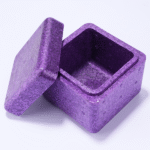
A stoßdämpfend EPP Cooler Box gibt dir zwei Dinge auf einmal: Isolierung und Aufprallschutz. EVP (expandiertes Polypropylen) ist ein geschlossenzelliger Perlenschaum, der für seine Energieabsorption bekannt ist, Mehrfachschlagfestigkeit, und Wärmedämmung. BPFC+1 Es wird auch in einem breiten Dichtebereich hergestellt (um 15–200 g/L), Dadurch können Sie den Schutz auf Ihr Fahrspurrisiko „abstimmen“.. BPFC Viele EPP-Systeme bleiben auch bei extremen Temperaturen funktionsfähig, oft zitiert -40°C bis +110°C (klassenabhängig).

Dieser Ratgeber wird Ihnen dabei helfen:
-
Wählen Sie a wiederverwendbare EPP-Isolierbox für die Kühlkette ohne zu viel zu bezahlen
-
Übereinstimmen EPP-Schaumdichte für Aufprallschutz zu Tropfen, Vibration, und Stapeln von Lasten BPFC
-
Verstehen Wärmeleitfähigkeit der EPP-Kühlbox und was es für die Haltezeit bedeutet FEUER+1
-
Beweisen Sie die Leistung beispielsweise durch praktische Tests ASTM D5276 Falltest und Paketsimulationen ASTM International | ASTM+1
-
Vermeiden Sie Compliance-Überraschungen mit Lebensmittelkontaktkontrollen in der EU und den USA EUR-Lex+1
-
Bereiten Sie sich auf den Wiederverwendungs- und Recyclingdruck im Rahmen der EU-Verpackungspolitik im Zeitraum 2025–2030 vor Umfeld+1
Stoßdämpfende EPP-Kühlbox: Was EPP besonders macht?
Eine stoßdämpfende EPP-Kühlbox funktioniert, weil sich EPP wie eine federnde Wabe verhält. Es absorbiert Energie, dann prallt ab. Dieser „Rückprall“ ist der Grund, warum EPP dort eingesetzt wird, wo wiederholte Stöße auftreten. Knauf Industries+1 EPP ist ebenfalls ein geschlossenzelliger Schaumstoff, Daher widersteht es der Wasseraufnahme besser als offenzellige Schäume. BPFC
Hier ist das einfache Bild. Wenn EPS wie ein knuspriger Keks ist, EPP ähnelt eher einem Biskuitkuchen. Der Keks knackt einmal. Der Biskuitkuchen wird komprimiert und kehrt zurück.
Dichteabstimmung: Wie eine stoßdämpfende EPP-Kühlbox zu Ihrem Risiko passt
EPP kann in einem breiten Perlendichtebereich hergestellt werden (um 15–200 g/L). BPFC Eine geringere Dichte ist leichter und oft billiger. Eine höhere Dichte verbessert typischerweise die Steifigkeit, Stapelfestigkeit, und Aufprallschutz.
Verwenden Sie die Dichte wie einen „Risikoregler“.,„kein Qualitätsmerkmal.
| Dichteband (typisch) | Wie es sich anfühlt | Am besten für | Was es für Sie bedeutet |
|---|---|---|---|
| 20–35 g/L | Sehr leicht, weicher | Kurze Ortsverbindungen | Niedrigere Kosten, geringerer Stapelrand BPFC |
| 35–60 g/L | Ausgewogen | Die meisten wiederverwendbaren Kühlkettenwege | Solide Haltbarkeit ohne hohes Gewicht |
| 60–120 g/L | Steifer, härter | Schwere Nutzlasten, häufiges Stapeln | Besserer Schutz, höhere Kosten/Gewicht |
| 120–200 g/L | Sehr steif | Sonderanfertigungen | Nur wenn Ihr Anwendungsfall es erfordert BPFC |
Praktische Tipps, die Sie heute verwenden können
-
Wenn Ihr Schaden „Eckenstoß“ ist,” Sie benötigen wahrscheinlich ein besseres Eckdesign, nicht nur eine höhere Dichte.
-
Wenn Ihr Schaden „Deckel springt auf“ lautet,” Konzentrieren Sie sich zunächst auf die Verschlussgeometrie und das Dichtungsdesign.
-
Wenn es sich bei Ihrem Schaden um „Wiederholungsbeulen“ handelt,” Das Multiple-Impact-Verhalten von EPP ist Ihr Freund. BPFC+1
Praktischer Fall: Ein Essenslieferdienst reduzierte die Zahl der rissigen Gelpackungen, indem er von Einwegschaumstoff auf eine stoßdämpfende EPP-Kühlbox und eine einfache interne Trennwand umstieg.
Stoßdämpfende EPP-Kühlbox: Wie gut ist die Isolierung??
Eine stoßdämpfende EPP-Kühlbox isoliert gut, da EPP eine geringe Wärmeleitfähigkeit und eine geschlossenzellige Struktur aufweist. Einige geformte EPP-Verpackungskomponenten weisen auf Wärmeleitfähigkeit hin 0.038 W/mK, während andere EPP-Isolierprodukte zitieren ~0,040 W/mK bei 10°C. FEUER+1
Diese Zahl ist wichtig, aber es ist nicht die ganze Geschichte. Ihre Haltezeit wird durch drei Hebel gesteuert:
-
Materialisolierung (k-Wert)
-
Wandstärke
-
Luftlecks (Deckel passt, Lücken, verzogene Deckel)
Deckeldichtung und Wandstärke: einfache Mathematik ohne Kopfschmerzen
Zur Auswahl der Dicke ist keine komplizierte Modellierung erforderlich. Denken Sie in „relativen Isolationsschritten“. Wenn Sie die Wandstärke erhöhen, Normalerweise reduzieren Sie den Wärmefluss. Wenn Ihr Deckel undicht ist, Dicke hilft weniger als Sie denken.
| Design-Hebel | Was du änderst | Was normalerweise passiert | Was es für Sie bedeutet |
|---|---|---|---|
| Wandstärke | 20 → 30 → 40 mm | Bessere Isolierung | Längere Stabilität, schwerere Kiste |
| Deckelgeometrie | Tiefere Überlappung | Weniger Leckage | Zuverlässigere Temperaturspur |
| Siegelqualität | Engere Passform | Weniger Luftaustausch | Weniger „Mystery Warming“ |
Ein kurzer „Haltezeit-Realitätscheck“ (interaktiv)
Beantworten Sie diese Fragen und legen Sie Ihre Designpriorität fest:
-
Versenden Sie innerhalb von 6–12 Stunden oder 24–72 Stunden?? (Länger benötigt eine bessere Versiegelung und Dicke.)
-
Versenden Sie im Paket oder auf Paletten?? (Paket braucht Schock + Siegeldisziplin.)
-
Öffnet sich der Receiver sofort?? (Schnelles Öffnen belohnt einfachen Zugang und guten Deckelverschluss.)
Wenn Sie mit „länger“ geantwortet haben + Paket + sofort,„Ihr bestes erstes Upgrade ist normalerweise Qualität der Deckeldichtung, dann Dicke.
Praktische Tipps, die Sie heute verwenden können
-
Behandeln Sie den Deckel wie eine Kühlschranktür. Eine kleine Lücke kann den Tag ruinieren.
-
Packfotos standardisieren für jede Spur. Visuelle Standards reduzieren Fehler.
-
Fügen Sie Innenabstände hinzu so dass kalte Medien das Produkt beim Herunterfallen nicht zerschlagen.
Praktischer Fall: Ein Versender von Meeresfrüchten verhinderte Beschwerden über das „Warmwerden bei der Ankunft“, indem er die Deckelüberlappung verbesserte, nicht durch Hinzufügen weiterer Gelpackungen.
Stoßdämpfende EPP-Kühlbox: Kann es mit Hitze umgehen?, kalt, und Reinigung?
Eine stoßdämpfende EPP-Kühlbox wird gerne wiederverwendet, da viele EPP-Typen auch in rauen Temperaturbereichen funktionsfähig bleiben und vielen Chemikalien und Ölen widerstehen. Mehrere technische Quellen beschreiben die Benutzerfreundlichkeit von EPP -40°C bis +110°C (klassenabhängig). RUCH NOVAPLAST+1 EPP wird auch als wasser- und chemikalienbeständig beschrieben, plus Auftriebs- und Kraft-Gewichtsvorteile. BPFC
Das ist wichtig, wenn Sie laufen:
-
Heiße Sommerrouten auf der letzten Meile
-
Gefrorene Nutzlasten
-
Regelmäßige Wasch- und Desinfektionszyklen
Reinigung und Wiederverwendung: Was Sie vor dem Kauf fragen sollten
Stellen Sie diese Fragen einmal, Dann archivieren Sie die Antworten. Sie werden sie bei Audits und beim Onboarding erneut verwenden.
-
Welche Reinigungs- und Desinfektionsmittel werden für die EPP-Klasse empfohlen??
-
Was ist die Reinigungsmethode?: wischen, Spray, oder Waschtunnel?
-
Wie verhalten sich Etiketten nach dem Waschen?? (Schälen, Abstrich, oder lesbar bleiben?)
-
Was ist die „Ausmusterungsregel“ für beschädigte Kartons??
| Wiederverwendungsfaktor | Risiko, wenn es ignoriert wird | Einfache Steuerung | Was es für Sie bedeutet |
|---|---|---|---|
| Reinigungschemie | Materialverschlechterung | Liste der zugelassenen Chemikalien | Stabiles Aussehen und Leistung BPFC |
| Trocknen | Geruchs- und Schimmelgefahr | Trockengestelle + Luftstrom | Besseres Kundenerlebnis |
| Schadensinspektion | Versteckte Risse | Schnelle visuelle Checkliste | Weniger Lecks und Rücksendungen |
Praktische Tipps, die Sie heute verwenden können
-
Schreiben Sie eine 30-Sekunden-Checkliste für die Inspektion (Deckel passt, Risse, Scharnierpunkte, Geruch).
-
Halten Sie „waschen + „trocken“ zeitkonsistent. Konsistenz schlägt heroische Reinigung.
-
Verwenden Sie herausnehmbare Einsätze für schwere Nutzlasten, Nicht überall Einwegeinlagen.
Praktischer Fall: Ein Apothekenkurier reduzierte die Retouren, indem er nach dem Waschen einen einfachen „Deckelsitztest“ einführte.
Stoßdämpfende EPP-Kühlbox: Wie entwerfen Sie Drops und Stacking??
Eine stoßdämpfende EPP-Kühlbox schützt Produkte, wenn die Boxstruktur Kraft verteilt und der Innenraum die Bewegung stoppt. EPP ist für seine Widerstandsfähigkeit und seine Reformbereitschaft nach einem Aufprall bekannt. Technische Schaumstoffprodukte+1 Aber die Designentscheidungen entscheiden darüber, ob diese Widerstandsfähigkeit Ihrer Nutzlast zugute kommt oder die Box nur zum „Hüpfen“ bringt.
Denken Sie in drei Schichten:
-
Äußere Struktur (Ecken, Rippen, Wandstärke)
-
Schließung (Deckelüberlappung, Riegel, Dichtungsgeometrie)
-
Innere Zurückhaltung (Trenner, Einsätze, Produktimmobilisierung)
Der „Tropfen + Stack-Risiko-Score“ (Selbsteinschätzung)
Gönnen Sie sich Punkte. Eine höhere Punktzahl bedeutet, dass Sie einem anspruchsvolleren Design Priorität einräumen sollten.
-
Paketversand (mehrere Übergaben): +3
-
Mehr als gestapelt 3 hoch im Transit: +2
-
Die Nutzlast enthält Glas, Fläschchen, oder fragile Ecken: +3
-
Temperaturmedien sind schwer (Teller, Ziegel): +2
-
Rückgabe- und Wiederverwendungszyklen überschreiten 20 Verwendung: +2
0–3: Eine einfache stoßdämpfende EPP-Kühlbox reicht in der Regel aus.
4–7: Priorisieren Sie das Schließen des Deckels und die innere Zurückhaltung.
8–12: Dichteband priorisieren, Rippen, und validierte Tests.
Designmerkmale, die am wichtigsten sind
| Risiko | Was scheitert | Designmerkmal | Was es für Sie bedeutet |
|---|---|---|---|
| Corner Drops | Corner Crush | Abgerundete Ecken + dickere Ecken | Weniger Risse und Undichtigkeiten |
| Vibration | Produkt reiben | Einlagen + gute Passform | Weniger Abrieb und Bruch |
| Stapeln | Deckelverzug | Rippen + stabile Deckelgeometrie | Höhere Zuverlässigkeit der Dichtung |
| Schwere Medien | Interner Knall | Medientaschen + Separatoren | Weniger Auswirkungen auf das Produkt |
Praktische Tipps, die Sie heute verwenden können
-
Verriegeln Sie das Medium. Bewegende Gel-Packs können wie Hämmer wirken.
-
Vermeiden Sie „leere Lufteinschlüsse“. Der Luftraum ermöglicht die Beschleunigung der Nutzlast beim Abwurf.
-
Wählen Sie Griffe, die nicht reißen. Griffe versagen oft schon vor den Wänden.
Praktischer Fall: Ein Laborkurier verhinderte das Zerbrechen von Fläschchen, indem er eine einfache Schaumstoffeinlage anbrachte und die Medienbewegung fixierte.
Stoßdämpfende EPP-Kühlbox: Wie beweisen Sie, dass es funktioniert??
Der schnellste Weg, die Entscheidung für eine stoßdämpfende EPP-Kühlbox zu verteidigen, ist ein Test, der zu Ihrer Fahrspur passt. Eine häufige Drop-Test-Referenz ist ASTM D5276, Hier geht es um die Fallprüfung beladener Container im freien Fall. ASTM International | ASTM+1 Für Paketumgebungen, ISTA-Verfahren 3A ist für einzeln verpackte Produkte konzipiert, die über ein Paketzustellsystem versendet werden. Internationaler Verband für sichere Transporte+1
Sie müssen nicht jeden Test auf der Welt durchführen. Sie benötigen den richtigen Test für Ihr Risiko.
Ein praktischer Validierungsplan, den Sie ausprobieren können 2 Wochen
Woche 1: Definieren Sie Ihren „schlimmsten Tag“.
Wählen Sie die heißeste Woche, die längste Spur, und härteste Handhabung.
Woche 1: Wählen Sie Pass/Fail-Regeln.
Beispiele: Deckel bleibt geschlossen, Keine Lecks, Die Nutzlast bleibt innerhalb des Zieltemperaturbereichs.
Woche 2: Führen Sie 3–5 Wiederholungen durch.
Wiederholbarkeit schafft Vertrauen. Ein glücklicher Lauf tut es nicht.
| Testtyp | Was es simuliert | Warum ist es wichtig | Typischer Passfokus |
|---|---|---|---|
| ASTM D5276 Tropfen | Schocks im freien Fall | Ecken- und Kantenschäden | Keine Pause, kein Leck ASTM International | ASTM+1 |
| ISTA 3A-Sequenz | Gefahren durch Pakete | Tropfen + Umgangsmuster | Paketintegrität Internationaler Verband für sichere Transporte+1 |
| Stapelkomprimierung | Lagerladungen | Deckelverzug + Siegelverlust | Deckel bleibt stabil |
| Überprüfung des thermischen Halts | Spurbedingungen | Echtes Temperaturergebnis | Nutzlast bleibt in der Spezifikation |
Praktische Tipps, die Sie heute verwenden können
-
Testen Sie das gepackte System, nicht die leere Kiste. Nutzlast verändert alles.
-
Filmen Sie Ihre Tropfen. Das Video zeigt Fehlermodi, die Sie in Notizen übersehen werden.
-
Protokollieren Sie „Ausnahmegeschichten“. Ein Misserfolg lehrt mehr als ein Erfolg.
Praktischer Fall: Ein Versender von Tiefkühlgerichten ließ zwar Tropfen durch, konnte aber nicht auslaufen – bis er die Deckelüberlappung neu gestaltete.
Stoßdämpfende EPP-Kühlbox: Ist es für den Kontakt mit Lebensmitteln geeignet??
Eine stoßdämpfende EPP-Kühlbox wird häufig aus Polypropylen hergestellt, Die Einhaltung des Lebensmittelkontakts hängt jedoch vom genauen verwendeten Harz und den verwendeten Zusatzstoffen ab. In der EU, Kunststoffmaterialien, die für den Kontakt mit Lebensmitteln bestimmt sind, fallen unter die Verordnung der Kommission (EU) NEIN 10/2011. EUR-Lex In den USA, Olefinpolymere für den Lebensmittelkontakt fallen darunter 21 CFR 177.1520 (unterliegen den Nutzungsbedingungen und Einschränkungen). Bundesregister
Hier ist der entscheidende Punkt: „EPP“ ist eine Materialfamilie, kein Konformitätszertifikat. Ihr Lieferant sollte die Unterlagen bereitstellen.
Ihre Compliance-Checkliste (Fragen und ablegen)
Anfordern und speichern:
-
Konformitätserklärung für die EU 10/2011 (wenn Sie in die EU verkaufen) EUR-Lex
-
Erklärung zur Einhaltung von 21 CFR 177.1520 (wenn Sie in die USA verkaufen) Bundesregister
-
Status der Offenlegung von Zusatzstoffen (was verwendet wird, und wo es erlaubt ist)
-
Kompatibilitätsliste der Reinigungschemikalien (So bleibt Ihr Waschvorgang sicher)
| Compliance-Bedarf | Was Sie verlangen | Wer sollte es bereitstellen? | Was es für Sie bedeutet |
|---|---|---|---|
| EU-Lebensmittelkontakt | EU 10/2011 Dokumentation | Harz- oder Boxlieferant | Weniger Kundenaudits EUR-Lex |
| Lebensmittelkontakt in den USA | 21 CFR 177.1520 Stellungnahme | Harz- oder Boxlieferant | Einfacheres Onboarding im Einzelhandel Bundesregister |
| Rückverfolgbarkeit | Charge und Harzcharge | Anbieter | Schnellere Problemlösung |
Praktische Tipps, die Sie heute verwenden können
-
Raten Sie nicht. Fordern Sie Unterlagen an, bevor Sie Aufträge skalieren.
-
Ordnen Sie das Dokument der genauen Note zu. „Ähnliches Material“ reicht nicht aus.
-
Speichern Sie Dokumente pro SKU. In Zukunft wirst du es dir danken.
Praktischer Fall: Eine Catering-Marke konnte eine Verzögerung bei der Markteinführung vermeiden, indem sie für jede Kühlbox-SKU vorab Angaben zum Lebensmittelkontakt sammelte.
Stoßdämpfende EPP-Kühlbox: Wie wirken sich Nachhaltigkeit und Wiederverwendung auf Ihre Wahl aus??
Nachhaltigkeitsdruck gehört mittlerweile zur Best Practice für eine stoßdämpfende EPP-Kühlbox, vor allem in Europa. Die Europäische Kommission beschreibt den Übergang von der Verpackungs- und Verpackungsabfallrichtlinie zur Verpackungs- und Verpackungsabfallverordnung (Pp) 2025/40, und hebt Ziele wie die wirtschaftliche Wiederverwertbarkeit von Verpackungen hervor 2030. Umfeld In einer regulatorischen Zusammenfassung werden auch PPWR-Wiederverwendungsziele für den Beginn von Transportverpackungen erwähnt 1 Januar 2030, einschließlich Mindestanteilen für bestimmte Transportverpackungsarten. KPMG
Dies ist auch dann wichtig, wenn Sie nicht in der EU verkaufen. Käufer kopieren EU-Erwartungen schnell.
In der Zwischenzeit, EPP wird weithin beschrieben als recycelbar und wegen ihrer Haltbarkeit und Wiederverwendbarkeit geschätzt. BPFC+1 Das passt zu einer „Wiederverwendung zuerst“-Richtung.
Verwenden Sie Modelle wieder, die im realen Betrieb funktionieren
| Modell wiederverwenden | Am besten für | Operatives Muss | Was es für Sie bedeutet |
|---|---|---|---|
| Geschlossener Kreislauf | Gleiche Depotrückgaben | Zuverlässige Rückführungslogistik | Niedrigste Verlustrate |
| Halboffener Kreislauf | Partnerstandorte | Verfolgung + Kaution | Beherrschbare Schrumpfung |
| Offener Kreislauf | Verbraucherretouren | Starke Anreize | Höchstes Schwundrisiko |
Praktische Tipps, die Sie heute verwenden können
-
Beginnen Sie mit einer Pilotschleife. Retouren vor dem Kauf nachweisen 10,000 Einheiten.
-
Verwenden Sie einen einfachen Verlust-KPI. Die Verlustrate macht die Wiederverwendungsökonomie oft schneller zunichte als die Reinigung.
-
Entwurf zur Reparatur. Austauschbare Deckel und Einsätze können die Lebensdauer verlängern.
Praktischer Fall: Ein Lebensmittellieferdienst verbesserte den ROI der Wiederverwendung durch die Einführung einer Anzahlung und einer wöchentlichen Abholroute.
2025 Trends für den Markt der stoßdämpfenden EPP-Kühlboxen
In 2025, Die besten Designs werden immer „systemhafter“. Es ist nicht nur eine Kiste. Es ist ein wiederholbarer Prozess.
Hier sind die Trends, die für Ihre täglichen Ergebnisse am wichtigsten sind:
Aktueller Fortschritts-Snapshot
-
Mehrspurspezifische Designs: Eine Box für „alles“ verliert gegen passgenaue SKUs.
-
Modularere Innenräume: Einsätze werden verwendet, um die Nutzlast zu stabilisieren und das Packen zu beschleunigen.
-
Mehr Compliance-Dokumentation: Fragen zu Lebensmittelkontakt und Verpackungsrichtlinien tauchen früher im Verkaufszyklus auf. EUR-Lex+1
Market insight: Kunden belohnen Zuverlässigkeit. Eine stoßdämpfende EPP-Kühlbox, die im Juli und Januar die gleiche Leistung erbringt, reduziert Rückerstattungen, reships, und Abwanderung.
Häufig gestellte Fragen
Q1: Was ist eine stoßdämpfende EPP-Kühlbox?, in einfachen Worten?
Es handelt sich um eine isolierte wiederverwendbare Box aus expandiertem Polypropylen-Perlenschaum. EPP ist für seine Energieabsorption bekannt, Mehrfachschlagfestigkeit, und Wärmedämmung. BPFC+1
Q2: Wie wähle ich die richtige EPP-Dichte für den Aufprallschutz??
Beginnen Sie mit dem Spurrisiko. Paket, schwere Medien, und das Stapeln erfordert normalerweise eine höhere Steifigkeit. EPP kann in einem breiten Dichtebereich hergestellt werden (ca. 15–200 g/L), damit man es einstellen kann. BPFC
Q3: Welche Wärmeleitfähigkeit kann ich von einer EPP-Kühlbox erwarten??
Viele EPP-Dämmkomponenten geben Werte um 0,038–0,040 W/mK an (Produkt- und Testbedingungen variieren). Nutzen Sie es als Leitfaden, Überprüfen Sie dann die Haltezeit auf Ihrer Spur. FEUER+1
Q4: Welchen Falltest sollte ich zur Validierung der Verpackungsfestigkeit verwenden??
ASTM D5276 ist eine gängige Referenz für Falltests beladener Container im freien Fall. Kombinieren Sie es mit Ihrer tatsächlichen Verpackungsmethode und den Pass/Fail-Regeln. ASTM International | ASTM+1
Q5: Welche Tests passen zu Paketversandsendungen??
Das ISTA-Verfahren 3A ist für einzeln verpackte Produkte konzipiert, die über ein Paketzustellsystem versendet werden. Es hilft, typische Paketgefahren zu simulieren. Internationaler Verband für sichere Transporte+1
Q6: Ist jede stoßdämpfende EPP-Kühlbox automatisch lebensmittelecht??
NEIN. EPP ist normalerweise Polypropylen, Die Einhaltung hängt jedoch von der genauen Sorte und den Zusatzstoffen ab. In der EU, Suchen Sie nach einer Dokumentation, die der Verordnung entspricht (EU) 10/2011. In den USA, suchen 21 CFR 177.1520 Aussagen. EUR-Lex+1
Zusammenfassung und Empfehlungen
A stoßdämpfende EPP-Kühlbox ist eine gute Wahl, wenn Sie eine wiederholte Verwendung benötigen, stabile Isolierung, und Schutz vor realer Handhabung. EPP wird allgemein als geschlossenzelliger Perlenschaum mit Energieabsorption beschrieben, Mehrfachschlagfestigkeit, und Recyclingfähigkeit. BPFC+1 Viele EPP-Typen gelten als funktionsfähig bei etwa -40 °C bis +110 °C, das Kühlketten- und Mischtemperaturbetriebe unterstützt. RUCH NOVAPLAST+1
Ihre nächsten Schritte sollten einfach sein:
-
Wählen Sie die Risikobewertung Ihrer Fahrspur und legen Sie Pass/Fail-Regeln fest.
-
Wählen Sie Dichte und Designmerkmale, die Ihre Lösung finden tatsächlich Fehlermodus. BPFC
-
Validieren Sie mit tropfen- und paketrelevanten Tests (ASTM D5276, ISTA 3A). ASTM International | ASTM+1
-
Sammeln Sie frühzeitig Lebensmittelkontaktdokumente für EU- und US-Anforderungen. EUR-Lex+1
CTA: Wenn Sie Ihren Nutzlasttyp teilen, maximales Gewicht, Spurdauer, und Versandart (Paket vs. Palette), Ich kann eine einseitige Spezifikation für Ihren nächsten Entwurf entwerfen stoßdämpfende EPP-Kühlbox und einen Testplan, den Ihr Team ausführen kann.
Über Tempk
Und Tempk, Wir bauen Kühlketten-Verpackungssysteme, die jeden Tag einfach zu bedienen sind. Unser Fokus liegt auf wiederverwendbaren Isolationslösungen, spurbasierte Verpackungsstandards, und Testpläne, die der realen Handhabung entsprechen. Unser Ziel ist die praktische Leistung: weniger Brüche, weniger Temperaturansprüche, und sauberere Abläufe über die Saison hinweg.
Nächster Schritt: Fragen Sie uns nach einer Checkliste für das fahrspurangepasste Design und einer Validierungsvorlage für Ihr Fahrzeug stoßdämpfende EPP-Kühlbox.