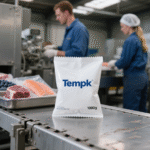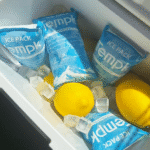
Dry ice container dry ice pack solutions are the backbone of modern cold chain logistics. Ob Sie Impfstoffe versenden, Gourmet-Desserts oder biologische Proben, Wenn Sie wissen, wie Sie diese ultrakalten Materialien sicher und effizient nutzen können, entscheiden Sie über Erfolg oder Misserfolg Ihrer Lieferungen. Dieser umfassende Leitfaden beantwortet die dringendsten Fragen zu Trockeneisbehältern und Trockeneisbeuteln, Einbeziehung der neuesten 2025 Trends, Vorschriften und Brancheninnovationen. In den nächsten Abschnitten erfahren Sie, wie Trockeneis funktioniert, wie viel zu bedienen, wie man es richtig verpackt, und warum sich der Markt so schnell entwickelt.
Determine the right amount of dry ice for different products and shipment durations, Nutzlasten sicher halten, ohne Kältemittel zu verschwenden.
Wählen Sie das beste Behälter- oder Verpackungsformat (Blöcke, Pellets oder Wraps) basierend auf Ihrer Fracht und Transitzeit.
Understand regulations and safety rules under DOT and IATA, inklusive Beschriftung, Gewichtsgrenzen und Verpackungsanforderungen.
Vergleichen Sie Trockeneis mit Gelpackungen und Phasenwechselmaterialien (PCMs) für den Temperaturbereich, Wiederverwendbarkeit und Nachhaltigkeit.
Erkunden 2025 trends and market dynamics shaping the dry ice industry—from CO₂ supply challenges to sustainable production and hybrid cooling systems.
What is Dry Ice and How Do Dry Ice Containers & Packs Work?
Dry Ice Basics: From CO₂ to Ultra Cold Delivery
Trockeneis ist die feste Form von Kohlendioxid (Co₂). Im Gegensatz zu Wassereis, es schmilzt nicht; Es SULBLIMATE directly into a gas. At atmospheric pressure it maintains an astonishing temperature of –78.5 °C (–109 °F). This ultra cold temperature allows dry ice to keep vaccines, biological samples and frozen foods well below freezing for days. Because it converts from solid to gas rather than liquid, shipments stay completely dry—a key advantage when shipping perishable items that shouldn’t get wet or soggy.
Dry ice containers and dry ice packs are purpose built to harness this property. A dry ice container is a sturdy, insulated box—often made of high density polyethylene (HDPE) oder expandiertes Polystyrol (EPS)—that holds bulk dry ice blocks or pellets. It has ventilation ports to let the CO₂ gas escape and thick walls to slow sublimation. Trockeneisbeutel, auf der anderen Seite, are smaller pouches or wraps containing dry ice pellets or slices. They are designed to fit around products, providing targeted cooling without the bulk of a large container.
Sublimation erklärt
When dry ice absorbs heat from the surrounding environment, es schmilzt nicht; Es untermauert. Sublimation occurs when a solid turns directly into a gas without passing through a liquid phase. Because there is no water involved, the only by product is CO₂ gas. This gas must be vented from the container to prevent pressure buildup, which is why dry ice shippers use vented lids or breathable pouches. Proper ventilation is not just a best practice—it’s a safety requirement.
Why Containers and Packs Matter
Der Format of dry ice makes a big difference in performance. Large blocks sublimate more slowly, making them ideal for long shipments or bulk goods. Pellets and nuggets offer a larger surface area and therefore cool quickly but disappear faster. Thin slices and custom cuts provide a balance of coverage and duration, fitting neatly into packaging systems to reduce empty space and improve efficiency. Selecting the right format helps you manage sublimation rate, cooling power and overall cost.
Choosing the Right Amount: Wie viel Trockeneis sollten Sie verwenden?
Rough Guidelines for Different Payloads
The amount of dry ice you need depends on the product, the transit time and the level of insulation. Overusing dry ice wastes money, while underusing it risks thawing. Several sources offer rule of thumb recommendations:
Pharmazeutika & Impfungen: Verwenden Sie ungefähr 5–10 lb (2.3–4,5 kg) pro 24 hours for ultra cold vaccines and biologics.
Meeresfrüchte & Fleisch: Verwenden 1–2 lb (0.45–0,9 kg) per day for smaller shipments of seafood or premium meats. Bulk shippers might double this amount for large containers.
Gefrorene Mahlzeiten & Desserts: A moderate 2–3 lb (0.9–1,4 kg) per day is typically enough to keep frozen meals or ice cream solid for up to 72 Std..
Allgemeine Richtlinie: Für Übernachtsendungen, Verwenden Sie a half the payload weight in dry ice; for two day shipments, use the same weight; and for three day shipments, verwenden 1.5 mal the payload weight.
These recommendations can vary with container insulation quality and ambient conditions. Always plan for extra dry ice when shipping during hot summer months or over long distances.
Formula for Estimating Dry Ice Needs
One simplified formula used by many carriers is:
Trockeneis (lb) ≈ (Transit Time in hours ÷ 24) × (Average consumption rate per day)
If your transit time is 36 hours and you need 5 Pfund pro Tag für Impfstoffe, Die Rechnung ist (36/24) × 5 = 7.5 lb. Aufrunden auf 8 lb ensures a safety margin. You should also account for the Sublimationsrate, Typischerweise 3–8 % pro Tag depending on how well your container is insulated.
Best Practices for Packing Dry Ice Containers and Packs
Schritt-für-Schritt-Verpackungsverfahren
Konditionieren Sie den Container vor. Chill your box or cooler before adding dry ice to reduce thermal shock and slow sublimation.
Place dry ice at the bottom or top depending on your goal. Placing it oben lets cold air sink through the shipment, sorgt für eine gleichmäßige Kühlung. Placing it unten can help maintain a cold base while reducing the risk of direct contact.
Wrap or separate products. Use cardboard or foam separators to prevent direct contact with dry ice; prolonged contact can damage products or freeze sensitive items.
Leeren Raum füllen. Minimize voids with bubble wrap, insulating foam or additional dry ice slices to keep cold air circulating efficiently.
Seal correctly but allow gas to escape. Use tape to close the container, but never make it airtight; venting channels or holes are critical to release CO₂ gas and prevent pressure buildup.
Beschriften Sie es deutlich. Kennzeichnen Sie Pakete mit „Trockeneis“ oder „Kohlendioxid“., Solid” and include the net weight and “UN 1845” hazard class. Regulatory agencies require this labeling.
Tragen Sie Schutzausrüstung. Always handle dry ice with insulated gloves and eye protection to avoid frostbite or cold burns. Work in a well ventilated area to avoid CO₂ buildup.
Häufige Fehler zu vermeiden
Using sealed plastic bags für Trockeneis. These can burst as the gas expands.
Failing to vent the container. A tightly sealed container can explode from CO₂ pressure.
Ignoring weight limits. Airlines restrict passengers to 2.5 kg (um 5.5 lb) of dry ice per person without special paperwork. Commercial shipments may carry more, but each package cannot exceed 200 kg Nettogewicht Trockeneis.
Using generic boxes for long shipments. Non insulated boxes will result in rapid sublimation and product loss. Invest in purpose built dry ice containers for extended duration.
Tisch: Recommended Dry Ice Weight vs. Nutzlastgewicht & Dauer
| Nutzlastgewicht (lb) | Recommended Dry Ice for 24 Std | Recommended Dry Ice for 48 Std | Recommended Dry Ice for 72 Std | Praktische Implikation |
| 10 | 5 lb | 10 lb | 15 lb | Enough for vaccines/samples (two day shipment) |
| 20 | 10 lb | 20 lb | 30 lb | Adequate for frozen foods or ice cream for up to three days |
| 50 | 25 lb | 50 lb | 75 lb | Typical for large meat or seafood shipments |
| 100 | 50 lb | 100 lb | 150 lb | Used for palletized cargo and industrial shipments |
These numbers are starting points and should be adjusted for extreme weather, container insulation or particularly sensitive payloads.
Understanding Dry Ice Regulations and Compliance
DOT and IATA Hazard Classification
Trockeneis gilt als Klasse 9 Gefahrgut, requiring specific packaging, Kennzeichnung und Dokumentation. The proper shipping name is “dry ice” or “carbon dioxide, solide,” and the identification number is Und 1845. Packages must bear the Class 9 hazard diamond and indicate the net weight of dry ice.
Gewichtsgrenzen und Dokumentation
Für Passagierfluggesellschaften, Die Internationale Luftverkehrsvereinigung (Iata) allows travelers to carry up to 2.5 kg (5.5 lb) of dry ice per person without additional paperwork. If you exceed this amount, you must file a dangerous goods declaration and follow more stringent packaging requirements. Kommerzielle Sendungen können bis zu transportieren 200 kg von Trockeneis pro Packung.
Packaging and Ventilation Requirements
Containers must be durable—using fiberboard, plastic or metal—and strong enough to withstand handling. Jedoch, they must also allow CO₂ gas to escape. Jerricans and steel drums are not suitable because they can explode when pressure builds. Airlines and carriers typically require polystyrene foam boxes or specially designed containers with venting ports, like those from AirSea USA that maintain temperatures below –20 °C and release gas safely.
Triple Packaging Rule for Biological Samples
When shipping infectious substances or certain biological products, you must use triple packaging: ein primärer wasserdichter Behälter, a secondary watertight packaging with absorbent material, und eine starke äußere Box. Each layer must be leak proof. The outer container should be labeled with the dry ice weight and hazard classification.
Trockeneis vs. Gel-Packs vs. Phasenwechselmaterial (PCMs)
Temperaturbereich und Leistung
Dry ice delivers extreme cold at –78,5 °C and keeps products frozen for 48–72 Stunden. Gelpackungen, dagegen, maintain temperatures in the 0 - - 10 °C range and are ideal for chilled rather than frozen goods. PCMs are engineered to hold narrow temperature bands—common ranges include 2–8 ° C for refrigerated items or –20 °C für Tiefkühlware.
Reusability and Sustainability
Gel packs and PCMs can be reused multiple times as long as the packaging remains intact. Trockeneis, Jedoch, sublimates and is single use; sobald es weg ist, you need more. PCMs have higher upfront costs but offer long term savings and reduce hazardous materials handling. Im Gegensatz, dry ice is cheaper per shipment and widely available, though its production relies on CO₂ sources, which carry environmental impacts.
Regulatorische Überlegungen
Gel packs and most PCMs are classified as ungefährlich, which simplifies shipping and reduces paperwork. Dry ice requires hazardous materials training, labeling and sometimes dangerous goods declarations. Carriers such as FedEx or UPS set additional rules that shippers must follow, including weight limits and packaging standards.
Tisch: Vergleich von Trockeneis, Gel Packs and PCMs
| Kühlmethode | Temperaturbereich | Dauer | Gefahrenklasse | Wiederverwendbarkeit | Beste Anwendungsfälle |
| Trockeneis | –78,5 °C (Solid Co₂) | 48–72 h | Klasse 9 gefährlich | Einmalgebrauch | Ultrakalte Sendungen: Impfungen, Biologika, gefrorenes Fleisch |
| Gelpackungen | 0–10 °C (auf Wasserbasis) | 12–24 h | Ungefährlich | Wiederverwendbar | Gekühlte Lebensmittel, produzieren, einige Impfstoffe |
| PCMs | –20 °C oder +2–8 °C (Brauch) | 24–96 h | Ungefährlich | Wiederverwendbar | Impfungen, Biologika, die enge Temperaturbänder erfordern |
Was sollten Sie wählen??
If your products must remain frozen (Z.B., Eiscreme, certain vaccines or cell therapy products), dry ice is the gold standard. Gel packs are excellent for gekühlt, aber nicht gefroren goods like prepared meals or produce, and they offer lower shipping costs and simpler handling. PCMs occupy a middle ground: sie bieten präzise Temperaturregelung and can reduce dry ice consumption when combined in a hybrid system. Many shippers are now mixing PCMs with smaller amounts of dry ice to extend hold times while reducing hazardous materials.
Innovations and 2025 Trends in the Dry Ice Industry
Marktdynamik: Demand vs. Liefern
Demand for dry ice has been rising about 5 % pro Jahr, yet CO₂ supply growth is just 0.5 % jährlich, creating a persistent shortage and price volatility. Spot prices can spike as high as 300 % bei Versorgungsengpässen. Despite these headwinds, Der globale Trockeneismarkt wurde mit bewertet USD 1.54 Milliarden in 2024 und wird voraussichtlich erreicht werden USD 2.73 Milliarden von 2032, A durchschnittliche jährliche Wachstumsrate von 7.4 %. Das Wachstum wird durch den Lebensmitteltransport vorangetrieben, Biologika und Impfstoffe, and industrial applications like blasting and welding.
Reaktionen der Industrie auf Engpässe
To counter supply issues, manufacturers are building lokalisierte Produktionszentren und erkunden CO₂-Abscheidung vor Ort at facilities like food processing plants. Shippers are diversifying their strategies by Kombination von Trockeneis mit Phasenwechselmaterialien and improving insulation to stretch each pound further. Long term supply contracts are also replacing spot buying, giving priority access to critical sectors.
Sustainability and Bio Based CO₂
There is growing pressure to reduce the carbon footprint of dry ice production. Most industrial CO₂ is fossil based, Aber bio ethanol plants offer a more circular source. During fermentation, bio ethanol producers capture high purity CO₂ that can be purified and turned into dry ice. In Großbritannien, Zum Beispiel, the Ensus bio ethanol plant produces as much as 30–60 % der CO₂-Versorgung des Landes. Jedoch, geopolitical issues and trade policies threaten these operations, showing the fragility of supply.
Alternatives and Hybrid Systems
While dry ice is indispensable for ultra cold shipments, Alternativen gewinnen an Bedeutung. Gel packs and PCMs provide narrow temperature ranges for less critical goods, mechanical refrigeration systems supply active cooling, and improved insulation reduces the amount of dry ice needed. These alternatives are not replacing dry ice but are being layered in strategically to reduce reliance and support sustainability goals.
Branchenspezifische Trends
Essen & Getränk: Verlader verwenden thinner slices and pellets for rapid cooling on processing lines, while investing in high performance insulated boxes to cut sublimation losses.
Pharmazeutisch & Biotech: Barrier technologies and real time monitoring are being tested to prevent supercooling and to track payload conditions. Hybrid shipments using PCMs for less temperature critical medicines are becoming popular.
Industriell & Schweißen: Contractors are investing in local pelletizing capacity to secure supplies and avoid being deprioritized during shortages.
Real World Applications and Case Studies
Beispiel 1: Shipping Gene Therapy Vectors
Gene therapy products often require temperatures below –60 °C to maintain viral vector stability. A biotech company used a Trockeneisbehälter with blocks and pellets layered together. By pre conditioning the container and filling empty spaces with custom dry ice slices, they maintained the required temperature for 72 Std. während des internationalen Transports. Temperature monitors showed a range of –65 °C to –70 °C, ensuring product integrity without supercooling.
Beispiel 2: Gourmet Ice Cream Fulfillment
An artisanal ice cream business needed to ship 50 tubs to customers across the country. They selected a container with an insulated shell and used 30 LB Trockeneis für jeden 20 Pfund-Versand, following the rule of 1.5 mal das Nutzlastgewicht. They added foam spacers to minimize voids and inserted small gel packs around the edges to preserve shape. Das Ergebnis: customers reported ice cream arriving solid after two days in transit, even in midsummer conditions.
Beispiel 3: Clinical Trial Samples
A clinical research organization shipped blood samples requiring a 2–8 ° C Reichweite. Instead of dry ice, they used a PCM shipper combined with a small dry ice pack to cool the payload quickly. Nach 24 Std., the PCM maintained temperatures between 3–4 °C while the dry ice had fully sublimated. The hybrid approach simplified compliance and minimized hazardous handling, providing an efficient solution for the trial.
Häufig gestellte Fragen
Q1: Wie lange dauert Trockeneis??
Trockeneis dauert normalerweise 48–72 Stunden in a well insulated container, though the exact duration depends on the amount used and ambient temperature. A thicker container and pre conditioning can extend this period.
Q2: Wie entsorge ich Trockeneis nach Gebrauch??
Allow remaining dry ice to sublimate in a well ventilated area away from people or pets. Never place it in a sealed container or a trash bin. Once it has completely sublimated, you can recycle the packaging or reuse the container.
Q3: Ist trockeneis sicher zu handhaben?
Trockeneis ist bei sachgemäßer Handhabung sicher. Tragen Sie isolierte Handschuhe, Schutzbrille und lange Ärmel, um Erfrierungen vorzubeugen. Never ingest or handle dry ice with bare hands. Ensure good ventilation to avoid carbon dioxide buildup.
Q4: Kann ich Trockeneis international versenden??
Ja, but you must comply with IATA and local hazardous materials regulations, einschließlich Gewichtsbeschränkungen, Kennzeichnung und Dokumentation. Check carrier guidelines and destination country rules before shipping.
Q5: Was ist der Unterschied zwischen Trockeneisbeuteln und Gelbeuteln??
Dry ice packs provide ultra cold temperatures and keep products frozen; gel packs maintain refrigerator temperatures and are safer to handle, suitable for chilled but not frozen goods.
Praktische Tipps und Ratschläge
During peak summer months, increase the amount of dry ice by 20–30 % and consider using reflective packaging to reduce heat transfer.
Verwenden Sie Temperaturmonitore or data loggers inside the container. Real time tracking allows you to respond quickly if temperatures drift.
Bleib konform by training shipping staff. Hazardous materials training reduces errors and penalties.
Planen Sie voraus for supply shortages. Secure supply contracts or consider hybrid cooling systems to reduce dependence on spot dry ice purchases.
Für die Spitze: For e commerce companies shipping frozen foods during holiday season, a mix of Trockeneispellets for initial chill and PCM bricks for sustained cooling can cut dry ice consumption by up to 30 % während immer noch die Produktqualität aufrechterhalten.
2025: Looking Ahead
The dry ice market in 2025 entwickelt sich schnell weiter. Lieferengpässe, price volatility and sustainability concerns are driving innovation. Unternehmen investieren in localized production, exploring biobasierte CO₂-Quellen, and incorporating Hybrid-Kühlsysteme. Gleichzeitig, regulatory attention is increasing as authorities emphasize safety and environmental impact. Shippers must adapt by improving insulation, mixing cooling technologies and staying compliant with evolving rules. The industry’s resilience will depend on collaboration between producers, shippers and regulators—ensuring that essential medicines reach patients, foods stay fresh and industrial processes operate smoothly.
Vorschläge für interne Links
Check out our Ultimate Dry Ice Shipping Checklist for a step by step plan.
Explore our guide on Innovationen in der Kühlkettenlogistik to learn about new sensors and AI tools.
Read our comparison of Insulated Shipping Containers to find the right container for your operation.
Entdecken Best Practices for Vaccine Shipping to maintain regulatory compliance.
Learn how to Recycle or Reuse Cold Chain Packaging for sustainable operations.
Über Tempk
Tempk specializes in cold chain solutions for the life sciences, food and logistics industries. We design and manufacture high performance insulated containers, dry ice packs and phase change materials. Mit jahrzehntelanger Erfahrung und einem Engagement für Nachhaltigkeit, Wir provide reliable cold chain systems that meet the latest regulatory standards. Our products are tested for thermal performance and durability, ensuring your shipments arrive in perfect condition. Learn more about our offerings and consult our experts to build a custom solution that fits your needs.
Bereit zum Start?
Kontakt Tempk today to discuss your cold chain challenges and find the right mix of dry ice, gel packs and PCMs for your shipments. Our experts will help you design a compliant, cost effective solution that keeps your products safe from origin to destination.