Warum sollten Sie sich für einen VIP-Versandkoffer für den Langstreckentransport entscheiden??
Dezember aktualisiert 1 2025
Bei langen Transporten sind Ihre temperaturempfindlichen Güter zahlreichen Risiken ausgesetzt. Ob Sie Impfstoffe transportieren, frisches Essen, oder Biologika, Selbst eine kleine Temperaturabweichung kann zu Schäden und finanziellen Verlusten führen. A VIP-Versandkoffer für den Ferntransport nutzt fortschrittliche vakuumisolierte Paneele und eine intelligente Temperaturregelung, um die Produkte innerhalb ihres erforderlichen Bereichs zu halten. Laut aktuellen Branchenberichten, Der globale Markt für Kühlkettenlogistik wird voraussichtlich von USD aus wachsen 324.85 Milliarden in 2024 in USD 862.33 Milliarden von 2032, Dies unterstreicht die steigende Nachfrage nach robustem Wärmeschutz. In diesem Leitfaden, Sie erfahren, warum VIP-Versender herkömmliche Kartons übertreffen, Welche Branchen profitieren am meisten?, Und wie 2025 Trends verändern die Kühlkettenlogistik über lange Distanzen.
Was macht einen VIP-Versandkoffer ideal für den Ferntransport?? Verstehen Sie die vakuumisolierte Technologie und warum sie das Gewicht reduziert und gleichzeitig die Leistung verbessert.
Wie bewahren vakuumisolierte Paneele die Integrität der Kühlkette über große Entfernungen?? Entdecken Sie die Wissenschaft der VIP-Materialien und Phasenwechselsysteme.
Welche Branchen profitieren von VIP-Versandkisten beim Ferntransport?? Sehen Sie, wie Arzneimittel, Essen, und Biotech nutzen diese Behälter.
Welche Faktoren sollten Sie bei der Auswahl eines VIP-Versandkoffers berücksichtigen?? Erfahren Sie mehr über Größe, Dauer, Einhaltung gesetzlicher Vorschriften und Nachhaltigkeit.
Wie beeinflussen Nachhaltigkeit und Vorschriften das Design von VIP-Versandkisten? 2025? Entdecken Sie neue Materialien, wiederverwendbare Systeme und IoT-Überwachung.
Was sind die neuesten Kühlkettentrends? 2025? Bleiben Sie über das Marktwachstum informiert, pflanzliche Lebensmittel, verbesserte Lagereinrichtungen und Digitalisierung.
Was macht einen VIP-Versandkoffer ideal für den Ferntransport??
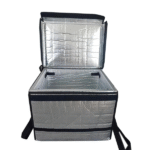
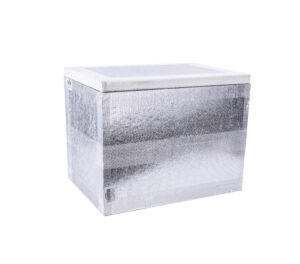
Vakuumisolierte Paneele (VIPs) Erhöhen Sie die Leistung eines Versandkoffers, indem Sie die Wärmeübertragung drastisch reduzieren, Dadurch wird sichergestellt, dass die Waren tagelang und nicht stundenlang innerhalb ihrer Zieltemperatur bleiben. VIP-Versandkoffer bieten höchste Isolierung bei geringstem Volumengewicht. Thermosafe, ein führender Hersteller, stellt fest, dass diese Versender die beste Wahl für einen hohen Wert sind, temperaturempfindliche Produkte; die robuste Außenfolie und die eng anliegenden Paneele übertreffen die thermische Leistung herkömmlicher EPS-Schaumboxen. Im Gegensatz zu sperrigen Schaumstoffbehältern, VIP-Panels benötigen keine zusätzliche Schutzhülle, was bedeutet kleinere Behältergrößen und reduziertes Versandgewicht– ein entscheidender Vorteil bei der Bezahlung per Kilogramm.
Wie VIP-Versender Transportrisiken reduzieren
Bei Langstreckentransporten sind häufig mehrere Umschlagspunkte erforderlich, Flugzeugbeladung und grenzüberschreitende Verzögerungen. VIP-Versender sind mit mehreren Schutzschichten ausgestattet. Das patentierte DCS-System von ThermoSafe bietet Vier Schutzschichten gegen Hitzeschäden und widersteht rauer Handhabung bei längeren Transporten. Überragende Wärmeleistung bedeutet auch, dass Sie es können Reduzieren Sie die Kältemittelmenge ohne die Produktsicherheit zu gefährden. Weniger Kältemittel führt zu mehr Nutzlastraum und niedrigeren Frachtkosten – Vorteile, die sich auf langen Strecken erheblich summieren.
VIP-Versandkisten sind nicht nur passive Kartons; viele Modelle integrieren Smart Sensoren zur Zustandsüberwachung in Echtzeit. IoT-fähige Nachverfolgung mit ein- bis fünfminütiger Intervallüberwachung wird bei Kühlkettenverpackungen zur Standardpraxis. Temperatur, Luftfeuchtigkeit, und im Gehäuse integrierte Stoßsensoren machen Sie auf Anomalien aufmerksam, proaktives Eingreifen ermöglichen. Diese Funktionen sind für Langstreckenreisen von entscheidender Bedeutung unerwartete Verzögerungen oder Umschlagplätze können die Kühlkette gefährden.
Konstruktion und Materialien
Das Herzstück eines VIP-Versandkoffers ist eine Platte bestehend aus a poröses Kernmaterial (oft Kieselsäure) luftdicht verschlossen, mehrschichtige Barrierefolie. Diese Vakuumumgebung reduziert die Wärmeleitfähigkeit drastisch. Weil es wenig Luft im Inneren gibt, Wärme kann nicht leicht durch die Platte dringen; infolge, VIPs-Angebot bis zu 90 Prozent verbesserte Isolationseffizienz im Vergleich zu herkömmlichen Polyurethanschaumverpackungen. Der äußere Strukturfilm sorgt für zusätzliche Robustheit, So kann das Gehäuse bei der Handhabung Durchstichen und Kompression standhalten.. Einige Premium-Versender kombinieren VIP-Panels mit Phasenwechselmaterialien (PCMs)– spezielle Gele oder Salze, die Wärmeenergie absorbieren und abgeben. Wenn die Innentemperatur steigt, Das PCM nimmt die Wärme durch Schmelzen auf; wenn die Temperatur sinkt, es gibt gespeicherte Energie durch Erstarren frei, dadurch Aufrechterhaltung eines konstanten Temperaturbereichs über mehrere Tage hinweg.
Wie bewahren vakuumisolierte Paneele die Integrität der Kühlkette über große Entfernungen??
Vakuumisolierte Paneele schaffen eine nahezu leere Umgebung um Ihre Nutzlast. Mit entfernter Luft, Es gibt viel weniger Moleküle, die Wärme leiten. Dieses Design reduziert sowohl die Leitung als auch die Konvektion erheblich, zwei der wichtigsten Wärmeübertragungswege. Die Barrierefolie reflektiert außerdem Strahlungswärme, Bietet VIPs dreifache Verteidigung gegen Hitzegewinne oder -verluste. In Kombination mit Phasenwechselmaterialien, VIP-Versandkisten können gekühlt aufbewahrt werden, gefrorene oder extrem kalte Temperaturen für über 72 Std.. Diese Fähigkeit ist für transkontinentale Flüge unerlässlich, Seefracht, oder Fernlieferungen, bei denen die Sendungen längere Zeit im Zoll oder auf Rollbahnen liegen bleiben.
Herkömmliche passive Kühlboxen basieren auf Schaumstoffisolierung und Gelpackungen. Bei gleichzeitiger Kosteneffizienz, Diese Lösungen bieten normalerweise Abkühlung von kurzer bis mittlerer Dauer und reagieren empfindlich auf äußere Bedingungen. Dagegen, VIP-Panels bieten Hervorragende Isolationsleistung in einem dünnen Profil. Sie machen dicke Wände überflüssig, So maximieren Sie das Innenvolumen und die Nutzlastkapazität. Dünne Wände reduzieren außerdem Verpackungsmüll und ermöglichen eine bessere Stapeleffizienz in Paletten oder ULD-Behältern.
Ein weiterer entscheidender Vorteil ist strukturelle Integrität. VIP-Koffer behalten ihre Isoliereigenschaften auch nach mehreren Fahrten, Dadurch eignen sie sich gut für wiederverwendbare Programme. Viele Hersteller berichten von a Fokus auf wiederverwendbare VIP-Versandtaschen (um 40 % von Produkten). Durch Kombinieren vier Schutzschichten mit langlebigen Folien, Diese Fälle können Hunderte von Zyklen überstehen, Dies macht sie zu einer kostengünstigen Wahl für den Langzeitbetrieb.
Arbeiten mit Phasenwechselmaterialien
PCMs sind wichtige Begleiter für VIP-Panels im Fernverkehr. Sie große Mengen Energie speichern und abgeben um einen bestimmten Temperaturbereich einzuhalten. Abhängig von der PCM-Formulierung, Derselbe Koffer kann Gegenstände gekühlt aufbewahren (2–8 ° C), gefroren (–20 °C), oder extrem kalt (–80 °C) seit Tagen. PCMs sind häufig in Hartplastikgehäusen untergebracht recycelbar und ungiftig, Berücksichtigung von Umweltbelangen. Im Vergleich zu Trockeneis, das schnell sublimiert und als Gefahrstoff gilt, Mit PCM ausgestattete VIP-Koffer bieten Stabile Tiefkühltemperaturen ohne Sicherheitsrisiken.
Vorteile gegenüber aktiven Kühlsystemen
Aktive Kühlcontainer nutzen Kompressoren und elektrische Energie, um die eingestellten Temperaturen aufrechtzuerhalten. Dabei bieten sie eine präzise Kontrolle, sie sind Der Betrieb ist teuer und erfordert Notstrom– Risiken, die sich bei Langstreckenfahrten mit mehreren Übergaben verstärken. VIP -Versender, dagegen, arbeiten passiv. Sie Verlassen Sie sich nicht auf externe Stromversorgung, Es besteht also keine Gefahr eines mechanischen Versagens. Ihre leichte Struktur reduziert den Kraftstoffverbrauch und die CO2-Emissionen, Dadurch werden sie für den Luft- und Straßentransport nachhaltiger.
Welche Branchen profitieren von VIP-Versandkisten beim Ferntransport??
Eine Vielzahl von Branchen verlässt sich auf VIP-Versandkisten, um hochwertige Fracht auf längeren Reisen zu schützen. Jede Branche hat einzigartige thermische Anforderungen und regulatorische Einschränkungen.
Pharmazeutika und Biologika
Der Pharmasektor fährt ungefähr 45 % der Nachfrage des VIP-Schifffahrtsmarktes. Moderne Biologika, Impfstoffe und Gentherapien erfordern eine äußerst präzise Temperaturkontrolle. Zum Beispiel, mRNA-Impfstoffe müssen zwischen –70 °C und –80 °C gelagert werden, ein Bereich, der weit unter den herkömmlichen Kühlkettentemperaturen liegt. Herkömmliche Schaumstoffverpackungen können solchen Bedingungen oft nicht über die gesamte Transportzeit standhalten. VIP-Gehäuse in Kombination mit PCMs und IoT-Sensoren bieten das Erweiterte Leistung bei extrem niedrigen Temperaturen für Biologika benötigt. Während der Einführung des COVID-19-Impfstoffs, IoT-fähige Sensoren ermöglichten eine kontinuierliche Überwachung von der Produktion bis zur Lieferung auf der letzten Meile. Diese Überwachung ist mittlerweile gängige Praxis, Ermöglicht ein frühzeitiges Eingreifen bei Exkursionen.
Essen und Getränk
Frisches Fleisch, Meeresfrüchte, Milchprodukte und Lebensmittel benötigen einen zuverlässigen Kühlkettenschutz, um ein Verderben zu verhindern. Das Wachstum des globalen Marktes für Kühlkettenlogistik hängt mit der Verbrauchernachfrage nach frischen und pflanzlichen Lebensmitteln zusammen. Maersk stellt das fest Pflanzenbasierte Alternativen werden zum Mainstream, wobei der Markt für pflanzliche Lebensmittel möglicherweise Folgendes umfassen wird 7.7 % des globalen Proteinmarktes durch 2030. Diese Produkte stammen oft von Start-ups, die neu in der Logistik sind, Daher ist eine robuste Verpackung unerlässlich. VIP-Versender tragen dazu bei, die Temperaturstabilität über große Entfernungen aufrechtzuerhalten, Erhaltung der Frische und Einhaltung der Lebensmittelsicherheitsvorschriften.
VIP-Koffer kommen auch dem Versand von Tiefkühlkost zugute. Thermal Custom Packaging berichtet, dass ihre VIP-Panels in Kombination mit PCMs dies können Halten Sie gefrorene Nutzlasten über einen längeren Zeitraum auf der gewünschten Temperatur 72 Std., übertrifft herkömmliche Kühlakkus oder Trockeneis. Diese verlängerte Haltezeit ermöglicht grenzüberschreitende Eislieferungen, Meeresfrüchte, oder verzehrfertige Mahlzeiten, ohne dass eine aktive Kühlung erforderlich ist.
Biotechnologie und Lebenswissenschaften
Forschungsproben, Blutprodukte und Diagnostika erfordern häufig eine strenge Temperaturkontrolle und dürfen nicht durch Kontaminationen verunreinigt werden. VIP-Versandkoffer bieten das Umgebung mit stabiler Temperatur unverzichtbar für Materialien für klinische Studien und Gentherapien. Etwa 23 % der Nachfrage von VIP-Versendern kommt aus der Industrie- und Biotechnologiebranche, Dies spiegelt den zunehmenden Bedarf an speziellen Thermoverpackungen in diesen Bereichen wider. Mit dem Aufkommen personalisierter Medizin und fortschrittlicher Biologika, Sendungen werden häufiger und weltweit verteilt. VIP-Hüllen stellen die Einhaltung der Good Distribution Practice sicher (BIP) Einhaltung von Standards und Wahrung der Probenintegrität während des längeren Transports.
Chemische und industrielle Produkte
Bestimmte Chemikalien erfordern eine Temperaturkontrolle, um stabil oder sicher zu bleiben. Zum Beispiel, einige Klebstoffe, Harze und Katalysatoren zersetzen sich, wenn sie Hitze ausgesetzt werden. VIP-Versandkisten schützen diese Materialien beim grenzüberschreitenden oder interkontinentalen Transport. Sie sind besonders wertvoll für Gefahrstoffe, da sie den Bedarf an Kältemitteln wie Trockeneis reduzieren, was in Flugzeugen eingeschränkt sein kann. VIPs sorgen auch für strukturelle Haltbarkeit, Minimierung des Leckagerisikos.
Welche Faktoren sollten Sie bei der Auswahl eines VIP-Versandkoffers berücksichtigen??
Im Vergleich zu herkömmlichen Schaumstoffboxen stellt ein VIP-Versandkoffer eine erhebliche Investition dar. Die Auswahl des richtigen Systems erfordert die Beurteilung Ihrer Produktanforderungen, Streckenmerkmale und betriebliche Einschränkungen.
Bestimmen Sie den Temperaturbereich und die Haltezeit
Identifizieren Sie den spezifischen Temperaturbereich, den Ihr Produkt benötigt (Z.B., gekühlt 2–8 °C, gefroren –20 °C, oder extrem kalt unter –50 °C). Bestimmen Sie die maximal zu erwartende Laufzeit und bauen Sie einen Puffer dafür ein Verzögerungen. Während VIP- und PCM-Systeme dies bieten können 72 Stunden oder mehr Schutz, Schwankungen der Umgebungsbedingungen (heiße Asphalte, Kalte Frachträume, Verzögerungen beim Zoll) kann die Wirkungsdauer verkürzen. Erwägen Sie, zusätzliche PCMs hinzuzufügen oder einen Koffer auszuwählen, der für längere Haltezeiten ausgelegt ist.
Passen Sie die Koffergröße an die Nutzlast an
VIP-Koffer gibt es in verschiedenen Größen, vom kleinen Musterversand bis zum großen Palettencontainer. Die Produktlinie von ThermoSafe umfasst Modelle mit Innenvolumina von 2 Liter zu über 163 Liter. Größere Koffer eignen sich für Massensendungen, benötigen aber mehr Kältemittel und nehmen mehr Laderaum ein. Nutzen Sie nur das erforderliche Innenvolumen, um die Nutzlasteffizienz zu maximieren und die Versandkosten zu senken.
Bewerten Sie Gewicht und Versandart
VIP-Versender sind aufgrund ihrer dünnen Isolierwände leichter als viele Schaumstoffalternativen. Jedoch, Das Gewicht variiert immer noch zwischen den Modellen. Luftfrachtgebühren nach Gewicht und Volumengewicht, Die Wahl eines leichteren Gehäuses senkt also die Kosten. Für Seefracht, Containerausnutzung und Stapelfähigkeit sind wichtiger. Stellen Sie sicher, dass das Gehäuse Stapellasten standhält, ohne die Isolierung zu beeinträchtigen.
Stellen Sie die Einhaltung gesetzlicher Vorschriften sicher
Pharmazeutika und Biologika müssen strenge regulatorische Rahmenbedingungen wie die Good Distribution Practice einhalten (BIP), die USA. Food and Drug Administration (FDA) Richtlinien und die FSMA-Regel 204 eine Rückverfolgbarkeit rund um die Uhr erforderlich für Lebensmittel mit hohem Risiko. Wählen Sie ein VIP-Gehäuse mit validierten Wärmeprofilen und dokumentierten Leistungsdaten. Viele Fälle sind nach Industriestandards vorab qualifiziert, Bereitstellung von Zertifizierungsdokumenten, die Audits vereinfachen. Verwenden Sie IoT-Sensoren, um elektronische Protokolle zur Überprüfung zu erstellen.
Berücksichtigen Sie Nachhaltigkeit und Wiederverwendung
Mit zunehmenden Umweltauflagen, Unternehmen gehen weg vom Einweg-EPS-Schaum und hin zu wiederverwendbaren Systemen. Der Markt für Kühlkettenverpackungen erlebt eine Umstellung von EPS auf wiederverwendbare und recycelbare Lösungen. Einige VIP-Hüllen sind dafür konzipiert wiederholter Gebrauch und kann Teil eines Miet- oder Pooling-Programms sein, Reduzierung von Abfall und Kosten. Suchen Sie nach Gehäusen mit leicht austauschbaren Panels und PCMs, um deren Lebensdauer zu verlängern. Bei der Bewertung von Nachhaltigkeit, Untersuchen Sie beide CO2 -Fußabdruck (Energie, die für die Herstellung und den Transport des Koffers aufgewendet wird) und die Optionen am Lebensende (recycelbare Materialien, zirkuläre Programme).
Integrieren Sie digitale Überwachung
Eine Echtzeit-Zustandsüberwachung ist nicht mehr optional. IoT-Sensoren sorgen dafür Kontinuierliche Daten zur Temperatur, Feuchtigkeit und Stoßeinwirkung. Einige Lösungen umfassen vorausschauende Analysen, um Routen mit hohem Risiko zu kennzeichnen und Versandpläne zu optimieren. Durch die Integration von Sensoren in Ihren VIP-Koffer können Sie schnell auf Abweichungen reagieren, Verhinderung von Produktverlusten. Wählen Sie Systeme, die den Fernzugriff auf Daten ermöglichen und die Integration in Ihre bestehende Logistiksoftware unterstützen.
Bewerten Sie die Kosten im Vergleich zum Wert
Bei VIP-Versandverpackungen fallen im Vorfeld höhere Kosten an als bei Schaumstoff- oder Gelverpackungen. Das zeigen Marktstudien Hohe Herstellungs- und Materialkosten sind ein häufiges Hindernis. Jedoch, Diese Kosten müssen gegen den Wert des geschützten Produkts abgewogen werden. Der Verlust einer einzelnen Charge biologischer Arzneimittel oder hochwertiger Lebensmittel kann die Kosten des Falles bei weitem übersteigen. Auch, Viele VIP-Programme bieten Pooling- oder Mietmodelle, die Kosten auf mehrere Sendungen verteilen.
Wie beeinflussen Nachhaltigkeit und Vorschriften das Design von VIP-Versandkisten? 2025?
Umwelt- und Regulierungszwänge verändern die Kühlkettenbranche. Der Der weltweite Markt für Kühlkettenverpackungen wird voraussichtlich von USD aus wachsen 27.7 Milliarden in 2025 in USD 102.1 Milliarden von 2034. Um ESG-Verpflichtungen und regulatorische Vorgaben zu erfüllen, Hersteller übernehmen neue Materialien und Geschäftsmodelle.
Wechseln Sie zu nachhaltigen und wiederverwendbaren Materialien
Aufsichtsbehörden und ESG-Richtlinien der Unternehmen drängen Unternehmen dazu, auf Einweg-EPS-Schaumstoff zu verzichten. Branchenanalysen zeigen a Paradigmenwechsel in Richtung Mehrweg, recycelbar, und kreisförmige Modelle. Verpackungsanbieter entwickeln sich Recycelbare Isoliersysteme am Straßenrand und langlebige wiederverwendbare Lösungen. Zum Beispiel, Cold Chain Technologies erweiterte sein Portfolio um nachhaltige, auf Arzneimittel zugeschnittene Verpackungen. Die Mietprogramme von Peli BioThermal zeigen, wie Pooling-Systeme Abfall reduzieren und die Gesamtbetriebskosten senken können.
Regulierung treibt Innovation voran
Der EU-Verordnung über Verpackungen und Verpackungsabfälle (Pp) fordert eine deutliche Erhöhung der recycelbaren und wiederverwendbaren Inhalte. In den Vereinigten Staaten, Die FSMA-Regel 204 erfordert eine detaillierte Rückverfolgbarkeit für Lebensmittel mit hohem Risiko. Diese Regeln zwingen Unternehmen zu Investitionen Intelligente Überwachungstechnologien Und nachhaltige Materialien. Passive Isolierung allein reicht nicht mehr aus; Regulierungsbehörden erwarten überprüfbare Daten und umweltfreundliche Designs.
Integration von IoT und Echtzeitüberwachung
VIP-Versandkoffer entwickeln sich zu schlau, datengesteuerte Lösungen. In Behälter eingebettete IoT-Sensoren ermöglichen eine kontinuierliche Überwachung von Temperatur und Stößen. Solche Systeme verlagern die Verpackung von einer passiven Rolle in eine aktiv, nachweisbarer Kontrollmechanismus. Aus Sensordaten abgeleitete prädiktive Analysen ermöglichen es Versendern Identifizieren Sie Routen mit hohem Risiko und optimieren Sie die Logistik proaktiv. Diese Technologien erfüllen Compliance-Anforderungen und reduzieren die Ausschusskosten.
Entwicklung einer leistungsstarken, nachhaltigen Isolierung
Forscher entwickeln nachhaltige Dämmstoffe, die in ihrer Leistung mit EPS mithalten können, ohne die Umwelt zu schädigen. Zum Beispiel, Biobasierte Schäume und Aerogele gewinnen an Traktion, mit Start-ups wie Fiberwood, die sich mit der Isolierung von Holzfasern befassen. Obwohl VIPs nach wie vor die Premiumlösung für den Ferntransport sind, Es wird erwartet, dass die Kostenkurven mit zunehmender Akzeptanz sinken, um sie zugänglicher zu machen. Zusätzlich, Das berichten Branchenstudien 33 % der Hersteller von VIP-Versendern verwenden inzwischen umweltfreundliche Materialien.
Standardisierungs- und Pooling-Netzwerke
Eine große Herausforderung für wiederverwendbare Systeme ist das Fehlen von Standardgrößen und Interoperabilität. Analysten argumentieren, dass sich dies entwickelt standardisierte Behältergrößen, Materialspezifikationen und Pooling-Protokolle könnte eine skalierbare Wiederverwendung für alle Arzneimittel ermöglichen, Lebensmittel und Logistik. Öffentlich-private Partnerschaftsmodelle könnten die staatliche Aufsicht mit Innovationen des privaten Sektors in Einklang bringen, Abbau von Hürden für kleinere Akteure. Für Endverbraucher, Die Teilnahme an Pooling-Programmen kann die Rücknahmelogistik rationalisieren und die Gesamtkosten senken.
Neueste Kühlkettentrends für 2025
Die Kühlkettenlogistik entwickelt sich weiterhin rasant weiter. Hier sind die wichtigsten Trends, die sich prägen 2025.
Marktwachstum und Diversifizierung
Der globale Markt für Kühlkettenlogistik erlebt ein explosionsartiges Wachstum, erwartet zu erreichen USD 862.33 Milliarden von 2032. Befeuert wird diese Expansion durch den demografischen Wandel, erhöhte Nachfrage nach frischen und pflanzlichen Lebensmitteln, und wachsende Pharma- und Biotech-Pipelines. Allein die globale pharmazeutische Kühlkette hat einen Wert von fast 100 % USD 65 Milliarden in 2025 und ist eingestellt auf im Laufe des nächsten Jahrzehnts verdoppeln. Investition in Modernisierung von Kühlhäusern– einschließlich Automatisierung, Nachhaltigkeitsverbesserungen und Integration erneuerbarer Energien – standen stets im Mittelpunkt der Branchenveranstaltungen 2025.
Neue Produkte und Komplexität der Lieferkette
Pflanzliche Proteine, Glutenfreie Lebensmittel und Bio-zertifizierte Produkte sind Wachstumssegmente. Maersk weist darauf hin, dass pflanzenbasierte Lebensmittel möglich sein könnten 7.7 % des globalen Proteinmarktes durch 2030. Diese neuen Produkte kommen von kleinen und mittleren Unternehmen, denen es oft an Logistikkompetenz mangelt. Infolge, Logistikdienstleister mit Kühlkettenkompetenz und umfangreichen Netzwerken sind sehr gefragt, um die erforderlichen Temperaturen aufrechtzuerhalten und wachsende Mengen zu planen.
Modernisierung der Infrastruktur
Viele Kühllager wurden vor 40 bis 50 Jahren gebaut und sind nun veraltet. Die veraltete Infrastruktur zwingt die Betreiber, in sie zu investieren Automatisierung, Nachhaltigkeit und verbesserte Sichtbarkeit. Vorschriften, die auf den Ausstieg aus synthetischen Kältemitteln wie H-FCKW und HFKW abzielen, schaffen weitere Anreize für Modernisierungen. 2025 sieht größer aus, In der Nähe von Häfen werden mehr automatisierte Anlagen entwickelt, Bauernhöfe und Verarbeitungszentren, um die Entfernungen zu den Kunden zu reduzieren.
Digitalisierung und Predictive Analytics
Kühlkettenverpackungen haben sich durchgesetzt Digitalisierung. IoT -Sensoren, vorausschauende Wartung, und KI-gesteuerte Routenoptimierung werden zum Mainstream. Branchenberichte betonen die Einführung von KI und Predictive Analytics für Aufgaben wie z.B vorausschauende Wartung, optimierte Lieferrouten und Bedarfsprognosen. Diese Tools senken die Kosten und verbessern die Zuverlässigkeit, indem sie Verzögerungen vorhersehen und proaktive Interventionen ermöglichen.
Nachhaltigkeit und Kreislaufwirtschaft
Umweltbedenken und behördliche Auflagen treiben den Wandel hin zu nachhaltigen Materialien und Kreislaufmodellen voran. Unternehmen ersetzen expandiertes Polystyrol durch recycelbare und wiederverwendbare Alternativen. Miet- und Pooling-Programme tragen dazu bei, Abfall und Kosten zu reduzieren. Die Forschung zu biobasierten Schäumen und recycelbaren Isolierungen nimmt weiter zu. VIP-Versandkisten stehen bei diesem Trend an vorderster Front, da sie wiederverwendet werden können und dünne Isolierwände bieten, die den Materialverbrauch reduzieren und gleichzeitig die Leistung verbessern.
Vergleich der Kühlkettenverpackungsoptionen
Die folgende Tabelle vergleicht gängige Kühlkettenverpackungsarten, Hervorhebung typischer Temperaturhaltezeiten, Gewichtsmerkmale und was diese Merkmale für Ihren Betrieb bedeuten.
| Verpackungstyp | Typische Haltezeit | Gewicht/Wandstärke | Praktische Auswirkungen auf Ihre Sendung |
| VIP-Versandkoffer | 72–120 Stunden mit PCMs | Dünne Wände (<3 cm) mit geringem Volumengewicht | Maximiert die Nutzlast, Reduziert die Frachtkosten und gewährleistet einen langanhaltenden Schutz bei mehrtägigen Reisen |
| Aktiver Kühlcontainer | Kontinuierlich (erfordert Strom) | Schwer aufgrund mechanischer Systeme | Präzise Steuerung, aber hohe Kosten, Bedarf an Notstromversorgung und Komplexität der Handhabung; am besten für ultraempfindliche Materialien geeignet |
| Passivschaumbox mit Gelpacks | 24–48 Stunden | Dicke Wände (~5–8 cm) und mäßiges Gewicht | Geeignet für kurze bis mittlere Reisen; kostengünstig, aber begrenzte Haltezeit und geringere Nutzlastkapazität |
| Hybridsystem (aktiv + passiv) | 48–96 Stunden je nach Konfiguration | Mittleres Gewicht; umfasst sowohl Isolierung als auch mechanische Komponenten | Kombiniert Zuverlässigkeit der aktiven Kühlung mit passiver Isolierung; höhere Kosten und Komplexität, Wird für kritische Sendungen verwendet |
Praktische Tipps und Ratschläge für Benutzer
Bewerten Sie das Routenrisiko: Untersuchen Sie die Zollverfahren, Transitzeiten und saisonale Temperaturextreme. Wählen Sie einen VIP-Koffer mit ausreichend Kapazität und PCM-Menge, um Verzögerungen und unerwartete Belastungen zu bewältigen.
Integrieren Sie eine Temperaturüberwachung: Statten Sie Ihren Koffer mit IoT-Sensoren aus, die Echtzeit-Temperaturdaten liefern. Nutzen Sie Benachrichtigungen, um schnell auf Abweichungen zu reagieren.
Planen Sie die Wiederverwendungslogistik: Wenn Sie wiederverwendbare VIP-Hüllen verwenden, Richten Sie ein Rückleitungsnetzwerk ein oder arbeiten Sie mit einem Pooling-Anbieter zusammen. Berücksichtigen Sie die Reinigung, Inspektions- und Requalifizierungskosten.
Personal schulen: Stellen Sie sicher, dass Lager- und Transportpersonal wissen, wie PCMs richtig verpackt werden, den Fall voraussetzen, und gut verschließen. Kleine Fehler können die thermische Leistung beeinträchtigen.
Koordinieren Sie sich mit den Spediteuren: Teilen Sie den Fluggesellschaften Ihre spezifischen Abfertigungsanforderungen mit, Speditionen und Speditionen. Sorgen Sie für eine klare Beschriftung, die die Temperaturempfindlichkeit und Ausrichtung angibt.
Fall aus der realen Welt: Ein Biotech-Unternehmen, das eine Charge Gentherapie-Vektoren von San Francisco nach Singapur verschickte, entschied sich für eine VIP-Versandkiste mit PCMs, die für –60 °C ausgelegt sind. Die Reise umfasste zwei Flüge, eine Zollkontrolle und ein 36-stündiger Zwischenstopp. Dank der fortschrittlichen Isolierung und IoT-Überwachung des Gehäuses, Die Sendung behielt während des 85-Stunden-Transitfensters die gewünschte Temperatur bei und kam in Übereinstimmung mit den GDP-Vorschriften an. Das Unternehmen vermied Produktverluste und wiederholte den gleichen Verpackungsaufbau für nachfolgende Lieferungen, Dadurch werden Tausende von Dollar an potenziellem Verderb eingespart.
2025 Innovationen und Zukunftsaussichten
Neue Materialien
Forscher testen biobasierte Dämmstoffe wie Zelluloseschäume, Stärkekomposite und Aerogele. Diese Optionen zielen darauf ab, die VIP-Leistung zu erreichen und gleichzeitig biologisch abbaubar oder leicht zu recyceln. Erste Pilotprojekte deuten darauf hin, dass ähnliche R-Werte erreicht werden können, Kosten und Skalierbarkeit bleiben jedoch Herausforderungen.
Intelligente Verpackungsökosysteme
Digitale Plattformen integrieren Daten von Sensoren, Netzbetreiber und Regulierungsdatenbanken zu erstellen End-to-End-Sichtbarkeit. In 2025, Predictive-Analytics-Modelle können das Risiko von Temperaturschwankungen basierend auf dem Wetter vorhersagen, Streckenüberlastung und historische Leistung. Solche Erkenntnisse ermöglichen dynamisches Routing und proaktive Eventualitäten. In den nächsten Jahren, Erwarten Sie, dass diese Systeme Blockchain für manipulationssichere Protokollierung und mehr Vertrauen integrieren.
KI-gesteuerte Optimierung
Künstliche Intelligenz wird dafür eingesetzt vorausschauende Wartung von Kühlfahrzeugen und Bedarfsprognose für Kühllager. KI hilft Spediteuren bei der Planung der optimalen Platzierung von VIP-Koffer in Flugzeugen oder Lastwagen, um den Luftstrom zu maximieren und Temperaturgradienten zu minimieren. In 2025, Einige Logistikdienstleister testen KI-gesteuerte PCMs, die Phasenwechselpunkte basierend auf Echtzeitdaten anpassen, weitere Verbesserung der thermischen Stabilität.
Regulatorische Entwicklung
Die Vorschriften werden immer strenger. Die FSMA-Regel 204 fordert eine digitale Rückverfolgbarkeit für Lebensmittel mit hohem Risiko. Das PPWR verlangt einen höheren Recyclinganteil und kann Steuern auf Einwegkunststoffe erheben. Unternehmen, die VIP-Versender mit eingebetteten Sensoren und recycelbaren Materialien einsetzen, sind gut aufgestellt, um die Vorschriften einzuhalten, und können sich möglicherweise Wettbewerbsvorteile verschaffen.
Häufig gestellte Fragen
Q1: Wie lange kann ein VIP-Versandkoffer die Temperatur während eines Langstreckentransports aufrechterhalten??
Ein mit Phasenwechselmaterialien ausgestatteter VIP-Versandkoffer kann typischerweise den erforderlichen Temperaturbereich aufrechterhalten 72 Stunden oder mehr, auch bei längeren Fahrten. Einige Hochleistungsmodelle können bis zu erreichen 120 Stunden je nach Umgebungsbedingungen und PCM-Menge.
Q2: Können VIP-Versandkisten wiederverwendet werden??
Ja. Viele VIP-Koffer sind für die Wiederverwendung konzipiert und Teil von Miet- oder Pooling-Programmen. Hersteller konzentrieren sich auf Wiederverwendbare VIP -Versender weil sie Abfall reduzieren und die Gesamtkosten senken. Richtige Reinigung, Inspektion und Requalifizierung gewährleisten eine sichere Wiederverwendung.
Q3: Wie unterscheiden sich VIP-Versandkoffer von herkömmlichen Schaumstoffboxen??
Bei VIP-Gehäusen werden vakuumisolierte Paneele verwendet überlegene thermische Leistung und dünnere Wände. Sie benötigen keine äußere Schutzhülle, Dies führt zu kleineren und leichteren Behältern. Herkömmliche Schaumstoffboxen basieren auf einer EPS- oder PUR-Isolierung, Das ist sperriger und hat begrenzte Kühldauer.
Q4: Sind VIP-Versandkoffer umweltfreundlich??
Während VIP-Versender höhere Herstellungskosten haben, Sie unterstützen Nachhaltigkeit durch Wiederverwendbarkeit Und Leichtbauweise. Viele Lieferanten integrieren sich recycelbare oder biologisch abbaubare Materialien und sich darauf konzentrieren wiederverwendbare Systeme Abfall reduzieren. Durch Pooling-Programme wird die Anzahl neuer Fälle weiter verringert.
Q5: Was soll ich tun, wenn sich eine Lieferung verzögert??
Gestalten Sie Ihr Verpackungssystem mit einem Zeitpuffer, indem Sie zusätzliche PCMs hinzufügen oder einen Karton mit einer längeren Haltezeit auswählen. Nutzen Sie die Echtzeitüberwachung, damit Sie eine Kühllagerung organisieren oder die Zollabfertigung beschleunigen können, wenn eine Verzögerung den Temperaturbereich gefährdet. Hybridlösungen können in Betracht gezogen werden, wenn es häufig zu Verzögerungen kommt; Aktive Komponenten können für eine Notkühlung sorgen, allerdings zu höheren Kosten.
Zusammenfassung und Empfehlungen
In der sich schnell entwickelnden Kühlkettenlandschaft des Jahres 2025, A VIP-Versandkoffer für den Ferntransport bietet unübertroffenen Schutz für hochwertige und temperaturempfindliche Produkte. Diese Fälle verwenden vakuumisolierte Paneele Und Phasenwechselmaterialien um tagelang präzise Temperaturen aufrechtzuerhalten, übertrifft herkömmliche Schaumstoffboxen in Leistung und Effizienz. Sie sind von zentraler Bedeutung für die Pharmaindustrie, Essen, Biotech- und Chemie-Lieferketten, die zusammen den größten Teil der Nachfrage nach VIP-Versendern ausmachen. Nachhaltigkeit und regulatorische Auflagen treiben die Branche voran wiederverwendbar, recycelbare und intelligente Verpackungssysteme. Durch die Nutzung von IoT-Überwachung und prädiktiver Analyse, Unternehmen können den Verderb reduzieren, Halten Sie die FSMA- und PPWR-Regeln ein und bleiben Sie Störungen immer einen Schritt voraus.
Aktionsplan:
Bewerten Sie Ihre Produkt- und Routenanforderungen. Temperaturbereich identifizieren, Transitdauer und Verzögerungsrisiken.
Wählen Sie einen passenden VIP-Koffer. Passen Sie das interne Volumen an Ihre Nutzlast an, Wählen Sie geeignete PCMs aus und stellen Sie sicher, dass das Modell über zertifizierte Leistungsdaten verfügt.
Implementieren Sie eine digitale Überwachung. Nutzen Sie IoT-Sensoren und prädiktive Analysen, um während der gesamten Reise den Überblick zu behalten.
Investieren Sie in Nachhaltigkeit. Entscheiden Sie sich für wiederverwendbare oder recycelbare Koffer und nehmen Sie an Pooling-Programmen teil, um Abfall zu minimieren.
Trainieren und zusammenarbeiten. Informieren Sie Ihre Mitarbeiter über die richtige Verpackung und beauftragen Sie frühzeitig Logistikpartner mit der Koordinierung der Handhabungsverfahren.
Indem Sie diese Schritte befolgen, Du kann die Sendungsintegrität verbessern, Reduzieren Sie Kosten und erfüllen Sie die Anforderungen einer wachsenden und zunehmend regulierten Kühlkettenbranche.
Über Tempk
Tempk ist ein führender Innovator im Bereich temperaturgesteuerter Verpackungs- und Überwachungslösungen. Wir spezialisieren uns auf vakuumisolierte Paneele, Phasenwechselmaterialien und intelligente Sensortechnologie zum Schutz Ihrer empfindlichsten Produkte. Unser Forschungs- und Entwicklungsteam erforscht kontinuierlich nachhaltige Materialien und digitale Tools, um den sich ändernden gesetzlichen und ökologischen Anforderungen gerecht zu werden. Mit einem globalen Netzwerk von Partnern und einem Fokus auf kundenorientiertes Design, Wir unterstützen Unternehmen jeder Größe bei der Bewältigung der Komplexität der Kühlkettenlogistik auf langen Strecken.
Bereit, mehr zu erfahren? Kontaktieren Sie unsere Experten für eine individuelle Beratung und erfahren Sie, wie Tempk kann Ihnen dabei helfen, Ihre Langstreckentransporte zu optimieren.