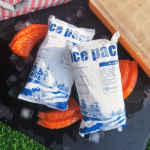
VIP transport containers for diagnostic kit shipping ensure that temperature sensitive diagnostic kits reach laboratories and patients in perfect condition. Diagnostic test kits often contain biological reagents that must stay between 2–8 °C or be frozen at –20 °C or –70 °C, yet traditional coolers often lose their thermal integrity after just a day. Up to half of vaccines are wasted worldwide because of cold chain breaks, and the same risk applies to expensive diagnostic kits. To protect these kits during transit, you need high performance packaging that combines vacuum insulated panels (VIPs) und Phasenwechselmaterialien (PCMs). A VIP transport container has walls that are only 10–15 mm thick but provide thermal insulation five to ten times greater than foam. Richtig verpackt, it can maintain a 2–8 °C environment for 3–7 days—long enough to reach remote clinics, Auch in heißen Klimazonen. Dieser Artikel, aktualisiert im Dezember 2025, explains why VIP containers are revolutionising diagnostic kit shipping and how you can make the most of this technology.
Dieser Artikel wird Ihnen helfen:
Understand why diagnostic kits need strict temperature control and how VIP transport containers work to maintain 2–8 °C for extended periods.
Learn how to pack and use VIP containers properly to meet WHO and DSCSA regulations.
Compare VIP containers with traditional foam boxes and active shippers, including hold time, Gewicht, Wiederverwendbarkeit, und Kosten.
Entdecken Sie das Neueste 2025 Trends in der Kühlkettenlogistik, wie IoT-Überwachung, Nachhaltigkeit, und regulatorische Änderungen.
Get practical tips and FAQs tailored to labs, point of care providers, and home testing enterprises.
What Makes a VIP Transport Container Ideal for Diagnostic Kits?
VIP containers are engineered to create a miniature refrigerated environment without power. They use high performance materials to achieve exceptionally low thermal conductivity, ensuring that diagnostic kits remain stable during transit:
Vakuumisolierte Paneele (VIPs): These panels consist of a microporous core sealed inside an airtight envelope. Removing air from the core significantly reduces heat transfer; Die Wärmeleitfähigkeit sinkt auf ca 0.004 W/m·K—ten times lower than expanded polystyrene foam. A typical VIP transport container uses 10–15 mm thick VIP walls, achieving hold times of seven to ten days.
Phasenwechselmaterialien (PCMs): PCMs are gel packs engineered to change phase at a specified temperature, such as 5 °C. When they melt or freeze, they absorb or release large amounts of heat, keeping the interior near the desired temperature. High quality VIP containers pair PCMs with VIP panels; Zum Beispiel, switching from foam to VIP reduced gel pack weight from 4 kg zu 1.5 kg while extending hold time from two days to nearly ten days.
Optimised design: VIP containers have a durable outer shell made from high density polyethylene (HDPE) or corrugated plastic that protects the contents from physical damage. Innen, trays or racks securely hold diagnostic kits in place, while moisture barrier pouches prevent condensation. The thin walls of VIP containers free up more interior space for kits or additional PCMs, enabling shipments of larger quantities without increasing external dimensions.
Thermal Performance and Real World Evidence
In controlled tests, a VIP transport container maintained 2–8 °C for up to 120 Std. (fünf Tage) in ambient temperatures of 35 °C, whereas foam coolers remained below 8 °C for only 24–48 hours. Während a 2024 immunisation campaign in Africa, VIP boxes kept vaccines around 5 °C for 72 hours despite outside temperatures reaching 35 °C. The combination of VIP panels and PCMs is so effective that ThermoSafe’s commercial VIP shippers dispense with foam insulation entirely, reducing refrigerant and freight costs.
Tisch 1 – Comparison of Insulation Materials
| Isolationstyp | Typische Wärmeleitfähigkeit (W/m · k) | Hold time for 2–8 °C payload | Praktische Bedeutung |
| Erweiterter Polystyrol (EPS) Schaum | ~0.03 W/m·K | 24–48 Stunden | Cheapest option but loses cold quickly; bulky walls reduce usable volume and generate waste |
| Polyurethanschaum (Pur) | ~0.02 W/m·K | 48–72 Stunden | Better insulation than EPS but still heavy; still not enough for long distance shipments |
| Vakuumisoliertes Panel (VIP) | 0.004 W/m · k | 72–240 Stunden | Maintains 2–8 °C for days; thin walls create more space; high upfront cost but reusable |
VIP containers clearly outperform foam coolers in terms of thermal performance and space efficiency. For high value diagnostic kits and vaccines, these advantages more than offset the higher initial cost.
Practical Advice for Choosing a VIP Transport Container
Match PCM melt point with payload: Select PCMs that melt around the desired shipping temperature (2–8 °C for most diagnostic kits). For shipments requiring –20 °C or –70 °C, special PCMs or dry ice are needed.
Verwenden Sie Datenlogger: Always include a calibrated temperature logger inside each container to document time temperature exposure and satisfy regulatory audits.
Check box certification: Ensure the container meets WHO PQS, ISta 7d, und gute Vertriebspraktiken (BIP) Standards. Certified VIP boxes provide assurance that they have passed drop tests and pressure tests required for shipping infectious substances.
Fallstudie: A pharmaceutical distributor replaced foam coolers with reusable VIP containers for diagnostic kit shipments. Gel refrigerant weight dropped from 4 kg zu 1.5 kg, hold time extended from two days to almost ten days, and emergency reshipments decreased by 80 %, saving thousands in logistic costs.
How to Use VIP Transport Containers for Diagnostic Kit Shipping
Proper packing is critical to achieve the promised hold time. Even the most advanced VIP container will fail if PCMs are not conditioned correctly or if the kit is exposed to ambient air during packing. Follow these steps to ensure safe shipping:
Pre condition the PCMs: Freeze or refrigerate PCM gel packs to the target temperature. For refrigerated kits, condition them at 2–8 °C for at least 24 Std.. Für gefrorene Sendungen, use –20 °C PCMs or dry ice and pre condition accordingly.
Stabilise the payload: Bring diagnostic kits to the appropriate shipping temperature before packing. According to PCR Biosystems, kits shipped with gel ice packs remain 2–8 °C for 48–120 hours, but only if the kits start at the correct temperature.
Arrange PCMs and payload: Place pre conditioned PCMs along the interior walls of the container. Install a rack or insert for diagnostic kit vials to avoid direct contact with gel packs, preventing hot or cold spots. For shipments requiring triple packaging (Category B infectious substances), ensure primary receptacles are leak proof and placed inside a secondary sealed pouch.
Include absorbent material and documentation: WHO Packing Instruction P650 requires absorbent material between primary receptacles and secondary packaging to contain leaks. The secondary packaging must pass a 95 kPa pressure test, and the entire package must withstand a 1.2 m drop without leakage.
Add the outer shell: Place the sealed secondary packaging inside the VIP container with PCMs. Fill any voids with cushioning to prevent movement. Schließen Sie den Deckel, attach tamper evident tape, and apply UN3373 label if shipping Category B specimens.
Monitor and document: Insert a temperature data logger or connected IoT sensor on the top layer. Seal the container and record serial numbers, time of packing, and identity of the packer for compliance documentation.
Tipp: Use a digital checklist or interactive tool to verify each step. A simple mobile app can remind users to pre condition PCMs, check packaging integrity, and log data before shipment. This reduces human error and strengthens compliance.
Additional Considerations for Categories of Diagnostic Kits
Non infectious or exempt specimens: Many home test kits do not contain pathogens, so they fall under the “exempt” category. They can be shipped without UN markings but still need temperature control to preserve reagent integrity.
Category B infectious substances: Swabs and blood samples destined for diagnostic testing are considered Category B (U3373). They must follow P650 packaging, which mandates triple packaging and quantity limits (1 L per primary container and 4 L per package for air transport).
Category A infectious substances: Highly infectious specimens (Z.B., Ebola) fall under Category A and require much more robust packaging and paperwork (UN2814/UN2900). VIP containers may still be used but must be integrated into certified triple packs.
Benefits of VIP Containers vs Traditional Options
Why Not Stick with Foam Coolers or Polystyrene Boxes?
While foam coolers are inexpensive and widely available, they come with significant drawbacks for high value diagnostic kits:
Short hold time: Foam boxes typically maintain 2–8 °C for only 24–48 hours. This is insufficient for transcontinental shipments, causing temperature excursions that spoil test reagents and require costly reshipments.
Bulky and heavy: Foam walls are thick (sometimes 2–5 cm), reducing internal volume. To achieve longer hold times, shippers add more gel packs, increasing weight and shipping costs.
Single use waste: Foam coolers are rarely reused due to contamination and damage, creating large volumes of non recyclable waste.
VIP containers overcome these limitations:
Verlängerte Haltezeit: With PCMs and VIPs, the interior stays between 2–8 °C for 3–10 days, eliminating most temperature excursions. Some VIP shippers even hold –20 °C or –70 °C for similar durations using specialty PCMs.
Slimmer walls and larger usable volume: The thin VIP walls (10–15 mm) leave more room for diagnostics, enabling you to ship more kits in the same footprint.
Wiederverwendbarkeit: High quality VIP containers are designed for dozens of trips. They feature rugged exteriors, smooth internal liners for easy cleaning, and replaceable PCM packs. Reusing containers reduces long term cost and environmental impact.
Comparing VIP, PCM Boxes and Active Containers
Active refrigerated containers are another alternative; they use electric compressors and fans to maintain temperature. While they offer precise control and large volumes, they are expensive and require power sources and battery management. PCMs alone (without VIPs) are cheaper than VIP containers but only hold temperature for 24–96 hours. Tisch 2 summarises the main differences:
| Containertyp | Hold Time at 2–8 °C | Gewicht & Größe | Power Needs | Wiederverwendung & Nachhaltigkeit |
| Schaumkühler | 24–48 h | Sperrig; heavy with gel packs | Keiner | Einmalgebrauch; hoher Abfall |
| PCM box (no VIP) | 24–96 h | Smaller than foam; moderate weight | Keiner | Some models reusable |
| VIP-Container | 72–240 h | Dünne Wände; lighter overall | Keiner | Sehr wiederverwendbar |
| Aktiver Container | 72–170 h | Large and heavy due to batteries/compressors | Requires external power or battery | Wiederverwendbar, aber teuer; complex maintenance |
VIP containers strike a balance between long hold time, lightweight design, und Wiederverwendbarkeit. Although initial costs are higher than foam, total cost of ownership decreases when accounting for fewer reshipments, reduced refrigerant and freight costs, und Vorteile für die Umwelt.
Environmental and Operational Impact
Nachhaltigkeit: Reusable VIP containers align with global efforts to reduce plastic waste and comply with the EU’s Ecodesign for Sustainable Products Regulation and circular economy initiatives. The reusable cold chain packaging market is projected to double from US$4.97 billion in 2025 auf 9,13 Milliarden US-Dollar 2034.
Reduced freight costs: Slim walls and less refrigerant reduce package weight, leading to lower transportation costs and carbon emissions. ThermoSafe reports that VIP shippers eliminate the need for foam shells and reduce refrigerant requirements.
Markenschutz: Temperature excursions harm diagnostic accuracy and credibility. VIP containers reduce the risk of compromised test results, protecting your brand and reducing liability.
Praktische Tipps und Empfehlungen
Calculate total cost: Compare the cost per shipment over multiple trips rather than unit purchase price. Factor in reduced reshipments, less refrigerant, and lower freight charges when using VIP containers.
Personal schulen: Proper conditioning and packing are essential. Provide clear instructions, Checklisten, and training videos to avoid errors.
Plan reuse logistics: Implement a return program to collect VIP containers from end users. Offer incentives or pre paid return labels to improve return rates.
Best Practices for Shipping Diagnostic Kits Safely
Complying with global regulations and maintaining product integrity requires more than just choosing the right container. Consider the following guidelines:
Einhaltung gesetzlicher Vorschriften und Dokumentation
WHO and IATA Packing Instructions: When shipping Category B infectious substances, adhere to Packing Instruction P650. This includes triple packaging, absorbent material, Und 95 kPa pressure resistance. For Category A (UN2814/UN2900), use more stringent packaging and follow airline-specific rules.
DSCSA-Fristen: In den Vereinigten Staaten, das Gesetz zur Sicherheit der Arzneimittelversorgungskette (DSCSA) imposes traceability and serialization requirements. Bis Mai 27 2025 manufacturers must comply, followed by wholesalers on August 27 and dispensers on November 27. Ensure your shipping documentation and barcodes align with these deadlines.
BIP & ISO-Standards: European GDP guidelines require that medicines and diagnostic kits are transported under controlled conditions with proper data logging and audits. ISO 13485 and GMP certification for packaging (such as the solutions offered by PackBeyond) provide additional assurance of quality and regulatory compliance.
Temperaturkontrolle und -überwachung
Verwenden Sie kalibrierte Datenlogger: 24/7 temperature monitoring is mandatory for cold chain compliance. Loggers provide digital records that prove shipments remained within specified ranges.
Planen Sie Verzögerungen ein: If shipments may be delayed, choose containers with longer hold times (VIP or active) and include extra PCMs. For specimens that cannot be analysed within 72 Std., store at –70 °C or below.
IoT-Sensoren integrieren: Modern VIP containers can embed IoT devices that provide real time location and temperature data. This transparency allows rapid intervention if excursions occur and aligns with emerging supply chain visibility requirements.
Packaging Integrity and Handling
Secondary containment: Use moisture barrier pouches and absorbent pads inside the VIP container to contain spills and reduce condensation. Secure the sample tubes in a custom tray to prevent breakage.
Beschriftung und Markierung: Attach the UN3373 diamond if applicable. Include “Biological Substance Category B” text and ensure labels are visible.
Sorgerechtskette: Document each handover point, from packing to delivery. This protects against loss and demonstrates compliance with DSCSA and GDP.
Tisch 3 – Packing Checklist for Diagnostic Kit Shipping
| Schritt | Was zu tun | Warum ist es wichtig |
| Pre condition PCMs | Freeze or chill PCMs to 2–8 °C, –20 °C oder –70 °C | Ensures immediate temperature control upon packing |
| Stabilise payload | Bring kits to shipping temperature before packing | Prevents sudden heat transfer that could melt PCMs or freeze kits |
| Assemble triple packaging | Primary leak proof container, absorbent material, secondary sealed pouch | Complies with P650 and prevents leaks |
| Place payload in VIP container | Insert PCMs along walls, secure the kit in central rack | Maximises insulation and prevents damage |
| Add data logger & Dokumentation | Record temperature, time and identity | Satisfies GDP, DSCSA and quality audits |
| Etikett & Siegel | Apply UN3373 label, tamper seal and shipping documents | Ensures proper handling and compliance |
2025 Trends and Innovations in Cold Chain & Diagnostic Kit Packaging
Marktwachstum und Treiber
The cold chain logistics market continues to expand rapidly. The pharmaceutical cold chain segment alone grew to US$10.04 billion in 2025, while the cold chain packaging sector is valued at US$28.9 billion and is projected to reach US$75 billion by 2032. Diagnostic kits contribute significantly to this growth due to the rise of home based and point of care testing. New biologics and cell and gene therapies represent about 30 % of the development pipeline, requiring ultra cold conditions.
Neue Technologien
Intelligente Sensoren und IoT: Data loggers have evolved into connected devices that transmit real time temperature, Luftfeuchtigkeit und Standortdaten. These sensors integrate with supply chain management platforms to offer predictive alerts and compliance documentation.
KI und Robotik: Automated warehouses use AI to optimise storage, retrieval and loading of cold chain shipments. Robots minimise human error and maintain consistent temperatures, while AI analyses data to predict issues.
Umweltfreundliche Materialien: Manufacturers are exploring biodegradable insulation materials and recyclable PCMs to reduce environmental impact. Regulations such as the EU’s Ecodesign for Sustainable Products Regulation encourage circular designs.
Modular packaging systems: Companies like PackBeyond offer modular trays, moisture barrier pouches and sterile blister packs tailored for diagnostic kits. These designs reduce waste, simplify assembly and improve user safety.
Regulierungslandschaft
Stricter traceability: DSCSA deadlines require digital traceability across the supply chain, including diagnostic kits. Expect more countries to adopt similar regulations, pushing packaging manufacturers to incorporate scannable barcodes and tamper evident seals.
Expanded Good Distribution Practices (BIP): GDP guidelines now apply to many diagnostic kits, requiring validated temperature controls and documentation.
Greater oversight of at home testing: As home testing becomes mainstream, regulators are focusing on packaging instructions and user safety. Packaging must be intuitive and protect components from contamination or misplacement.
Aktuelle Fortschritte auf einen Blick
Integration of AI with IoT sensors: Combining AI with real time data allows predictive maintenance of cold chain packaging and proactive alerts to prevent temperature excursions.
Sustainable VIP panels: Research is underway to produce VIP panels using recycled silica and bio based films, aiming to reduce carbon footprints while maintaining thermal performance.
Verbessertes Kundenerlebnis: Companies are adding QR codes on packaging that link to digital instructions, video tutorials and direct support, improving compliance and user satisfaction.
Häufig gestellte Fragen
Frage 1: Why are VIP transport containers necessary for diagnostic kits?
VIP containers maintain stable 2–8 °C conditions for several days, preventing temperature excursions that degrade reagents. Foam coolers only maintain temperatures for 24–48 hours, while VIP containers extend this to 3–10 days.
Frage 2: Can I use the same VIP container for frozen and refrigerated kits?
Ja, but you must change the PCM type and pre condition it properly. For refrigerated shipments use 2–8 °C PCMs; for –20 °C or –70 °C shipments use PCMs or dry ice that match the desired temperature.
Frage 3: Do I still need triple packaging if my diagnostic kit isn’t infectious?
NEIN. Exempt specimens don’t require UN markings or triple packaging. Jedoch, triple packaging is mandatory for Category B infectious substances (U3373). Im Zweifelsfall, follow P650 instructions to avoid penalties.
Frage 4: How often can I reuse a VIP container?
High quality VIP containers are designed for dozens of trips. Inspect the container after each use for damage, clean it thoroughly and replace any compromised PCMs. Following proper handling and cleaning protocols extends their lifespan.
Frage 5: What are the biggest risks to diagnostic kits during shipping?
Temperaturexkursionen, physischer Schaden, moisture exposure and regulatory non compliance are major risks. Choosing certified VIP containers, following packing instructions, and monitoring temperatures mitigate these risks.
Zusammenfassung und Empfehlungen
VIP transport containers enable you to ship diagnostic kits confidently, maintain strict temperature requirements, and comply with complex regulations. They use vacuum insulated panels to achieve thermal conductivities around 0.004 W/m·K—ten times lower than foam—and when combined with phase change materials they hold 2–8 °C for 3–10 days. Because they are reusable, they reduce long term cost and environmental impact. When switching from foam coolers to VIP containers, organisations have seen an 80 % reduction in emergency reshipments. Um anzufangen, follow best practices: pre condition PCMs, assemble triple packaging correctly, monitor temperatures with data loggers, and maintain detailed documentation. Staying up to date with 2025 regulations and trends—such as DSCSA deadlines, smart sensors and sustainable materials—will help you remain compliant and competitive.
Umsetzbare nächste Schritte
Audit your current shipping process to identify temperature excursions and waste. Estimate the cost of reshipments and consider upgrading to VIP containers if you ship high value or sensitive diagnostic kits.
Select the right VIP container based on the required temperature range, hold time and volume. Ensure that it meets WHO, GDP and ISO standards.
Schulen Sie Ihre Mitarbeiter on PCM conditioning, triple packaging, Etikettierung und Datenprotokollierung. Provide checklists and digital tools to support compliance.
Implementieren Sie IoT-Überwachung to track shipments in real time and integrate data into your quality management system.
Plan for container return and reuse, offering incentives for customers to send containers back. This maximises sustainability and cost savings.
Über Tempk
Tempk ist ein führender Anbieter innovativer Kühlkettenverpackungslösungen. We specialise in vacuum insulated panel (VIP) Behälter that maintain tight temperature ranges for extended periods, Daher sind sie ideal für Impfstoffe, Biologika und Diagnosekits. Our products are designed to meet WHO, BIP, ISO 13485 and GMP standards, with features such as rugged HDPE exteriors, customisable compartments, and integrated data logging. With a strong focus on sustainability, we support return reuse programmes and continually invest in research to develop thinner, lighter and more eco friendly materials. In 2025, the global cold chain packaging market is projected to grow significantly, and Tempk remains committed to leading this transformation.
Ready to protect your diagnostic kits? Contact us today for a personalised consultation and start shipping with confidence!