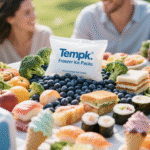
Was ist eine Kühlkette?? In einfachen Worten, Eine Kühlkette ist das System zur Lagerung und zum Transport von Produkten, die eine präzise Temperaturkontrolle erfordern. Es handelt sich um spezielle Ausrüstung, Überwachung und Prozesse zur Aufbewahrung von Gütern wie Impfstoffen, Frische Lebensmittel und Spezialchemikalien sind von der Produktion bis zum Verzehr sicher. Laut einem Branchenführer, Unter Kühlkettenlogistik versteht man die spezialisierte Lagerung und den Transport temperaturempfindlicher Güter und nutzt Geräte und Verfahren zur Aufrechterhaltung der erforderlichen Temperaturensecurityculture.com. Es sichert die Qualität, Sicherheit und Integrität, bis die Produkte ihren Bestimmungsort erreichen, Werterhalt und Schutz der öffentlichen Gesundheitsecurityculture.com.
Definition und Bedeutung: Warum die Temperaturkontrolle branchenübergreifend wichtig ist und wie eine Kühlkette funktioniert.
Kernkomponenten: die Lagerung, Transport, Verpackungs- und Überwachungstechnologien, die eine Kühlkette ermöglichen.
Schlüsselsektoren und Temperaturbereiche: die Branchen, die auf Kühlketten angewiesen sind, und die dafür erforderlichen Temperaturbereiche.
Best Practices, Herausforderungen und 2025 Trends: wie man eine robuste Kühlkette aufbaut, Entschärfen Sie häufige Probleme und bereiten Sie sich auf Innovationen wie künstliche Intelligenz und Nachhaltigkeit vor.
Am Ende dieses Artikels erfahren Sie, wie eine gut gestaltete Kühlkette Ihre Produkte schützt, reduziert Verschwendung und unterstützt die Compliance.
Was ist Kühlkettenlogistik??
Definition der Kühlkette
Eine Kühlkette ist eine durchgängige temperaturkontrollierte Lieferkette. Es umfasst alle Aktivitäten, die mit dem Transport temperaturempfindlicher Güter von der Produktion zum Verbrauch verbunden sind. Ein Glossar definiert Kühlkettenlogistik als die Verwaltung von Produkten, die während der Lagerung eine temperaturkontrollierte Handhabung erfordern, Transport und Vertrieb. Ziel ist es, in der gesamten Lieferkette einen bestimmten Temperaturbereich einzuhalten, um die Produktintegrität sicherzustellen. Ohne diese Präzision, Artikel wie Impfstoffe, Milchprodukte, Meeresfrüchte und sogar Blumen können ihre Wirksamkeit verlieren oder verderben.
Warum die Kühlkette wichtig ist: Temperaturschwankungen verschlechtern die Qualität, Sicherheit und Wert. Schon kurze Abweichungen können zu verdorbenen Lebensmitteln oder unwirksamen Medikamenten führen. Effektive Kühlketten bewahren die Produktqualität, ermöglichen die Einhaltung gesetzlicher Vorschriften und schützen die Gesundheit der Verbrauchersecurityculture.com. Kundenzufriedenheit und Markenreputation hängen von einer sicheren Lieferung ab, hochwertige Ware.
Bestandteile einer Kühlkette
Der Aufbau einer zuverlässigen Kühlkette erfordert mehrere ineinandergreifende Komponenten, Jedes ist darauf ausgelegt, Temperaturschwankungen und Produktschäden zu verhindern. Nachfolgend finden Sie einen Überblick über diese Elemente und ihre Bedeutung für Ihren Betrieb.
| Komponente | Beschreibung | Was es für Sie bedeutet |
| Temperaturkontrollierte Lagerung | Einrichtungen wie Kühllager, in kalten Räumen gehen, Schockfroster und mobile Einheiten sorgen für präzise Umgebungen in allen Temperaturzonen. Anspruchsvolle Isolierung, Lüftungs- und Überwachungssysteme gehören zum Standardsecurityculture.com. | Die Wahl des richtigen Speichers reduziert die Energieverschwendung, verlängert die Haltbarkeit und sorgt dafür, dass die Bestände den Vorschriften entsprechen. Erwägen Sie modulare Kühlräume oder skalierbare Lager von Drittanbietern, wenn Ihr Bedarf schwankt. |
| Spezialtransport | Kühlfahrzeuge, Isolierte Luftfrachtcontainer, Thermopaletten und Last-Mile-Kühler halten die Waren während des Transports innerhalb der erforderlichen Grenzen. | Investieren Sie in Fahrzeuge mit Bordkühlung, GPS und Sensoren. Optimierte Routen und Notfallpläne reduzieren Verzögerungen und Schäden. |
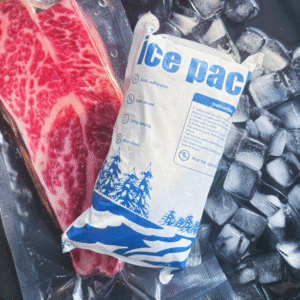
| Fortschrittliche Verpackung | Gelpackungen, Phasenwechselmaterialien, Isolierte Transportboxen und umweltfreundliche Materialien isolieren Produkte und verhindern Thermoschocks. | Wählen Sie die Verpackung je nach Dauer aus, Klima- und Produktempfindlichkeit. Nachhaltige Materialien können Abfall reduzieren und umweltbewusste Kunden ansprechen. |
| Überwachung & Verfolgung | Datenlogger, RFID-Sensoren, GPS- und IoT-Geräte liefern Echtzeitdaten zur Temperatur, Luftfeuchtigkeit und Standort. Cloud-Plattformen liefern Warnungen und Analysen. | Durch die kontinuierliche Überwachung können Sie schnell auf Abweichungen reagieren. Nutzen Sie Dashboards, um Ihre gesamte Lieferkette transparent zu machen und Compliance-Anforderungen zu erfüllen. |
| Standardarbeitsanweisungen (Sops) | Dokumentierte Abwicklung, Lade-/Entlade- und Vorfallreaktionsprotokolle sorgen für Konsistenz. Schulung des Personals und regelmäßige Kontrollen sind unerlässlichsecurityculture.com. | Entwickeln Sie auf Ihre Produkte zugeschnittene SOPs und schulen Sie Ihre Mitarbeiter regelmäßig. Klare Prozesse reduzieren menschliche Fehler und unterstützen die Prüfungsbereitschaft. |
Praktische Tipps zum Einrichten Ihrer Kühlkette
Bewerten Sie die Produktempfindlichkeit: Kategorisieren Sie Waren nach ihrem optimalen Temperaturbereich, indem Sie Richtlinien wie „Ultrakalt“ verwenden (−80°C bis −60°C), gefroren (−25°C bis −10°C), gekühlt (2 °C bis 8°C) und Ambiente (15 °C bis 25 °C). Diese Klassifizierung beeinflusst Ihre Ausrüstungsauswahl.
Investieren Sie in die richtige Infrastruktur: Modernisieren Sie Lagereinrichtungen mit effizienter Isolierung und Notstromversorgung. Erwägen Sie mobile Kühleinheiten für Ferneinsätze oder Notfälle.
Verwenden Sie intelligente Verpackungen: Integrieren Sie Gelpackungen, Phasenwechselmaterialien und isolierte Behälter zur Aufrechterhaltung der Temperatur bei Übergaben oder Lieferungen auf der letzten Meile.
Implementieren Sie eine kontinuierliche Überwachung: Setzen Sie IoT-Sensoren ein, Datenlogger und Cloud-Dashboards zur Verfolgung der Bedingungen in Echtzeit. Warnsysteme verhindern, dass kleinere Probleme zu kostspieligen Verlusten werden.
Dokumentieren und trainieren: Entwickeln Sie SOPs, die Routineabläufe und Notfallmaßnahmen abdecken. Schulen Sie alle an der Lagerung und Handhabung beteiligten Mitarbeiter, um Fehler zu reduzieren und die Verantwortlichkeit zu verbesserncdc.gov.
Fallbeispiel: Einem kleinen Biotech-Unternehmen, das Insulin versendet, gelang es, den Verderb durch den Einsatz von Kühlbehältern mit eingebauten Sensoren zu reduzieren. Durch die Überwachung der Temperaturen während des Transports und die Verwendung gelbasierter Verpackungen, Sie behielten einen konstanten Temperaturbereich von 2–8 °C bei, reduzierter Produktverlust und verbesserte Kundenzufriedenheit. Regelmäßige Mitarbeiterschulungen zu SOPs stellten die ordnungsgemäße Handhabung in jeder Phase sicher.
Warum die Kühlkette wichtig ist
Schutz der Produktqualität und -sicherheit
Bei der Kühlkette geht es um mehr als nur das Kühlhalten – es geht um den Werterhalt, Einhaltung von Vorschriften und Schutz der Verbraucher. Durch die Aufrechterhaltung der Temperaturkonsistenz wird das Wachstum von Mikroben verhindert, enzymatische Reaktionen und Potenzverlust. Verdorbene Ware führt zu Retouren, Beschwerden und verlorenes Vertrauen. In Branchen wie Pharma und Lebensmittel, Die Nichteinhaltung kann zu Geldstrafen oder Produktrückrufen führen.
Zu den Vorteilen gehören::
Verlängerte Haltbarkeit: Eine präzise Temperaturregelung verlangsamt den Verderb und erhält den Nähr- oder Therapiewert.
Vorschriftenregulierung: Einhaltung von Qualitätssicherungsstandards, Gute Verteilungspraktiken (BIP) und Lebensmittelsicherheitsvorschriften schützen Ihr Unternehmen vor rechtlichen Sanktionensecurityculture.com.
Öffentliche Gesundheit und Vertrauen: Die Lieferung unverfälschter Produkte stärkt das Engagement Ihrer Marke für die Verbrauchersicherheit und kann eine langfristige Loyalität fördernsecurityculture.com.
Branchen, die auf Kühlketten angewiesen sind
Mehrere Branchen sind auf Kühlketten angewiesen, um Produkte zu schützen und strenge Vorschriften einzuhalten. Wenn Sie die Nuancen jedes Sektors verstehen, können Sie maßgeschneiderte Lösungen finden und Fallstricke vermeiden.
| Industrie | Beispiele für Produkte | Typischer Temperaturbereichinboundlogistics.com | Bedeutung |
| Essen & Getränk | Frisches Fleisch, Meeresfrüchte, Molkerei, gefrorene Abendessen, frische Produkte | Gekühlt 2 °C–8 °C für frisches Fleisch und Milchprodukte; Gefroren –25 °C bis –10 °C für Tiefkühlkost | Verhindert Verderb, reduziert Lebensmittelverschwendung und sorgt für Lebensmittelsicherheit. Kühlketten ermöglichen die Integrität „vom Bauernhof bis zum Verbraucher“ und erfüllen die Nachfrage der Verbraucher nach Qualitätclickpost.ai. |
| Pharmazeutika & Gesundheitspflege | Impfungen, Insulin, Biologika, Blutplasma | Oft gekühlt 2°C–8°C; Einige Impfstoffe erfordern eine Ultrakälte von –80 °C bis –60 °C | Bewahrt Potenz und Wirksamkeit. Selbst kleine Temperaturschwankungen können dazu führen, dass Medikamente unwirksam werden, Daher ist die Einhaltung des BIP und der WHO-Richtlinien von entscheidender Bedeutungclickpost.ai. |
| Chemikalien & industriell | Industrielle Reagenzien, Spezialchemikalien | Die Reichweite variiert; Viele erfordern Kühle oder Umgebungstemperatur (15 °C–25°C) Bedingungen | Sorgt für Stabilität und verhindert gefährliche Reaktionen. Die Einhaltung der Gefahrstoffvorschriften ist von entscheidender Bedeutungclickpost.ai. |
| Blumen, Kosmetika & Spezialwaren | Blumen schneiden, High-End-Tees, kosmetische Seren | Gekühlt 2 °C–8 °C oder kühle Umgebung 15 °C–25 °C | Bewahrt ästhetische und funktionale Qualitäten. Durch die Aufrechterhaltung der Luftfeuchtigkeit und die Vermeidung von Temperaturspitzen werden Abfall und Retouren reduziertclickpost.ai. |
Key Takeaways: Der Lebensmittel- und Pharmasektor treibt die meisten Kühlketteninvestitionen voran, Aber auch aufstrebende Segmente wie der Blumen- und Facheinzelhandel sind stark auf die Temperaturkontrolle angewiesen. Indem wir die Anforderungen jedes Sektors verstehen, Sie können geeignete Geräte auswählen und SOPs entsprechend anpassen.
Praxisnahe Beratung für verschiedene Branchen
Lebensmittelproduzenten: Verwenden Sie Hochleistungs-Schockfroster und sorgen Sie für getrennte Zonen für gekühlte und gefrorene Waren, um Kreuzkontaminationen zu vermeiden. Überwachen Sie die Luftfeuchtigkeit, um die Produkte knusprig zu halten.
Pharmaunternehmen: Führen Sie redundante Kühleinheiten und Notstromgeneratoren ein. Statten Sie Sendungen mit IoT-Geräten aus, um die Nachverfolgung der Lieferkette sicherzustellen und den Anforderungen der Aufsichtsbehörden gerecht zu werden.
Chemiehersteller: Beachten Sie die Richtlinien zu gefährlichen Stoffen und investieren Sie in eine Verpackung, die Lecks verhindert. Führen Sie Temperaturprotokolle für Audits.
Blumen- oder Kosmetikeinzelhändler: Verwenden Sie isolierte Verpackungen mit Gel-Packs und planen Sie kürzer, häufigere Lieferungen, um die Frische zu gewährleisten. Die Echtzeitüberwachung hilft dabei, Routen je nach Wetter oder Verkehr anzupassen.
Praxisbeispiel: Ein mittelständischer Molkereiproduzent verlängerte die Haltbarkeit seiner Produkte durch die Investition in isolierte Palettenabdeckungen und mit Sensoren ausgestattete Kühlfahrzeuge. Die zusätzlichen Kosten wurden durch eine Reduzierung des Verderbs ausgeglichen 15% und die Einhaltung neuer Lebensmittelsicherheitsstandards. Kunden berichteten von frischeren Produkten, Verbesserung der Markentreue.
Aufbau einer effektiven Kühlkette
Schritte zum Entwerfen eines robusten Systems
Planen Sie die Produktreise: Identifizieren Sie alle Punkte, an denen eine Temperaturkontrolle erforderlich ist – von der Herstellung bis zum Endbenutzer. Verwenden Sie diese Option, um den geeigneten Speicher auszuwählen, Verpackung und Transport.
Temperaturanforderungen definieren: Beachten Sie die Branchenrichtlinien für jede Produktkategorie und wählen Sie Geräte aus, die diese Bereiche einhalten können.
Investieren Sie in die Infrastruktur: Rüsten Sie Lagerhallen mit energieeffizienter Isolierung und Notstrom auf. Erwägen Sie mobile Kühlräume für flexible Kapazitäten und abgelegene Standorte.
Wählen Sie die richtigen Transportmittel: Wählen Sie zwischen Kühlfahrzeugen, Triebwagen, Kühlschiffe oder Kühlketten-Luftfracht je nach Entfernung, Volumen und Kosten.
Führen Sie eine erweiterte Überwachung ein: Sensoren installieren, RFID-Tags und GPS-Systeme zur Verfolgung von Temperaturen und Standort während des Transports.
Erstellen Sie SOPs und schulen Sie das Personal: Verfahren zum Umgang mit Dokumenten, Notfallmaßnahmen und Qualitätskontrollen. Schulen Sie alle an Lagerung und Transport beteiligten Mitarbeitercdc.gov.
Auswahl des richtigen Temperaturbereichs
Durch die Auswahl geeigneter Temperaturkategorien können Sie die Infrastruktur an die Produktanforderungen anpassen. Die folgende Tabelle fasst gängige Bereiche und Beispiele zusammeninboundlogistics.com:
| Temperaturzone | Reichweite | Beispielprodukte | Auswirkungen bei unsachgemäßer Handhabung |
| Ultrakalt | −80°C bis −60°C | mRNA-Impfstoffe, fortschrittliche Biologika | Ein Potenzverlust kann Impfstoffe unwirksam machen und zu Wiederholungsimpfprogrammen führencdc.gov. |
| Gefroren | −25°C bis −10°C | Eiscreme, gefrorenes Fleisch, Meeresfrüchte, Impfstoffdosen | Durch teilweises Auftauen gefriert Feuchtigkeit wieder, Dies führt zu Texturveränderungen und Verunreinigungen. |
| Gekühlt | 2 °C bis 8°C | Frisches Fleisch, Molkerei, Früchte, allgemeine Arzneimittel | Außerhalb dieses Bereichs beschleunigt sich das Bakterienwachstum schnell, Verkürzung der Haltbarkeit. |
| Cool/Ambiente | 15 °C bis 25 °C | Kosmetika, Tabletten, Industriematerialien | Höhere Temperaturen verringern die Wirksamkeit; Niedrige Temperaturen können zur Kristallisation führen. |
Benutzertipps: Führen Sie für jede Charge ein Temperaturprotokoll und installieren Sie Alarme für Grenzwertüberschreitungen. Nutzen Sie bei Stromausfällen Ersatzkühlungsoptionen wie Trockeneis oder PCM-Packs. Beim Versand von Mehrtemperaturgütern, Trennen Sie sie mithilfe von unterteilten Containern.
Qualitätskontrolle und Compliance
Die Aufrechterhaltung einer effektiven Kühlkette erfordert mehr als nur Ausrüstung – sie erfordert auch eine strenge Qualitätskontrolle und die Einhaltung von Vorschriften.
Echtzeitüberwachung: Richten Sie kontinuierliche Umgebungsüberwachungssysteme ein, die Temperatur und Luftfeuchtigkeit in allen Phasen verfolgen. Cloud-Dashboards ermöglichen proaktive Interventionen.
Gefahrenanalyse und kritische Kontrollpunkte (Haccp): Verwenden Sie HACCP-Systeme, um Gefahren und Kontrollpunkte zu identifizierensecurityculture.com. Dieser systematische Ansatz reduziert Risiken und gewährleistet die Einhaltung von Lebensmittelsicherheitsstandards.
Vorschriftenregulierung: Befolgen Sie ISO9001 für das Qualitätsmanagement, Gute Vertriebspraktiken für Arzneimittel und internationale Transportprotokolle wie IATA-Richtliniensecurityculture.com. Das CDC stellt fest, dass eine wirksame Kühlkette für Impfstoffe auf gut geschultem Personal beruht, zuverlässige Ausrüstung und genaue Bestandsverwaltungcdc.gov.
Mitarbeiterschulung und SOPs: Entwickeln Sie schriftliche SOPs, die Routine- und Notfallverfahren umfassencdc.gov. Stellen Sie sicher, dass das gesamte Personal in diesen Verfahren und der Verwendung von Überwachungsgeräten geschult istcdc.gov.
Dokumentation: Führen Sie vollständige Temperaturprotokolle und Qualitätsberichte für Audits. Genaue Aufzeichnungen helfen beim Rückrufmanagement und weisen die Einhaltung der Vorschriften nach.
Herausforderungen und Best Practices
Häufige Herausforderungen in der Kühlkettenlogistik
Trotz technologischer Fortschritte, Kühlketten stoßen immer noch auf Hindernisse, die die Produktintegrität gefährden und die Kosten erhöhen können. Zu den Hauptthemen gehören:
Temperaturexkursionen: Verzögerungen beim Zoll, Fehlfunktionen der Ausrüstung oder schlechte Verpackung können dazu führen, dass Produkte außerhalb des erforderlichen Bereichs liegen. Zur Schadensbegrenzung gehört eine Echtzeitüberwachung, redundante Kühleinheiten und optimierte Routenplanung.
Vorschriftenregulierung: Strenge Vorschriften erfordern eine umfangreiche Dokumentation und Validierung. Die Nichteinhaltung kann zu Bußgeldern führen, Rückrufe oder rechtliche Schritte.
Hohe Betriebskosten: Der Betrieb einer Kühlkette ist aufgrund der speziellen Ausrüstung kapitalintensiv, Energieverbrauchs- und Überwachungssysteme. Zu den kostensparenden Maßnahmen gehört die Sendungskonsolidierung, Mehrwegverpackungen und Lageroptimierung.
Infrastrukturlücken: In Entwicklungsregionen mangelt es möglicherweise an ausreichenden Kühllagerungs- und Transportmöglichkeiten. Investitionen in mobile Einheiten oder die Zusammenarbeit mit Drittanbietern helfen, diese Lücken zu schließen.
Störungen der Lieferkette: Naturkatastrophen, Geopolitische Ereignisse und Pandemien können den Transport stoppen und Kühlketten unterbrechen. Der Aufbau von Widerstandsfähigkeit durch diversifizierte Lieferanten und Notfallpläne ist von entscheidender Bedeutung.
Best Practices zur Bewältigung von Herausforderungen
| Herausforderung | Best Practice | Wie es hilft |
| Temperaturexkursionen | Implementieren Sie Echtzeitüberwachungs- und Warnsysteme; Bauen Sie Redundanz in die Kühlausrüstung ein; Lieferwege optimieren. | Bietet sofortige Benachrichtigungen, wenn die Temperaturen abweichen, Dies ermöglicht schnelle Korrekturmaßnahmen und reduziert Produktverluste. |
| Vorschriftenregulierung | Führen Sie vollständige Temperaturprotokolle; Prozesse validieren; Bleiben Sie über branchenspezifische Vorschriften auf dem Laufenden. | Zeigt die Einhaltung bei Audits, reduziert rechtliche Risiken und sichert die Produktqualität. |
| Kostenmanagement | Sendungen konsolidieren; Investieren Sie in wiederverwendbare Verpackungen; Optimieren Sie die Lageraufteilung im Hinblick auf Energieeffizienz. | Reduziert die Betriebskosten und sorgt gleichzeitig für Produktintegrität und Nachhaltigkeit. |
| Infrastrukturlücken | Nutzen Sie mobile Kühleinheiten oder mieten Sie Lagerung und Transport an Dritte; Investieren Sie in erneuerbare Energiesysteme in abgelegenen Gebieten. | Erweitert die Abdeckung auf unterversorgte Regionen und verbessert die Widerstandsfähigkeit der Lieferkette. |
| Störungen der Lieferkette | Entwickeln Sie Notfallpläne; Halten Sie den strategischen Bestand aufrecht; Diversifizierung der Lieferanten und Transportarten. | Reduziert die Anfälligkeit für Störungen und stellt eine kontinuierliche Versorgung sicher. |
Regulatorische Überlegungen
Kühlkettenabläufe müssen verschiedenen internationalen Vorschriften entsprechen, nationale und branchenspezifische Standards.
ISO9001 und HACCP: Diese Rahmenwerke leiten Qualitätsmanagement- und Lebensmittelsicherheitsverfahrensecurityculture.com.
Gute Verteilungspraktiken (BIP): GDP regelt den Vertrieb von Arzneimitteln und stellt sicher, dass Arzneimittel einheitlich gehandhabt werden, um die Qualität aufrechtzuerhaltensecurityculture.com.
Internationale Transportprotokolle: Für Luftfracht, Die IATA-Vorschriften für verderbliche Fracht und die ATP-Zertifizierung für den Transport verderblicher Lebensmittel legen die Anforderungen an die Temperaturkontrolle festsecurityculture.com.
Impfberatung: Das CDC gibt an, dass eine Impfstoffkühlkette alle Geräte und Verfahren von der Herstellung bis zur Verabreichung umfasstcdc.gov. Der Schwerpunkt liegt auf der Schulung des Personals, zuverlässige Ausrüstung und genaue Bestandsverwaltungcdc.gov.
Die Einhaltung dieser Standards stellt nicht nur die Einhaltung sicher, sondern stärkt auch das Vertrauen der Kunden und minimiert Risiken.
2025 Trends und Innovationen in der Kühlkettenlogistik
Überblick über aufkommende Trends
Die Kühlkettenbranche entwickelt sich rasant weiter. Analysten gehen davon aus, dass der weltweite Markt für Kühlkettenlogistik von etwa 324 Milliarden US-Dollar im Jahr wachsen wird 2024 auf über 862 Milliarden US-Dollar 2032, Dies spiegelt eine durchschnittliche jährliche Wachstumsrate von etwa wider 13%. Mehrere Faktoren treiben dieses Wachstum voran, einschließlich neuer Verbraucheranforderungen, regulatorische Änderungen und technologische Fortschritte. Die folgenden Trends werden die Kühlkettenlogistik prägen 2025 und darüber hinaus:
Nachhaltigkeit und grüne Logistik: Kühlkettenvorgänge sind energieintensiv, und Unternehmen stehen zunehmend unter Druck, ihren CO2-Fußabdruck zu reduzieren. Von 2025, Innovationen in der grünen Logistik, Energiemanagement und Widerstandsfähigkeit gegenüber dem Klimawandel werden zum Standard. Die Einführung erneuerbarer Energiequellen, Biokraftstoffe und energieeffiziente Kühlsysteme tragen zur Emissionsreduzierung bei. Initiativen wie die Koalition „Move to -15°C“ fördern energieeffiziente Kühlung und gemeinschaftliche Nachhaltigkeitspraktiken. Investitionen in grüne Infrastruktur erfüllen nicht nur die Ziele der sozialen Verantwortung von Unternehmen, sondern senken auch die Betriebskosten.
Künstliche Intelligenz und Automatisierung: KI verändert den Lagerbetrieb, Routenplanung und Wartung. Im Artikel „Emergent Cold“ wird darauf hingewiesen, dass KI prädiktive Erkenntnisse zur Optimierung des Lagerbetriebs liefert, Reduzierung von Ausfallzeiten und Verbesserung der Bestandskontrolle. Roboter und automatisierte Systeme optimieren die Raum- und Energienutzung, während die vorausschauende Wartung Geräteausfälle vermeidet. Echtzeitüberwachung und IoT-Sensoren bieten dynamische Routenoptimierung und Gefahrenerkennung.
Digitale Sichtbarkeit und Nachverfolgung: Die Nachfrage nach besserer Transparenz treibt Investitionen in Echtzeit-Überwachungssoftware und Cloud-Plattformen voran. Maersk betont, dass Lieferketten stark in Software für Transparenz und Compliance investieren werden. Dazu gehört auch die Blockchain zur sicheren Aufbewahrung von Aufzeichnungen, GPS-Tracking für Sendungen und Analyse-Dashboards für eine proaktive Entscheidungsfindung. Eine verbesserte Sichtbarkeit verringert das Risiko und stärkt das Vertrauen der Kunden.
Sich weiterentwickelnde Produktportfolios: Der Aufstieg pflanzlicher Lebensmittel, Biologika und Spezialgüter erfordern eine Anpassung der Kühlketten an neue Temperaturprofile und Handhabungsanforderungen. Maersk betont, dass neue Produkte zu Veränderungen in den Anforderungen der Lieferkette führen werden, einschließlich mehr lokaler Beschaffung und dedizierter Kapazität. Unternehmen müssen Flexibilität in ihre Netzwerke einbauen, um mit unterschiedlichen Produkten umgehen zu können.
Infrastruktur-Upgrades und portzentrierte Verteilung: In die Jahre gekommene Anlagen werden durch automatisierte Anlagen ersetzt, energieeffiziente Lagerhallen. Größer, Hafenzentrierte Vertriebszentren reduzieren die Transitzeiten und die Umweltbelastung. Passend gebaut (BTS) Lösungen passen Kühllagereinrichtungen an spezifische Kundenbedürfnisse an. Durch die Auslagerung von Kühllagern können die Investitionsausgaben gesenkt und die Expansion beschleunigt werden.
Widerstandsfähigkeit und Antifragilität der Lieferkette: Die Pandemie, Extreme Wetterereignisse und geopolitische Spannungen haben die Notwendigkeit widerstandsfähiger Netzwerke unterstrichen. Unternehmen arbeiten mit Logistikanbietern zusammen, um Lieferketten zu integrieren und die Sichtbarkeit zu erhöhen. Sie pflegen außerdem strategische Lagerbestände und diversifizieren die Transportwege, um Störungen abzumildern.
KI und Echtzeitüberwachung
KI spielt eine zentrale Rolle in der Predictive Analytics, Automatisierung und Qualitätskontrolle. Laut Emergent Cold, KI optimiert Lagerlayouts, sagt den Wartungsbedarf voraus und verbessert die Sicherheit. Echtzeitdaten von IoT-Sensoren ermöglichen dynamische Anpassungen von Routen und Temperaturen, Abfall reduzieren. Die Integration mit der Blockchain gewährleistet eine manipulationssichere Dokumentation und verbessert die Rückverfolgbarkeit.
Nachhaltigkeit und grüne Initiativen
Grüne Logistik ist keine Option. Kühlkettenbetriebe müssen erneuerbare Energien nutzen und Emissionen reduzieren, um die globalen Klimaziele zu erreichen. Emergent Cold stellt fest, dass Unternehmen Biokraftstoffe einsetzen, Solar- und Windenergie in ihren Anlagen sowie den Einsatz effizienterer Kühltechnologien. Die Initiative „Move to -15°C“ zeigt, dass Branchenakteure zusammenarbeiten, um energieeffiziente Kühlung zu standardisieren. Zusätzlich, Die Reduzierung von Lebensmittelverlusten und -verschwendung ist von entscheidender Bedeutung; Der Artikel weist darauf hin, dass jedes Jahr über eine Milliarde Tonnen Lebensmittel verschwendet werden, Sie sind für 8–10 % der weltweiten Treibhausgasemissionen verantwortlich. Eine robuste Kühlkette hilft, dieses Problem zu lösen, indem sie die Produktqualität erhält und Verluste nach der Ernte reduziert.
Erweiterte Partnerschaften und Resilienz
Um der steigenden Nachfrage und Komplexität gerecht zu werden, Unternehmen gehen Partnerschaften mit Logistikdienstleistern und Technologieunternehmen ein. TQ Logistics betont, dass immer mehr Unternehmen die Kühlkettenlogistik mit Partnern integrieren, um die Sichtbarkeit und Zusammenarbeit zu verbessern. Der Aufbau von Antifragilität erfordert die Diversifizierung der Lieferanten, Investitionen in erweiterte Prognosen und die Aufrechterhaltung von Pufferbeständen. Die zukünftige Kühlkette wird kollaborativer sein, datengesteuert und anpassungsfähig.
Häufig gestellte Fragen
Q1: Was ist eine Kühlkette in einfachen Worten?? Eine Kühlkette ist eine temperaturkontrollierte Lieferkette, die alle Geräte und Verfahren zur Lagerung und zum Transport von Impfstoffen umfasst, Lebensmittel und andere temperaturempfindliche Gütercdc.gov. Es beginnt bei der Herstellung und endet mit der Auslieferung des Produkts an den Benutzer, Sicherstellen, dass die Produkte innerhalb ihres sicheren Temperaturbereichs bleiben.
Q2: Welche Branchen sind auf Kühlkettenlogistik angewiesen?? Essen und Getränk, Arzneimittel, Chemikalien, Die Kosmetik- und Blumenbranche ist allesamt auf Kühlkettenlogistik angewiesen. Jede Branche hat spezifische Temperatur- und Handhabungsanforderungen, um die Produktqualität und -sicherheit aufrechtzuerhaltenclickpost.ai.
Q3: Was sind übliche Temperaturbereiche in einer Kühlkette?? Zu den Gemeinschaftszonen gehört ultrakalt (−80°C bis −60°C) für mRNA-Impfstoffe, gefroren (−25°C bis −10°C) für Eis und Meeresfrüchte, gekühlt (2 °C bis 8°C) für frische Lebensmittel und Arzneimittel, und Ambiente (15 °C bis 25 °C) für Kosmetika und einige Industriematerialien. Die Auswahl des richtigen Sortiments sichert die Qualität und verhindert den Verderb.
Q4: Wie können Unternehmen die Kühlkettenkosten senken?? Sendungen konsolidieren, Investieren Sie in wiederverwendbare Verpackungen, Optimieren Sie Lagerlayouts im Hinblick auf Energieeffizienz und nutzen Sie gemeinsam genutzte Kühllager oder Kühllager von Drittanbietern. Diese Strategien senken die Betriebskosten ohne Einbußen bei der Qualität.
Q5: Welche technologischen Innovationen prägen die Kühlkettenlogistik? 2025? Künstliche Intelligenz, IoT -Sensoren, Blockchain und energieeffiziente Kühlung verändern die Branche. KI optimiert den Lagerbetrieb und die Routenplanung, während erneuerbare Energien und grüne Logistikinitiativen den CO2-Fußabdruck reduzieren. Verbesserte Sichtbarkeit und Kooperationspartnerschaften steigern außerdem die Widerstandsfähigkeit und Effizienz.
Zusammenfassung und Empfehlungen
Zusammenfassend, Eine Kühlkette ist ein umfassendes System zur Aufrechterhaltung sicherer Temperaturen für empfindliche Produkte von der Produktion bis zum Verbrauch. Durch die Kombination einer temperaturgesteuerten Lagerung, Spezialtransport, intelligente Verpackungen, Echtzeitüberwachung und gut gestaltete SOPs, Unternehmen können die Produktintegrität schützen und Vorschriften einhalten. Kritische Industrien – einschließlich Lebensmittel, Arzneimittel, Chemikalien und Spezialgüter – sind auf Kühlketten angewiesen, um den Verderb zu verhindern, Abfall reduzieren und die Gesundheit der Verbraucher schützen. Neue Technologien wie KI und Blockchain, zusammen mit Nachhaltigkeitsinitiativen und hafenzentrierten Vertriebszentren, verändern die Kühlkettenlandschaft.
Nächste Schritte:
Bewerten Sie Ihre aktuelle Kühlkette: Erfassen Sie die Temperaturanforderungen Ihrer Produkte und identifizieren Sie etwaige Lücken in der Infrastruktur oder Überwachung.
Investieren Sie in Technologie: Führen Sie IoT-Sensoren ein, Cloud-Dashboards und KI-gesteuerte Analysen für bessere Transparenz und vorausschauende Wartung.
Upgrade-Einrichtungen: Rüsten Sie Lagerhallen mit effizienter Isolierung und Systemen für erneuerbare Energien nach; Erwägen Sie bei Bedarf die Auslagerung an moderne Drittanbieter.
Trainieren und dokumentieren: Entwickeln Sie umfassende SOPs und schulen Sie das Personal regelmäßig. Führen Sie vollständige Temperatur- und Qualitätsaufzeichnungen für Audits.
Planen Sie Resilienz: Bauen Sie Partnerschaften auf, Diversifizierung der Lieferanten und Entwicklung von Notfallplänen zur Bewältigung von Störungen.
Wenn Sie Ihre Kühlkette modernisieren möchten, Jetzt ist es an der Zeit zu handeln. Wenden Sie sich an Experten, die Ihre Bedürfnisse beurteilen und maßgeschneiderte Lösungen empfehlen können.
Über Tempk
Tempk ist ein weltweit führender Anbieter von Kühlkettenlösungen, Wir bieten energieeffiziente Kühlgeräte an, modulare Kühllager- und Echtzeitüberwachungstechnologien. Unser Team vereint jahrzehntelange Erfahrung in der Logistik, Einhaltung technischer und behördlicher Vorschriften, um Unternehmen dabei zu helfen, die Produktintegrität aufrechtzuerhalten und Abfall zu reduzieren. Wir konzentrieren uns auf Nachhaltigkeit, indem wir erneuerbare Energien und umweltfreundliche Verpackungen in unsere Lösungen integrieren. Mit Einrichtungen und Partnern in ganz Nordamerika, Europa und Asien, Wir liefern skalierbare Systeme, die mit Ihren Anforderungen wachsen.
Aufruf zum Handeln: Kontaktieren Sie unsere Experten, um Ihre Kühlkettenanforderungen zu beurteilen und einen maßgeschneiderten Plan zu erhalten. Ob Sie die Infrastruktur aktualisieren müssen, Integrieren Sie KI-gesteuerte Überwachung oder verbessern Sie die Einhaltung gesetzlicher Vorschriften, Tempk ist hier, um zu helfen. Lasst uns einen sichereren Ort schaffen, Gemeinsam eine umweltfreundlichere Kühlkette.