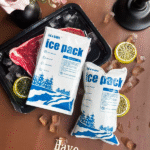
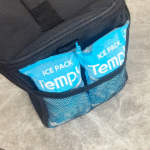
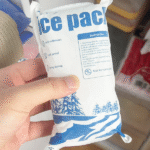
When you’re nursing a swollen knee, having the right ice gel pack for knee injuries can speed up your recovery and keep pain in check. A well made gel pack molds comfortably around the joint, and you can use it for 15–20 Minuten at a time to reduce swelling and pain without risking skin damage. In diesem umfassenden Leitfaden, you’ll learn where to buy high quality gel packs, how to choose the right style, und wie man sie sicher verwendet. You’ll also discover the newest products and market trends for 2025 and how they benefit your healing journey.
Dieser Leitfaden wird antworten
Where can you buy an ice gel pack for knee injuries? We compare brick and mortar pharmacies, sporting goods stores, online retailers and specialty vendors so you can find the best match for your needs.
What makes a good ice gel pack for knees? We break down size, Form, Materialien, reusability and fit—so you know exactly what to look for.
How do you use a gel pack safely? Learn the RICE method and time limits on cold therapy to avoid frostbite and accelerate healing.
What are the latest innovations and trends in 2025? Explore new technologies like ergonomic gel sleeves, instant packs and smart cold therapy devices, plus market insights on growth and sustainability.
Häufig gestellte Fragen. Get quick answers to common queries about duration, long term use, and whether ice or heat is better.
Why Use Ice Gel Packs for Knee Injuries?
Ice gel packs are more than just convenience items; they’re an essential tool in the recovery toolkit. Kalttherapie—also known as cryotherapy—works by constricting blood vessels (Vasokonstriktion), which reduces internal bleeding and swelling while numbing pain. Compared to rigid ice bags, gel packs stay flexible even when frozen, allowing them to conform to the knee’s contours for even coverage. Here’s why a gel pack should be your go to for knee injuries:
Effective pain relief and swelling reduction. Applying ice for 15–20 minutes at a time decreases pain by slowing nerve conduction and reduces inflammation.
Superior fit and comfort. Gel packs contain materials like silica gel and sodium polyacrylate that remain pliable when frozen, so they wrap easily around the joint.
Wiederverwendbar und umweltfreundlich. Unlike single use instant packs, reusable gel packs can be refrozen and used hundreds of times, Abfall reduzieren.
Längere Kühldauer. The gel mixture freezes quickly and melts slowly, maintaining a constant temperature and providing extended cooling compared to plain ice.
How Cold Therapy Helps Your Knee Heal
When you press an ice gel pack to an injured knee, your body responds quickly. Blood vessels constrict, limiting fluid build up and reducing swelling. The skin and underlying nerves cool down, dulling pain and lowering muscle spasm. Research shows that cold therapy can even enhance muscle strength and function. In einer Studie, patients who received 20 minute ice massage sessions five days a week for three weeks saw a 29 % Zunahme in quadriceps strength. Jedoch, you must follow safe guidelines: don’t apply ice longer than 20 Minuten auf einmal, and wait at least 1–2 hours before reapplying.
Where Can You Buy Ice Gel Packs for Knee Injuries?
A key question for anyone dealing with knee pain is where to find a reliable gel pack. The good news is that a wide array of retailers—both physical and online—carry gel packs in various styles and price points. Below you’ll find the main categories and what each offers.
Physical Pharmacies and Drugstores
Local pharmacies like CVS, Walgreens and Rite Aid carry an assortment of reusable gel packs and disposable instant packs. These stores are ideal if you need a pack immediately or want to feel the product before purchasing. Vorteile:
Immediate availability without shipping delays.
Staff assistance for product questions.
Ability to examine packaging for size and material.
Nachteile: Stock may be limited, especially for specialized knee wraps or larger sizes.
Sportartikelgeschäfte
Stores such as Dick’s Sporting Goods and Academy Sports & Outdoors often sell sports specific gel packs or wraps designed for knees and ankles. These options may include adjustable straps or compression sleeves that secure the pack in place. Vorteile:
Selection of performance oriented packs with ergonomic designs.
Options bundled with compression sleeves or knee braces.
Nachteile: Prices can be higher than standard drugstore packs. Selection may cater more to athletes than post surgery patients.
Medical Supply Shops
Specialty medical suppliers—both online and physical—offer high quality gel packs with features like leak proof seams, medical grade materials and durable coverings. These packs are ideal for post surgery recovery or chronic conditions and often include doctor recommended brands.
Vorteile: Premium quality, specialized sizes and shapes for the knee, and expert guidance on product choice.
Nachteile: Higher cost and sometimes limited local availability.
Online -Händler
Online marketplaces like Amazon, Walmart, Target and direct to consumer brands provide a vast array of gel packs. Shopping online allows you to compare prices, features and customer reviews from the comfort of your home. Many companies offer free shipping and easy returns, and some provide subscription services for replacement gel packs or accessories.
Vorteile: Wide selection, competitive pricing and doorstep delivery.
Nachteile: Inability to feel the product before purchase; shipping times may vary.
Comparing Purchase Options
Choosing where to buy often depends on urgency, budget and personal preference. The following table compares typical purchase channels to help you decide.
| Purchase Channel | Typical Price Range | What It Means for You |
| Pharmacy/Drugstore | $5–$25 per pack | Quick purchase for emergencies; limited variety but good for basic packs |
| Sporting Goods Store | $15–$50 per kit | Höhere Qualität, ergonomic designs with straps; ideal for athletes and active individuals |
| Medical Supply Store | $20–$60 per pack | Medical grade materials and sizes tailored for surgery recovery and chronic conditions |
| Online Retailer | $8–$40 per pack (often with discounts) | Largest variety and customer reviews; allows price comparison but requires waiting for shipping |
Practical Tips for Buying Gel Packs
Check the dimensions. Make sure the pack is large enough to cover the entire knee area without overhanging. A typical knee gel pack measures 10–12 inches long and 5–6 inches wide.
Examine materials. Look for non toxic gels like silica gel or hydroxyethyl cellulose. Avoid packs with latex if you have sensitivities.
Ensure flexibility when frozen. The pack should remain soft enough to wrap around the knee; flexible PVC or nylon covers are good choices.
Opt for adjustable straps. Straps or sleeves keep the pack in place so you can move around without holding it.
Look for dual use products. Many gel packs double as heat packs when microwaved, which is useful for chronic conditions once swelling subsides.
Fallstudie: After knee arthroscopy, Sarah bought a medical grade gel pack with an integrated sleeve. She purchased it from an online medical supplier. The pack’s ergonomic design allowed her to continue light walking while icing. Within one week, her swelling subsided, and she used the same pack for heat therapy to ease stiffness.
How to Choose the Right Ice Gel Pack for Your Knee Condition
Different knee injuries call for different types of gel packs. Zum Beispiel, a sprain sustained during basketball differs from post operative recovery after meniscus surgery. Understanding the features and purpose of each type helps you make an informed decision.
Types of Gel Packs
Standard flat packs: These are rectangular or square packs that offer broad coverage. They’re versatile and can be used on various body parts.
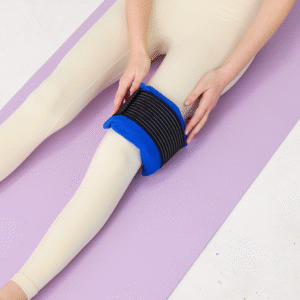
Contoured knee packs: Shaped to follow the knee’s anatomy and often include straps. These provide better fit and stay in place even when you move.
Gel bead packs: Filled with small beads that conform more closely to the knee’s curves. Bead packs are more flexible and can hold temperature longer.
Compression wraps with gel inserts: Combine cold therapy and compression. Many physical therapists recommend these for post operative patients to manage swelling and improve circulation.
Instant cold packs: Single use packs that activate through chemical reaction, perfect for emergencies or travel.
Factors to Consider When Choosing
The following table summarises the critical factors and how they influence your experience.
| Faktor | Worauf Sie achten sollten | Wie es Ihnen hilft |
| Größe & Form | A pack that covers the entire knee without overlapping other areas | Ensures even cooling and comfort |
| Materialqualität | Ungiftig, latex free gels and durable fabric covers | Prevents skin irritation and leakage |
| Flexibilität | Gel remains pliable when frozen | Allows the pack to contour to your knee for better contact |
| Wiederverwendbarkeit | Für mehrere Verwendungen entwickelt, microwavable if needed | Cost effective and environmentally friendly |
| Riemen & Fasteners | Adjustable Velcro or elastic bands | Keeps the pack securely positioned so you can move around |
| Dual Hot/Cold Function | Pack can be heated in the microwave or cooled in the freezer | Vielseitig; useful for both acute injuries (kalt) and chronic stiffness (Hitze) |
Praktische Szenarien und Empfehlungen
Post surgery recovery: Opt for a contoured knee wrap with compression straps. The gentle pressure reduces swelling and improves lymphatic drainage.
Sports injuries: A standard or bead pack with durable straps works well. You can secure it in place during active recovery or on the sidelines.
Chronic knee pain or arthritis: Choose a dual function pack. Start with cold therapy during flare ups and switch to heat when stiffness sets in. Consult your healthcare provider for personalized guidance.
Travel or outdoor activities: Keep a few instant cold packs in your kit. They activate quickly and provide immediate relief.
Real Life Example: Markieren, an avid trail runner, suffered a knee strain during a marathon. He used an instant cold pack on the course to manage pain. Back home, he switched to a reusable bead pack with an adjustable sleeve. The bead pack’s flexibility molded around his kneecap, allowing him to continue daily activities while icing.
How to Use Ice Gel Packs Safely for Knee Injuries
Knowing how to apply the pack correctly is just as important as choosing the right one. Misuse can lead to skin damage, nerve injury or delayed healing. Here’s a step by step guide to safe cold therapy.
Prepare the pack. Freeze your reusable gel pack for at least two hours or keep instant packs in your first aid kit. Ensure a thin cloth or towel is ready to serve as a barrier.
Protect your skin. Place a thin towel between your skin and the gel pack to avoid frostbite. Never apply the pack directly to bare skin.
Limit application time. Keep the pack on for 15–20 Minuten. Exceeding this duration may cause tissue damage.
Elevate and rest. Combine ice with the rest of the RICE method—Rest, Eis, Kompression, Elevation—to reduce swelling and promote healing.
Warten Sie zwischen den Sitzungen. Wait at least one to two hours before reapplying the gel pack. Using ice too often can lead to skin damage or slow healing.
Observe the skin. Stop immediately if you experience intense burning, numbness or skin discoloration. These are signs of cold injury.
Switch to heat when appropriate. Nach dem ersten 48 Std., some injuries benefit from gentle heat to promote blood flow and flexibility.
Recommended Cold Therapy Schedule
| Stage of Injury | Duration per Session | Frequenz | Nutzen Sie Ihnen |
| Erste 24 Std. (acute phase) | 15–20 Minuten | Jeder 2 Std. | Reduces swelling and pain; prevents excessive bleeding |
| 24–48 Stunden | 15–20 Minuten | 3–4 times per day | Manages inflammation while tissues begin healing |
| Nach 48 Std. | 15 Minuten | Nach Bedarf | Switch to heat for stiffness; continue icing only if swelling persists |
Pro Tips for Safe Usage
Check the temperature: The pack should feel cold but not painfully so. If it’s too cold, wrap it in an extra layer of cloth.
Don’t sleep with the pack: Falling asleep with a cold pack can lead to frostbite. Set a timer to remove it.
Stay attentive to feedback: Ice therapy follows the CBAN sensation progression—Cold, Burn, Ache, Numb. When you reach the numb phase, remove the pack.
Tatsächlicher Fall: A 63 year old patient applied an ice pack for 40 minutes straight after knee surgery. Instead of relief, he experienced numbness and a blister—classic signs of frostbite. After seeing a clinician, he switched to 15 minute sessions with a towel barrier and recovered smoothly. This highlights why time limits are essential.
Latest Developments and Trends in Ice Gel Packs and Cold Therapy (2025)
The cold therapy market is evolving rapidly, with innovative products and shifting consumer preferences shaping how we manage knee injuries. Here’s a look at what’s new in 2025.
Market Growth and Demographics
The global hot and cold therapy market is geschätzt bei $1.557 Milliarden in 2025 und wird sich voraussichtlich mehr als verdoppeln 2035 mit a 7.8 % durchschnittliche jährliche Wachstumsrate. In den USA, Der Markt wird voraussichtlich erreichen $380.75 Millionen von 2028, reflecting increasing demand for convenient, non invasive pain relief. This growth is fueled by an aging population and higher rates of chronic musculoskeletal conditions. Younger consumers—especially Gen Z and millennials—are also embracing at home wellness products to avoid pharmaceutical side effects.
Product Innovations
Ergonomic designs with targeted coverage: Modern gel packs are shaped to fit around knees and other joints perfectly. They may include cut outs for the kneecap, adjustable straps and flexible gels that remain soft even when frozen.
Gel bead technology: Small beads inside the pack increase flexibility and maintain temperature longer, providing a comfortable, massaging effect.
Compression sleeves with integrated gel inserts: These dual function devices combine cold therapy and compression, improving swelling control and comfort. They’re popular for post operative care and sports recovery.
Instant hot/cold packs: Single use packs are gaining shelf space thanks to their convenience, especially for travel or first aid kits. Cross merchandising with fitness and pharmacy products is boosting their visibility.
Smart cold therapy machines: Devices that circulate chilled water through knee cuffs offer continuous cooling. While costly, they’re becoming more accessible and are used by professional athletes and post surgical patients.
Sustainability and Local Manufacturing
Tariffs on imported materials and consumer demand for eco friendly products are driving manufacturers to source domestically. Companies like Rapid Aid are expanding North American manufacturing, reducing reliance on overseas supply chains and improving transparency. Locally made gel packs support responsible labor practices and reduce carbon footprints, aligning with growing environmental awareness.
Markteinsicht
Aging population: The number of people aged 60+ will more than double to 1.6 Milliarden von 2050. Older adults often live with chronic pain, increasing demand for accessible, non invasive therapies.
Sedentary lifestyles: Increased screen time and desk jobs contribute to musculoskeletal disorders across all age groups, driving interest in simple home remedies like gel packs.
Holistic health trends: Consumers prefer natural solutions over pharmaceuticals, leading to growth in at home cold therapy products.
Product variety: Options now range from multi use bead packs to specialized packs for the knee, Schulter, ankle and other joints.
Häufig gestellte Fragen
Q1: Where can I buy an ice gel pack for knee injuries near me?
You can purchase gel packs at local pharmacies, sporting goods stores or medical supply shops. Pharmacies offer basic packs, while sporting goods stores and medical suppliers carry specialized wraps. Many consumers also buy online for greater selection and convenience; just check product dimensions and materials before ordering.
Q2: Is a gel pack better than a traditional ice bag for knee injuries?
A gel pack tends to mold more comfortably around your knee and remains flexible even when frozen. Traditional ice bags may cool faster initially, but gel packs deliver longer, more even cooling and are reusable. Both can be effective if used correctly for 15–20 minutes at a time.
Q3: How long should I apply an ice gel pack to my knee?
Most experts recommend 15–20 minutes per session. Apply a thin cloth between your skin and the pack and wait at least one to two hours before reapplying. Exceeding the time limit can cause frostbite or tissue damage.
Q4: Can I use a gel pack for both cold and heat therapy?
Many reusable gel packs are designed for dual use. They can be frozen for cold therapy or microwaved for heat. Cold therapy is best for acute injuries and swelling, whereas heat therapy helps relieve stiffness after the first 48 Std.. Always follow manufacturer instructions when heating.
Q5: What’s the difference between instant cold packs and reusable gel packs?
Instant packs activate through a chemical reaction, require no freezing and are ideal for emergencies. They’re single use and convenient for travel or sports. Reusable gel packs need freezing but can be used repeatedly, making them cost effective and environmentally friendly.
Schlussfolgerung und nächste Schritte
Having the right ice gel pack for knee injuries can make a significant difference in your recovery. Um es noch einmal zusammenzufassen::
Choose wisely. Berücksichtigen Sie die Größe, Flexibilität, Materialien, reusability and straps when selecting a gel pack. An ergonomic design that molds around your knee will provide the best relief.
Buy from the right retailer. Pharmacies are perfect for quick purchases, sporting goods stores offer performance oriented packs, medical supply shops carry premium options and online retailers provide the widest selection at competitive prices.
Sicher verwenden. Always place a cloth between your skin and the pack, limit use to 15–20 minutes and wait at least an hour before reapplying.
Bleib informiert. Innovationen in 2025 include ergonomic gel beads, instant packs and smart cold therapy machines. The market is growing rapidly due to an aging population and a desire for natural pain relief.
Ready to find the perfect gel pack? Use the buying tips and retailer comparisons above, and remember to consult a healthcare professional if your knee pain persists or if you have any underlying medical conditions.
Über Tempk
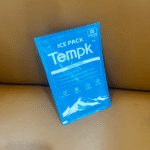
Tempk is a leader in cold chain products specializing in high quality ice gel packs, cold therapy sleeves and temperature controlled transport solutions. Wir develop gel packs using non toxic, eco friendly materials that remain pliable even at freezing temperatures. Our knee specific packs feature ergonomic contours and adjustable straps, ensuring comfortable, hands free compression. Zusätzlich, our products often include dual function capabilities, providing both cold and heat therapy to suit different stages of recovery. Egal, ob Sie sich von der Operation erholen, managing chronic pain or treating acute injuries, Tempk’s reliable and reusable gel packs can support your healing process.
Aufruf zum Handeln: If you’re unsure which gel pack is right for you or need custom cold therapy solutions, reach out to the Tempk team for personalized advice and product recommendations.