20 fabricante de hieleras para vacunas de un litro: De la etiqueta de capacidad al sistema listo para el campo
Un programa de compras defendible para 20 litro fabricante de cajas de hielo para vacunas sigue una secuencia: definir el producto y el carril, convertir el tamaño nominal en un mapa de carga, seleccione el paquete completo, revisar la evidencia específica de la configuración, ejecutar un piloto y bloquear los controles de producción. Esa secuencia está diseñada para equilibrar la carga útil utilizable., peso cargado, frecuencia de apertura y prevención de congelación mientras se mantienen las adquisiciones, calidad, operaciones y finanzas sobre los mismos hechos.
El marco integrado siguiente trata cada afirmación importante como condicional a la exactitud 20 hielera para vacunas de un litro, refrigerante, carga útil, perfil ambiental y procedimiento operativo. También establece puertas de cambio para que una sustitución o revisión de la producción de menor costo no pueda alejar silenciosamente el producto entregado de la evidencia utilizada para la aprobación..
Cree un requisito de envío de una página antes de la revisión del proveedor
Muchos programas de vacunas refrigeradas funcionan en un rango de almacenamiento de entre 2 °C y 8 °C., pero las condiciones aprobadas para la vacuna específica y el mercado deben controlar el embalaje.. Para distribución portátil de vacunas en formato nominal de veinte litros., el resumen de requisitos debe indicar los límites del producto, exposición de ruta, carga útil y la decisión de recepción antes del 20 Se compara la caja de hielo para vacunas de un litro.. Algunos productos son especialmente sensibles a la congelación., por lo que agregar más refrigerante congelado no es automáticamente más seguro. Definir el rango de temperatura aceptable, reglas de excursión, sensibilidad a la congelación, Orientación de la carga útil y decisión de recepción antes de pedir a los proveedores que recomienden una configuración.. Sin esos limites, una cotización sólo puede describir el hardware, no idoneidad.
Mapee la ruta como una secuencia de exposiciones en lugar de un único tiempo de tránsito. Incluir acondicionamiento y puesta en escena antes del envío., retrasos en la carga, entrega de vehículo o carga aérea, almacén habitar, aduanas, entrega de última milla y el tiempo antes de que el receptor abra el paquete. La duración máxima estimada debe incluir perturbaciones realistas., no sólo el tiempo de viaje previsto por el transportista. Asignar un propietario para aprobar el requisito antes de que comience el trabajo de diseño..
Registre el resultado en el resumen de envío utilizado para la distribución portátil de vacunas en un formato nominal de veinte litros.. Para distribución portátil de vacunas en formato nominal de veinte litros., registrar también las dimensiones de la carga útil, masa termal, fragilidad del embalaje primario, orientación requerida y el número de veces que se puede abrir la tapa. El tamaño nominal de 20 litros no es la carga útil utilizable. refrigerante, divisores, almohadillas protectoras, el espacio aéreo y un registrador de datos consumen volumen, y la geometría restante puede importar más que los litros principales.
Aprobar carga útil utilizable, no la etiqueta de 20 litros
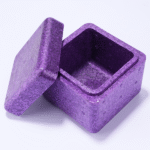
El tamaño nominal de 20 litros normalmente describe una envoltura interna bruta o clase de comercialización., no es el espacio disponible para el producto después de crear un paquete funcional. Capacidad para el 20 La nevera para vacunas de un litro debe aprobarse a partir de un mapa de carga física., no solo del volumen del catálogo. Preguntar por largo interno, ancho y alto en los puntos utilizables más estrechos, incluyendo intrusiones en la tapa, paredes cónicas, pozos de rueda, manijas o divisores. Luego cree un mapa de carga a escala con los paquetes primarios reales y el refrigerante..
La capacidad utilizable tiene una dimensión térmica.. Reemplazar el producto con aire vacío cambia la capacidad calorífica y el movimiento del aire.; El exceso de embalaje puede bloquear la exposición prevista al refrigerante o aplastar el embalaje primario.. La carga útil de prueba representativa debe coincidir con el envío de producción en geometría., masa y condición inicial lo más cercanamente posible. Una botella de agua o un bloque de metal puede ser conveniente., pero no debe tratarse como equivalente sin justificación. Publicar el mapa de carga como parte controlada de la especificación comercial..
Guarde el plano de carga aprobado con el 20 especificación de la caja de hielo para vacunas de un litro. Para uso en campo de vacunas, el peso cargado y el acceso son tan importantes como el volumen. El personal puede llevar la caja., ábrelo repetidamente, Retire pequeñas cantidades y vuelva a tapar bajo presión de tiempo.. Una caja nominal más grande puede aumentar la masa del refrigerante y la carga de manipulación. Evaluar la unidad completamente cargada, secuencia de apertura, organización del vial o del cartón, Barrera de prevención de congelación y capacidad de leer etiquetas sin dejar la tapa abierta más tiempo del necesario..
Utilice un formato de 20 litros sólo después de la revisión de ajuste de ruta.
Un formato nominal de 20 litros puede ser conveniente para llevar en la mano., rutas de vehículos y estantes estandarizados, pero la etiqueta no define el peso cargado ni el recuento de carga útil. Compara el cubo externo, posición del mango, centro de gravedad y comportamiento de apilamiento con el embalaje real. Una caja compacta con aislamiento grueso puede contener menos producto; una caja de paredes delgadas puede ofrecer más espacio pero requiere una estrategia térmica diferente. Los paquetes de vacunas compactos son sensibles al contacto directo con el frío y a la carga parcial.; barreras, El refrigerante acondicionado y la organización de la carga útil deben permanecer consistentes con la configuración evaluada..
Cree al menos dos mapas de carga cuando el programa tenga tamaños de pedidos mixtos.. Hacer que el criterio específico del tema forme parte del registro de diseño y control de cambios.. Una configuración de carga parcial puede necesitar un llenado de huecos controlado o una disposición de refrigerante diferente para que el producto no se mueva y la respuesta térmica siga siendo representativa.. No permita que los operadores improvisen agregando paquetes aleatorios, papel o cajas vacías.
Confirme cómo se abre la tapa en el área de trabajo real y si el usuario puede recuperar el artículo requerido sin descargar toda la caja.. Para rutas de campo o de múltiples entregas, un organizador interno simple puede reducir el tiempo de apertura y los errores de manejo, pero se convierte en parte de la configuración calificada y debe controlarse como cualquier otro componente. Convertir el riesgo específico del tema en un criterio de aceptación medible para el 20 hielera para vacunas de un litro.
Una práctica escalera de evidencia de proveedores
Un fabricante capaz debería solicitar detalles de ruta y carga útil antes de prometer rendimiento.. La revisión del fabricante debe aclarar lo que se suministra., Lo que solo se recomienda y lo que sigue siendo responsabilidad de calificación del comprador.. El soporte útil puede incluir dibujos., descripciones de materiales, listas de componentes, sugerencias de paquetes de muestra, explicaciones de condiciones de prueba, especificaciones de producción y comunicación de control de cambios.. El alcance exacto varía, por lo que el comprador debe definir qué entregables se requieren en lugar de asumir que todos los fabricantes brindan el mismo servicio de ingeniería..
Pídale al proveedor que distinga los hechos verificados de las recomendaciones.. Se puede comprobar directamente un dibujo acotado. Un reclamo térmico necesita la carga útil, configuración del refrigerante, método de acondicionamiento, ubicaciones de sensores, perfil ambiental, Límites de aceptación e informe de prueba.. Una declaración como "grado farmacéutico" no es suficiente a menos que esté vinculada a un material definido., solicitud y documento de respaldo. Aprobar al proveedor tanto en base a la evidencia del producto como a la comunicación de cambios continuos..
Escriba el límite de soporte acordado en la solicitud de cotización y el registro de aprobación del proveedor.. La pregunta más reveladora suele ser qué haría que el proveedor rechazara su propia recomendación.. Las respuestas creíbles pueden incluir una ruta indefinida, carga útil excesiva, precondicionamiento inadecuado, contacto directo con refrigerante congelado, una duración requerida más allá de la evidencia disponible, o un producto químico de limpieza que sea incompatible con el material.. Los límites muestran juicio técnico; Las afirmaciones de idoneidad universal lo ocultan..
Vincular las condiciones de prueba a la especificación comercial.
Un útil informe térmico identifica la revisión exacta de la caja., método de acondicionamiento y refrigerante, carga útil o simulante, ubicaciones de sensores, perfil ambiental, duración de la prueba, rango de aceptación y resultado. evidencia para el 20 La caja de hielo para vacunas de un litro tiene sentido solo cuando la revisión probada y la configuración comercial son las mismas.. sin esos detalles, un tiempo de espera establecido no se puede comparar de manera justa. Pregunte si el informe representa una prueba de diseño., una prueba de calificación, una verificación de campo o una demostración de marketing; cada uno apoya un nivel diferente de confianza.
Los perfiles térmicos estándar pueden respaldar la comparación en el laboratorio, pero no reproducen automáticamente las peores condiciones en un carril específico. Ruta de permanencia, Retrasos aduaneros, Las prácticas de exposición estacional y traspaso aún necesitan revisión., y los programas de alto riesgo pueden requerir calificaciones específicas para el carril. ISTA 7E puede soportar pruebas y comparación de contenedores de transporte aislados, mientras se usa con estándar 20 añade un marco definido de cualificación y documentación. Aún es necesario decidir si un perfil de paquete estándar se ajusta al modo y al riesgo reales.. Conecte el informe de prueba a los dibujos., identidades de componentes y controles de compra.
Herramientas útiles para tomar decisiones
Comprueba los detalles antes de elegir el embalaje.
Estas herramientas rápidas pueden ayudarle a comparar el riesgo de la ruta, necesidades de dimensionamiento, opciones de refrigerante, y detalles del embalaje antes de solicitar una cotización.
Revestimiento de caja & Dimensionamiento de la cubierta de paleta
Lógica de tamaño de revestimiento de cajas y cubiertas de paletas para proyectos de embalaje aislado.
Estimar el tamañoSelector de embalaje
Compare las opciones de embalaje aislado por producto, ruta, y necesidad de temperatura.
encontrar embalajerefrigerante & Referencia PCM
Compare las opciones de refrigerante y PCM cuando una ruta necesite soporte de temperatura adicional.
Comparar opcionesVincular el informe, datos sin procesar y mapa de sensores con precisión 20 Revisión de la caja de hielo para vacunas de un litro.. Los programas de vacunas deben alinear las instrucciones de transporte con la guía de productos actual., Requisitos de las autoridades sanitarias locales y el programa de vacunación responsable.. Monitoreo de temperatura, El manejo de excursiones y los procedimientos de embalaje documentados son parte del sistema operativo., decoraciones no opcionales. El equipo de control de temperatura debe ser apropiado para la decisión que se toma., mantenido y calibrado bajo el sistema de calidad de la organización. El archivo de datos, base de tiempo, identidad del sensor, Los límites de alarma y el registro de revisión deben conservarse cuando el valor del envío o el contexto regulatorio requieran evidencia..
| Puerta de aprobación | decisión a tomar | Liberar evidencia |
|---|---|---|
| Puerta 1: requisitos | Producto aprobado, Resumen de ruta y carga útil para la distribución portátil de vacunas en un formato nominal de veinte litros. | Propietario nombrado y entrada firmada |
| Puerta 2: elección de diseño | intención de producción 20 hielera para vacunas de un litro y paquete completo | Dibujo, lista de componentes y revisión de riesgos |
| Puerta 3: evidencia | La configuración de prueba coincide con la especificación comercial. | Protocolo, datos e informe |
| Puerta 4: piloto | Los operadores y receptores pueden ejecutar el proceso. | Registro de prueba, desviaciones y acciones |
| Puerta 5: ampliar | Los controles de producción y las reglas de cambio permanecen conectados | Especificaciones de lanzamiento y revisión continua |
Esta ruta de aprobación integra decisiones comerciales y técnicas para el 20 fabricante de hieleras para vacunas de un litro; La profundidad de la puerta debe seguir siendo proporcional al riesgo del envío..
Conecte los controles del proveedor con los controles del operador
Uso rutinario del 20 La hielera para vacunas de un litro depende del acondicionamiento., asamblea, Entregar, Pasos de recepción e inspección que los operadores pueden repetir.. Comience con una muestra representativa, no es una unidad de sala de exposición. Comprobar dimensiones, alineación de la tapa, fuerza de cierre, contacto de junta, defectos superficiales, olor, acceso de limpieza, drenaje si está presente, Adhesión de etiquetas y ajuste de cada componente del paquete.. Cargar la carga útil real o un equivalente justificado, luego ejecute el acondicionamiento planificado, Proceso de embalaje y seguimiento con los operadores que lo utilizarán..
La instrucción de trabajo debe definir el acondicionamiento del refrigerante., acondicionamiento de la caja cuando sea necesario, orden de carga, posición del separador, ubicación del sensor, controles de cierre, colocación de etiquetas, Entregar, Inspección de recepción y escalada de desviación.. Utilice fotografías o diagramas que reduzcan la ambigüedad.. La capacitación debe incluir ensamblajes incorrectos comunes para que el personal pueda reconocerlos., no sólo la secuencia correcta. Cierre el ciclo de aprobación con capacitación de operadores y recepción de comentarios.
Al recibir, inspeccionar el estado físico antes de abrir, capturar el estado del registrador, Verifique el sello o el indicador de manipulación si se usa y registre permanencias o daños inusuales.. Hacer que el procedimiento sea práctico para las personas que hacen las maletas., llevar, limpiar y recibir la caja. Una excursión de temperatura es una decisión de calidad., no es motivo para que el operador del almacén adivine. Las reglas de cuarentena y escalamiento deben identificar quién revisa los datos., Información del producto e historial de envío..
Apruebe el valor a través de una vista total del programa
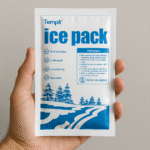
El coste comercial incluye más que la caja vacía.. El modelo de costos para el 20 La nevera para vacunas de un litro debe separar el trabajo único del proyecto de los gastos recurrentes de embalaje y operación.. Los elementos recurrentes pueden incluir refrigerante., separadores, revestimiento, etiquetas, registradores de datos, cajas exteriores, paletización, limpieza, inspección, transporte de regreso, almacenamiento y reemplazo. Los costos únicos o del proyecto pueden incluir el trabajo de diseño., estampación, muestras, dibujos, moldes, accesorios de prueba, estudios termicos, documentación de calidad y carreras de calificación. Solicite al proveedor que separe estas categorías..
Una caja de menor precio puede generar un mayor costo del programa cuando usa más refrigerante, reduce la carga útil, llega de manera inconsistente, se rompe durante el manejo o requiere más tiempo del operador. En cambio, una construcción de mayor costo no es automáticamente mejor si la ruta es corta, unidireccional y de bajo riesgo. Compara opciones con la misma carga útil, perfil ambiental, Ciclo de manipulación y criterios de aceptación.. Utilice puertas de costos para que los cambios comerciales tardíos no invaliden el trabajo técnico..
Normalice las cotizaciones antes de comparar el valor total del 20 hielera para vacunas de un litro. Para programas reutilizables, calcular el costo por completado, Envío aceptable en lugar de costo por caja.. Incluir tasa de retorno, pérdida, trabajo de limpieza, inspección, reparar, almacenamiento, reposicionamiento y jubilación. Las afirmaciones de sostenibilidad deben utilizar el mismo límite del sistema. Un contenedor duradero que rara vez se devuelve o se transporta de manera ineficiente puede no generar el beneficio financiero o ambiental esperado..
Preguntas frecuentes
¿Cuáles son las principales puertas de aprobación para 20 abastecimiento del fabricante de la caja de hielo para vacunas de un litro?
Utilice puertas separadas para los requisitos del producto y de la ruta., selección de diseño, revisión de evidencia, ejecución piloto y lanzamiento de producción. Cada puerta debe identificar al propietario., exacto 20 configuración de la caja de hielo para vacunas de un litro, registro requerido y riesgo no resuelto. Esto evita que el progreso comercial avance más rápido que la aprobación técnica..
¿Cómo puede el paquete probado permanecer conectado al comprado? 20 Caja de hielo para vacunas de un litro para distribución portátil de vacunas en un formato nominal de veinte litros.?
Vincular el informe de prueba a dibujos controlados por revisión, lista de materiales, especificación de fuente fría, mapa de carga y controles de producción para el 20 hielera para vacunas de un litro. Las órdenes de compra y los planes de inspección para la distribución portátil de vacunas en un formato nominal de veinte litros deben hacer referencia a la misma configuración.. Cualquier sustitución o cambio de proceso debe evaluarse antes de su aceptación..
¿Qué debería demostrar un piloto antes de ampliarlo??
El piloto debe demostrar que los operadores pueden acondicionar los componentes., ensamblar el paquete, cargar la carga útil, colocar el registrador, cerrar la caja, gestionar las entregas y completar la revisión de la recepción para la distribución portátil de vacunas en un formato nominal de veinte litros. Registre las desviaciones y convierta las lecciones en instrucciones controladas antes de la producción de rutina..
¿Cómo se debe aprobar el mapa de carga de una caja de 20 litros??
Mostrar la orientación exacta del producto, fuentes de frío, separadores, Piezas de control de vacío y posición del sensor., usando la intención de producción 20 hielera para vacunas de un litro. Vincular el dibujo a la lista de materiales y al informe de prueba.. Cambios que alteran la masa de la carga útil, el espaciamiento o el contacto con fuentes de frío deben pasar por una revisión de riesgos antes del uso rutinario.
¿Cuál es la decisión comercial final para el 20 hielera para vacunas de un litro previa aprobación técnica?
Normalizar la configuración, alcance del servicio, evidencia, base de embalaje y entrega, luego compare el valor total del programa. Seleccione el fabricante que pueda suministrar el aprobado. 20 caja de hielo para vacunas de un litro consistentemente, Comunicar cambios y respaldar el modelo operativo sin extender los reclamos más allá de la evidencia disponible..
Conclusión
La ruta de aprobación integrada para 20 El fabricante de la hielera para vacunas de un litro es secuencial.: definir límites de productos y rutas, construir el mapa de carga, elige el paquete completo, revisar la evidencia, ejecutar un piloto, bloquear los controles de producción y monitorear el uso rutinario. Cada puerta debe preservar el vínculo entre las especificaciones comerciales y el rendimiento técnico..
Trate cada reclamo importante como específico de la configuración y cada material, proceso, carga útil o cambio de ruta como motivo para revisar el riesgo. Esa disciplina hace que 20 caja de hielo para vacunas de un litro más fácil de entrenar, auditoría, escalar y mejorar sin depender de afirmaciones universales no respaldadas.
Acerca de Tempk
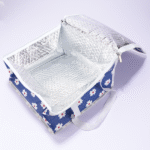
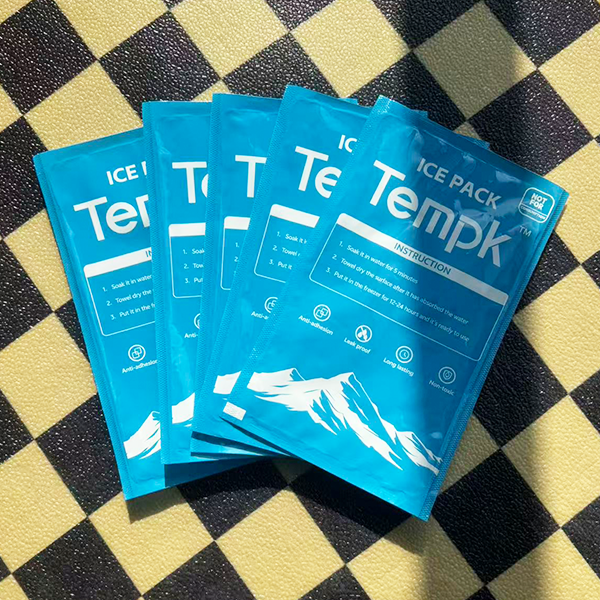
Tempk ayuda a los compradores a pasar de un resumen de ruta y carga útil a uno más preciso. 20 Muestra de caja de hielo para vacunas de un litro y especificaciones comerciales.. Su alcance de producto incluye cajas de hielo médica, Formatos de refrigeradores EPP y VIP, fuentes de frío de gel y cambio de fase, bolsas aisladas y revestimientos, y protección térmica a nivel de palet. La discusión útil comienza con la condición objetivo., geometría de carga útil, ruta, método de embalaje, Modelo de limpieza o devolución y la evidencia requerida antes de la ampliación.. Para esto 20 Proyecto de fabricación de cajas de hielo para vacunas de un litro., Cualquier recomendación final aún debe confirmarse con los límites de producto del cliente., condiciones de prueba y proceso de calidad.
Envíale a Tempk el 20 mapa de carga de la caja de hielo de la vacuna de un litro, enrute los supuestos y los documentos requeridos para construir una revisión más precisa de la muestra a la producción.