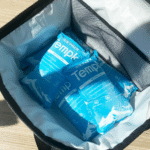
Una guía práctica B2B para obtener geles refrigerantes reutilizables para la cadena de frío del kit de comidas
El gel refrigerante reutilizable adecuado puede resolver un problema de transporte real, pero solo cuando se elige como parte de un diseño de envío completo. Los compradores de kits de comida y entrega directa de alimentos al consumidor suelen intentar proteger un producto a través de una ruta específica., no simplemente comprar algo frío. Es por eso que las decisiones de abastecimiento más importantes comienzan con la carga útil., la ruta de envío, y la forma en que realmente se acondicionará y cargará el paquete.
Un proveedor puede parecer atractivo sobre el papel y aun así no encajar bien si la geometría del producto es incorrecta., la película es débil, el método de condicionamiento es vago, o el proceso comercial permite una desviación de las especificaciones entre la muestra aprobada y el lote de producción. La mejor pregunta no es "¿Qué paquete es más grande?"?" sino "¿Qué diseño se puede repetir a escala sin crear riesgos térmicos o de manipulación evitables??"
El gel refrigerante reutilizable forma parte del sistema de cadena de frío del kit de comida que también incluye aislamiento., tamaño del cartón, colocación de producto, y recibir suposiciones. Los kits de comida viven o mueren según la realidad rutinaria de los paquetes: tiempos límite de cumplimiento, estancia de fin de semana, hora del porche, y el hecho de que el destinatario no siempre está en casa.
Lo que debes esperar de este producto.
Un comprador que busca un fabricante de kits de comida en gel refrigerante reutilizables suele buscar un refrigerante flexible que pueda mantener el rango de temperatura previsto sin que el embalaje sea complicado., húmedo, o inconsistente. eso suena simple, pero en la práctica la elección correcta depende de cuatro factores relacionados: la sensibilidad a la temperatura de la carga útil, la duración de la ruta, El embalaje aislado alrededor del refrigerante., y la capacidad del proveedor de reproducir la misma especificación cada vez.
Para kits de comida y entrega de alimentos directa al consumidor, Eso significa que debes juzgar el producto como parte de un sistema de envío que funcione.. Un buen paquete o envoltura de gel debe adaptarse a la geometría de la carga útil., condición predecible, sobrevivir al manejo, y llegar sin crear desorden o confusión evitables. También debe provenir de un proveedor que pueda explicar cómo se debe utilizar el diseño en lugar de dejar que su equipo adivine..
Cómo encaja en un paquete real
La primera pregunta de selección no es quién puede vender un gel refrigerante reutilizable. Es donde se ubicará el refrigerante en relación con la carga útil.. Si el producto está empaquetado demasiado cerca del artículo, puedes crear sobreenfriamiento localizado. Si está empaquetado demasiado lejos, Es posible que desperdicies masa fría y aun así no alcances el rango de temperatura objetivo.. Por eso los proveedores experimentados preguntan sobre las dimensiones internas de la caja., geometría de carga útil, temperatura del producto al empacar, tipo de aislamiento, y el perfil de tránsito esperado antes de recomendar un formato.
Porque tu búsqueda se centra en un formato de pack general, La decisión de compra generalmente se reduce a la facilidad con la que el paquete se puede repetir en múltiples tamaños de cajas y rutas.. En la práctica, Los compradores suelen comparar cuatro enfoques de diseño.:
- Envolturas flexibles o celdas unidas cuando el objetivo es una cobertura de superficie amplia alrededor de las bandejas, paso, bolsas secundarias, o cajas compactas.
- Paquetes tipo almohada o bolsa plana cuando el empaque es simple y la repetibilidad importa más que el ajuste al contorno..
- Ladrillos rígidos cuando se utilizan bucles repetidos., estructura más fuerte, o los perfiles de sujeción más largos justifican el espacio y el peso extra.
- Hielo seco o medios ultracongelados solo cuando el producto realmente necesita un servicio de congelación o ultrafrío y el equipo está equipado para manejar las implicaciones operativas y de etiquetado adicionales..
Esta comparación es importante porque muchas fallas evitables comienzan con una geometría incorrecta en lugar de una química incorrecta.. Un paquete puede tener suficiente energía fría total sobre el papel y aun así fallar porque deja vacíos cálidos., toca la carga útil demasiado agresivamente, o complica el montaje rápido y repetible en la línea.
Por qué son importantes la química del gel y la estructura de la película
Un paquete de gel de envío funciona mediante cambio de fase y transferencia de calor., no a través del lenguaje de marketing. Los paquetes de gel estándar a base de agua generalmente absorben calor a medida que pasan por la fase de fusión., por eso se utilizan a menudo para apoyar la distribución refrigerada.. Algunos proveedores también ofrecen fórmulas especiales con un comportamiento de congelación suprimido o eutéctico más bajo para el servicio de congelados.. La información pública sobre productos de los grandes fabricantes de cadenas de frío muestra ambos tipos en el mercado., Es por eso que un comprador nunca debe asumir que cada paquete de gel se comporta de la misma manera solo porque el exterior es similar..
La elección de la película es igualmente importante. Los paquetes comerciales se venden comúnmente en polietileno., laminado de nailon, polinylon, u otras películas flexibles seleccionadas por su durabilidad y comportamiento de sellado. Las películas más resistentes pueden mejorar la resistencia a las perforaciones y ayudar a que la mochila sobreviva en las curvas., cargas útiles densas, y ciclos de congelación repetidos. Algunos proveedores comercializan exteriores multicapa o con revestimiento textil que reducen la condensación en la superficie.. Otros ofrecen conceptos amigables con el drenaje destinados a una eliminación más sencilla después de su uso.. Esas opciones son valiosas., pero solo cuando se ajustan a las necesidades reales del carril en lugar de agregarse como elementos decorativos.
Para una revisión técnica, hacer tres preguntas materiales. Primero, ¿Qué es el medio de refrigeración interno y para qué comportamiento de temperatura está diseñado?? Segundo, ¿Qué estructura de la película?, rango de espesor, y el patrón de sello se utilizan para contenerlo.? Tercero, ¿Cómo se comporta el paquete después de múltiples ciclos de congelación y descongelación o después de la compresión contra la carga útil?? Esas respuestas le dirán mucho más que una afirmación genérica de que el paquete es reutilizable o no tóxico..
Cumplimiento y documentación: qué es relevante y qué no lo es
Los equipos de adquisiciones a menudo escuchan las palabras conforme, calificado, y validado utilizado de manera demasiado vaga. Un paquete de gel por sí solo no suele ser un reclamo de cumplimiento.. El cumplimiento se sitúa en el nivel del sistema y del proceso.: el requisito de almacenamiento etiquetado del producto, el diseño de embalaje en capas, la ruta, la instrucción de trabajo, y los registros que respaldan la ejecución consistente. Es por eso que los compradores cuidadosos piden a los proveedores documentación que coincida con la solicitud en lugar de pedir una promesa vaga de que el paquete es de “calidad farmacéutica”.
Herramientas útiles para tomar decisiones
Comprueba los detalles antes de elegir el embalaje.
Estas herramientas rápidas pueden ayudarle a comparar el riesgo de la ruta, necesidades de dimensionamiento, opciones de refrigerante, y detalles del embalaje antes de solicitar una cotización.
Referencia del material aislante
Compare opciones de materiales aislantes para diferentes necesidades de embalaje de la cadena de frío.
Comparar materialesRevestimiento de caja & Dimensionamiento de la cubierta de paleta
Lógica de tamaño de revestimiento de cajas y cubiertas de paletas para proyectos de embalaje aislado.
Estimar el tamañoCalculadora de bolsa de hielo
Estimación de la cantidad de bolsas de hielo en gel para envíos refrigerados y planificación práctica de rutas.
Estimar las bolsas de hieloLos documentos de proveedores más útiles suelen ser sencillos y operativos.: especificación del producto, guía de acondicionamiento, información sobre el material o la seguridad cuando sea relevante, dimensiones y tolerancias de peso de relleno, identificación del lote, y una declaración clara de lo que cambiará si se revisa el diseño del producto.. Los compradores que solicitan información básica con anticipación tienden a evitar la desagradable sorpresa de volver a calificar un paquete porque nunca se comunicó un cambio de fabricación aparentemente menor..
Puntos de selección que más importan
Comience con la geometría. Un resumen es útil cuando la cobertura alrededor de la carga útil es importante.. Una bolsa es útil cuando es importante apilar de forma limpia y repetir la colocación.. Un ladrillo más rígido puede ayudar en bucles retornables o de mayor duración, pero ocupa más espacio. Una vez que el formato es correcto, pasar a los detalles que realmente controlan el desempeño repetido: tolerancia de peso de relleno, estructura de la película, calidad del sello, método de acondicionamiento, y cómo se comporta el paquete al final del tránsito en lugar de al inicio.
Luego pregunte si el proveedor comprende la aplicación.. En kit de comida y entrega de alimentos directo al consumidor, El problema rara vez se resuelve agregando el paquete más frío posible.. Se soluciona haciendo coincidir el refrigerante con el producto y la ruta para evitar tanto el calentamiento como el sobreenfriamiento innecesario.. Ahí es donde un proveedor capaz se vuelve más valioso que un precio inicial bajo..
Qué deben preguntar los compradores antes de realizar un pedido al por mayor
La mayoría de los errores de compra ocurren antes de que llegue el primer palé. La cita puede parecer clara., pero los detalles operativos aún son confusos. Una lista corta práctica debería hacer que esos detalles salgan a la luz. Haz preguntas como estas:
- Dimensiones internas y externas, no solo nombres de tamaño nominal
- Masa de enfriamiento utilizable real o peso de llenado, y qué tan estrictamente se controla eso
- Material y estructura de la película., especialmente si la resistencia a la perforación o la facilidad de limpieza son importantes
- Diseño del sello y si el paquete tiene puntos débiles en los pliegues., esquinas, o soldaduras
- Instrucciones de acondicionamiento y las suposiciones detrás de ellas sobre el congelador o el enfriador.
- Apilabilidad, anidando, o eficiencia de devolución si planeas reutilizar los paquetes
- Comportamiento de la superficie durante la descongelación si la condensación puede dañar las etiquetas, cajas de cartón, o papeleo
- Evidencia de que los paquetes de muestra y los paquetes de producción se construyen según las mismas especificaciones.
- Si el productor controla el llenado, caza de focas, y controles de calidad finales internos o subcontratados pasos críticos
- Cómo se bloquean las especificaciones de muestra antes de ampliarlas, incluyendo tolerancia de peso de relleno y control de versión del material
- ¿Qué opciones personalizadas son realistas?, como el tamaño, forma, película, imprimir, estilo de esquina, o diseño de celdas vinculadas
- Cómo cambia la fórmula del gel., proveedor de película, o la configuración del sello se comunican
- Si el fabricante puede admitir ejecuciones piloto, muestras retenidas, o pruebas de ruta antes del lanzamiento completo
- Practicidad de acondicionamiento y recongelación.
- Eficiencia de retorno si los paquetes se reutilizan en circuitos cerrados
- Cómo se comportan los paquetes cuando están llenos de proteínas y se producen en la misma caja
Un proveedor no necesita responder todas las preguntas con una presentación refinada.. Pero la conversación debería revelar si la empresa entiende la idoneidad de las aplicaciones., disciplina de producción, y repetibilidad a largo plazo. Si las respuestas siguen siendo vagas, el riesgo de compra está volviendo a su lado de la mesa.
Cómo implementar sin adivinar
Una vez que reduzca la lista corta, pasar del lenguaje de un folleto a un plan de implementación simple. Comience con la carga útil real y la ruta que más le interese. Definir la banda de temperatura objetivo, el tiempo de tránsito esperado, y la probable exposición en el peor de los casos. Luego pruebe el paquete de gel dentro de la configuración aislada real en lugar de como un elemento independiente.. Un piloto debe comparar al menos dos pesos y dos posiciones de paquetes antes de bloquear una lista de materiales..
El objetivo de la implementación no es crear un programa de validación masivo para cada envío.. Es para eliminar la incertidumbre del carril específico que genera la mayor parte de su volumen o la mayor parte de su riesgo.. Si el proveedor puede ayudar con esa transición del concepto al paquete repetible, la relación ya es más valiosa que la compra de un producto básico.
Preguntas frecuentes
¿Puede funcionar un gel refrigerante reutilizable sin aislamiento??
Generalmente no está en un programa comercial confiable.. Los paquetes de gel funcionan mejor cuando forman parte de un sistema de envío aislado diseñado teniendo en cuenta la ruta y la carga útil..
¿Cómo deberían los compradores al por mayor comparar a los proveedores??
Comparar el control de especificaciones, guía de acondicionamiento, consistencia desde la muestra hasta la producción, y la capacidad del proveedor para analizar su ruta real, no solo el precio cotizado.
¿Los envases reutilizables son siempre la mejor opción??
No siempre. La reutilización solo crea valor cuando la logística de devolución, limpieza, capacidad del congelador, y el manejo inverso son realistas. De lo contrario, puede resultar más práctico un formato de un solo uso o de fácil eliminación..
Comida final para llevar
El gel refrigerante reutilizable adecuado es el que se adapta a su producto, tu ruta, y su modelo operativo con la menor cantidad de compromisos evitables. Si un proveedor puede explicar que encaja claramente, controlar la especificación a lo largo del tiempo, y apoyar un proceso de implementación realista, ya no estás comprando una mercancía. Estás comprando fiabilidad en el embalaje..
Acerca de Tempk
Y tempk, Nos centramos en envases prácticos para el control de la temperatura en lugar de afirmaciones genéricas de talla única.. Nuestra gama de productos públicos incluye bolsas de hielo en gel, paquetes de hielo seco, ladrillos de hielo, bolsas aisladas, revestimientos de cajas aisladas, y otros embalaje de cadena de frío componentes para el envío de alimentos y productos farmacéuticos. Esa combinación es importante porque los compradores rara vez necesitan un refrigerante solo. Necesitan un embalaje que se ajuste al producto., la ruta, y el proceso de manipulación, y podemos discutir esas piezas juntas de una manera más útil.
Siguiente paso
Si necesita ayuda para comparar formatos de paquetes, opciones de aislamiento, o planes de suministro a granel, Pídenos una recomendación centrada en la ruta.. También podemos analizar tamaños personalizados o paquetes para aplicaciones específicas..