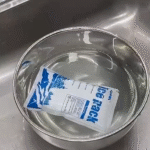
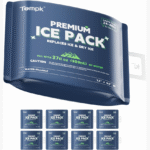
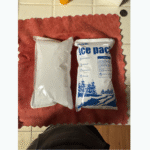
Si necesitas un Hoja de hielo seco de Australia hoy, esta guía de campo le muestra cómo elegir el formato correcto, dimensionarlo en minutos, and move it safely. You’ll learn a fast mass estimator, a loading pattern that protects goods from over‑freezing, y 2025 buying tips. Use the tools below to plan your route, reducir el desperdicio, and keep temperature‑sensitive products stable from pickup to delivery.
-
Which formats of Hoja de hielo seco de Australia suit food, farmacéutico, and e‑commerce routes
-
como calcular Hoja de hielo seco de Australia mass for your cooler or shipper
-
How to load an Hoja de hielo seco de Australia to prevent contact freezing
-
Dónde Hoja de hielo seco de Australia beats gel packs—and where it doesn’t
-
¿Qué cambió en 2025 para Hoja de hielo seco de Australia availability and safety practice
What is an Australia dry ice pack sheet and when should you use it?
Respuesta directa
An Australia dry ice pack sheet is a flexible, perforated matrix filled with CO₂‑based cooling cells that behaves like a bendable “blanket” for rapid pull‑down and even coverage. Comparado con bloques rígidos, it wraps around goods for better contact; en comparación con los pellets sueltos, it’s cleaner and easier to portion for small orders.
Explicación expandida
Think of the sheet like a quilt that emits deep cold. You trim or fold it to fit pouches, cajas de cartón, or cooler lids. Because a sheet distributes contact across a wider area, it cools faster than a single block at the same mass. For delicate produce or meds that must not freeze, you add a thin buffer (cardboard or towel) between the Hoja de hielo seco de Australia y producto. Use sheets for last‑mile deliveries, sample returns, and multi‑stop routes where you want fast pull‑down with less mess than pellets.
Pellet bag, bloquear, or Australia dry ice pack sheet: which fits your route?
Detalles
Pellets pour into voids and chill quickly, but they scatter. Blocks run longest, but contact is limited. Un Hoja de hielo seco de Australia bridges both: flexible like pellets, tidy like a block. For mixed totes, a sheet on top plus a divider below protects fragile foods and keeps everything stackable.
| Cooling Format | Mejor para | Typical Behavior | Lo que significa para ti |
|---|---|---|---|
| Bandear (“rice”) | Quick pre‑chill, pequeños espacios | Desplegable rápido, duración más corta | Ideal for short drives and frequent lid opens |
| bloque solido | Largo tiempo de espera | comienzo más lento, duración más larga | Best for overnight or minimal access |
| Hoja de paquete | Cobertura uniforme, manejo limpio | Desplegable rápido + tidy loading | Great for last‑mile and mixed loads |
Consejos prácticos y sugerencias.
-
Para comestibles mixtos: Place a thin cardboard layer under the Hoja de hielo seco de Australia to avoid contact freezing on leafy greens.
-
Para muestras clínicas: Pre‑chill the shipper with a half‑sheet for 10 minutos, then load and add the main sheet.
-
For weekend trips: Cut one sheet into two panels; keep a spare panel wrapped for the return leg.
Caso real: A Sydney meal‑prep brand trimmed an Hoja de hielo seco de Australia to fit a 40‑quart cooler with a towel buffer. Entrees stayed frozen for a 7‑hour route with five door openings and zero frostbite on herbs.
How do you size an Australia dry ice pack sheet for your cooler or shipper?
Respuesta directa
Start with 0.20–0.30 lb of sheet per quart of cooler volume for ~24 hours in mild weather, then adjust for heat and door‑open frequency. Add 25–50% mass for hot days or frequent access. Keep sheets on top so cold air sinks.
Explicación expandida
You’re fighting heat leak from ambient air and from opening the lid. The quick estimator below trades lab complexity for field reliability. It gets you close on the first run and lets you refine after a trip log. If your load is very delicate—like pastries or soft cheese—use a divider and spread the Hoja de hielo seco de Australia as a cap rather than a blanket.
Quick mass estimator for an Australia dry ice pack sheet
Detalles
Utilice esta sencilla regla, then tune for climate and access. For multi‑day holds, multiply by hours/24 and add a safety factor.
| Tamaño más frío | Mild Weather (24h) | Hot Weather (24h) | Por qué ayuda |
|---|---|---|---|
| 35–45 Qt | 7–11 lb of Hoja de hielo seco de Australia | 10–15 lb | Matches typical family coolers |
| 50–60 cuartos | 10–15 lb | 14–20 lb | Adds buffer for lid openings |
| 70–90 qt | 14–20 lb | 18–26 libras | Supports bigger loads or longer runs |
Consejos prácticos y sugerencias.
-
embalaje apretado: Fill voids so your Hoja de hielo seco de Australia cools product, not empty air.
-
Two‑stage cooling: Pre‑chill with a half‑sheet, then add the full sheet before departure.
-
Hybrid method: Cap with a sheet for speed, then add a small block for duration.
Caso real: A regional seafood courier used the formula for a 60‑quart cooler on a 30°C day with 3 opens/hr. The estimator suggested ~18 lb of Hoja de hielo seco de Australia; they loaded 16 lb plus a towel buffer and returned with firm fillets and dry packaging.
How do you load and handle an Australia dry ice pack sheet safely?
Respuesta directa
Vent your container and vehicle, usar guantes aislantes, y evitar los sellos herméticos. El CO₂ es inodoro y desplaza al oxígeno.; a small window gap and a vented lid keep you safe. Coloque el Hoja de hielo seco de Australia on top of a buffer so cold air sinks over the goods.
Explicación expandida
Treat the sheet like a slow‑release gas source. In cars and vans, keep fresh air moving. Never tape lids shut or pack sheets in sealed jars. For small apartments, let unused pieces sublimate outdoors or in a well‑ventilated shed away from children and pets. The same habits protect your cooler from pressure deformation and protect food from freeze damage.
Safety checklist for an Australia dry ice pack sheet
Detalles
Follow these steps every time. They take seconds and control most risks without special gear.
| Paso | What To Do | Simple Rule | Meaning For You |
|---|---|---|---|
| Ventilación | Grietas ventanas de 2 a 3 cm. | Fresh air in, CO₂ out | Reduces drowsiness risk |
| Tapa ventilada | Leave a small latch gap | Sin refrigeradores herméticos | Avoids lid pop or warping |
| Hand protection | Use insulated gloves or a folded towel | No bare handling | Prevents cold burns |
| capa de búfer | Cardboard or towel over goods | Sin contacto directo | Avoids freezer burn |
Consejos prácticos y sugerencias.
-
En ascensores o armarios: Do not park a cooler emitting CO₂—choose open, airy spaces.
-
At drop‑off: Brief the receiver to vent and re‑cap the Hoja de hielo seco de Australia after opening.
-
Para eliminación: Place leftover sheet on a tray to sublimate; never flush or bin while active.
Caso real: A mobile lab driver used a vented foam shipper and a 3 mm lid gap while carrying an Hoja de hielo seco de Australia durante cuatro horas. The lid stayed stable and samples arrived within spec.
How does an Australia dry ice pack sheet compare to gel packs, Ladrillos PCM, y bloques?
Respuesta directa
An Australia dry ice pack sheet delivers lower temperatures and faster pull‑down per kilogram than gel packs or PCM bricks, at the cost of venting needs and handling care. Blocks last longer per piece but lack even coverage. Choose sheets when you need clean handling, fast chill, and flexible placement.
Explicación expandida
Think of cooling like tools in a kit. The sheet is your “flexible power tool”: deep cold and tidy. Gel packs are your “safe wrench” for 0–8°C where freezing is risky. PCM bricks hold a narrow temperature but warm slowly. A hybrid—sheet for pull‑down plus gel packs for edge buffering—often gives the best result for chocolates, pasteles, or vaccine kits labeled “do not freeze” at the surface.
Side‑by‑side comparison for common goals
Detalles
Use this table to avoid overbuying and to pick the right partner for your Hoja de hielo seco de Australia.
| Meta | Best Option | Por qué | Tu movimiento |
|---|---|---|---|
| Congelación rápida | Hoja de paquete o pellets | High surface contact | Cap with sheet; pre‑chill container |
| espera larga (>24h) | Bloquear + hoja | Duración + cobertura | Add a small block under the sheet |
| Sólo frío (2–8 ° C) | Gel or PCM | Freeze‑safe | Use sheet only for quick pre‑cool (almacenado en búfer) |
| Manejo limpio | Hoja de paquete | No scatter | Recorte para adaptarse, tape corners if needed |
Consejos prácticos y sugerencias.
-
bombones: Use a thin divider plus a small Hoja de hielo seco de Australia on top for 60–90 minutes, then swap to gels.
-
Quesos blandos: Mantener el Hoja de hielo seco de Australia above a buffer; evitar el contacto directo.
-
Helado: Use a thicker sheet or add a block; open the lid as few times as possible.
Caso real: A boutique chocolatier reduced bloom by replacing pellets with an Hoja de hielo seco de Australia cap and a divider. Breakage dropped and box interiors stayed dry.
Which industries benefit most from an Australia dry ice pack sheet?
Respuesta directa
Comida de comercio electrónico, mariscos, laboratorios, and event catering benefit most because the Hoja de hielo seco de Australia trims prep time, improves temperature pull‑down, and stays tidy during multi‑stop routes. It also scales—from a single panel in a mailer to full‑sheet caps for large coolers.
Explicación expandida
If you batch orders, you can pre‑cut sheets during staging. If you run returns (p.ej., clinical swabs), a small panel taped inside the lid speeds chill without loose pellets. If you must show clients a clean presentation (bodas, tastings), sheets keep cartons clean.
Sector‑specific notes for your SOP
Detalles
Use these starts to write or update your standard operating procedures.
| Sector | Load Type | Sheet Placement | Por qué funciona |
|---|---|---|---|
| Meal‑prep | Entrées with greens | Sheet cap + divisor | Pull‑down + no contact freeze |
| Mariscos | Fillets and shellfish | Half‑sheet cap + bloquear | Velocidad + duration combo |
| laboratorios | Return kits | Quarter‑sheet in lid | Rápido, limpio, pequeña huella |
| Eventos | Pasteles & chocolate | Buffered sheet cap | Tidy, photogenic packouts |
Consejos prácticos y sugerencias.
-
plantilla de POE: Define panel sizes (¼, ½, lleno) for each SKU.
-
Route logs: Track sheet weight vs. ambient and hold time; tune weekly.
-
Capacitación: Teach “cap, buffer, vent” as a three‑word safety mantra.
Caso real: A Brisbane caterer standardized on half‑sheets for cold desserts. Setup time fell by 20 minutes per event and returns for texture issues nearly disappeared.
How can you plan inventory for Australia dry ice pack sheet across seasons?
Respuesta directa
Forecast demand using a simple heat‑index multiplier and event calendar, then buffer 15–25% for heat waves and holidays. Keep two formats on hand: half‑sheets for day routes and full sheets for overnight or bulk orders.
Explicación expandida
Dry ice usage climbs with ambient temperature and customer volume. A small buffer saves costly second trips. Porque Hoja de hielo seco de Australia is modular, you can trim to size and avoid waste on cool days. Rotate first‑in, first‑out to keep packs fresh and packaging crisp.
Inventory quick‑planner for Australia dry ice pack sheet
Detalles
Use last month’s consumption, then adjust for forecast conditions.
| Month Type | Season Factor | Example Adders | Por que importa |
|---|---|---|---|
| Leve | 1.0 | No events | Baseline stock |
| Cálido | 1.2 | Weekend festivals | More mass for longer runs |
| Caliente | 1.4 | Holidays & promos | Avoids stockouts and rush fees |
Consejos prácticos y sugerencias.
-
Morning pickups: Heat loads are lower; Hoja de hielo seco de Australia dura más.
-
Two‑bin system: One bin for pre‑cut panels, one for full sheets.
-
Etiquetado: Mark panel mass after trimming to aid operators.
Caso real: A Gold Coast grocer tracked daily usage and moved to a two‑bin system. Waste dropped by ~12% in summer compared to ad‑hoc trimming.
2025 trends for Australia dry ice pack sheet: what’s new?
Descripción general de la tendencia
En 2025, retailers expanded point‑of‑sale guidance for Hoja de hielo seco de Australia, and cooler makers pushed vented‑lid designs for safer transport. More suppliers pre‑score sheets for easy trimming, and route operators widely adopted “cap + buffer + vent” as a standard practice for mixed SKUs.
Últimos desarrollos de un vistazo
-
Pre‑scored grids: Easier one‑hand trimming and less product exposure time.
-
Vented hardware: Hinges and latches that hold a safe gap while driving.
-
Hybrid playbooks: Combining a small block with an Hoja de hielo seco de Australia cap to balance speed and duration.
Ideas del mercado
Demand spikes during heat waves and event seasons in major cities; shoulder months see steadier supply. Customers prefer clean, pre‑bagged options and quick curbside pickup. Logging cooler size, tiempo de ruta, ambiente, and sheet mass is becoming standard to right‑size orders and reduce re‑routes.
Preguntas frecuentes
Q1: How long will an Australia dry ice pack sheet last in a 45‑quart cooler?
About a full day with 8–10 lb in mild weather; longer with a small block and fewer lid opens. Pre‑chill and use a buffer to protect sensitive items.
Q2: Can I use an Australia dry ice pack sheet for medications labeled “do not freeze”?
Use with caution. If the label forbids freezing, rely on gel packs for 2–8°C and use the sheet only to pre‑cool the container with a divider, luego quitar.
Q3: Is it safe to transport an Australia dry ice pack sheet in a car trunk?
Evite los espacios cerrados. Keep the cooler in a ventilated cabin with a slight window gap or use a pass‑through. Always leave a lid vent.
Q4: Should I choose a sheet or a block for overnight trips?
Use both: a small block for duration plus an Hoja de hielo seco de Australia cap for fast pull‑down and even coverage.
Q5: How do I prevent freezer burn on produce with an Australia dry ice pack sheet?
Add a cardboard or towel divider. Keep the sheet on top so cold air sinks over, not into, delicate surfaces.
Q6: What’s the best way to dispose of leftovers from an Australia dry ice pack sheet?
Let it sublimate on a tray in a ventilated, secure area—never in sinks or sealed bins.
P7: Can I trim an Australia dry ice pack sheet to fit small mailers?
Sí. Use scissors along pre‑scored lines. Mark the remaining panel mass for your next job.
Resumen y recomendaciones
Puntos clave
Utilice un Hoja de hielo seco de Australia when you need flexible placement, desplegable rápido, and clean handling. Size by cooler volume, calor ambiental, y aberturas de tapa. Tapa, buffer, and vent—every time. Combine with a small block for long runs, or hand off to gels for chilled‑only targets.
Plan de acción
-
Elige tu formato (sheet for speed/coverage, block for duration). 2) Use the estimator to set a starting mass. 3) Cargar producto, agregar un búfer, place the Hoja de hielo seco de Australia arriba, y ventilar la tapa. 4) Log route time, ambiente, and remaining mass to refine. Necesita un plan personalizado? Contact Tempk for a five‑minute sizing consult.
Acerca de Tempk
We are a cold‑chain solutions team focused on practical results. We help operators choose and use an Hoja de hielo seco de Australia efficiently with simple estimators, clean loading patterns, and safety checklists. Our two advantages: rápido, field‑tested heuristics you can apply on the dock, y configuraciones de embalaje que reducen los residuos sin poner en riesgo la calidad del producto.
Llamado a la acción: Speak with Tempk for a quick sizing review or an SOP tune‑up for your routes.