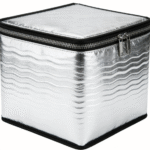
Paquetes de hielo seco Yeti para refrigeradores: Que funciona en 2025?
Si estás eligiendo bolsas de hielo seco yeti para refrigeradores en 2025, esta guía muestra cuando brillan, cuando se requiere verdadero hielo seco, y exactamente cómo empacar para envíos B2B. Espere reglas de seguridad claras, duraciones probadas, y una receta de empaque que reduce el riesgo de descongelación de horas a días para que sus productos lleguen fríos.
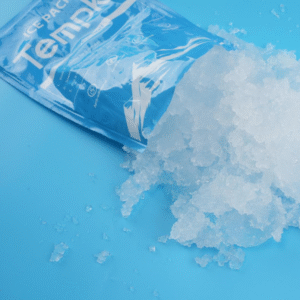
Elija el refrigerante adecuado para refrigeración entre 2 y 8 °C vs.. cargas bajo cero (larga cola: cadena de frío gel packs vs hielo seco).
Empacar de forma más inteligente entonces bolsas de hielo seco yeti para refrigeradores ofrecer retenciones más largas con menos devoluciones (larga cola: cómo empacar un Yeti para su envío).
Comparar opciones—Paquetes de gel Yeti vs.. verdaderas láminas de hielo seco y PCM (larga cola: PCM versus hielo seco para la industria farmacéutica).
Aplicar 2025 tendencias para impulsar la retención y la sostenibilidad (larga cola: 2025 embalaje de cadena de frío tendencias).
¿Qué hace que las bolsas de hielo seco Yeti para refrigeradores sean efectivas para el envío B2B??
Respuesta corta: son resistentes, paquetes de gel reutilizables (punto de congelación ~–2°C) que mantienen la carga de forma segura enfriado sin reglas de materiales peligrosos. Son ideales para rutas del mismo día o nocturnas., kits de comida, y vacunas que no deben congelarse. Para varios días o congelado envío, necesitará hielo seco verdadero o PCM de menor temperatura.
Por qué esto te importa: La frase "hielo seco" es confusa: Yeti "Hielo" es no Co₂ hielo seco; es un gel de cambio de fase ajustado para mantenerse justo por debajo de 0°C. Eso es perfecto para bebidas., producir, y suministros médicos de 2 a 8 °C, y evita los riesgos de papeleo y ventilación del hielo seco real. (materiales peligrosos por aire). En pruebas reales, Agregar paquetes Yeti mantiene el frío prolongado aproximadamente medio día en una hielera de calidad; Utilice más mochilas y mejor aislamiento para carriles más largos..
¿Qué envíos superan las bolsas de hielo seco yeti para refrigeradores??
Detalles: Cargas que deben permanecer congeladas (<0 ° C) o ultracongelados (–15°C a –25°C) durará más que los paquetes de gel. Para estos, combine mejoras de aislamiento con hielo seco o paquetes de PCM especializados. Si escalas a nivel nacional, Pesar también la capacidad del congelador., costo del paquete, y tiempo de reacondicionamiento en todas las curvas.
| Requisito | Mejor refrigerante | Retención típica | Lo que significa para ti |
|---|---|---|---|
| 2–8 ° C, ≤24h | paquetes de gel yeti | ~12–18h en una buena hielera (más tiempo con más paquetes) | Seguro, simple, sin materiales peligrosos: ideal para carriles locales. Paquetes de hielo seco Yeti para refrigeradores |
| 2–8 ° C, 24–48h | PCM de alta calidad + aislamiento | 24–48h+ | Temperaturas estables con transportistas validados; Menos sorpresas. Paquetes de hielo seco Yeti para refrigeradores |
| ≤ –15°C congelado | Hielo seco o PCM bajo cero | 48–72h en transportistas diseñados | Requerido para mariscos/productos biológicos congelados; plan de ventilación y SOP. Paquetes de hielo seco Yeti para refrigeradores |
Consejos prácticos y victorias rápidas
Pre -chill todo: Enfríe los productos y el contenedor antes de empacar para evitar “desperdiciar” la capacidad del paquete..
Cantidad correcta: Comience con un paquete de ≥1 libra por ~5 litros de volumen interno; doblar >12 h rutas. Llenar los espacios de aire.
El aislamiento primero: Actualizar el transportador a menudo duplica el tiempo de espera antes de cambiar los refrigerantes.
Caso real: Una farmacia regional pasó de paquetes de gel ad hoc a un paquete validado de 2 a 8 °C con refrigerantes reutilizables y un registrador de datos. Después de la optimización, 48Las entregas en menos de una hora llegaron a ~5 °C con un deterioro cercano a cero y un costo de consumibles ~20 % menor..
¿Cómo se comparan las bolsas de hielo seco Yeti para refrigeradores con el verdadero hielo seco??
Respuesta corta: Los paquetes de gel Yeti mantienen los artículos enfriado limpia y segura; verdaderas retenciones de hielo seco congelado por mucho más tiempo y mucho más frío, pero introduce seguridad, etiquetado, y complejidad operativa. Elija por temperatura objetivo y duración.
Toma más profunda: Los paquetes de gel son reutilizables, apto para alimentos, y resistente a caídas, sin charcos. El verdadero hielo seco se mantiene a –78°C con aproximadamente el triple de enfriamiento por libra en comparación con el hielo de agua; excelente para congelados durante varios días, pero requiere guantes y ventilación., para el aire, marcado de materiales peligrosos. Muchos transportistas combinan estrategias: paquetes de gel para la estabilidad, hielo seco para reserva ultrafría.
Costo, almacenamiento, y escalabilidad para programas en crecimiento
Detalles: Bloques de calidad minorista (p.ej., yeti) son premium y voluminosos para volver a congelar en volumen. Las láminas B2B flexibles que se envían planas y se hidratan una vez ahorran espacio en el congelador y se adaptan al producto, lo que resulta útil cuando gestiona cientos de turnos semanales.. Los ciclos de reutilización impulsan el retorno de la inversión en comparación con el hielo seco de una sola vez.
| Factor | paquetes de gel yeti | hielo seco (Co₂) | Tu comida para llevar |
|---|---|---|---|
| Temperatura | ~–2°C punto de congelación → zona fría | –78°C → ultracongelado | Utilice gel durante 2–8°C; hielo seco para congelarse. Paquetes de hielo seco Yeti para refrigeradores |
| Duración | +12–24h en buenos paquetes | 48–72h en transportistas diseñados | Pistas de duración con aislamiento. + masa. Paquetes de hielo seco Yeti para refrigeradores |
| Seguridad/Cumplimiento | Sin materiales peligrosos; fácil manejo | Materiales peligrosos por aire; necesita POE, desfogue | Entrena equipos si añades hielo seco. Paquetes de hielo seco Yeti para refrigeradores |
| Escalabilidad | Límites de espacio en el congelador | Obtención & límites de ventilación | Elige el limitador que puedes gestionar. Paquetes de hielo seco Yeti para refrigeradores |
¿Cómo se deben empacar de forma segura las bolsas de hielo seco yeti para refrigeradores? 2025?
Respuesta corta: Condición previa (paquetes congelados sólidos), producto y recipiente preenfriado, cargar producto, luego coloque bolsas de hielo seco yeti para refrigeradores encima y alrededor de los artículos para “cubrir” el aire frío. Minimizar el espacio de cabeza, sello, y mantener el transportista ventilado durante el transporte.. Guantes si también usas hielo seco.
Paquete paso a paso (copiar/pegar POE):
Herramientas útiles para tomar decisiones
Comprueba los detalles antes de elegir el embalaje.
Estas herramientas rápidas pueden ayudarle a comparar el riesgo de la ruta, necesidades de dimensionamiento, opciones de refrigerante, y detalles del embalaje antes de solicitar una cotización.
Revestimiento de caja & Dimensionamiento de la cubierta de paleta
Lógica de tamaño de revestimiento de cajas y cubiertas de paletas para proyectos de embalaje aislado.
Estimar el tamañoCalculadora de hielo seco
Calcule las necesidades de hielo seco para envíos congelados o ultrafríos antes de empacar.
Estimar hielo secoReferencia del material aislante
Compare opciones de materiales aislantes para diferentes necesidades de embalaje de la cadena de frío.
Comparar materialesLista de verificación de seguridad para bolsas de hielo seco yeti para refrigeradores
Seguridad de las manos: Los paquetes de gel son seguros al tacto; si agrega hielo seco verdadero, usar guantes aislantes.
Ventilación: Nunca selle completamente los contenedores de hielo seco de CO₂; Evite los espacios confinados.
Compatibilidad: Utilice hielo seco únicamente en refrigeradores duros compatibles con hielo seco. (refrigeradores no suaves).
selector rápido (marque lo que aplica):
2–8°C durante ≤24h → solo paquetes de gel
2–8°C durante 24–48h → paquetes de gel + aislamiento premium
Congelado o >48 h → hielo seco o PCM bajo cero + remitente validado
2025 Tendencias de bolsas de hielo seco Yeti para refrigeradores y cadena de frío.
Descripción general: En 2025 el mercado se inclina hacia aislamiento más inteligente, PCM reutilizables, y monitoreo a nivel de carril. Muchos transportistas están cambiando consumibles de un solo uso por productos validados., sistemas reutilizables y adición de sensores IoT para verificar el rendimiento en cada ruta. El crecimiento de la industria sigue siendo fuerte: la logística de la cadena de frío se está expandiendo alrededor de un 8% anual.
Último progreso de un vistazo
PCM de próxima generación: Retenciones más largas en puntos de ajuste específicos (incluso bajo cero) Permite un rendimiento de 2 a 5 días sin refrigeración activa..
Transportistas VIP/VPU: Los paneles de aislamiento al vacío reducen drásticamente la ganancia de calor; combine bien con gel o hielo seco para carriles de varios días.
Sistemas híbridos: PCM + Las combinaciones de hielo seco controlan los picos térmicos y al mismo tiempo preservan las reservas ultrafrías..
Insight del mercado: Más proveedores ahora ofrecen paquetes reutilizables, cajas validadas, y datos de laboratorio (p.ej., Rendimiento probado por CNAS) para cumplir con expectativas farmacéuticas/alimentarias más estrictas y reducir el desperdicio mientras se mejora la confiabilidad de la entrega.
Preguntas frecuentes
1) ¿Las bolsas de hielo seco Yeti para neveras portátiles realmente contienen hielo seco??
No. Son packs de cambio de fase a base de gel. (~–2°C). Son ideales para enfriado envío, carga no congelada.
2) ¿Cuánto tiempo mantendrán la temperatura las bolsas de hielo seco Yeti para refrigeradores??
Normalmente entre 12 y 18 h en una hielera bien aislada; Añade más mochilas y mejor aislamiento para rutas de 24 a 48 horas..
3) ¿Cuándo debo usar hielo seco verdadero??
Utilice hielo seco para envíos congelados bajo cero o durante varios días (helado, –15°C alimentos, algunos biológicos). Siga los SOP de guantes/ventilación.
4) ¿Son más fáciles de enviar los paquetes de gel por aire que el hielo seco??
Sí. Los paquetes de gel no son materiales peligrosos; El hielo seco está regulado para el aire y necesita etiquetado y capacitación..
5) ¿Puedo mezclar paquetes de gel y hielo seco en el mismo paquete??
Sí. Mantenga los paquetes de gel cerca de productos sensibles para mayor estabilidad.; agregue un pequeño buffer de hielo seco en la parte superior para una reserva ultrafría en productos validados., cargadores ventilados.
Resumen y próximos pasos
Puntos clave: Bolsas de hielo seco Yeti para neveras portátiles son resistentes, reutilizable, y genial para enfriado carriles, prolongar la retención entre 12 y 24 h con un buen aislamiento. Para rutas congeladas o de varios días, avance hacia hielo seco o PCM bajo cero en transportistas validados. Pre -chill, Determine el tamaño correcto de su masa refrigerante, eliminar espacio de cabeza, y registrar la temperatura en ejecuciones de prueba antes de escalar.
Plan de acción:
Enumerar la duración del carril y las temperaturas objetivo.
Elija refrigerante (gel versus. CO₂ frente a. PCM) por esas necesidades.
Ejecute un piloto registrado con datos y ajuste el recuento/aislamiento del paquete.
Estandarizar un SOP; equipos de tren; agregar controles de calidad. Listo para optimizar? Contáctenos para un paquete personalizado.
Acerca de Tempk
Diseñamos y validamos refrigerantes reutilizables, cargadores aislados, y POE para alimentos y productos farmacéuticos. Nuestros paquetes están diseñados para ciclos repetidos de congelación y descongelación y se prueban en laboratorios acreditados., ayudándole a reducir el deterioro y los costos de consumibles mientras demuestra el cumplimiento. Le ayudaremos a combinar el tipo de refrigerante con la ruta y escalarlo con confianza..
Paquetes de hielo seco Yeti para refrigeradores
CTA: Necesita un paquete específico para el carril? Habla con un ingeniero de Tempk para obtener una recomendación respaldada por datos y un plan piloto rápido.