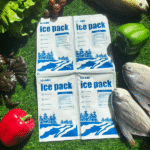
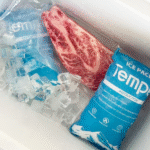
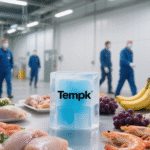
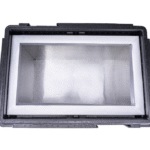
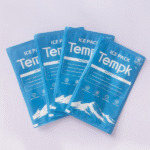
ice brick reusable is one of the most useful passive cooling formats when you want cleaner handling, colocación repetible, and better control over real shipping lanes. The best ice brick reusable decision is not about choosing the coldest pack. It is about choosing the right thermal range, diseño de paquete, supplier support, and operating routine so your shipment arrives stable, seguro, and easier to manage in 2026.
Lo que este artículo te ayudará a responder.
- How to choose the right ice brick reusable size, caparazón, and refrigerant type for your lane.
- How reusable ice brick compares with multi-use refrigerant brick and other passive cooling options in daily operations.
- How to validate hold time, acondicionamiento, and pack placement before you scale volume.
- How to reduce chasing reuse without testing for shell fatigue, practicidad de limpieza, logística inversa, and loss rates while keeping packaging simpler for your team and your customer.
- How to connect performance, cumplimiento, sostenibilidad, and buyer ROI in one decision framework.
What makes ice brick reusable the right choice for your shipment?
The right choice happens when the brick matches the lane, the product target, and the way your team actually works. Eso suena obvio, but many shipments fail because the coolant decision is made in isolation. A brick that looks strong in a freezer test can still be the wrong fit if it overcools the product, slows the pack line, or needs a conditioning routine your warehouse will not follow consistently.
Start with three questions. What temperature range must the product really hold? How long is the real lane once you include handoffs and delays? And what level of operating discipline can the team repeat every day? When you answer those questions, ice brick reusable becomes much easier to judge. You can see whether a general gel brick is enough, whether a PCM approach makes more sense, or whether the lane truly requires a different refrigerant altogether.
How do you decide whether returnable cold chain brick fits better than the alternatives?
Use a buyer scorecard instead of instinct. Compare the required temperature range, tener tiempo, durabilidad de la carcasa, documentación, conditioning needs, and ease of training. In many chilled lanes, a rigid brick wins because it gives predictable placement and cleaner handling. In narrow-window lanes, PCM can be stronger. In deep-frozen lanes, dry ice may still matter. The winning answer is the best fit, not the most dramatic coolant.
| Decision Question | Respuesta fuerte | Señal de advertencia | Por que importa |
|---|---|---|---|
| What temperature range must the product actually hold? | A defined range tied to product science or food safety | Keep cool with no numeric target | You cannot validate a vague promise |
| How long is the real lane, incluyendo retrasos? | A mapped duration with peak-season allowance | Only the courier SLA is considered | Transit risk includes dwell, traspaso, y hora del porche |
| Which coolant type best matches the lane? | A documented reason for gel, PCM, reusable brick, o hielo seco | Defaulting to whatever was used last year | Matching coolant to the lane improves both performance and cost |
| Can the supplier support quality review? | Especificaciones, SDS, handling guidance, and durability evidence | Only marketing claims | Good documentation speeds launch and reduces surprises |
Consejos prácticos para ti
- Defina el objetivo primero: Your ice brick reusable design should protect a temperature range, not a vague idea of cold.
- Utilice un cuadro de mando: Compare refrigerant types with the same criteria so the sourcing choice stays honest.
- Separate chilled from frozen needs: One brick strategy rarely serves both goals equally well.
Ejemplo de caso: A buyer reviewing ice brick reusable side by side with other refrigerants chose the option that matched the lane and line process, not the one with the most aggressive freezer feel.
How do you build a high-performance ice brick reusable packout?
A high-performance packout is built, no adivinado. It begins with a pre-cooled payload, a right-sized shipper, deliberate brick placement, and a simple loading sequence that workers can repeat without hesitation. If any of those pieces are missing, you can end up adding more refrigerant while still getting poor results.
Think of the shipper as one thermal machine. The brick stores cold energy, the insulation slows heat gain, and the payload adds or removes stability depending on its starting condition. When these parts work together, ice brick reusable delivers strong and predictable results. When they do not, even extra brick mass can be wasted. That is why smart teams focus on fit, puesta en escena, and sequence before they add weight or complexity.
What design details improve reusable ice brick performance most?
Four details matter most in daily use: payload starting temperature, brick count and placement, el sistema de aislamiento, and the handling SOP. These are the levers that usually decide whether the packout survives a messy real-world lane. They also happen to be the easiest levers to document, auditoría, and improve over time.
| Factor de diseño | Mejor práctica | Data to Review | Operational Benefit |
|---|---|---|---|
| Payload starting temperature | Pre-cool every unit and stage near the pack line | Inbound product temp records | Protects brick capacity for the lane instead of the bench |
| Brick count and placement | Match mass to box size and heat entry points | Summer vs winter logger comparisons | Delivers control without blind overpacking |
| Sistema de aislamiento | Validate the brick with the actual shipper, not alone | Whole-system test result | The best brick can still fail in a weak box |
| Manejo de POE | Use a simple repeatable loading sequence | Training sheet and audit observations | Consistency turns a good design into a reliable operation |
Consejos prácticos para ti
- Cut empty air first: Un más pequeño, better-filled box often boosts ice brick reusable performance more than a random extra pack.
- Protect contact-sensitive goods: Use separators or dividers when the payload should not sit directly against the brick.
- Print the layout: A visual loading map keeps top, lado, and corner placement consistent across shifts.
Ejemplo de caso: A team improved ice brick reusable results by tightening its box fill, pre-cooling the payload, and standardizing top coverage before adding any extra brick mass.
How do you validate safety, cumplimiento, and supplier quality for ice brick reusable?
Validation makes a packout trustworthy. sin eso, you are relying on hope, habit, or vendor language. A validated ice brick reusable program ties the product target to the packout design, the conditioning routine, and the evidence from logger tests. Supplier quality matters too, because even a good design can drift if shells crack, fills vary, or instructions stay vague.
Keep the process practical. Build a small documentation set that includes the product range, the assembly SOP, the conditioning method, the qualification summary, and the supplier specification file. For many chilled shipments, that is already enough to improve confidence and decision speed. For narrow-window or audit-sensitive loads, add mapped logger placement, criterios de aceptación, and a clear excursion rule so the team knows what to do when reality deviates from the plan.
What should your ice brick reusable validation checklist include?
It should include the target range, the lane length, summer and winter test conditions, the exact packout map, the logger setup, and the pass rule. It should also include supplier documents such as the SDS or material declaration, durability information, and inspection criteria. This checklist turns cold chain quality into something operational, not abstract.
| Validation Area | lo bueno que parece | Qué revisar | Why It Protects You |
|---|---|---|---|
| Desk design review | Define product target, lane length, perfil ambiental, y geometría de caja | A written packout rationale | Prevents trial-and-error spending |
| Calificación térmica | Run summer and winter profiles with loggers | Payload stays in range for the target duration | Creates confidence before launch |
| Operational pilot | Test on the real packing line with real handlers | No loading drift or avoidable mistakes | Confirms the SOP works outside the lab |
| Ongoing verification | Review claim data, logger trends, and brick damage rates | Evidence-based updates by season or route | Keeps the system improving instead of drifting |
Consejos prácticos para ti
- Use realistic tests: A ice brick reusable pilot should mirror real loading habits, not only ideal bench conditions.
- Save supplier files in one place: Specifications, declaraciones, and instructions are easier to use when they are not scattered.
- Review by season: Keep a warm-weather version of the validation set if your route profile changes sharply.
Ejemplo de caso: A company moved from informal ice brick reusable packing to a documented checklist and quickly found two loading habits that had been causing most of its variation.
How can ice brick reusable improve sustainability without hurting performance?
The most sustainable cold chain shipment is the one that arrives in range with the least avoidable waste. That means you should not chase eco claims in isolation. If a greener packout increases spoilage, the result is not actually greener. The smarter path is to reduce product loss, cut unnecessary air volume, use reusable components where the loop is real, and simplify material decisions where possible.
That balanced view is why ice brick reusable is attractive in many 2026 programas. A rigid reusable brick can support cleaner packing, lower claim rates, and lower waste when recovery is realistic. Even when the system stays one-way, a better-matched brick can reduce overpacking and lower freight weight. The core idea is simple: protect the product first, then improve the packaging system around that stable baseline.
Which value drivers make reusable cold pack brick stronger over time?
Look at product protection, operational ease, sostenibilidad, and procurement clarity together. This wider view reveals why a good brick decision can reduce waste in several ways at once. It can prevent spoiled goods, simplify labor, support reuse where it works, and make supplier comparisons more evidence-based. Those improvements add up over months, not only on one shipment day.
| Value Driver | Optimized Practice | Operational Result | Long-Term Meaning |
|---|---|---|---|
| Protección de productos | Validated range control | Fewer excursions and claims | Protects the highest-value asset in the shipment |
| Facilidad operativa | Stackable bricks and simpler SOPs | Faster line speed and fewer loading mistakes | Labor becomes more predictable |
| Sostenibilidad | Right-sized packouts and reuse where practical | Lower waste and fewer reships | Environmental value improves when waste falls |
| Procurement clarity | Data-backed supplier comparison | Better sourcing decisions over time | You buy performance, not just plastic and fill |
Consejos prácticos para ti
- Count product loss as waste: The real sustainability score of ice brick reusable improves when warm-arrival claims fall.
- Choose reuse honestly: Only treat a brick as reusable value if the return, inspección, and redeployment loop is real.
- Right-size before rebranding: Un más pequeño, better-designed shipper often beats a louder sustainability claim.
Ejemplo de caso: A packaging review found that a more disciplined ice brick reusable system reduced both spoilage and freight waste, which mattered more than marketing language about materials.
What is the smartest 2026 buying framework for ice brick reusable?
The smartest framework compares complete shipment value, not isolated component price. En 2026, good buyers score refrigerant systems on temperature fit, packout simplicity, supplier support, durabilidad, documentación, and waste profile. They also compare them against the real alternatives, not against an idealized internal assumption about how the lane should behave.
That broader framework is useful because markets are changing. More customer-facing shipments mean presentation matters more. More quality review means documentation matters more. More focus on sustainability means product loss and packaging waste both matter more. en ese ambiente, ice brick reusable wins when it can deliver predictable control without piling friction onto operations. The best buying decision is the one your warehouse, quality team, procurement team, and end customer can all live with.
How should you compare ice brick reusable against nearby product options?
Compare them on the job they do, not on the headline they market. Loose pouches may look cheap. Rigid bricks may handle better. PCM may justify its higher price in a narrow-range lane. Dry ice may still be correct for deep-frozen needs. A side-by-side comparison keeps your choice grounded in the shipment objective rather than in habit or sales language.
| Opción | Ventaja principal | Main Trade-Off | Mejor caso de uso |
|---|---|---|---|
| Loose gel pouches | Low purchase cost | Lower handling consistency and weaker stacking | Useful for basic lanes but harder to standardize |
| Rigid ice bricks | Better stacking, colocación, y repetibilidad | Need conditioning discipline and more storage planning | A strong default choice for many chilled shipments |
| Ladrillos PCM | Best for narrow validated windows | Higher cost and stricter process control | Worth it when the payload is excursion-sensitive |
| hielo seco | Best for deep-frozen needs | Adds venting, calificación, and over-freeze risk | Use only when the temperature target truly requires it |
Consejos prácticos para ti
- Build one sourcing sheet: Compare all ice brick reusable alternatives with the same fields so teams stop arguing from preference.
- Review one hard lane first: High-risk routes reveal the real value difference between coolant options.
- Include labor and claims: A more expensive brick can still be cheaper when total shipment value improves.
Ejemplo de caso: A procurement team simplified its ice brick reusable decision by scoring every option against one high-risk lane and one common operating checklist.
2026 latest Ice Brick Reusable developments and buying signals
lo último 2026 direction for ice brick reusable is a shift toward practical excellence. Buyers want better data, simpler line execution, clearer compliance logic, and stronger sustainability outcomes that do not compromise shipment safety. That is why the conversation keeps moving away from the coldest pack and toward the most reliable cold chain system for this lane.
- More evidence-based buying: Teams increasingly ask for logger-backed packout logic, not just generic performance claims.
- More right-sized design: Box fill, payload temperature, and modular refrigerant choices are getting more attention than before.
- More total-cost thinking: The market is comparing claims, mano de obra, desperdiciar, and customer experience alongside material price.
The most important insight is that ice brick reusable performs best when it is treated as part of a complete cold chain design. Buyers who connect refrigerant choice, manejo de la disciplina, qualification data, and sustainability priorities are the ones most likely to reduce cost and improve delivery quality at the same time.
Preguntas frecuentes
How many ice brick reusable packs do you need for one shipping box?
No hay un solo numero. Start with the real box size, masa de carga útil, duración del carril, y nivel de aislamiento. For many parcel lanes, two to four bricks work as a starting point, but you should confirm that with a summer logger test before launch.
What is the best way to compare ice brick reusable options?
Utilice un cuadro de mando. Compare temperature range, tener tiempo, durabilidad de la carcasa, documentación, conditioning needs, line speed impact, and waste profile. A supplier that is slightly more expensive can still be cheaper after you factor in claims and labor.
Can ice brick reusable replace dry ice?
It can replace dry ice in many chilled lanes, but not in every deep-frozen lane. If your product only needs to stay chilled, a passive brick often gives you simpler handling and less over-freeze risk. If the product must stay deeply frozen, dry ice may still be necessary.
How long does ice brick reusable stay cold?
Hold time depends on the whole system, not the brick alone. Tamaño de la caja, aislamiento, payload starting temperature, and ambient heat all matter. A well-designed parcel packout can cover 24 a 48 horas, and some larger validated systems can go longer.
Is ice brick reusable safe around food or sensitive goods?
Safety depends on the specific fill, caparazón, y documentación. Ask for an SDS, a material declaration, y guía de manejo. A well-specified brick should be durable and low concern in normal use, but you still need a product-appropriate packout and inspection routine.
What should you ask a supplier before buying ice brick reusable?
Ask about thermal performance, instrucciones de acondicionamiento, durabilidad de la carcasa, lot consistency, y documentación. Do not stop at a freezer photo or a sales claim. You want packout guidance that helps your team repeat the result on the line.
Do reusable ice brick reusable systems always cost less?
No siempre. They win when you have a realistic return loop, good inspection habits, and enough shipment density. Si las tasas de retorno son bajas, a reusable system can look good on paper but perform badly in practice.
Why do two similar ice brick reusable packouts perform differently?
Small changes in void space, payload temperature, ajuste de la tapa, and courier dwell can change the outcome fast. That is why validation matters. Two boxes that look similar on the bench can behave very differently after hub delays and last-mile exposure.
Resumen y recomendación
The best ice brick reusable strategy in 2026 combines fit, validación, supplier clarity, y ejecución práctica. Choose a refrigerant type that matches the true temperature target, build a repeatable packout, document the process, and improve it with seasonal data. That approach protects product quality, supports cleaner operations, and creates better long-term value.
Use this guide as a decision tool. List your target range, your hardest lane, your current claim pattern, and your supplier options. Then test one improved ice brick reusable design with logger proof and a simple SOP. That gives you a concrete path from research to rollout.
Acerca de Tempk
Tempk helps cold chain teams build packaging systems that are easier to validate, easier to operate, and easier to improve over time. We focus on practical refrigerant selection, diseño de paquete, and working documentation so your shipments perform in the real world, not only in theory.
Speak with Tempk if you want to refine your ice brick reusable strategy, compare alternative refrigerants, or create a packaging system that balances control, usabilidad, y menor desperdicio.