Mantener los mariscos frescos desde el océano hasta el plato no es solo cuestión de arrojar hielo a la pesca; es una ciencia que equilibra la temperatura, oxígeno y tiempo. Dado que se prevé que el mercado mundial de productos del mar alcance los 270.430 millones de dólares EE.UU. en 2025 y aumentan las expectativas de los consumidores en cuanto a calidad y transparencia, El dominio de la cadena de frío se ha convertido en una ventaja competitiva.. Este tutorial revela las mejores prácticas para mantener el pescado refrigerado entre 0 y 5 °C., proteger los envíos congelados a -18 °C o menos y aprovechar herramientas digitales como sensores de IoT y blockchain para rastrear cada lote. Aprenderás pasos prácticos, obtenga acceso a herramientas de toma de decisiones y descubra las tendencias más importantes para 2025, todo escrito en forma clara, lenguaje conversacional.
Este artículo responderá:
Como Los estándares de la cadena de frío protegen los productos del mar. calidad? – explica los límites de temperatura (0–5°C para frescos, ≤–18°C para congelados) y las regulaciones detrás de ellos.
¿Qué envases y equipos funcionan mejor para diferentes productos del mar?? – compara bolsas aislantes, 10Bolsas retráctiles al vacío K OTR, Envases skin al vacío y cajas reciclables., destacando sus beneficios.
¿Qué protocolos y tecnologías mantienen seguros los productos del mar?? – muestra cómo el control del oxígeno, HACCP, Los sensores de IoT y blockchain mantienen la calidad y el cumplimiento.
¿Qué tendencias del mercado darán forma a la cadena de frío de productos del mar en 2025 y más allá? – explora las previsiones de crecimiento, Optimización de rutas de IA, embalajes sostenibles y más.
¿Cómo puede evaluar su preparación y elegir socios confiables?? – incluye una matriz de decisión, herramienta de autoevaluación y consejos prácticos para empresas y consumidores.
¿Cuáles son los estándares clave de la cadena de frío para productos pesqueros??
Mantener los rangos de temperatura correctos no es negociable.. El pescado fresco se deteriora rápidamente porque las enzimas y las bacterias degradan el tejido; Las normas internacionales exigen que se mantenga el pescado fresco entre 0 °C y 5 °C mientras que el pescado congelado debe almacenarse a –18 °C o menos. Los EE. UU.. El Código Alimentario de la FDA clasifica los mariscos como alimentos de alto riesgo que deben mantenerse en 41 °F (≈5°C) o debajo para retardar el crecimiento microbiano. El Acuerdo sobre el Transporte Internacional de Productos Alimenticios Perecederos (atp) va más allá, estableciendo un temperatura máxima de transporte de 2 °C para peces. Superar estos umbrales acelera el deterioro y puede permitir Clostridiumbotulinum para producir toxinas.
Por qué es importante el control de la temperatura
Los microorganismos prosperan cuando los mariscos se mantienen calientes o sin oxígeno. Ligeras desviaciones arriba 5 °C permiten que patógenos como C. botulínico proliferar. Enfriamiento rápido para 0 °C inmediatamente después de la cosecha preserva la textura. El pescado congelado sólo sigue siendo seguro si se mantiene por debajo de –18 °C; La ATP permite breves aumentos a –15 °C durante el transporte, pero recomienda volver a –18 °C para exhibición en tiendas minoristas.. Los congeladores domésticos varían: tres unidades estelares alcanzan temperaturas inferiores a –18 °C, dos estrellas se mantienen por debajo de –12 °C y una estrella sólo alcanza –6 °C. Mantener el producto frío es fundamental, pero la congelación no es un biocida; todavía se producen otras reacciones físicas y bioquímicas.
Rangos de temperatura clave y lo que significan
| Rango de temperatura | Ejemplos de productos & escenario | Beneficio | Lo que significa para ti |
| 0 °C-5 °C | Pescado fresco, filetes enfriados | Mantiene la textura, retarda el crecimiento bacteriano | Utilice cuartos refrigerados o hielo.; monitorear continuamente |
| ≤ –18 °C | Pescado congelado, bloques | Detiene la actividad microbiana y prolonga la vida útil. | Invierta en congeladores validados; Nunca permita que el producto se descongele durante el transporte. |
| 2 °C (ATP máx.) | Transporte de pescado | Máximo internacional durante el transporte | Utilice termómetros calibrados; evitar el abuso de temperatura |
| 41 °F (≈5°C) | Alimentos de alto riesgo (mariscos) | Mantiene los alimentos fuera de la zona de peligro. | Compruebe las unidades de almacenamiento periódicamente para que se mantengan entre 0 y 5 °C. |
Consejos prácticos para cumplir con los estándares
Enfriar inmediatamente: Las directrices de Perennia (referenciado por Tempk) sugerir enfriar mariscos para 0 °C al capturarlo y mantenerlo allí durante toda la cadena de suministro.
Monitorear continuamente: Los registradores de datos y los sensores de IoT registran la temperatura en tiempo real. Las alertas le notifican cuando las lecturas se salen de los rangos seguros.
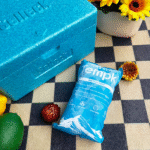
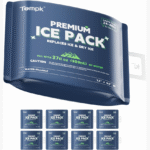
Utilice el refrigerante adecuado: El hielo derretido mantiene el pescado fresco cerca 0 °C; Los paquetes de gel son reutilizables y evitan el exceso de agua.; El hielo seco admite envíos ultrafríos, pero requiere precauciones de seguridad..
Calibrar dispositivos: Revisar termómetros y sensores al menos cada cuatro horas..
Cumplimiento de documentos: HACCP, Buenas prácticas de fabricación (BPF) y los SOP de saneamiento complementan los controles de temperatura, mientras que EE.UU.. FSMA 204 La regla exige el mantenimiento de registros de elementos de datos clave dentro de 24 horas.
Caso en punto: Un procesador de mariscos implementó códigos QR y registros digitales de temperatura para cada captura. Cuando la temperatura de un envío se desvió durante el transporte, el sistema rastreó el problema hasta un lote específico y se puso en contacto con los distribuidores en cuestión de minutos.. Este retiro específico les salvó de retirar un envío completo.
Cómo elegir y utilizar eficazmente los envases y equipos para productos del mar?
El embalaje no es sólo un contenedor; es parte de la cadena de frío. Los materiales inadecuados o el bajo intercambio de oxígeno pueden causar botulismo o deterioro.. En 2025, Existe una gama de soluciones, desde bolsas aisladas básicas hasta sistemas híbridos que combinan refrigeración pasiva y activa.. Seleccionar la opción correcta depende de la forma del producto., longitud de ruta, Requisitos reglamentarios y objetivos de sostenibilidad..
Comparación de opciones de embalaje clave
| Tipo de embalaje | Características | Idoneidad | Beneficio práctico |
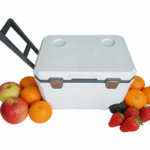
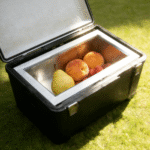
| Bolsas aislantes para pescado | Bolsas portátiles con aislamiento grueso., cremalleras y tapones de drenaje; tamaños de 35 a 205 galón | Pequeñas capturas, entregas locales | Mantenga los peces cerca 0 °C, preservar el peso y limitar el olor |
| 10Bolsas retráctiles al vacío K OTR | Película permeable al oxígeno con ajuste ceñido a la piel.; cumple con la guía de la FDA (≥10 000 cc/m²/24 h a 24 °C) | Filetes frescos y porciones. | Permite un enfriamiento rápido, mantiene el color sin CO, previene fugas y facilita la marca |
| Paquetes de piel al vacío & Bandejas MAP | Films de alta barrera con capas de EVOH/PA; mezclas de gases ajustadas o modificadas | filetes premium, productos de calidad sushi | Extiende la vida útil, mejora la presentación, admite visualización vertical |
| Bolsas resellables (Vffs) | Bolsas resellables producidas mediante máquinas de formado, llenado y sellado verticales. | Cangrejo desmenuzado, camarones marinados, salmón ahumado | Control de porciones, tamaños flexibles, desperdicio reducido |
| Cajas de fibra reciclable | Cajas a base de papel con revestimiento resistente a la humedad. (p.ej., Abrigo verde®) | Envíos congelados o refrigerados | 100 % reciclable; cuentas para 37 % del mercado de envasado de productos del mar |
| Sistemas híbridos & enfriamiento activo | Combine el aislamiento con elementos activos como módulos Peltier o compresores alimentados por baterías. | Envíos de alto valor o larga distancia | Control preciso de la temperatura; sensores añadidos activan los ventiladores cuando es necesario |
Cómo hacer coincidir el embalaje con el producto y la ruta
Definir producto & requisitos de ruta: El pescado entero necesita bolsas o bandejas reforzadas, mientras que los filetes caben en bolsas OTR estándar de 10K. Trace sus rutas: los viajes cortos pueden utilizar bolsas aislantes; las exportaciones requieren bolsas retráctiles al vacío y paquetes skin.
Evaluar el aislamiento & duración: Elija materiales con alto valor R; el poliuretano supera al EPS. Los paquetes de gel mantienen 0 °C, mientras que el hielo seco soporta envíos ultrafríos. Haga coincidir la masa de refrigerante y el espesor del aislamiento con el tiempo de tránsito.
Comprobar la transmisión de oxígeno. & cumplimiento: Los paquetes de pescado crudo refrigerado deben tener un OTR ≥10 000 cc/m²/24 h. Si utiliza envases de baja permeabilidad, mantener el producto debajo 3.3 °C y adjuntar indicadores de temperatura y tiempo.
Priorizar la sostenibilidad: Los envases reutilizables y las cajas reciclables reducen los residuos. Los materiales basados en papel ya resisten 37 % del mercado de envasado de productos del mar, y las espumas de origen biológico reducen aún más la huella de carbono.
Evaluar la automatización & conveniencia: Las bolsas resellables y las bandejas termoformadas respaldan las líneas automatizadas y la comodidad del consumidor, mejorar la eficiencia y la marca.
Consejos prácticos sobre embalaje y consejos para el consumidor
Fuente responsable: Compre productos del mar de proveedores confiables y asegúrese de que estén etiquetados correctamente. El pescado fresco debe tener ojos claros., carne firme y un aroma suave.
mantenlo frio: Los consumidores deben refrigerar los mariscos a una temperatura igual o inferior. 40 °F y congelarlo si no se consume dentro de uno o dos días. El pescado congelado permanece seguro indefinidamente en 0 °F pero son mejores cuando se consumen dentro de 3 a 8 meses.
Prevenir la contaminación cruzada: Mantenga separados los mariscos crudos y cocidos y desinfecte las superficies y los utensilios..
Elija envases con clasificaciones OTR claras: Compruebe que los envases para pescado refrigerado cumplan con el estándar 10K OTR; si no, mantenlos debajo 3.3 °C o congelar inmediatamente.
Ejemplo del mundo real: Un procesador de tamaño mediano en Oregon introdujo bolsas de vacío OTR de 10K y monitoreo en tiempo real después de un susto menor de botulismo.. En seis meses informaron sobre temperaturas cero y pescado más fresco con colores más brillantes..
¿Qué protocolos y tecnologías garantizan la seguridad y trazabilidad de los productos del mar??
Protocolos de cadena de frío Abarcar procedimientos que mantienen la temperatura y los niveles de oxígeno desde la cosecha hasta el plato.. Los protocolos eficaces limitan el crecimiento de patógenos como Clostridiumbotulinum, que prospera cuando los niveles de oxígeno son bajos y las temperaturas se elevan por encima 3.3 °C. También aseguran el cumplimiento de normativas como HACCP., Estados Unidos. Normas de higiene de la FSMA y la UE.
Protocolos de control de temperatura y oxígeno.
La interacción entre la temperatura y el oxígeno es crítica. Los mariscos crudos y terminados deben almacenarse entre 2 °C y 8 °C para productos refrigerados o inferiores –20 ºC para productos congelados. Envases con un OTR de al menos 10 000 cc/m²/24 h Previene condiciones de reducción de oxígeno que promueven el botulismo.. Si se utilizan envases de menor permeabilidad, el producto debe mantenerse debajo 3.3 °C o congelado, y se deben adjuntar indicadores de tiempo y temperatura..
Equipos de monitoreo y herramientas digitales.
Sensores IoT y registradores de datos: Monitoreo en tiempo real en todos los almacenes, camiones y vehículos de última milla permiten a los operadores realizar un seguimiento de la temperatura, humedad y ubicación. Las alertas permiten acciones correctivas antes de que se produzca deterioro..
Plataformas integradas (WMS, TMS, ERP): Almacén vinculado, Los sistemas empresariales y de transporte proporcionan visibilidad de extremo a extremo y simplifican las auditorías regulatorias..
Indicadores de tiempo-temperatura (Papá): Estos pequeños dispositivos registran el historial de temperatura de un producto y muestran los cambios mediante color.. Proporcionar ITT simples, Garantía de bajo costo de que el pescado se ha mantenido dentro de límites seguros..
RFID y redes de sensores inalámbricos (WSN): Las etiquetas RFID registran las fluctuaciones de temperatura pero tienen una capacidad de detección limitada; La combinación de RFID con WSN amplía el alcance y proporciona datos continuos.. Estas tecnologías mejoran los informes de vida útil en tiempo real y reducen el desperdicio..
Unidades logísticas inteligentes (SLU): Contenedores avanzados equipados con conexiones GPS y 3G rastrean vehículos y predicen la vida útil en función de la temperatura y los compuestos orgánicos volátiles..
Sistemas de planificación de rutas basados en IoT: Estos sistemas monitorean temperaturas en tiempo real y estiman rutas eficientes y modelos de embalaje.. Los estudios demuestran que la planificación de rutas de IoT reduce el desperdicio de alimentos, aumenta la satisfacción del cliente y mejora el rendimiento de la entrega.
Trazabilidad y blockchain
La trazabilidad es fundamental para la seguridad alimentaria. Según Folio3, el mercado de software de trazabilidad de productos del mar, valorado en USD 705 millones en 2024, se prevé que aumente a USD 1.84 mil millones por 2033. La trazabilidad protege la salud pública, previene el etiquetado incorrecto y combate la ilegalidad., pesca no declarada y no reglamentada. Las mejores prácticas incluyen:
Documentación de captura precisa: fecha de registro, tiempo, método de pesca, especies y ubicación en el momento de la cosecha.
Identificadores únicos: Utilice números de lote, Códigos QR o etiquetas RFID para cada captura. Actualizar las relaciones padre-hijo al dividir o fusionar lotes.
Formatos de datos estandarizados: Adoptar los estándares GS1 y los puntos de referencia GSSI para garantizar la interoperabilidad en toda la cadena de suministro..
Seguimiento en tiempo real: Integrar GPS, Sensores de cadena de frío y blockchain para rastrear el movimiento y la temperatura..
Educación y colaboración: Entrenar tripulaciones de barcos, procesadores y distribuidores sobre cómo la trazabilidad protege la calidad y cumple con las regulaciones.
Marcos regulatorios y cumplimiento
El Análisis de Peligros y Puntos Críticos de Control (HACCP) El sistema requiere que los procesadores identifiquen los peligros., Establecer puntos críticos de control y monitorear procedimientos.. Buenas prácticas de fabricación (BPF) y Procedimientos operativos estándar de saneamiento (POES) complementar HACCP con normas de higiene detalladas. En los Estados Unidos, el Regla de transporte sanitario de la FSMA exige que los transportistas utilicen equipos capaces de mantener temperaturas seguras y mantengan registros de limpieza y capacitación. El Regla de trazabilidad de alimentos (FSMA 204), finalizado en 2022, requiere que las empresas mantengan elementos de datos clave en eventos de seguimiento críticos y proporcionen registros dentro 24 horas. La fecha de cumplimiento podrá extenderse hasta julio 20 2028, pero la preparación es esencial.
En la Unión Europea, Regulación 852/2004 afirma que mantener la cadena de frío es esencial para los alimentos que no pueden almacenarse de forma segura a temperatura ambiente. Las normas de control pesquero de la UE exigen el seguimiento de los buques, informes electrónicos de capturas y trazabilidad digital gradual para productos pesqueros nacionales e importados. Los exportadores deben proporcionar documentos como facturas de venta., certificados de origen y certificados sanitarios para evitar retrasos.
Autoevaluación interactiva: Califícate en una escala del 1 al 5 (1 = totalmente en desacuerdo, 5 = muy de acuerdo). ¿Conoce los rangos de temperatura requeridos? (0–5 °C para frescos, ≤–18 °C para congelados)? ¿Tiene certificación HACCP y se está preparando para FSMA? 204? ¿Puede asignar presupuesto para sensores de IoT?? ¿Es la sostenibilidad una prioridad?? Puntuaciones superiores 20 indicar disposición para colaborar con proveedores líderes; puntuaciones a continuación 15 sugiere que se necesita más preparación.
¿Cómo se seleccionan socios y soluciones confiables para la cadena de frío??
Con el aumento del consumo mundial de productos del mar, elegir los proveedores de logística y de embalaje adecuados puede marcar la diferencia entre el sashimi de primera calidad y un costoso deterioro. Los proveedores confiables combinan experiencia en control de temperatura, Cumplimiento normativo y alcance geográfico..
Factores a evaluar
Cobertura & alcanzar: Las operaciones globales reducen el tiempo de tránsito y mantienen una calidad constante.
control de temperatura & preservación: Evaluar los sistemas de almacenamiento., Contenedores frigoríficos y tecnología de seguimiento.. Los proveedores deben demostrar su capacidad para mantener el pescado cerca 0 °C o menos 5 °C al otro lado de la carretera, mar y aire.
Integración tecnológica: Busque proveedores que utilicen sensores de IoT, registradores de datos y GPS para monitorear la temperatura y la ubicación en tiempo real.
Cumplimiento & certificaciones: Verificar la certificación HACCP, Preparación FSMA, ISO 22000 y membresía en la Alianza Global de la Cadena de Frío.
Prácticas de sostenibilidad: Evaluar la apuesta por los envases reutilizables, Energías renovables y optimización de rutas para reducir emisiones..
Servicio al cliente & flexibilidad: Precios transparentes, El soporte receptivo y los niveles de servicio personalizables fomentan asociaciones a largo plazo..
Matriz de decisión para comparar proveedores
La siguiente matriz le ayuda a evaluar proveedores según criterios ponderados.. Califique a cada proveedor de 1 a 5 en cobertura, tecnología, cumplimiento, sostenibilidad, costo y servicio al cliente, luego multiplica por los pesos y suma el total. La puntuación más alta identifica la mejor opción.
| Factor | Peso | Proveedor A | Proveedor B | Proveedor C | Interpretación |
| Cobertura & alcanzar | 20 % | 4 | 5 | 3 | Las puntuaciones más altas significan redes más amplias y tiempos de tránsito más cortos |
| control de temperatura | 25 % | 5 | 4 | 3 | Capacidad para mantener entre 0 y 2 °C el pescado refrigerado |
| Integración tecnológica | 20 % | 3 | 4 | 5 | Uso de sensores en tiempo real y alertas de IoT |
| Cumplimiento & certificaciones | 20 % | 4 | 3 | 3 | HACCP, FSMA 204 preparación y cumplimiento de embalaje 10K OTR |
| Sostenibilidad | 10 % | 3 | 4 | 5 | Embalaje reutilizable, eficiencia de combustible y energías renovables |
| Servicio al cliente & costo | 5 % | 4 | 3 | 3 | Precios transparentes y capacidad de respuesta |
Consejos prácticos para empresas
Relacione los socios con el valor del producto: Los envíos de alto valor justifican la inversión en proveedores con sensores avanzados y sistemas de refrigeración híbridos..
Aproveche la planificación de rutas predictiva: El software impulsado por IA ajusta las rutas según el tráfico, ventanas meteorológicas y de entrega, Reducir el consumo de combustible y las desviaciones de temperatura..
Integre los datos de la cadena de suministro: almacén combinado, sistemas empresariales y de transporte para obtener visibilidad de extremo a extremo y permitir retiradas rápidas.
Negociar objetivos de sostenibilidad: Elija proveedores comprometidos con envases reciclables y refrigeración energéticamente eficiente.
Guión: Un exportador utilizó hielo derretido en contenedores aislados para mantener el pescado en 0 °C mientras se implementan sensores IoT para seguimiento en tiempo real. Cuando la temperatura subió, el equipo ajustó la ruta y evitó el deterioro.
2025 tendencias del mercado y perspectivas futuras
Crecimiento de los mercados de productos del mar y de la cadena de frío
El mercado de la cadena de frío alimentario está valorado en 70.550 millones de dólares en 2025 y se prevé que alcance 121.770 millones de dólares por 2030, una CAGR de 11.53 %. Las carnes y mariscos representan 26.46 % de las ventas de cadena de frío en 2024. El segmento refrigerado (0–4 ºC) sostiene 60.15 % de ingresos, mientras que se prevé que los envíos de productos congelados crezcan a un ritmo 15.49 % Tocón. El transporte por carretera sigue siendo dominante, pero la carga aérea está preparada para un rápido crecimiento a 14.97 % Tocón. Retención de envases a base de papel 37 % del mercado de envasado de productos del mar.
El comercio internacional continúa expandiéndose. en brasil, las exportaciones de pescado de piscifactoría alcanzaron US$ 18,5 millones en el primer trimestre de 2025, a 112 % aumentar sobre 2024. La tilapia representa 95 % del total exportado, con Estados Unidos comprando 90 %. Diversificar los mercados de exportación y mejorar la eficiencia logística son claves para mitigar los riesgos arancelarios y las interrupciones de la cadena de suministro..
Tecnologías e innovaciones emergentes
Optimización de rutas impulsada por IA y análisis predictivo: La inteligencia artificial ajusta las rutas en tiempo real en función del tráfico y las ventanas de entrega, mejorando la eficiencia y reduciendo el consumo de combustible.
Blockchain para una trazabilidad de extremo a extremo: Blockchain crea registros inmutables de los recorridos de los productos, mejorar la transparencia y simplificar las auditorías. Cuando se combina con sensores de IoT, temperatura de los documentos blockchain, Ubicación y condiciones de manipulación en cada etapa..
Embalajes sostenibles y ligeros: Materiales ecológicos como aislamiento biodegradable o reciclable., y unidades de refrigeración alimentadas por energía solar, reducir el desperdicio y el uso de energía.
Monitoreo en tiempo real y visibilidad integrada: Los dispositivos IoT avanzados proporcionan datos continuos, mientras que las plataformas integradas permiten acciones correctivas inmediatas.
Automatización y robótica.: Sistemas automatizados de almacenamiento y recuperación. (COMO/RS) y el manejo robótico mejoran la eficiencia y mantienen temperaturas constantes; acerca de 80 % de los almacenes aún no están automatizados, dejando espacio para el crecimiento.
Crecimiento del comercio electrónico centrado en el consumidor: La demanda de entregas bajo demanda de productos perecederos está impulsando la necesidad de soluciones confiables de cadena de frío de última milla y centros de micro cumplimiento..
IoT e IA en el procesamiento: Los sistemas de planificación de rutas basados en IoT reducen el desperdicio de alimentos y mejoran el rendimiento de las entregas; La maquinaria impulsada por IA mejora la eficiencia de corte y fileteado, reducir los desechos de pescado.
Ideas del mercado
La sostenibilidad y la regulación seguirán entrelazadas: Las normas medioambientales y de seguridad alimentaria más estrictas empujan a las empresas a invertir en refrigeración energéticamente eficiente., energía renovable, Embalajes reciclables y mantenimiento de registros digitales.. La región de Asia y el Pacífico, especialmente india, está preparado para un fuerte crecimiento debido a la urbanización y la inversión en atención sanitaria. Mientras tanto, Las tendencias alimentarias impulsadas por personas influyentes y las redes sociales están impulsando la demanda de diversos productos pesqueros..
Preguntas frecuentes
¿Por qué se debe conservar el pescado fresco entre 0 °C y 5 °C? Mantener el pescado entre 0 y 5 °C ralentiza la actividad enzimática y microbiana. Las temperaturas por encima de este rango aceleran el crecimiento bacteriano y el deterioro..
¿Cuál es la diferencia entre las bolsas OTR 10K y el envasado al vacío normal?? 10Las bolsas K OTR permiten la transmisión de oxígeno de al menos 10 000 cc/m²/24 h, prevenir condiciones anaeróbicas que podrían soportar do. botulínico. Las bolsas de vacío regulares restringen el oxígeno y requieren almacenamiento debajo 3.3 °C o congelación.
¿Necesito HACCP si solo transporte mariscos?? Sí. Los principios HACCP se aplican a todas las etapas de la cadena de suministro de productos del mar., incluyendo almacenamiento y transporte, para identificar peligros e implementar controles.
¿Cuánto tiempo puedo almacenar pescado congelado en casa?? Los mariscos congelados permanecen seguros indefinidamente cuando se almacenan en 0 °F, pero para obtener el mejor sabor y textura debes consumir pescado cocido dentro de los tres meses y pescado crudo dentro de los tres a ocho meses..
¿Cómo mejora blockchain la trazabilidad de los productos del mar?? Blockchain crea registros a prueba de manipulaciones de cada paso, desde la cosecha hasta la entrega. Cuando se combina con sensores de IoT, documenta la temperatura y la ubicación, permitiendo retiros rápidos y generando confianza del consumidor.
Resumen y recomendaciones
Mantener una cadena de frío confiable para productos del mar requiere control de temperatura preciso, embalaje adecuado, monitoreo robusto, protocolos de trazabilidad y socios bien elegidos. El pescado fresco debe conservarse entre 0 °C y 5 °C, mientras que los productos congelados deben estar a –18 °C o menos. Elija envases que equilibren la permeabilidad al oxígeno y el aislamiento: bolsas aislantes para capturas locales, 10Bolsas de vacío K OTR o paquetes skin para envíos comerciales y cajas reciclables para clientes conscientes del medio ambiente. Equipe su operación con sensores IoT, registradores de datos y TTI para monitorear las condiciones e integrar registros de trazabilidad con los estándares GS1 y blockchain. Aplicar HACCP, FSMA y regulaciones de la UE diligentemente, y prepárate para FSMA 204 mantenimiento de registros. Utilice la optimización de rutas impulsada por la IA y el embalaje sostenible para seguir siendo competitivo en 2025 y más allá.
Próximos pasos viables
Definir puntos de control críticos: Identifique dónde podrían ocurrir desviaciones de temperatura u oxígeno e instale sensores en cada punto.
Invierta en el equipo adecuado: Comprar embalaje aislado, paquetes de gel o hielo seco, y sensores IoT para monitoreo continuo. Calibre los dispositivos periódicamente.
Implementar plataformas integradas: Vincula tu WMS, TMS y ERP para visibilidad de extremo a extremo y auditorías de cumplimiento sencillas.
Entrena a tu equipo: Proporcionar formación basada en escenarios y SOP digitales para reducir el error humano..
Plan para la sostenibilidad: Elija envases reciclables, Optimice las rutas y considere la refrigeración con energía solar..
Innovaciones piloto: Optimización de las pruebas prácticas de IA, Trazabilidad blockchain y sistemas de refrigeración híbridos para reducir los residuos y mejorar la eficiencia..
Acerca de Tempk
En Templ, Nos especializamos en soluciones sustentables de cadena de frío para mariscos y otros productos sensibles a la temperatura.. Nuestros contenedores aislados y paquetes de gel de cambio de fase mantienen el pescado entre 0 y 5 °C durante más de 48 horas, mientras que las alternativas al hielo seco mantienen –18 °C para productos congelados. Diseñamos envases reutilizables fabricados con materiales reciclables., ayudándole a reducir costos y reducir el impacto ambiental. Nuestro portafolio incluye dispositivos de monitoreo y servicios de cumplimiento habilitados para IoT. Nuestros expertos le ayudan a implementar HACCP, Requisitos de la FSMA y la UE y brindar capacitación para que su equipo pueda manipular productos del mar de manera segura. Ya sea que necesite soluciones personalizadas para envíos a temperaturas mixtas o exportaciones de larga distancia, nuestra R&D center desarrolla continuamente refrigerantes innovadores para mejorar el rendimiento y la seguridad.