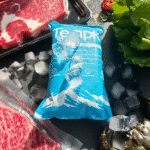
Los mejores ingredientes de mariscos: ¿Está usted cumpliendo con los requisitos de la cadena de frío??
Actualizado en diciembre 28 2025
Pescado fresco, Los mariscos y crustáceos son ingredientes preciados en la cultura culinaria., pero también se encuentran entre los alimentos más perecederos. Mantener estas delicias dentro de estrictos estándares de temperatura y manipulación desde la captura hasta la cocina evita su deterioro., protege la salud pública y preserva el sabor. En esta guía aprenderá por qué es importante la cadena de frío., qué marcos regulatorios se aplican, qué tecnologías de envasado y seguimiento utilizar y cómo implementar la trazabilidad y el aseguramiento de la calidad. Al final, entenderás cómo encontrarte requisitos de la cadena de frío y mantenga sus ingredientes de mariscos en su mejor momento.
Este artículo responderá:
¿Por qué son importantes los requisitos de la cadena de frío para los ingredientes del marisco?? Más información sobre estándares de temperatura de mariscos, prevención de enfermedades transmitidas por alimentos y la ciencia del deterioro.
¿Qué marcos regulatorios y de calidad rigen las cadenas de frío de los productos del mar?? Explorar HACCP, Reglas de trazabilidad de la FSMA, Requisitos del Código Alimentario de la FDA y Regulaciones de la UE.
¿Qué soluciones de embalaje y aislamiento preservan la calidad de los productos del mar?? Descubrir contenedores aislados, paquetes de gel, Envasado al vacío y en atmósfera modificada., etiquetas inteligentes y materiales sostenibles.
¿Cómo protegen los sensores y el monitoreo en tiempo real la seguridad de los productos del mar?? Entender sensores de iot, análisis predictivo, Alertas de IA y diferencias entre las cadenas de frío tradicionales y las tecnológicas.
¿Cómo es la trazabilidad eficaz de los productos del mar?? Más información sobre códigos QR, Etiquetas RFID, mantenimiento de registros digitales y Capacitación en toda la cadena de suministro..
¿Cómo se pueden implementar procedimientos de garantía de calidad desde el muelle hasta la distribución?? Revisar un 10plano de paso, recibir listas de verificación de inspección y pautas de enfriamiento de dos etapas.
¿Qué tendencias están dando forma a la cadena de frío de productos del mar en 2025? Explorar integración de sensores, sostenibilidad, automatización y cronogramas regulatorios.
¿Por qué son importantes los requisitos de la cadena de frío para los ingredientes de los mariscos??
Los requisitos de la cadena de frío son esenciales porque los productos del mar se deterioran rápidamente cuando las temperaturas superan los rangos seguros.. Las bacterias se multiplican rápidamente en el pescado rico en proteínas, haciéndolo inseguro y poco apetecible si ingresa a la “zona de peligro” (apenas 5 °C a 57 °C) por períodos prolongados. Los mariscos frescos deben conservarse entre 0 °C y 5 °C (32 °F a 41 °F), mientras que los mariscos congelados deben permanecer a -18 °C (0 °F) o más frío. Estos límites están consagrados en EE.UU.. Código alimentario de la FDA y directrices internacionales para frenar el deterioro y prevenir enfermedades transmitidas por los alimentos.
Los mariscos son una de las causas más comunes de brotes transmitidos por alimentos debido a un almacenamiento y manipulación inadecuados.. Los EE. UU.. Los Centros para el Control y la Prevención de Enfermedades estiman que 48 Millones de estadounidenses sufren enfermedades transmitidas por los alimentos cada año.. El deterioro no sólo amenaza la salud sino que también provoca pérdidas económicas y desperdicio de recursos.. Mantener una cadena de frío continua: una red de recipientes con temperatura controlada, instalaciones, Vehículos y equipos: conserva la textura., Sabor y valor nutricional desde el momento de la captura hasta el punto de consumo..
Normas de temperatura para el pescado., mariscos y crustáceos
Las diferentes categorías de productos del mar requieren temperaturas de manipulación específicas para mantener la calidad.. La siguiente tabla resume los rangos recomendados y destaca cómo su cumplimiento le beneficia a usted y a sus clientes..
| categoría de mariscos | Temperatura recomendada | Beneficios de calidad | Lo que significa para ti |
| Pescado fresco (salmón, atún, bacalao) | 0 °C a 4 °C (32 °F a 39 °F) | Retarda el crecimiento microbiano, Mantiene la firmeza y reduce la pérdida por goteo. | El enfriamiento rápido preserva el color y la textura.; El glaseado adecuado prolonga la vida útil en días.. |
| Mariscos (ostras, mejillones, almejas) | 0 °C a 5 °C (32 °F a 41 °F) | Previene la proliferación de vibrio y norovirus.; mantiene la vitalidad viva | Utilice hielo en escamas o agua de mar refrigerada.; Evite apilar contenedores que restrinjan el flujo de aire.. |
| Crustáceos (camarón, langosta, cangrejo) | −1°C a 4 °C (30 °F a 39 °F) para refrigerados, −18 °C o menos para congelados | Conserva la dulzura y la textura.; previene la degradación enzimática | Manipular con cuidado para evitar aplastamientos.; empacar con bolsas de hielo en gel para estabilizar la temperatura durante el transporte. |
| Productos del mar congelados | −18 °C o menos | Detiene la actividad microbiana y las reacciones enzimáticas., asegurando la calidad | Utilice cajas aisladas con materiales de cambio de fase.; monitorear el rendimiento del congelador regularmente. |
Consejos prácticos para mantener la temperatura de los mariscos
Enfriar inmediatamente después de la captura: El enfriamiento rápido del recipiente utilizando hielo en suspensión o agua de mar refrigerada previene el crecimiento bacteriano. El pescado debe alcanzar 0 °C dentro de las dos horas posteriores al aterrizaje para máxima frescura.
Utilice un embalaje adecuado: Los contenedores aislados y las bolsas de hielo en gel crean microclimas estables. Envasado al vacío o envasado en atmósfera modificada. (MAPA) reduce aún más la exposición al oxígeno y retarda la oxidación.
Monitorear continuamente: Los sensores y registradores de datos de IoT brindan visibilidad en tiempo real de la temperatura y la humedad, alertarle sobre desviaciones antes de que causen daños.
Mantenga el equipo calibrado: Calibre los termómetros periódicamente, Congeladores y dispositivos de monitoreo para garantizar la precisión..
Separar frescos y congelados: Almacene los productos refrigerados y congelados en zonas distintas para evitar la contaminación cruzada y las fluctuaciones de temperatura..
¿Qué marcos regulatorios y de calidad rigen las cadenas de frío de productos del mar??
Las cadenas de frío de productos del mar se rigen por marcos internacionales y nacionales que establecen límites de temperatura, estándares de saneamiento y requisitos de mantenimiento de registros. Comprender estas reglas es crucial para su cumplimiento y protección de la salud pública.. Los marcos clave incluyen análisis de peligros y puntos de control críticos. (HACCP) planes, Estados Unidos. Ley de modernización de la seguridad alimentaria (FSMA), el código alimentario de la FDA, Reglamento de la Unión Europea 852/2004 y la Organización de las Naciones Unidas para la Alimentación y la Agricultura (Fao) pautas.
Respuesta directa y puntos clave.
El Código Alimentario de la FDA exige alimentos fríos, incluyendo mariscos, para ser almacenado en 41 °F (5 °C) o debajo, y alimentos congelados en 0 °F (−18°C) o debajo. Regulaciones HACCP (21 Parte CFR 123) exigir que los procesadores de productos del mar identifiquen los puntos de control críticos, establecer procedimientos de seguimiento e implementar acciones correctivas. La norma final de la FSMA sobre trazabilidad (Sección 204) requiere que los actores de la cadena de suministro mantengan elementos de datos clave en eventos de seguimiento críticos y los proporcionen a la FDA dentro de 24 horas. El plazo de cumplimiento de esta norma se amplía hasta julio 20 2028, dar tiempo a las empresas para adoptar sistemas de mantenimiento de registros digitales. Regulación de la UE 852/2004 y las directrices de la FAO también hacen hincapié en el control de la temperatura., Higiene y trazabilidad en el comercio internacional de productos del mar..
Marcos y requisitos
| Estructura | lo que cubre | Requisito clave | Importancia para ti |
| HACCP (21 Parte CFR 123) | Plan de seguridad del pescado y productos pesqueros. | Identificar peligros, monitorear puntos críticos, verificar procedimientos | Previene la contaminación, garantiza una calidad constante y es un requisito para EE. UU.. procesadores. |
| Código de comida de la FDA | Pautas para el servicio de alimentos y el comercio minorista | Mantenga los alimentos fríos a 41 °F o menos y alimentos congelados a 0 °F o menos | Establece temperaturas de funcionamiento para el almacenamiento., transporte y exhibición. |
| Regla final de la FSMA sobre trazabilidad (Sección 204) | Mantenimiento de registros y trazabilidad | Recopile elementos de datos clave en eventos de seguimiento críticos; proporcionar registros a la FDA dentro de 24 horas | Facilita los retiros rápidos y la transparencia.; fecha límite de cumplimiento julio 20 2028. |
| Regulación de la UE 852/2004 | Higiene de los alimentos. | Mantener la cadena de frío durante el almacenamiento y transporte.; implementar procedimientos basados en HACCP | Los importadores de la UE exigen prueba de cumplimiento; no cumplir con los estándares puede impedir la entrada. |
| Código de conducta y directrices de la FAO | Pesca y procesamiento sostenibles | Recomendar 0 °C de almacenamiento para pescado fresco, sistemas de manipulación higiénica y trazabilidad | Proporciona mejores prácticas globales y apoya el acceso a los mercados internacionales.. |
Elementos de datos clave y cronograma de cumplimiento
La regla de trazabilidad de la FSMA requiere que cada entidad que fabrique, procesos, empaca o mantiene productos del mar en la Lista de Trazabilidad de Alimentos para recopilar elementos de datos clave (KDE) en eventos de seguimiento críticos (CTE) como la cosecha, recepción, transporte y transformación. Los KDE incluyen identificadores de unidades, descripciones de productos, fechas y horas, cantidades e información de contacto comercial. Los sistemas digitales deberían permitir una fácil recuperación de estos datos dentro de 24 horas. Con el plazo de cumplimiento ampliado hasta julio 20 2028, las empresas pueden implementar de manera proactiva sistemas de mantenimiento de registros y coordinar con los proveedores. El incumplimiento de este requisito puede dar lugar a acciones de cumplimiento y daños a la reputación..
Consejos prácticos y mejores prácticas
Establecer un plan HACCP: Identificar peligros como la formación de histamina., crecimiento de patógenos o contaminación física y definir protocolos de monitoreo en cada punto crítico de control.
Adoptar el mantenimiento de registros digitales: Utilice plataformas basadas en la nube para capturar KDE automáticamente. Las plantillas digitales estandarizan los formatos de datos (p.ej., GS1 o GSSI) y garantizar la trazabilidad entre socios comerciales.
Capacitar al personal: Asegúrese de que los empleados comprendan los requisitos reglamentarios., Saber completar la documentación y poder responder a auditorías o inspecciones..
Manténgase informado sobre las actualizaciones: Revisar periódicamente la FDA, Directrices de la FSMA y la UE. Las fechas de cumplimiento pueden cambiar, y nuevos controles (p.ej., inspecciones basadas en riesgos) puede ser introducido.
Colaborar con proveedores: Alentar a los proveedores a adoptar sistemas comparables.; revisar sus certificados, historial de cumplimiento y capacidad de respuesta durante las auditorías.
Qué soluciones de embalaje y aislamiento preservan la calidad de los productos del mar?
El embalaje adecuado es tan crítico como el control de la temperatura porque protege los productos del mar de las fluctuaciones de temperatura., Daño físico y exposición al oxígeno.. Las soluciones de envasado van desde simples cajas aisladas y paquetes de gel hasta envasado avanzado al vacío y en atmósfera modificada. (MAPA). La selección de la combinación correcta depende del tipo de producto, duración del tránsito, y objetivos de sostenibilidad.
Respuesta directa y conocimientos básicos
Los contenedores isotérmicos y las placas eutécticas son la columna vertebral del transporte de productos del mar, mantener las temperaturas dentro de rangos seguros durante muchas horas o incluso días. Las bolsas de hielo en gel y el hielo seco proporcionan enfriamiento adicional, mientras que el envasado al vacío y el MAP reducen los niveles de oxígeno, ralentizar la oxidación y extender la vida útil. Los paquetes inteligentes habilitados para IoT integran sensores en el embalaje para monitorear la temperatura y la humedad, y algunos incluso detectan gases contaminantes. Opciones sostenibles como revestimientos de papel reciclables., Los biopolímeros y las películas biodegradables están ganando popularidad a medida que los consumidores exigen soluciones ecológicas..
Opciones y consideraciones de embalaje
| Solución de embalaje | Beneficio | Consideraciones | Lo que significa para ti |
| Cajas y revestimientos aislados | Proporcionar aislamiento térmico, mantener los mariscos fríos durante 24 a 48 horas cuando se combina con paquetes de gel | Debe estar debidamente sellado; Reutilizabilidad limitada dependiendo del material. | Ideal para envíos de larga distancia; Elija materiales que equilibren el aislamiento y la sostenibilidad.. |
| Paquetes de hielo de gel & placas eutécticas | Ofrece refrigeración constante y absorbe el calor latente. | El peso añade costo de envío; riesgo de fuga si se perfora | Seleccione paquetes de gel con capas exteriores robustas; congelar a la temperatura adecuada para maximizar la retención del frío. |
| Envasado al vacío & MAPA | Retire el aire o reemplácelo con gases como dióxido de carbono y nitrógeno.; Reducir la oxidación y el crecimiento microbiano. | Requiere equipo especializado y personal capacitado.; riesgo de colapso si se perfora | Útil para filetes de pescado y cortes de alto valor.; extiende la vida útil sin conservantes químicos. |
| sensores de iot & registradores de datos | Incorpore sensores en el embalaje para controlar la temperatura, humedad y golpes; datos accesibles en tiempo real | Requiere conectividad de red y energía de la batería.; consideraciones de privacidad de datos | Proporcionar visibilidad completa; Permitir acciones correctivas inmediatas y documentación de cumplimiento.. |
| Vehículos multitemperatura | Los vehículos con compartimentos separados para productos refrigerados y congelados garantizan que diferentes productos viajen a las temperaturas correctas. | Mayor costo de capital; requiere conductores capacitados | Útil para cargas mixtas; Reduce el riesgo de contaminación cruzada y fluctuación de temperatura.. |
| Películas biodegradables & revestimientos de papel reciclable | Ofrecer alternativas ecológicas; Algunos materiales mantienen la resistencia a bajas temperaturas. | Puede tener una duración de aislamiento más corta; podría requerir películas de barrera secundaria | Apelar a consumidores conscientes del medio ambiente; alinearse con los objetivos de sostenibilidad corporativa. |
Tendencias de envases sostenibles e inteligentes en 2025
La industria pesquera está adoptando innovaciones en envases que no sólo preservan la calidad sino que también reducen el impacto ambiental y mejoran la transparencia.. Películas biodegradables hechas de pectina y celulosa., a menudo se infunden con antimicrobianos como zeolitas cargadas de iones de plata, reducir drásticamente el crecimiento microbiano. Etiquetas inteligentes con comunicación de campo cercano (NFC) o los códigos QR permiten a los actores de la cadena de suministro escanear paquetes y acceder a registros de temperatura, datos de origen y fechas de caducidad. Estas soluciones permiten a los consumidores verificar la frescura y fomentar el consumo responsable.. Además, aumentar los puntos de ajuste del congelador de −18 °C a −15 °C puede reducir el uso de energía en 10 % manteniendo la seguridad, una estrategia cada vez más adoptada por los proveedores 3PL.
Consejos prácticos para el embalaje.
Adaptar el embalaje a las especies: El pescado azul como el salmón se oxida rápidamente; El envasado al vacío o MAP frena el enranciamiento.. Los mariscos necesitan recipientes respirables para mantenerse vivos, mientras que los crustáceos se benefician de las bolsas de hielo en gel para estabilizar la temperatura.
Minimizar el espacio de cabeza: El exceso de aire acelera la oxidación.. Utilice recipientes del tamaño adecuado y llene los huecos con hielo o material de embalaje..
Utilice forros absorbentes: Al usar hielo, incluya almohadillas absorbentes para absorber el agua derretida y evitar la contaminación cruzada.
Considere la reutilización y el reciclaje: Elija envases que puedan reutilizarse o reciclarse fácilmente para reducir los residuos y alinearse con los objetivos de sostenibilidad..
¿Cómo garantizan los sensores y el monitoreo en tiempo real la seguridad de los productos del mar??
Los sensores en tiempo real y las tecnologías de monitoreo brindan visibilidad continua de la temperatura., condiciones de humedad y manipulación, Permitir intervenciones proactivas antes de que la calidad del producto se vea comprometida.. Las cadenas de frío tradicionales dependen de registradores de datos manuales y registros en papel., que solo revelan problemas después de que un envío ha llegado a su destino. Los sistemas modernos integran sensores inalámbricos, análisis predictivos y alertas automatizadas para transformar la cadena de frío de reactiva a predictiva.
Respuesta directa y resumen.
Los sensores de IoT montados en unidades de almacenamiento y vehículos miden la temperatura, humedad, Aperturas de puertas y vibración en tiempo real., enviar datos a plataformas en la nube que generan alertas cuando las lecturas se salen del rango. Las plataformas de análisis predictivo utilizan datos históricos y entradas ambientales para pronosticar cuándo el equipo puede fallar o cuándo la temperatura ambiente puede aumentar durante el tránsito.. Este cambio de una gestión reactiva a una predictiva reduce el deterioro, garantiza el cumplimiento normativo y proporciona tranquilidad a los clientes.
Cadenas de frío tradicionales frente a las tecnológicas
La siguiente tabla compara las características de las cadenas de frío tradicionales con las mejoradas por la tecnología., Ilustrando por qué los sistemas inteligentes se adoptan cada vez más..
| Característica | Cadena de frío tradicional | Cadena de frío habilitada por la tecnología | Lo que significa para ti |
| Recopilación de datos | Registro manual de temperatura y hojas de cálculo.; riesgo de error humano | Datos continuos de sensores IoT transmitidos en tiempo real | La recopilación de datos automatizada elimina las lagunas y reduce los costos laborales. |
| Detección de problemas | Reactivo; desviaciones descubiertas después de la entrega | Proactivo; Los análisis predictivos advierten sobre el aumento de temperaturas o la fatiga del equipo. | Las alertas tempranas permiten acciones correctivas, ahorro de producto y dinero. |
| Accesibilidad de registros | Registros en papel almacenados sin conexión | Paneles de control en vivo accesibles para todas las partes interesadas | Mejora la transparencia y facilita las auditorías.. |
| Informes regulatorios | Documentación manual y auditorías periódicas. | Informes de cumplimiento generados automáticamente | Simplifica el cumplimiento de HACCP, Estándares FSMA y BRCGS. |
| Visibilidad del cliente | Limitado; Los clientes confían en las garantías de los proveedores. | Cuadros de mando en tiempo real y certificados digitales | Genera confianza y permite la diferenciación de la marca.. |
Análisis predictivo e IA
Las plataformas de análisis predictivo recopilan datos de sensores, Feeds meteorológicos y planificadores de rutas para anticipar variaciones de temperatura o mal funcionamiento del equipo.. Los algoritmos de IA pueden recomendar desviar los envíos, ajustar los puntos de configuración de refrigeración o desplegar equipos de mantenimiento antes de que ocurran averías. Por ejemplo, Aumentar los puntos de ajuste del congelador a −15 °C puede ahorrar energía, mientras que los análisis predictivos garantizan que esto no comprometa la seguridad alimentaria.. Con el tiempo, Estos sistemas mejoran la precisión al aprender patrones en sus operaciones..
Consejos prácticos para la implementación de sensores
Identificar puntos críticos: Instale sensores en los lugares más propensos a cambios de temperatura: cerca de las puertas, en estantes superiores, y dentro de contenedores de envío.
Integrar con software: Elija plataformas que consoliden datos de múltiples sensores y proporcionen paneles fáciles de usar. Busque funciones como geocercas, Alertas automáticas e integración con su sistema de gestión de almacén..
Probar alertas y establecer umbrales: Calibre sensores y configure umbrales de alerta según los rangos de temperatura seguros de su producto. Realizar pruebas de simulación para garantizar que las alertas se activen correctamente.
Capacitar al personal sobre la respuesta.: Desarrollar protocolos para responder a alertas., como agregar hielo, ajustar el equipo o redireccionar los envíos. Los simulacros regulares refuerzan la preparación.
Estudio de caso
Ejemplo del mundo real: Un distribuidor de productos del mar instaló sensores IoT en sus vehículos frigoríficos y almacenes. Cuando los sensores detectaron un ligero aumento por encima 4 °C durante un envío de verano, el sistema envió una alerta inmediata. El personal desvió el camión a una instalación más cercana., Se agregaron paquetes de gel adicionales y se redujo la temperatura del compartimiento.. El producto llegó dentro de límites seguros., y la empresa evitó un costoso rechazo. El análisis predictivo también identificó un patrón de aumento de temperaturas en un vehículo en particular., Impulsando un mantenimiento preventivo que evitó fallas futuras..
¿Cómo es la trazabilidad efectiva de los productos del mar??
La trazabilidad efectiva significa poder rastrear los productos del mar desde la cosecha hasta el plato., garantizar que cada paso esté documentado, verificable y transparente. La trazabilidad reduce el etiquetado incorrecto, facilita las retiradas y genera confianza en el consumidor. Un metaanálisis encontró tasas promedio de etiquetado incorrecto en productos del mar 39.1 %, con 26.2 % sustitución. Sistemas de trazabilidad digital que combinan códigos QR, Las etiquetas RFID y blockchain reducen estos riesgos.
Respuesta directa y mejores prácticas.
Los sistemas de etiquetado, como códigos QR y etiquetas RFID, mantienen la información de la cadena de custodia desde los buques de captura hasta los minoristas., permitiendo el escaneo en cada punto crítico y vinculando a registros digitales. Formatos de datos estandarizados (GS1, GSSI) y las plantillas garantizan la coherencia y la interoperabilidad entre los socios de la cadena de suministro. Las herramientas de seguimiento en tiempo real utilizan GPS y sensores para proporcionar datos de ubicación y temperatura., mientras que blockchain ofrece registros inmutables que evitan la manipulación. La trazabilidad efectiva también depende de la capacitación del personal para ingresar datos correctamente y utilizar herramientas digitales..
Componentes de un sistema de trazabilidad
| Componente | Descripción | Beneficio | Importancia para ti |
| Identificadores únicos | Asigne una identificación única o un código de lote a cada lote; usar códigos de barras, Códigos QR o etiquetas RFID | Previene confusiones y permite retiradas precisas | Permite una rápida identificación de los lotes impactados., ahorrar tiempo y dinero en un retiro. |
| Datos estandarizados | Utilice los estándares GS1 o GSSI para los nombres de productos, zonas de captura, ID y fechas de los buques | Garantiza que los datos se puedan compartir entre sistemas | Elimina la confusión y apoya el comercio internacional.. |
| Mantenimiento de registros digitales | Los sistemas basados en la nube capturan la cosecha, tratamiento, datos de almacenamiento y envío; accesible a través de dispositivos móviles | Proporciona visibilidad en tiempo real y cumple con los requisitos de FSMA KDE | Acelera los informes regulatorios y genera confianza con los clientes. |
| Seguimiento en tiempo real | GPS y sensores monitorean la ubicación, Temperatura y humedad durante el transporte. | Señala retrasos o variaciones de temperatura antes de que afecten la calidad | Permite una intervención proactiva y reduce el deterioro.. |
| Formación y colaboración | Educar a los pescadores, procesadores, distribuidores y minoristas sobre entrada de datos y uso de herramientas | Minimiza errores y garantiza registros consistentes | Construye una cultura de responsabilidad y mejora continua.. |
| Almacenamiento seguro (p.ej., cadena de bloques) | Blockchain o libros de contabilidad distribuidos almacenan registros de forma inmutable; cada paso tiene una marca de tiempo y es verificable | Previene la manipulación y aumenta la transparencia. | Reduce el fraude y el etiquetado incorrecto, protegiendo tu marca. |
Capacitación y colaboración en toda la cadena de suministro.
La trazabilidad es tan fuerte como su eslabón más débil. La inversión en tecnología debe ir acompañada de formación y colaboración. Proporcionar paneles de control basados en roles que muestren a los usuarios solo los datos relevantes para ellos., y organizar talleres sobre procedimientos de ingreso y escaneo de datos.. Alentar a los pescadores a registrar los tiempos de captura, métodos de captura y coordenadas GPS con precisión. Los procesadores deben registrar los tiempos de recepción, temperaturas y condiciones de manipulación. Los distribuidores deben escanear los envíos al cargar y descargar, y los minoristas deben verificar las identificaciones de los productos a su llegada.. Auditorías periódicas y revisiones de desempeño refuerzan el cumplimiento.
Consejos prácticos para mejorar la trazabilidad
Empezar poco a poco: Implementar primero el etiquetado y el mantenimiento de registros digitales en las especies de alto riesgo.. Amplíe una vez que refine sus procesos.
Usar relaciones entre padres e hijos: Cuando los productos se dividen o combinan, Mantener vínculos entre los lotes originales y nuevos para garantizar una trazabilidad completa..
Integrar con sensores: Combine datos de trazabilidad con lecturas de temperatura y humedad de sensores para obtener una imagen completa del historial del producto..
Pruebe su sistema: Realice retiros simulados para garantizar que sus registros permitan una rápida identificación y eliminación de los productos afectados..
Procedimientos de garantía de calidad: Un plan desde el muelle hasta la entrega
Seguro de calidad (QA) garantiza que los protocolos de la cadena de frío se ejecuten de manera consistente, reducir la probabilidad de deterioro y garantizar el cumplimiento normativo. Sin un programa formal de control de calidad, pequeños errores en el control de la temperatura, La manipulación o la documentación pueden acumularse y provocar el rechazo del producto o enfermedades..
Respuesta directa y puntos principales.
Un programa integral de control de calidad comienza con la aprobación del proveedor y se extiende hasta las verificaciones previas al envío., recibiendo inspecciones, planes de muestreo, zonificación de almacenamiento, practicas sanitarias, controles de proceso, empacar reglas, seguimiento y revisión de registros, y acciones correctivas. Las fallas comunes incluyen el tiempo excesivo en los muelles., enfriamiento desigual, producto en contacto con agua de deshielo, y trazabilidad débil. Abordar estos problemas requiere protocolos claros, formación y mejora continua.
plano de control de calidad: diez pasos para mariscos
| Paso | Actividades clave | Objetivo | Importancia para ti |
| 1. Aprobación del proveedor & cuadros de mando | Evaluar proveedores en función del control de temperatura., integridad del embalaje, documentación, capacidad de respuesta y coherencia | Garantiza que las materias primas sean seguras y de alta calidad. | Utilice cuadros de mando para clasificar a los proveedores en niveles bajos., riesgo medio o alto. |
| 2. Requisitos previos al envío | Confirmar la temperatura del producto, condición del embalaje y documentación antes del envío | Evita que productos defectuosos o que no cumplan con las normas entren en sus instalaciones | Reduce el riesgo de deterioro y garantiza el cumplimiento normativo.. |
| 3. Recibir inspección | Consultar temperaturas a la llegada., examinar el embalaje y la limpieza, verificar etiquetas y documentación y decidir aceptar, retener o rechazar | Proporciona control inmediato en el primer punto de su proceso. | Utilice listas de verificación digitales para documentar los hallazgos y crear pistas de auditoría. |
| 4. Muestreo y prueba | Pruebe aleatoriamente la temperatura del producto, contenido de humedad, niveles de histamina o patógenos | Detecta defectos ocultos y verifica las reclamaciones de los proveedores. | Ayuda a identificar problemas sistémicos en la cadena de suministro.. |
| 5. Zonificación de almacenamiento | Asignar zonas separadas para refrigeración., productos congelados y vivos; controlar la temperatura y la humedad | Previene la contaminación cruzada y mantiene condiciones óptimas. | Utilice zonas codificadas por colores para simplificar la capacitación y las auditorías. |
| 6. Saneamiento e higiene | Equipo limpio, contenedores e instalaciones periódicamente; implementar Buenas Prácticas de Manufactura (BPF) y POE de saneamiento | Reduce la contaminación microbiana y los olores. | Documentar los horarios de limpieza y verificar su finalización.. |
| 7. Controles de proceso | Monitorizar y controlar procesos como el acristalamiento., porcionado y envasado; mantener la temperatura y evitar la contaminación cruzada | Garantiza la uniformidad y seguridad del producto. | Utilice registros de calibración y gráficos de procesos para realizar un seguimiento de las desviaciones. |
| 8. empacar reglas | Utilice un embalaje adecuado, paquetes de hielo o gel; garantizar un sellado y etiquetado adecuados | Protege el producto durante el envío y cumple con los requisitos del cliente. | Estandarizar los procedimientos de empaque y capacitar al personal.. |
| 9. Escucha & revisión de registros | Monitorear continuamente la temperatura, humedad y manejo; revisar registros para detectar tendencias y anomalías | Proporciona garantía continua y apoya la mejora continua. | Utilice paneles digitales para simplificar la revisión y compartir información. |
| 10. Acciones correctivas & mejora continua | Definir acciones a tomar cuando ocurran desviaciones.; realizar análisis de causa raíz y actualizar procedimientos | Previene la recurrencia y promueve el aprendizaje. | Documentar las acciones correctivas y verificar la efectividad.. |
Inspección de recepción y enfriamiento de dos etapas.
Al recibir mariscos, inspeccionar la temperatura de cada envío, embalaje y condición. Utilice un termómetro o sonda infrarroja para medir la temperatura interna y de la superficie.. Si la temperatura de un producto excede el rango aceptable, ponerlo en espera e investigar con el proveedor. Cuando se trata de mariscos cocidos, siga las pautas de enfriamiento de dos etapas de la FDA: fresco de 135 °F (57 °C) a 70 °F (21 °C) dentro de dos horas, y de 70 °F a 41 °F (5 °C) dentro de cuatro horas adicionales. El enfriamiento rápido previene la germinación de esporas y la producción de toxinas..
Consejos prácticos para la implementación del control de calidad
Cree listas de verificación y diagramas de flujo: Las herramientas visuales ayudan al personal a comprender y seguir los procedimientos de manera consistente.
Digitalizar las inspecciones: Utilice aplicaciones móviles para capturar lecturas de temperatura y fotografías.; generar automáticamente informes para auditorías.
Revisar el desempeño de los proveedores: Utilice cuadros de mando y análisis de tendencias para identificar proveedores de alto riesgo y trabajar con ellos para mejorar..
Realizar auditorías internas.: Revise periódicamente su programa de control de calidad para identificar lagunas y actualizar los procedimientos..
Fomentar la retroalimentación: Invitar a los empleados a informar problemas y sugerir mejoras.. La mejora continua requiere colaboración.
2025 Tendencias e innovaciones en la cadena de frío de productos del mar
La cadena de frío de los productos del mar está evolucionando rápidamente a medida que la tecnología y las expectativas de los consumidores dan forma a la forma en que se manipulan y venden los pescados y mariscos.. De los sensores a la sostenibilidad, mantenerse a la vanguardia de estas tendencias le ayuda a preparar sus operaciones para el futuro.
Descripción general de la tendencia
El mercado mundial de la cadena de frío está en auge, con predicciones de un crecimiento constante impulsado por regulaciones más estrictas y una creciente demanda de alimentos perecederos de alta calidad.. Adopción de sensores en tiempo real, Los análisis predictivos impulsados por IA y la trazabilidad de blockchain están aumentando la transparencia y reduciendo el deterioro.. 3Los proveedores de PL invierten en automatización y robótica para la clasificación y el embalaje, así como estrategias sostenibles como aumentar los puntos de ajuste del congelador de −18 °C a −15 °C para reducir el uso de energía en 10 % manteniendo la seguridad. Los envases inteligentes habilitados para IoT están ganando impulso, permitiendo a los consumidores verificar la frescura con un escaneo rápido.
Último progreso de un vistazo
Redes de sensores integradas: Los sensores y registradores de datos de IoT ahora monitorean la temperatura, humedad, Choques y vibraciones a través de los vasos., almacenes y vehiculos, proporcionando alertas en tiempo real.
Análisis predictivo e IA: Las plataformas analizan datos de sensores y factores ambientales para pronosticar fallas de equipos y recomendar acciones correctivas..
Embalajes y etiquetas inteligentes: Etiquetas NFC, Los códigos QR y los indicadores de tiempo y temperatura permiten a las partes interesadas y a los consumidores escanear paquetes y ver registros de temperatura y procedencia..
Operaciones sustentables: El aumento de los puntos de ajuste del congelador y el uso de películas biodegradables reducen la huella de carbono sin comprometer la seguridad..
Automatización y robótica.: Los sistemas robóticos de recogida y clasificación manipulan los productos del mar con cuidado y rapidez, Reducir el error humano y los costos laborales.. Combinado con IA, optimizan los diseños de almacenamiento y los patrones de carga.
Microcumplimiento y localización: Pequeño, Los centros de almacenamiento en frío ubicados estratégicamente reducen los tiempos de entrega y admiten la entrega el mismo día., Satisfacer las expectativas del consumidor en cuanto a frescura y comodidad..
Gemelos digitales y simulación: Los modelos virtuales de instalaciones de cadena de frío permiten a los operadores probar escenarios, optimizar el uso de energía y predecir las necesidades de mantenimiento.
Trazabilidad y cumplimiento global: La sección extendida de FSMA 204 La fecha límite da tiempo a las empresas para adoptar sistemas digitales.. La industria avanza hacia estándares de datos universales para simplificar el comercio transfronterizo.
Ideas del mercado
Los consumidores son cada vez más conscientes de la sostenibilidad y la transparencia. Las encuestas muestran una creciente disposición a pagar más por envases ecológicos y productos del mar de origen responsable. Al mismo tiempo, Las consideraciones de costos siguen siendo críticas para los productores y distribuidores.. Lograr el equilibrio entre sostenibilidad, El cumplimiento y la rentabilidad requieren la adopción de tecnologías que mejoren la eficiencia y al mismo tiempo se alineen con las demandas regulatorias.. Los mercados de Asia y América Latina están adoptando sistemas de trazabilidad digital para cumplir con los requisitos de importación en Europa y América del Norte.. Aquellos que se adapten temprano obtendrán acceso a mercados premium y generarán lealtad a la marca..
Preguntas frecuentes
Q1: ¿Cuál es el rango de temperatura seguro para los mariscos frescos y congelados??
El pescado y los mariscos frescos deben almacenarse entre 0 °C y 5 °C, mientras que los productos congelados deben mantenerse a -18 °C o menos. Estas gamas previenen el crecimiento bacteriano y mantienen la textura.. Utilice termómetros digitales y monitoreo continuo para garantizar el cumplimiento..
Q2: ¿Cuánto tiempo puede permanecer el pescado fuera de la cadena de frío antes de que se eche a perder??
El pescado debe enfriarse hasta 0 °C dentro de las dos horas posteriores a la cosecha. A temperatura ambiente, las bacterias se multiplican rápidamente, y la calidad se deteriora en cuestión de horas. Mantenga siempre los mariscos helados o refrigerados durante su manipulación y transporte..
Q3: ¿Qué debo buscar en un proveedor de productos del mar para garantizar la calidad??
Utilice cuadros de mando de proveedores para evaluar el control de temperatura, embalaje, documentación, capacidad de respuesta y coherencia. Solicitar planes HACCP, certificados de cumplimiento y registros de temperatura. Realizar auditorías y establecer expectativas claras para acciones correctivas..
Q4: ¿Cómo mejora la trazabilidad digital la seguridad alimentaria??
Los sistemas de trazabilidad digital registran elementos de datos clave en eventos de seguimiento críticos, permitiendo una rápida identificación de los lotes afectados durante las retiradas. Reducen el etiquetado incorrecto y el fraude, aumentar la transparencia y satisfacer los requisitos reglamentarios. Las etiquetas escaneables conectan productos físicos con sus historiales digitales, dar confianza a las partes interesadas y a los consumidores.
Q5: ¿Cuáles son los beneficios del uso de sensores IoT en las cadenas de frío de productos del mar??
Los sensores de IoT proporcionan, datos en tiempo real sobre la temperatura, humedad y otras variables, reducir el error humano y permitir intervenciones proactivas. Los análisis predictivos advierten de fallos en los equipos, mientras que los paneles en la nube simplifican el cumplimiento y generan confianza. Con el tiempo, Estos sistemas reducen el deterioro., reducir los costos de energía y mejorar la eficiencia.
Q6: ¿Las opciones de embalaje sostenible son lo suficientemente duraderas para el transporte de productos del mar??
Sí. Las películas biodegradables modernas y los revestimientos de papel reciclables mantienen su resistencia a bajas temperaturas y pueden incluir agentes antimicrobianos.. Si bien algunos pueden tener una duración de aislamiento más corta, combinarlos con paquetes de gel y revestimientos aislantes ofrece un rendimiento comparable al del plástico tradicional y, al mismo tiempo, reduce el impacto ambiental..
P7: ¿Cuándo es la Sección FSMA? 204 plazo de cumplimiento de la regla de trazabilidad?
El plazo de cumplimiento se amplía hasta julio 20 2028. Sin embargo, La adopción temprana del mantenimiento de registros digitales le permite perfeccionar los procesos., reduzca el papeleo manual y obtenga una ventaja competitiva.
Resumen y recomendaciones
Control de llave:
Requisitos de la cadena de frío para los productos del mar exigen mantener los productos frescos en 0 °C a 5 °C y productos congelados a −18 °C o menos. Un control inadecuado provoca deterioro, enfermedades transmitidas por alimentos y pérdidas financieras.
Regulatory frameworks como HACCP, FSMA y Reglamento de la UE 852/2004 Requiere control de temperatura., saneamiento y trazabilidad; La fecha límite de la Sección 204 de la FSMA es julio 20 2028.
Soluciones de embalaje van desde cajas aisladas y paquetes de gel hasta envasado al vacío, MAPA e inteligente, materiales ecológicos. La selección de la combinación correcta depende del tipo de producto, Duración del tránsito y objetivos de sostenibilidad..
Monitoreo en tiempo real y análisis predictivo transformar la gestión de la cadena de frío de reactiva a proactiva; Los sensores de IoT proporcionan datos continuos y alertas tempranas.
Trazabilidad y garantía de calidad requieren identificadores únicos, datos estandarizados, mantenimiento de registros digitales y capacitación en toda la cadena de suministro. Los mariscos mal etiquetados siguen siendo una preocupación, enfatizando la necesidad de sistemas robustos.
Próximos pasos viables
Audite su cadena de frío de mariscos: Mapee cada etapa desde la captura hasta el consumidor, observar posibles puntos de desviación de temperatura o lagunas en la documentación.
Implementar protocolos HACCP y QA.: Desarrollar un plan de peligro, Establecer puntos críticos de control y diseñar listas de verificación para la recepción., almacenamiento y envío. Utilice herramientas digitales para capturar y revisar datos..
Invierta en sensores y sistemas digitales: Comience con sensores de temperatura y humedad de IoT e intégrelos con una plataforma en la nube que admita análisis predictivos y requisitos de FSMA KDE.
Paquete de actualización: Elija el aislamiento adecuado, paquetes de gel y soluciones de vacío o MAP según la especie y el tiempo de tránsito. Evaluar películas biodegradables y revestimientos reciclables para alinearse con los objetivos de sostenibilidad.
Fortalecer la trazabilidad: Adopte los estándares GS1 o GSSI, implementar etiquetado QR o RFID, y capacitar al personal en la entrada y escaneo de datos.. Pruebe su sistema con retiros simulados y ajuste los procesos en consecuencia.
Colaborar en toda la cadena de suministro: Compartir expectativas con los proveedores., transportistas y minoristas. Llevar a cabo sesiones de capacitación conjuntas y fomentar la retroalimentación para impulsar la mejora continua..
Acerca de Tempk
Tempk es pionero en envasado con cadena de frío, sensores y soluciones de monitorización. Nosotros diseñar contenedores isotérmicos, Materiales de cambio de fase y paquetes de gel que mantienen los mariscos a la temperatura adecuada durante el transporte.. Nuestro El embalaje inteligente integra sensores que monitorean la temperatura y la humedad en tiempo real., Proporcionar alertas para evitar excursiones.. Nosotros También ofrecemos plataformas digitales para la trazabilidad., permitir a los clientes recopilar elementos de datos clave y cumplir con la sección FSMA 204. La sostenibilidad es fundamental para nuestra misión.; nuestro La gama incluye películas biodegradables y soportes reciclables que protegen sus productos y el planeta.. Asóciese con nosotros para asegurar su cadena de suministro de productos del mar y deleitar a los clientes con los ingredientes más frescos.
Llamado a la acción: Listo para mejorar sus operaciones de productos del mar? Póngase en contacto con Tempk hoy para obtener soluciones personalizadas en embalaje, Monitoreo y trazabilidad que mantienen sus ingredientes seguros., sostenible y compatible.