Cómo elegir bolsas térmicas aislantes en 2025: Una guía completa
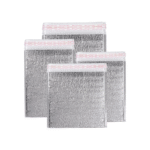
Bolsas térmicas aislantes ya no son un simple accesorio; they are an integral part of the cadena de frío system. En 2025, elegir la bolsa adecuada significa equilibrar el rendimiento, Tamaño y sostenibilidad cumpliendo con estrictos requisitos de temperatura.. Según expertos en cadena de frío, Las bolsas mal aisladas pueden estropear los productos o retrasar las entregas.. Esta guía completa responde a sus preguntas principales y le muestra cómo seleccionar, empacar y mantener un bolsa de refrigerador aislada que mantiene seguros los alimentos y los medicamentos.
Esta guía responderá:
¿Qué hace que una bolsa térmica aislante funcione y por qué es importante?? Conozca los sistemas de aislamiento multicapa y películas reflectantes..
¿Qué características debes buscar al comprar?? Descubra factores críticos como el espesor del aislamiento, durabilidad y resistencia a fugas.
¿Cómo eliges el tamaño adecuado para tu ruta y carga útil?? Obtenga reglas de tamaño basadas en patrones de parada y tipo de producto.
¿Cómo se puede empacar y manejar una bolsa para lograr el máximo tiempo de espera?? Siga las rutinas de embalaje paso a paso y los consejos para evitar errores.
¿Cuáles son los últimos avances y tendencias en 2025? Explore innovaciones como los paneles aislados al vacío, Insertos modulares y refrigeradores inteligentes..
¿Qué hace una bolsa térmica aislante y cómo funciona??
Una bolsa térmica aislada ralentiza la transferencia de calor para que sus productos permanezcan fríos o calientes por más tiempo. En lugar de una sola capa, Las bolsas modernas utilizan aislamiento multicapa para crear una barrera entre el contenido y el medio ambiente.. El polietileno o la espuma de células cerradas proporcionan bolsas de aire que ralentizan la conducción, mientras que las películas metalizadas reflejan el calor radiante.. Los diseños de alto rendimiento integran paneles aislados al vacío (VIP) y materiales de cambio de fase para mantener rangos de temperatura precisos, como de 2 a 8 °C para productos farmacéuticos. Cuando se usa correctamente, una bolsa térmica aislante reduce el deterioro, protege la potencia de la vacuna y cumple con los requisitos reglamentarios de temperatura.
Aislamiento y materiales en capas.
Una bolsa térmica típica contiene cuatro capas.:
| Capa | Objetivo | Beneficio |
| Tejido exterior | Protege el aislamiento interior de la abrasión y la humedad. | Las superficies duraderas, como la tela Oxford o el PET reciclado, resisten desgarros y suciedad. |
| Núcleo de espuma (EPE, PU o XPE) | Proporciona bolsas de aire que ralentizan la transferencia de calor. | Las espumas de celda cerrada ofrecen valores R más altos (hasta R6.0/pulgada) en comparación con materiales de celda abierta |
| película reflectante | Refleja el calor radiante lejos de la bolsa. | Las películas finas de aluminio o PE metalizado aumentan el valor R general y preservan los artículos fríos y calientes. |
| Forro interior | Crea un alimento seguro, superficie lavable y sella las costuras | Materiales como PEVA o plástico soldado evitan fugas y son fáciles de limpiar |
Diferentes clases de temperatura requieren diferentes combinaciones de materiales. Bienes congelados (< 0ºC) puede combinar aislamiento de espuma con hielo seco o PCM, artículos fríos (1–4 ° C) usar paquetes de gel, mientras que los bienes ambientales dependen únicamente del aislamiento.
Rendimiento térmico y valores R
Resistencia térmica (Valor R) Mide la eficacia con la que un material resiste el flujo de calor.. Las espumas de PU o XPE de celda cerrada ofrecen R6.0 por pulgada, mientras que la espuma EPE común proporciona alrededor de R3,6 a 4,2 por pulgada. Agregar revestimientos reflectantes y aumentar el espesor de la espuma aumenta el valor R general. Las pruebas internas mostraron que una bolsa de espuma EPE de 8 mm con papel de aluminio se mantuvo bolsas de hielo por debajo de 10°C durante 6,5 horas y comida caliente por encima de 50°C durante 4,2 horas en condiciones ambientales de 25°C. Las bolsas de alta gama que utilizan VIP y PCM pueden mantener la temperatura de las vacunas durante más de 72 horas.
Por qué son importantes el espesor del aislamiento y el sellado
Los consumidores a menudo se centran únicamente en el espesor del aislamiento., pero el sellado y la manipulación son igualmente importantes. Una bolsa con espuma espesa aún puede fallar si entra aire caliente a través de cremalleras sueltas, costuras débiles o espacio extra vacío. Cremalleras apretadas, solapas dobles y costuras soldadas mantienen el aire caliente fuera, preservando la temperatura interna. Empacar los productos congelados juntos y limitar las repetidas aperturas minimiza la “mezcla caliente” y extiende el tiempo de espera..
Ilustración: Una sección transversal de una bolsa térmica aislada muestra la tela exterior., aislamiento de espuma, lámina reflectante y un forro apto para alimentos. Las bolsas de hielo y los alimentos descansan dentro de la bolsa..
Consejos prácticos para controlar la temperatura
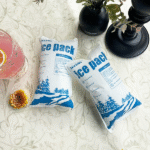
Preenfriar la bolsa: Enfríe una bolsa vacía con paquetes de gel durante 10 a 20 minutos antes de cargarla para aumentar la capacidad de frío..
Forrar la base: Coloque una fina fuente de frío en el fondo para estabilizar las temperaturas y evitar bolsas de aire caliente..
Agrupar productos congelados: Mantenga los productos congelados juntos para reducir la mezcla tibia..
Agregar divisores: Utilice divisores extraíbles para separar productos congelados y refrigerados.; Esto evita la transferencia de calor dentro de la bolsa..
Limitar el tiempo abierto: Cada vez que abres la bolsa pierdes energía fría.; abierto sólo al entregar artículos.
Características clave a tener en cuenta al comprar bolsas térmicas aislantes
Tipo y espesor de aislamiento
Espumas de celda cerrada (EPE o PU) superan a los rellenos de celda abierta; 5–La espuma de 8 mm mejora significativamente el tiempo de sujeción en comparación con la de 3 mm. Highdemand uses like catering or cadena de frío sampling may require 8 mm foam plus sealed zippers to maintain internal temperature for 12–24 hours. Busque construcciones multicapa que combinen espuma., película reflectante y un forro hermético.
Tamaño y capacidad
Elegir el tamaño correcto evita el desperdicio de hielo y mejora la manipulación. Una bolsa de gran tamaño crea un exceso de aire que se calienta más rápido, mientras que una bolsa de tamaño insuficiente aplasta el embalaje y ralentiza la carga. Una regla de tamaño simple es hacer coincidir el volumen de la bolsa con su pedido típico y agregar entre un 20 % y un 30 % adicional para el hielo.. Las bolsas refrigeradoras comerciales varían de 6 litros a 40 litros; 6–Las bolsas de 10 litros son ideales para la entrega de una sola comida, 15–20 litros para pedidos de comestibles y de 30 a 40 litros para catering grupal. Pregunte siempre por las dimensiones interiores, ya que el aislamiento grueso reduce el espacio utilizable..
Sistema de cierre y calidad de sellado.
Cremalleras apretadas, solapas dobles y costuras reforzadas bloquean el aire caliente y evitan fugas. Una cremallera resistente al agua con un tirador grande es más fácil de manejar y es menos probable que se enganche.. Elija bolsas con costuras soldadas y revestimientos a prueba de fugas para reducir las fugas ocultas y mejorar la higiene..
Durabilidad y reutilización
Una bolsa duradera resiste la limpieza diaria, carga y transporte. Paneles antideslizantes reforzados, Las asas cosidas y los revestimientos soldados evitan el desgaste.. Los diseños reutilizables deben ser fáciles de limpiar.; busque revestimientos que se puedan limpiar y materiales que resistan las manchas. En 2025, La sostenibilidad se trata menos de eslóganes y más de reutilización mensurable: bolsas que duran 300 viajes en lugar de 60 reducir la huella y el costo.
Resistencia a la humedad y a las fugas
La condensación y los derrames pueden dañar tanto la bolsa como su contenido.. Los revestimientos resistentes al agua y las costuras selladas evitan que los líquidos se filtren en el aislamiento.. Elija paquetes de gel en lugar de hielo suelto para evitar que se acumule agua y mantener la bolsa limpia..
Portabilidad y personalización
Los materiales ligeros y las asas ergonómicas reducen la fatiga de los mensajeros. Tamaños personalizados, Los divisores extraíbles y la marca impresa ayudan a alinear la bolsa con los requisitos de su negocio.. Algunas hieleras premium ahora incluyen inserciones modulares o revestimientos rígidos para separar los artículos congelados y refrigerados., Mejora de la eficiencia.
Elegir el tamaño adecuado para su ruta y carga útil
Tamaño coincidente con el tiempo de ruta y las paradas
El volumen de una maleta debe reflejar el tiempo de ruta diario, número de paradas y la forma de sus productos. Las bolsas de gran tamaño crean bolsas de aire caliente y pueden reducir el tiempo de espera, Mientras que las bolsas de tamaño insuficiente provocan que el embalaje se aplaste y la carga sea lenta.. Comience midiendo su orden tipico, no el mas grande; luego seleccione una bolsa que pueda acomodar ese pedido más un 20-30% para hielo.
Recomendaciones de tallas para la entrega de comestibles
Utilice la siguiente regla simple para seleccionar un tamaño de bolsa según los patrones de paradas:
| Tipo de ruta | Tamaño de bolsa sugerido | estrategia de hielo | Por que importa |
| 1–2 paradas | Pequeño a mediano | 1–2 paquetes pequeños de gel | Las bolsas más pequeñas reducen la infiltración de aire caliente en cada parada y son más fáciles de transportar. |
| 3–6 paradas | Mediano a grande | Paquetes de gel más divisor | Espacio adicional y divisores separan los productos congelados y refrigerados, mejorando el tiempo de espera |
| Reabastecimiento masivo o 6+ parada | Bolsas grandes o múltiples | Paquetes de gel en capas | Varias bolsas o tamaños más grandes permiten colocar capas y reducir el tiempo de reapertura |
Consejos para seleccionar la talla adecuada
Estabilizar los comestibles: Una base más plana evita que los cartones de leche se vuelquen y las bandejas se deslicen..
Kits de comida aptos: Elija bolsas que contengan cajas estándar sin doblarse ni aplastarse.
Apilar con cuidado: Confirme que el panel base pueda soportar la compresión repetida si necesita apilar bolsas.
Acomoda artículos altos: Utilice bolsas más altas para ensaladas o recipientes verticales para evitar derrames..
Evite sobrellenar: Las bolsas más frescas funcionan mejor cuando se llenan al 80-90% de su capacidad; Las bolsas con poco relleno crean bolsas de aire caliente que reducen la eficiencia del aislamiento..
Embalaje y manipulación para un tiempo de espera máximo
Trate la bolsa como una mini cámara frigorífica
La rutina de embalaje importa tanto como la propia bolsa. Preenfriar la bolsa, construir capas y limitar el intercambio de aire. Cada vez que abres la bolsa “gastas” energía fría; las aperturas repetidas acortan el tiempo de espera.
Rutina de embalaje paso a paso
Preenfriar la bolsa durante 10 a 20 minutos con una bolsa de gel.
Forrar la base con una fina fuente de frío para estabilizar la temperatura.
Coloque los artículos congelados juntos para reducir la mezcla tibia en el interior.
Agregar divisores entre productos congelados y refrigerados o entre cajas y bebidas.
Paquetes de gel de carga superior para rutas con varias paradas para combatir el aire caliente en la apertura.
Herramientas útiles para tomar decisiones
Comprueba los detalles antes de elegir el embalaje.
Estas herramientas rápidas pueden ayudarle a comparar el riesgo de la ruta, necesidades de dimensionamiento, opciones de refrigerante, y detalles del embalaje antes de solicitar una cotización.
Calculadora de bolsa de hielo
Estimación de la cantidad de bolsas de hielo en gel para envíos refrigerados y planificación práctica de rutas.
Estimar las bolsas de hieloCalculadora de hielo seco
Calcule las necesidades de hielo seco para envíos congelados o ultrafríos antes de empacar.
Estimar hielo secoComprobador de riesgos de ruta
Revise las condiciones del carril antes de seleccionar el embalaje para requisitos operativos reales..
Comprobar riesgo de rutaCerrar completamente y confirme que la cremallera esté colocada; una cremallera suelta desperdicia aire frío.
Recomendaciones de colocación de productos
| tipo de producto | Mejor ubicación | Fuente de frío | Beneficio práctico |
| Helado & postres congelados | Centro, rodeado de aislamiento | Paquetes de gel fuertes | Previene la descongelación prematura y mantiene temperaturas bajo cero |
| lácteos refrigerados & producir | capa media | Paquetes de gel moderados | Separa productos congelados y refrigerados y mantiene entre 1 y 4 °C |
| Mariscos & carnes | Parte inferior de la bandeja con almohadilla absorbente. | Paquetes fríos + absorber almohadilla | Previene fugas, controla los olores y protege otros artículos |
Consejos a prueba de errores
Añadir paquetes de gel adicionales por cada dos horas en climas cálidos.
Utilice paquetes codificados por colores durante entregas en varias paradas para reducir el tiempo de búsqueda con la bolsa abierta.
Colocar objetos pesados en una segunda bolsa; no apile encima de huevos o pasteles.
Etiquetar paquetes superiores y laterales para garantizar un embalaje consistente y evitar conjeturas.
Hacer bolsas térmicas aislantes a prueba de fugas y duraderas
Características que indican durabilidad
A bolsa térmica aislante a prueba de fugas con cremallera protege tu vehículo, tus productos y tu imagen de marca. Presta atención a estos detalles:
| Característica | Mejor diseño | Fallo común | Lo que significa para ti |
| Forro interior | Costuras soldadas | Costuras cosidas | Menos fugas ocultas y limpieza más fácil |
| Cremallera | Resistente al agua con gran tirón | Cremallera de dientes pequeños | Menos enganchones y vida más larga |
| Base | Panel antideslizante reforzado | Fondo de tela suave | Menos desgaste por arrastre y apilamiento |
| Manijas | Refuerzo cosido en caja | Puntada de una sola línea | Menor riesgo de desgarro durante cargas pesadas |
Consejos de durabilidad para el uso diario
Limpiar diariamente: Limpie y seque el forro antes de guardar la bolsa para evitar el moho..
Utilice paquetes de gel: Elija paquetes de gel en lugar de hielo suelto para evitar fugas.
Levantar por las manijas, no la cremallera, para evitar daños por estrés.
Instalar almohadillas absorbentes debajo de las bandejas para reducir el tiempo de limpieza por goteo.
Elegir una bolsa sostenible y reutilizable
Una bolsa térmica con aislamiento sostenible es aquella que se puede reutilizar muchas veces, Limpiar fácilmente y mantener en servicio por más tiempo.. Las bolsas de gran tamaño desperdician hielo y energía, mientras que las bolsas insuficientemente llenas se calientan más rápido y aumentan el deterioro. Para comparar opciones honestamente, calcular el costo por uso:
Costo por uso = (Precio de la bolsa ÷ usos esperados) + coste de limpieza por uso
Por ejemplo, una bolsa reutilizable de entrada que cuesta USD 25 eso dura 80 los viajes pueden tener un costo por uso menor que una maleta premium que cuesta USD 70 eso dura 350 Se consideran viajes cuando se limpian y manipulan.. Considere introducir un bucle de retorno, rastrear pérdidas y reparar en lugar de reemplazar para extender la vida útil de la bolsa.
Evaluación de proveedores y pruebas de calidad.
Haz las preguntas correctas
un digno de confianza proveedor de bolsas isotérmicas proporciona datos de prueba, materiales consistentes y plazos de entrega estables. Afirmaciones vagas como “mantiene el frío durante horas” no son suficientes; necesita pruebas en condiciones realistas y coherencia entre lotes. Solicite datos de prueba que coincidan con su caso de uso, como el rendimiento durante los veranos calurosos o rutas de varias paradas.
Controles de calidad a solicitar
| Probar o comprobar | lo que muestra | Que buen resultado se ve | Por que importa |
| Prueba de retención térmica | Retención de frío real bajo carga. | Borrar curva tiempo-temperatura | Entregas predecibles y menos reembolsos |
| Gota & prueba de abrasión | Durabilidad bajo manejo | Sin división de costuras | Menor tasa de reemplazo |
| Prueba de ciclo de cremallera | Vida útil de apertura/cierre | Suave después de muchos ciclos | Garantiza usabilidad a largo plazo |
| Demostración de limpieza | Que rápido limpia | Se limpia en minutos | Reduce el trabajo y la contaminación. |
Preguntas prácticas para descubrir la verdad rápidamente
"Muéstrame la costura del forro.” Las costuras soldadas suelen ganar en higiene.
"¿Cuál es el espesor y la densidad del aislamiento??“La consistencia importa tanto como el grosor.
"¿Puedes compartir la trazabilidad de lotes??“Ayuda cuando aparece un defecto.
Últimas novedades y tendencias en 2025
Evolucionando hacia materiales y sistemas más inteligentes
En 2025, La categoría de bolsas térmicas con aislamiento está evolucionando hacia Materiales más inteligentes y operaciones más simples.. Los compradores quieren bolsas que mantengan la temperatura por más tiempo con menos hielo y que sean más fáciles de manipular y rastrear.. El gran cambio es del pensamiento con un solo propósito al pensamiento sistémico: entrenamiento de empaque, Las rutinas de limpieza y los programas de reutilización ahora impulsan el rendimiento..
Innovaciones de un vistazo
Mejores diseños de sellado: Solapas más anchas y cremalleras mejoradas reducen la infiltración de aire caliente y facilitan la apertura y cierre de las bolsas..
Insertos modulares y revestimientos rígidos: Los divisores extraíbles separan los productos congelados y refrigerados., permitiendo una carga más rápida y evitando la mezcla caliente.
Más programas de reutilización: Las empresas crean ciclos de devolución y reutilización para aumentar la sostenibilidad y reducir los residuos de envases.
Integración de energía portátil y funciones inteligentes.: El mercado de refrigeradores aislados está experimentando una transformación tecnológica a medida que los fabricantes integran energía portátil., Módulos termoeléctricos y conectividad Bluetooth.. Neveras inteligentes con alimentación USB, La iluminación LED e incluso los parlantes amplían los casos de uso más allá de los campamentos tradicionales y extienden los tiempos de espera.
Materiales sostenibles: Las marcas invierten en polímeros reciclados y espumas biodegradables que mantienen el rendimiento térmico y reducen el impacto ambiental.. Las espumas de EPS biodegradables pueden degradarse hasta 94 % en cuatro años aún ofrecen un aislamiento comparable.
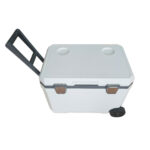
Diseños con ruedas y livianos: Las neveras portátiles con ruedas son el subsegmento de más rápido crecimiento, hacer que el transporte sea sencillo y atractivo para salidas familiares. Neveras duras ultraligeras introducidas en 2024 están a la altura 30 % más ligero que las unidades rotomoldeadas comparables.
Ideas del mercado
Lo global mercado de refrigeradores aislados—que incluye refrigeradores duros, refrigeradores suaves, bolsas y contenedores isotérmicos—fue valorado en Dólar estadounidense 1.2 mil millones en 2025 y se prevé que alcance Dólar estadounidense 1.9 mil millones por 2034, creciendo en un CAGR de 5.4 %. Los compradores priorizan la retención de hielo, durabilidad y portabilidad en todos los casos de uso, desde acampadas de varios días hasta entregas de última milla. Materiales como carcasas de polietileno rotomoldeado., Las espumas de celda cerrada y los VIP emergentes impulsan el rendimiento térmico manteniendo al mismo tiempo un peso y una huella razonables.. Los refrigeradores inteligentes con energía portátil y conectividad se están convirtiendo en dispositivos multifuncionales, ofreciendo un control preciso de la temperatura y comodidad para el usuario.
Mientras tanto, La sostenibilidad es una palanca competitiva central.. Las marcas están adoptando polímeros reciclados, espumas biodegradables y a base de residuos materiales aislantes. Los principios de diseño circular, como el aislamiento del papel usado y los programas de devolución para la entrega de kits de comida, reducen los residuos y la huella de carbono..
Relevancia de la cadena de frío
Las vacunas y los productos perecederos siguen siendo sensibles a las fluctuaciones de temperatura. El Programa de las Naciones Unidas para el Medio Ambiente señala que la mayoría de las vacunas deben conservarse entre 2–8 ° C seguir siendo eficaz y que arriba a 50 % de las vacunas se desperdician en el mundo due to cadena de frío failures. Las bolsas aislantes de alto rendimiento y los refrigeradores con PCM pueden mantener las vacunas entre 2 y 8 °C durante más de 72 horas, haciéndolos vitales para la distribución de vacunas de último tramo y la seguridad alimentaria. Optimizar la cadena de frío y reducir el deterioro no solo salva vidas sino que también reduce las emisiones de gases de efecto invernadero asociadas con la pérdida de alimentos y el desperdicio farmacéutico..
Preguntas frecuentes
Q1: ¿Cuánto tiempo puede una bolsa isotérmica mantener fría la comida??
El tiempo de retención depende del espesor del aislamiento., patrones de hielo y parada. Una bolsa mediana con paquetes de espuma y gel de 5 a 8 mm normalmente mantiene los alimentos debajo 10 °C durante 4 a 8 horas. Para rutas de varias paradas o calor extremo, Enfríe previamente la bolsa y use más paquetes de gel para extender el tiempo de espera..
Q2: ¿Puede una bolsa térmica aislante mantener congelados los alimentos congelados??
Puede retardar la descongelación, pero mantener productos completamente congelados depende del tiempo y de la resistencia del hielo.. Utilice paquetes de gel más fuertes o hielo seco y agrupe los artículos congelados para minimizar el espacio vacío.. Valide siempre con pruebas de ruta real antes de obtener resultados prometedores..
Q3: ¿Qué tamaño de bolsa térmica aislante es mejor para la entrega de comestibles??
Una bolsa mediana suele adaptarse mejor a los pedidos diarios que una grande. Elija una bolsa que se ajuste a sus artículos comunes más 20-30 % para hielo. Para rutas con varias paradas, considere dos bolsas más pequeñas en lugar de una bolsa grande para mantener las cargas estables.
Q4: ¿Cómo se limpia una bolsa térmica aislada sin dañarla??
Usa jabón suave, agua tibia y un paño suave. Limpiar el revestimiento, enjuagar y secar completamente con la bolsa abierta; Evite disolventes fuertes a menos que estén aprobados por el fabricante..
Q5: ¿Las bolsas térmicas aisladas son seguras para los productos farmacéuticos??
pueden estar a salvo, pero solo cuando se valida como parte de un sistema completo que incluye la bolsa, paquetes de gel y monitoreo de temperatura. Siga siempre las regulaciones de su país y no se base únicamente en los reclamos de equipaje..
Q6: ¿Debería elegir una hielera rígida en lugar de una bolsa isotérmica??
Los refrigeradores duros retienen la temperatura por más tiempo, pero son más pesados y más lentos de manejar.. Para rutas cortas y velocidad, A menudo se prefieren las bolsas térmicas aisladas.; si su ruta es larga o requiere almacenamiento durante varios días, considere un sistema híbrido.
Resumen y recomendaciones
Seleccionando la derecha bolsa de refrigerador aislada en 2025 requiere centrarse en el rendimiento, hábitos diarios y en forma. Comience con su objetivo de temperatura y tiempo de ruta, luego haga coincidir el tamaño de la bolsa con los pedidos reales y detenga los patrones. Priorizar el sellado, elija un forro que se pueda limpiar y una base duradera, y crear una rutina repetible de embalaje y limpieza.. Las bolsas de gran tamaño desperdician hielo y energía, mientras que las bolsas insuficientemente llenas se calientan más rápido y se estropean. Solicite datos de prueba a los proveedores y verifique el espesor del aislamiento., calidad de sellado y facilidad de limpieza. Finalmente, Manténgase informado sobre las tendencias emergentes, como los refrigeradores inteligentes., Inserciones modulares y materiales sostenibles..
Próximos pasos viables
Defina sus requisitos: Anote su rango de temperatura objetivo, tiempo de ruta y tipo de carga útil en una sola página.
Seleccione dos o tres modelos de bolsos con diferentes niveles y tamaños de aislamiento; Solicite a los proveedores datos de prueba..
Ejecute una prueba de día caluroso usando su carga útil real y patrón de parada; Elige al ganador según los resultados., no afirmaciones de marketing.
Estandarizar el embalaje y la limpieza: Entrena a tu equipo en un solo mapa para reducir errores y mejorar la repetibilidad.
Monitorear y mejorar: Seguimiento de pérdidas, implementar circuitos de retorno y reparar bolsas en lugar de reemplazarlas.
Acerca de Tempk
En Tempk, nosotros construimos embalaje de cadena de frío sistemas diseñados para rutas reales, paradas reales y limpieza real. Apoyamos proyectos de bolsas isotérmicas con selección de materiales., Guía de embalaje y pruebas de estilo de validación.. Nuestro enfoque es el desempeño práctico.: mejor sellado, revestimientos duraderos y diseños reutilizables que reducen el costo por viaje. Si necesita un programa de bolsas consistente y escalable, Podemos ayudarle a diseñarlo y mantenerlo simple..
Llamado a la acción: Comparte tu tiempo de ruta, tipo de carga útil y temperatura objetivo, y recomendaremos una práctica configuración de bolsa térmica aislada para probar