Paquete de hielo seco a granel para envío de flores: Un sistema de adquisiciones de seis puertas
un bulto bolsa de hielo seco para el envío de flores debe publicarse solo después de que seis preguntas tengan dueños claros y evidencia. Que refrigerante es? ¿Qué tolera la flor?? ¿Puede la estación de embalaje acondicionarlo consistentemente?? ¿La caja completa controla los puntos cálidos y fríos?? ¿Puede la producción en volumen coincidir con la muestra?? ¿El resultado de la ruta y el costo total justifican el sistema?? Esta secuencia evita dos sustituciones costosas.: tratar el dióxido de carbono sólido y una lámina de hidrato activada por agua como el mismo producto, y tratar todas las flores como un producto refrigerado. Las flores vivas pueden congelarse en contacto directo con una fuente de frío., mientras que las flores tropicales pueden dañarse a temperaturas no heladas.
Las seis puertas de adquisiciones
Las puertas se pueden utilizar para un nuevo proveedor., un nuevo formato de paquete, o un cambio en una ruta existente.
| Puerta | Decisión | evidencia requerida | Condición de parada |
|---|---|---|---|
| 0. Identidad del producto | ¿Cuál es el refrigerante y la construcción?? | Nombre técnico, descripción del material, información de seguridad, dibujo, y código de lote | La “bolsa de hielo seco” sigue siendo ambigua |
| 1. Sobre de flores | que temperatura, humedad, etileno, y se aplican límites de calidad? | Especies aprobadas y especificación de cultivar con condición inicial. | Una gama floral genérica cubre especies incompatibles. |
| 2. Preparación de las instalaciones | ¿Puede el origen preparar el componente a toda velocidad?? | Hidratación, congelador, templado, inspección, mano de obra, y prueba de capacidad de seguridad | El proceso de muestra no se puede repetir en el volumen máximo |
| 3. Arquitectura de paquete | ¿Cómo será el cartón?, aislamiento, refrigerante, barreras, flores, y el flujo de aire trabajan juntos? | Dibujo fijo, lista de materiales, instrucción de carga, y prueba fisica | El refrigerante puede moverse hacia las flores o bloquear las rejillas de ventilación. |
| 4. Calificación | ¿El sistema exacto sobrevive a los perfiles estacionales y de retraso?? | Caliente repetido- y datos de punto frío, controles físicos, y resultados de calidad floral | No se evalúan datos promedio ni lesiones retrasadas |
| 5. Escala y control | ¿La producción?, ruta, y recibir siguen siendo equivalentes? | Comparación de primera producción, trazabilidad, capacitación, control de cambios, y revisión de tendencias | Los materiales o métodos de trabajo pueden cambiar sin aprobación. |
Ninguna puerta es un ejercicio de papeleo.. Puerta 0 protege la seguridad y la clasificación regulatoria. Puerta 1 protege las flores. Puerta 2 protege la repetibilidad. Puerta 3 convierte un componente en una configuración. Puerta 4 proporciona evidencia. Puerta 5 conserva esa evidencia después de que el volumen de compras aumenta.
Puerta 0: nombrar el refrigerante
El verdadero hielo seco es dióxido de carbono sólido, normalmente identificado como dióxido de carbono, sólido, UN1845 en contextos de transporte aplicables. Se sublima a unos −78,3°C.. El paquete debe permitir la liberación de gas., El dióxido de carbono puede acumularse en áreas confinadas., y el contacto directo con la piel puede causar lesiones por frío.. La misma temperatura extrema puede congelar los pétalos., follaje, tallos, mangas, y componentes húmedos.
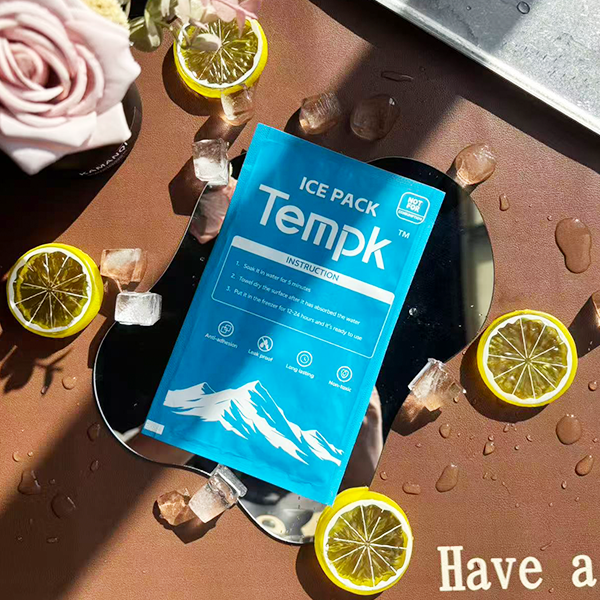
Una lámina fría de hidrato utiliza una estructura absorbente de agua que se activa y congela.. oficial de tempk hidratar la bolsa de hielo seco la descripción identifica una membrana permeable, absorbente de polímero, y película compuesta. No es dióxido de carbono sólido y no crea una corriente de gas de hielo seco.. Es posible que su superficie inicial aún esté por debajo de 0 °C después del acondicionamiento en el congelador., por lo que necesita una barrera y un diseño específicos para las flores..
Precargado paquetes de gel, ladrillos rígidos, y paquetes PCM de otras categorías. Registre la categoría técnica en la lista de materiales aprobada.. No permita que un proveedor o comprador sustituya un producto porque las dimensiones o la etiqueta de marketing parecen similares..
Si se está considerando hielo seco verdadero, Involucrar a los equipos de seguridad y cumplimiento del transporte en esta puerta.. Bajo EE.UU.. reglas para aviones o agua, 49 CFR 173.217 aborda los envases que liberan gas de dióxido de carbono para evitar la acumulación de presión. Las provisiones aéreas incluyen acuerdos con operadores., marcado de masa neta, e información escrita bajo condiciones específicas. Los materiales de aceptación de IATA actuales se refieren a las Instrucciones de embalaje. 954, desfogue, UN1845, el nombre de envío adecuado, información de fiesta y paquete, y cantidad neta de hielo seco, sujeto a variaciones actuales del operador y del estado.
Esos requisitos no se aplican a una lámina de agua simplemente porque un sitio web la llama "bolsa de hielo seco". La denominación precisa evita tanto el incumplimiento con el dióxido de carbono sólido como la confusión innecesaria de los portadores con respecto a los ordinarios. paquetes fríos.
Puerta 1: aprobar el sobre de flores
Crear una especificación por grupo de especies y ruta., no es una hoja de flores genérica.
El sobre debe identificar las especies., cultivar cuando sea relevante, madurez de la cosecha, embalaje seco o húmedo, temperatura objetivo del producto, límites de acción superior e inferior, lógica de excursión aprobada, humedad relativa o aproximación de humedad, sensibilidad al etileno, pretratamientos propiedad del equipo de flores, arreglo de cartón, y calidad requerida en el momento de la recepción y después de la exhibición.
Utilice referencias autorizadas de poscosecha como insumos.. UC Davis recomienda rosas y claveles entre 0°C y 1°C según prácticas de almacenamiento específicas. Describe a los anturios como muy sensibles al frío por debajo de 10°C y proporciona una región de almacenamiento mucho más cálida.. Las heliconias no deben mantenerse por debajo de 10 °C a 12,5 °C.. Los grupos de compatibilidad de exportación del USDA abarcan de manera similar desde flores templadas cercanas al punto de congelación hasta flores tropicales cálidas..
Estas referencias ilustran la difusión; no reemplazan los datos del cultivar del productor, requisito del cliente, o validación de ruta. Algunas variedades de rosas responden de manera diferente al etileno. La madurez de la cosecha cambia el comportamiento del clavel. El embalaje húmedo frente al seco cambia la carga térmica y el riesgo de humedad.
El límite inferior debe tratarse tan seriamente como el límite superior.. Cuando una prueba de embalaje está diseñada únicamente para evitar el calentamiento, el equipo puede agregar suficiente masa congelada como para dañar las flores en la pared o la tapa. Puerta 1 debe definir los síntomas que cuentan como falla del lado frío: pañuelo empapado en agua, descoloramiento, marchitez, lesión de bráctea o pétalo, falla al abrir, o pérdida del rendimiento del jarrón, según corresponda.
Puerta 2: demostrar que la estación de embalaje está preparada
El rendimiento a granel puede fallar antes de que se cierre una caja.
Para sábanas de hidratación, mapear el flujo de trabajo desde la caja seca hasta el paquete en línea. Especifique la calidad del agua si es material., tiempo de remojo, método de drenaje, orientación de la hoja, condición hidratada aceptable, disposición del bastidor, tamaño del lote del congelador, espaciado, punto final de acondicionamiento, templado, inspección, identificación del lote, y tiempo máximo de almacenamiento preparado. Mida el rendimiento en el pico planificado, no es una semana normal.
Para paquetes precargados, confirmar la carga del congelador, circulación de aire, huella de almacenamiento, rotación, separación de paquetes, y condición después de una manipulación repetida. Una paleta densa de paquetes de gel a temperatura ambiente puede sobrecargar un congelador que soporta fácilmente una pequeña prueba..
El verdadero hielo seco necesita un proceso de recepción y almacenamiento por separado. Incluir la confiabilidad del suministro local, pérdida antes del embalaje, ventilación, Monitoreo de gas cuando lo requiera la evaluación de seguridad., herramientas aisladas, equipo de proteccion, pesaje controlado, desecho, y personal capacitado. La masa neta y la información del bulto utilizada para el transporte deben reflejar las normas aplicables y el funcionamiento real..
Los trabajadores temporales deberían participar en la prueba de capacidad.. Las instrucciones necesitan imágenes claras y puntos finales mensurables. Si dos ingenieros capacitados son las únicas personas que pueden hidratar las láminas de manera uniforme o colocar la barrera correctamente, el sistema no está listo para un programa de flores navideñas.
Establecer controles en la línea para paquetes que estén demasiado calientes, demasiado frio, dañado, pegados juntos, hidratado de forma incompleta, goteando, contaminado, o fuera de la masa aprobada. La disposición debe documentarse en lugar de decidirse añadiendo otro paquete..
Puerta 3: congelar la arquitectura de paquete
El dibujo debe mostrar la caja exacta y la estructura interna.. Incluir dimensiones exteriores, dimensiones internas utilizables, orificios de ventilación, juntas de aislamiento, revestimiento, mangas, reservorios de tallo, protección de la cabeza, espaciadores, bolsillos de refrigerante, barreras, relleno de vacíos, cierre, etiquetas, y orientación del paquete.
La geometría de las flores hace que esto sea importante.. Los tallos largos tienen una masa térmica relativamente baja en comparación con las densas cargas de alimentos, y las cabezas de flores pueden agruparse en un extremo. Un registrador de aire central puede perder una interfaz de pétalo congelado. Las láminas flexibles pueden moverse alrededor de las mangas o hundirse en el espacio libre.. Los paquetes rígidos pueden dañar los tallos bajo compresión..
Proteger la fuerza del cartón. La guía de exportación del USDA señala los desafíos combinados del manejo brusco, vibración, compresión, y alta humedad. Los patrones de ventilación y los asideros no deben debilitar la caja más allá de la carga del pallet.. revestimientos mojados, condensación, o las bolsas del vástago con fugas pueden reducir la resistencia del corrugado. Pruebe la caja después del ciclo térmico., no sólo cuando está seco y nuevo.
Proteger el flujo de aire. El preenfriamiento por aire forzado depende de aberturas alineadas y un camino a través de la carga.. Durante el transporte del vehículo, El apilamiento y el refuerzo deben mantener la circulación y evitar el movimiento.. Una hoja pegada con cinta adhesiva sobre el respiradero puede mejorar una lectura local de frío y al mismo tiempo dejar caliente el centro de la caja..
Controle la humedad por diseño. Las rosas pueden empaquetarse en seco en cajas de cartón forradas., sin embargo, el agua libre en los pétalos puede favorecer la Botrytis. Las flores tropicales pueden utilizar material triturado húmedo.. Las láminas de hidratación pueden tener una superficie húmeda después de la activación.. Definir qué humedad se pretende, donde puede viajar, y como esta contenido.
Antes de probar, conducir vibración, manejo, y pruebas de inversión suficientes para revelar el movimiento.. Abra la caja y confirme que los paquetes, barreras, tallos, y los jefes permanecen en sus zonas asignadas. Actualizar el dibujo antes de la calificación térmica..
Puerta 4: calificar la ruta, incluyendo calidad retrasada
Escribe el protocolo antes de ver los datos..
Definir la temperatura inicial aprobada de la flor y el estado de hidratación., carga útil y disposición, materiales exactos, condición y masa del paquete, perfiles ambientales, duración, manejo de eventos, modelos de sensores y calibración, intervalo de muestreo, mapa de sensores, criterios de calidad de las flores, repite, y reglas de desviación.
Utilice un perfil de verano para desafiar la entrada de calor y un perfil de invierno para desafiar el sobreenfriamiento. Agregar un retraso justificado o un evento de atraque. Para exportación aérea, cuenta para manejo de origen, rampa, vuelo, transferencias, aduanas, y destino. Un perfil de ruta debe ser lo suficientemente conservador como para respaldar la decisión comercial, pero no debe presentarse como universal..
Los sensores deben cubrir las posiciones frías y calientes previstas.: cerca de la tapa, en las paredes exteriores, junto a las barreras de refrigerante, entre cabezas de flores, a lo largo de los tallos, y en el centro. Cuando sea práctico, distinguir el aire del tejido o la temperatura de la superficie. Asegure las sondas para que no se muevan hacia un punto de contacto artificial..
Evaluar el embalaje después de la ejecución.. Comprobar fugas del paquete, desplazamiento de barrera, humedad del cartón, aplastar, bloqueo de ventilación, adhesión de etiquetas, y la integridad del vástago-depósito.
Luego evalúa las flores.. Los controles específicos de cada especie pueden incluir decoloración de pétalos o espatas., áreas empapadas de agua, marchitez, gota de hoja o pétalo, cuello doblado, cabezas aplastadas, botritis, olor, falla al abrir, y rendimiento del jarrón. El daño por frío puede aparecer después del recalentamiento., así que defina un punto de observación posterior a la llegada.
Ensayo hipotético con flores tropicales
Imaginemos que un exportador de anturios y heliconias recibe una propuesta por la misma lámina congelada utilizada en un paquete de rosas.. La cotización promete un enfriamiento prolongado y utiliza una caja de cartón gruesa y aislada..
en la puerta 0, El exportador confirma que la lámina es de polímero hidratado., dióxido de carbono no sólido. en la puerta 1, El equipo de calidad documenta las necesidades de almacenamiento en caliente y los límites de frío de ambas flores tropicales.. en la puerta 2, confirma que la estación puede acondicionar una alternativa PCM en el estado inicial previsto.
en la puerta 3, Se crean dos prototipos.: un PCM en canales laterales fijos y un diseño solo aislante para una ruta de aire estrictamente controlada. Tampoco coloca agua helada contra las flores.. Se incluye el embalaje triturado húmedo utilizado para la especie porque cambia de masa., transferencia de calor, y humedad del cartón.
Herramientas útiles para tomar decisiones
Comprueba los detalles antes de elegir el embalaje.
Estas herramientas rápidas pueden ayudarle a comparar el riesgo de la ruta, necesidades de dimensionamiento, opciones de refrigerante, y detalles del embalaje antes de solicitar una cotización.
Generador de lista de cumplimiento
Cree una lista de verificación práctica para la revisión del embalaje, envío, y documentación.
Crear lista de verificaciónRevestimiento de caja & Dimensionamiento de la cubierta de paleta
Lógica de tamaño de revestimiento de cajas y cubiertas de paletas para proyectos de embalaje aislado.
Estimar el tamañoCalculadora de hielo seco
Calcule las necesidades de hielo seco para envíos congelados o ultrafríos antes de empacar.
Estimar hielo secoPuerta 4 aplica origen caliente, rampa fría, y retrasar las exposiciones. Los sensores mapean los canales laterales y las flores centrales.. Las inspecciones de calidad buscan coloración morada o pardeamiento del anturio., lesión de heliconia, moretones, bloqueo del tallo, y exhibición posterior a la llegada. Luego, la decisión puede comparar dos sistemas compatibles en lugar de preguntarse si una hoja genérica "mantiene las flores frías".
El ejemplo no supone un ganador ni inventa un resultado.. Muestra cómo el sobre de flores controla el experimento..
Puerta 5: preservar la equivalencia a escala
Después de la aprobación, liberar una configuración maestra exacta. Los controles de los proveedores deben cubrir las dimensiones., masa, película o cáscara, absorbente o relleno, sellos, patrón celular, impresión, trazabilidad del lote, inspección, no conformidad, y cambiar notificación.
Compare la primera producción con muestras aprobadas. Comprobar ajuste dimensional, masa condicionada, integridad física, uniformidad de hidratación, flexibilidad a baja temperatura, y rendimiento del embalaje según lo requiera el riesgo. No se acepta un lote a granel porque se aprobó una hoja de preproducción..
El sitio de origen debe auditar la hidratación., congelación, templado, recuento de paquetes, colocación, condición inicial de la flor, y cierre de cartón. El receptor debe registrar los daños., humedad, posición del paquete, temperaturas seleccionadas, defectos de las flores, y faltan datos del registrador. Tendencia de los resultados por lote de proveedor, cambio, ruta, estación, y especies.
Definir desencadenantes de recalificación. Pueden incluir un nuevo cultivar, madurez de cosecha alterada, cambio de paquete húmedo a seco, nueva manga, cambio de caja o ventilación, sustitución de aislamiento, reformulación de refrigerante, cambio de película o sello, sitio de fabricación diferente, actualización del congelador, cambio de ruta o aerolínea, nueva temporada, o mayor duración.
El control de cambios debe ser bilateral. El proveedor notifica al comprador sobre cambios de componentes críticos., y el comprador notifica al proveedor cuando cambia la carga útil o las condiciones de operación. De lo contrario, Ambas partes pueden creer que la antigua evidencia todavía se aplica mientras que el sistema se ha vuelto diferente..
Armar el archivo de aceptación masiva
Un archivo de aceptación práctico debe ser lo suficientemente breve para su uso y lo suficientemente completo para reproducirlo.:
especificación de ruta y flor aprobada;
nombre técnico del producto, descripción del material, información de seguridad, y dibujando;
especificación de fabricación del proveedor, tolerancias, inspección, y trazabilidad de lotes;
activación del paquete, acondicionamiento, almacenamiento, e instrucciones de rechazo;
lista final de materiales de la caja y dibujo del embalaje;
protocolo de prueba controlado, datos sin procesar, desviaciones, fotos, y observaciones de calidad;
resumen del piloto de carril y recepción de comentarios;
Documentos aplicables de transporte y aceptación del transportista para dióxido de carbono sólido.;
registro de capacitación y prueba de capacidad de la estación de empaque;
comparación de primera producción;
acuerdo de notificación de cambios y desencadenantes de recalificación;
supuestos de costo total y fecha de revisión.
Evite un archivo hecho enteramente de certificados. Un certificado de gestión de calidad puede respaldar la confianza del proveedor, una declaración material puede respaldar el contacto previsto, y un informe térmico puede admitir una configuración. Ninguno sustituye el sobre de flores ni la capacidad del sitio para reproducir el paquete..
La propiedad del documento importa. La calidad del producto posee límites biológicos.. La ingeniería de embalaje es propietaria de la configuración y el protocolo.. Operaciones propias de acondicionamiento y embalaje.. Adquisiciones posee términos comerciales y coordinación de proveedores.. Seguridad y cumplimiento de las normas propias de manipulación y transporte de hielo seco. Recepción de datos de resultados de suministros. Asignar nombres antes del lanzamiento.
Poner precio al programa y sus modos de fallo.
Comparar adquisición, preparación, distribución, recuperación, y costos de falla.
La adquisición incluye láminas o packs., cajas aisladas, barreras, revestimiento, impresión, estampación, muestras, carga entrante, inspección, e inventario. La preparación incluye hidratación., agua, bastidores, drenaje, Energía para congeladores y cámaras frigoríficas., mano de obra, templado, almacenamiento, pérdida de hielo seco, equipo de proteccion, y entrenamiento.
La distribución incluye peso y volumen de salida., cargos del transportista, documentación, escucha, espacio para paletas, y nivel de servicio. La recuperación incluye el transporte de regreso., clasificación, limpieza, el secado, inspección, reparar, redacción, pérdida de activos, y eliminación.
El fracaso incluye tallos degradados, cajas rechazadas, reemplazos de eventos, reclamos, rehacer, vida útil más corta, síntomas de escalofrío retardado, investigaciones, y transporte de emergencia. Costo modelo por tallo aceptado o caja exitosa en lugar de por paquete frío.
| Modo de falla | Evidencia temprana | Mecanismo probable para investigar | Respuesta controlada |
|---|---|---|---|
| Decoloración junto al refrigerante | Sensor de frío o patrón de contacto | Empacar demasiado frío, barrera faltante, o movimiento de hojas | Retener producto, restaurar el diseño aprobado, y recalificar el cambio |
| Centro cálido con paredes frías. | Trazas de sensores divergentes | Flujo de aire bloqueado, vacío excesivo, o mala distribución | Revisar respiraderos, densidad de carga, aislamiento, y posición del paquete |
| Pétalos mojados y cartón. | Condensación o fugas | Ciclos de temperatura, agua superficial de la hoja de hidrato, depósito de tallo, o forro | Identificar la fuente de humedad y rediseñar la contención o manipulación. |
| Caída de pétalos o somnolencia | Disminución de la calidad específica de cada especie | Exposición al etileno, madurez, o brecha de tratamiento | Investigar la fuente de la ruta; no agregue refrigerante como predeterminado |
| Cabezas aplastadas | Deformación del cartón o paquete rígido desplazado | Pérdida de resistencia en húmedo, apilado, o mala sujeción | Revisar las especificaciones de la caja, vigorizante, bolsillo del paquete, y patrón de paleta |
| El lote a granel difiere de la muestra | Masa, sello, tamaño, o variación condicionante | Cambio de proveedor o proceso | Poner en cuarentena el lote y utilizar el proceso de control de cambios y no conformidades acordado |
| Envío aéreo rechazado | Fallo en la lista de verificación de aceptación | Marcado de hielo seco incorrecto, documentación, desfogue, o arreglo del operador | Corrija con personal de cumplimiento capacitado antes de la licitación. |
La tabla de riesgos mantiene las acciones correctivas ligadas a los mecanismos. Un centro cálido no siempre requiere más refrigerante, y la caída de los pétalos no indica necesariamente una falla térmica. El trabajo de causa raíz protege tanto la calidad de las flores como la eficiencia de los materiales.
Preguntas frecuentes
¿Se puede aprobar la misma hoja de hidratos para varias especies de flores??
El componente físico puede ser común., pero condicionando, cantidad, colocación, barrera, and carton can differ. Approval should be by defined species group and route. Commonality is useful only where thermal and quality evidence supports it.
Does bulk purchasing require a supplier audit?
The level depends on risk and volume. Buyers should at least review how critical materials, dimensiones, masa, sellos, comportamiento de hidratación, inspección, trazabilidad, no conformidad, and changes are controlled. Higher-risk programs may justify a remote or on-site audit under the buyer’s quality process.
What makes a route test representative?
It uses the approved flowers, condición inicial, caja de cartón, aislamiento, refrigerante, barreras, secuencia del paquete, exposición estacional, duración, traspasos, y método de recepción. It also records deviations. One successful shipment can support a pilot but rarely establishes broad seasonal repeatability alone.
Should a supplier guarantee a universal hold time?
No. Hold time depends on the full system, carga útil, temperaturas iniciales, acondicionamiento, perfil ambiental, sensor and acceptance criteria, y manejo. Ask for a tested configuration and conditions. Una duración universal separada de esos insumos no es una especificación de compra confiable.
¿Cuándo se debe recalificar un paquete masivo??
Volver a visitarlo después de cambios en las especies., cultivar, etapa de cosecha, temperatura del producto, método de humedad, carga útil, caja de cartón, respiraderos, aislamiento, refrigerante, barrera, equipo de acondicionamiento, material del proveedor, ruta, transportador, estación, o duración. Las excursiones recurrentes o las quejas de calidad también son factores desencadenantes..
La regla de liberación
Aprobar el volumen solo cuando la organización pueda explicar por qué el sistema es seguro para las flores nombradas en la ruta nombrada.. La respuesta debe identificar el refrigerante., envoltura biológica, capacidad de acondicionamiento, geometría fija, caliente- y evidencia de punto frío, resultado de calidad retrasado, controles de proveedores, requisitos de transporte, y costo total.
Esa regla a menudo aleja las flores frescas del verdadero hielo seco.. Puede soportar láminas de hidrato., paquetes de gel, PCM, transporte refrigerado, o control solo de aislamiento en diferentes aplicaciones. El método sigue siendo el mismo.: calificar la ruta, no el nombre del producto.
Acerca de Tempk
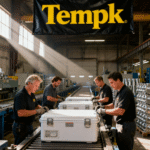
Tempk ofrece sábanas frías hidratadas activadas por agua, paquetes de gel, ladrillos de hielo, cajas aisladas, y relacionados embalaje de cadena de frío componentes. Su paquete de hielo seco hidratado se congela después de absorber agua y es distinto del dióxido de carbono sólido.. Podemos trabajar desde un sobre de flores., dibujo de cartón, ruta, rendimiento máximo, y plan de reutilización para discutir formatos candidatos y entradas de prueba. La versión final debe depender de la configuración aprobada por el comprador., evidencia, y controles operativos.
CTA: Traiga a Tempk su caja actual, matriz de especies, perfil de ruta, supuestos de tasa máxima, y criterios de calidad para identificar el próximo punto de adquisición y las muestras adecuadas.