A Route-Ready Framework for Bulk Dry Ice Pack for Fruit Logistics
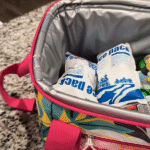
El volumen adecuado bolsa de hielo seco for fruit logistics is not the one with the strongest cold claim. It is the one that fits a defined fruit, paquete, ruta, and operating process without creating freezing injury, flujo de aire bloqueado, condensación, or inconsistent preparation. In this framework, the product is a water-activated coolant sheet that is hydrated and frozen before packing. No es hielo seco de dióxido de carbono sólido.. Buyers should state that identity explicitly because the two products have different temperatures, peligros, requisitos de manejo, and transport implications. De eso, sourcing becomes a disciplined sequence: define the fruit, map heat exposure, design the packout, pruébalo, and scale it under change control.
Puerta 1: Establish the Product and Route Boundaries
Start with an internal shipment requirement, not a supplier catalog. The requirement should answer:
- Which fruit, variedad, madurez, and grade will be shipped?
- Is the shipment intended to maintain condition, continue ripening, or arrive at a defined ripeness?
- What primary and secondary packages are used?
- What is the approved product temperature at pack assembly?
- What minimum and maximum conditions apply, including short-exposure concerns?
- cuanto dura la ruta, and where can uncontrolled dwell occur?
- Is transport refrigerated, ambiente, o mixto?
- What does the receiver do immediately after delivery?
If these answers vary across products, create separate requirement sets. "fruta fresca" is not a thermal specification.
Clarify the meaning of dry ice pack
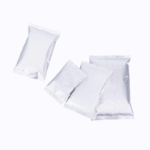
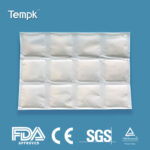
Procurement language must distinguish a hydration sheet from carbon dioxide dry ice. Put the material identity in the item description, especificación, orden de compra, instrucción de trabajo, and warehouse label. Confirm that the sheet is soaked, agotado, congelado, and used as a passive coolant.
This prevents several failures: a carrier applying irrelevant dangerous-goods assumptions, un operador esperando la sublimación, Un comprador compara productos diferentes., o un equipo técnico que diseña alrededor de la temperatura del dióxido de carbono sólido. Si la operación realmente requiere hielo seco sólido, necesita una seguridad separada, embalaje, ventilación, y evaluación del cumplimiento.
Puerta 2: Decida si las láminas pasivas son adecuadas para el trabajo
Las sábanas de hidratación tienen sentido cuando son amplias, La colocación flexible del refrigerante complementa un paquete aislado y el desafío de la ruta permanece dentro de un diseño probado.. Pueden ser útiles en cajas de paquetería., revestimiento, bolsas más frescas, o bolsos, especialmente cuando el almacenamiento entrante en seco y la ubicación adaptable son importantes.
No son automáticamente apropiados cuando:
- La fruta llega tibia desde la cosecha y necesita una rápida, preenfriamiento uniforme.
- El producto es muy sensible al enfriamiento o a la congelación por contacto..
- La ventilación es fundamental para la calidad del producto y la lámina la obstruiría..
- The route has routinely uncontrolled delays beyond the design.
- The payload requires active control or refrigerated transport.
- The facility cannot hydrate, drenar, congelar, and segregate sheets consistently.
- Moisture exposure would compromise the carton, etiqueta, or primary package.
This fit decision should occur before a bulk price negotiation. A low unit cost cannot rescue a mismatched operating model.
Puerta 3: Convert Fruit Physiology Into Packout Rules
Fruit keeps respiring after harvest, which means it continues to generate heat and moisture. Cooling generally slows biological activity, but too much cold damages susceptible tissue. Ethylene production and sensitivity can further limit mixed loading. These characteristics translate into practical design rules.
| Biological or physical characteristic | Packout implication | Required buyer decision |
|---|---|---|
| Chilling sensitivity | Evite la exposición local demasiado fría. | Definir la condición mínima específica del producto |
| Susceptibilidad a la congelación | Gestionar el contacto directo con el refrigerante | Seleccionar y probar el búfer o el espaciado |
| respiración alta | Preservar las rutas de eliminación de calor. | Confirmar preenfriamiento y ventilación. |
| Producción de etileno | Evite la consolidación incompatible | Establecer reglas de carga mixta |
| Sensibilidad al etileno | Controlar los productos vecinos y habitar | Definir segregación y ventilación. |
| Alta pérdida de humedad | Equilibra la retención de humedad y la condensación. | Elija el paquete y el revestimiento deliberadamente |
| Estructura delicada | Evite la presión de las células expandidas. | Comprueba el ajuste hidratado y la amortiguación |
La tabla es una herramienta de traducción., no es un manual de productos agrícolas. Su especificación poscosecha sigue siendo la fuente de los límites de productos.
El preenfriamiento es una condición de liberación.
Tratar la temperatura de la fruta al empacar como un atributo de calidad entrante.. refrigerante dentro de un caja de envío is primarily intended to help maintain a defined condition against heat gain. If it is used to remove substantial field heat, peripheral fruit may become cold while inner fruit remains warm, and the coolant may be depleted early.
Define where and how product temperature is checked, acceptable variation across the load, hold rules for warm product, and who can release it. The most sophisticated coolant specification will fail if warm fruit routinely enters the box.
Preserve airflow on purpose
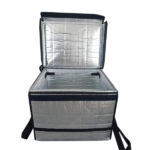
Orificios de ventilación, aligned channels, espacios entre palets, and headspace are functional elements. A flexible sheet can conform so well that it seals a vent or closes a vertical channel. Packout drawings should show both sheet placement and airflow paths.
During trials, photograph the loaded geometry before closure and after the test. Fruit settles, hydrated cells change shape, corrugated softens, and void fill shifts. The final geometry may explain temperature variation better than the initial drawing.
Puerta 4: Control the Activation Process
El comprador recibe un componente seco pero utiliza uno hidratado., frozen one. The transformation must be part of the quality plan.
A practical activation flow
Receive and identify. Match item code, diseño de celda, lote, dimensiones, cantidad, and condition to the approved specification.
Hidratar. Use the supplier's instructions and a clean, defined water source. Control immersion, manejo, and acceptance of expanded cells.
Drenar. Remove excess surface water by a repeatable method. Dripping sheets add moisture that was not necessarily present in the test.
Congelar. Load racks or freezers with adequate air access and within validated operating capacity. Control status so partially frozen sheets cannot be confused with ready stock.
Inspect and stage. Reject leaks, costuras abiertas, contaminación, lost identification, or abnormal expansion. Limit staging conditions before assembly.
Place and close. Follow the approved layer sequence, orientación, buffer, monitorear la ubicación, cierre, and label instructions.
Every step should have an owner, criterio de liberación, y respuesta de excepción. Avoid universal activation numbers unless they appear in the approved product instructions and have been confirmed under site conditions.
Puerta 5: Develop Evidence in Layers
A supplier sample can answer fit and usability questions. It cannot prove a commercial route.
Begin with component characterization: dimensiones hidratadas, manejo, condición de la costura, fuga, plegabilidad, and compatibility with the intended packaging. Then conduct packout development using the actual box and representative payload. Challenge contact points, esquinas, cierre, and likely heat-entry paths.
Move to route-relevant performance testing. Documento:
1. Exact bill of materials.
2. Fruit load and starting condition.
3. Sheet preparation, condición, contar, y orientación.
4. Contenedor aislado y cierre.
Herramientas útiles para tomar decisiones
Comprueba los detalles antes de elegir el embalaje.
Estas herramientas rápidas pueden ayudarle a comparar el riesgo de la ruta, necesidades de dimensionamiento, opciones de refrigerante, y detalles del embalaje antes de solicitar una cotización.
Calculadora de hielo seco
Calcule las necesidades de hielo seco para envíos congelados o ultrafríos antes de empacar.
Estimar hielo secoResistencia a la caída del material aislante
Revise la resistencia a caídas y los factores de manipulación antes de elegir materiales aislantes..
Comprobar resistenciaCalculadora de bolsa de hielo
Estimación de la cantidad de bolsas de hielo en gel para envíos refrigerados y planificación práctica de rutas.
Estimar las bolsas de hielo5. Ambient challenge and rationale.
6. Sensor identity, estado de calibración, intervalo, y ubicación.
7. Temperature and package-condition acceptance criteria.
8. Desviaciones y observaciones de prueba..
Ejecute suficientes compilaciones para evaluar la repetibilidad. Un único resultado favorable debe ser tratado como información de desarrollo., prueba no amplia.
Utilice la ubicación del sensor para buscar fallas
Coloque sensores donde el diseño pueda fallar: cerca de una interfaz de refrigerante, en una carga central, en una esquina o tapa, y en los extremos verticales. Si el comportamiento del núcleo de la fruta importa, Utilice un método apropiado en lugar de asumir que la temperatura del aire representa la temperatura de la pulpa..
Revisar huellas con fotografías y observaciones físicas.. Un pico frío en una pared puede indicar contacto; El enfriamiento lento del centro puede indicar una carga cálida o un flujo de aire bloqueado.; el calentamiento rápido de la parte superior puede revelar fugas en el cierre. La acción correctiva debe apuntar al mecanismo..
Puerta 6: Calificar al Proveedor y al Artículo de Producción
Los pedidos al por mayor introducen riesgos de lote a lote y de muestra a producción. Una revisión de proveedor debe cubrir más que las dimensiones y el precio nominales..
Controles de especificación
Acordar el nombre del producto, construcción, dimensiones secas e hidratadas, geometría celular, identificación, embalaje, almacenamiento, instrucciones de preparación, criterios de defecto, y cambiar notificación. Si se utilizan diseños de celda o impresión personalizada, Controlar el diseño aprobado y la revisión del dibujo..
Controles de evidencia
Solicitar declaraciones de materiales relevantes para el uso previsto, descripciones de pruebas de componentes, información del lote, y documentos de calidad adecuados a la evaluación de riesgos del comprador.. Evite pedir un certificado genérico que supuestamente acredita toda la logística de la fruta. Las obligaciones de cumplimiento difieren según la condición de contacto, producto, mercado, y rol.
Controles comerciales y de continuidad
Confirmar pedido mínimo, plazo de entrega, ventanas de pronóstico, planificación de capacidad en temporada alta, configuración de envío, stock de seguridad, manejo de no conformidades, y proceso de reemplazo. Los programas de frutas de temporada suelen tener ventanas comprimidas., por lo que es importante contar con una ruta de escalada clara.
Confirmación de producción
Al recibir, verificar identidad y calidad visible. Periodically compare hydration behavior and fit with the approved state. Trend defects by lot. If dimensions, materiales, costuras, núcleo absorbente, sitio, or instructions change, assess impact before normal use.
Puerta 7: Build the Route Around Human Behavior
Even an excellent design can fail at a dock or doorstep. Translate the packout into simple operational controls.
Create a visual instruction showing correct layers, orientación, recuento de hojas, buffer, maderero, cierre, y etiquetas. Train operators on the reason for each element. Use line clearance when switching fruit or box formats. Segregate sheet status physically.
At handovers, define responsibility. The carrier should receive necessary temperature-control and handling instructions. Customer service should know how to manage delays without authorizing packout improvisation. Receivers should inspect promptly and move fruit to the required environment.
Por ejemplo, suppose a parcel is held overnight at a hub. The approved response may be to continue, devolver, or assess the shipment using monitoring and product criteria. It should not be "add two sheets" unless that recovery configuration has been designed and approved. Opening the box and inserting coolant changes both temperature and contamination risk.
Puerta 8: Manage Moisture, Saneamiento, and Food-Safety Responsibilities
Hydration operations introduce water into a food-packing environment. Include tanks, hoses, bastidores, desagües, guantes, superficies, and freezers in sanitation procedures. Prevent wet sheets from touching floors or uncontrolled surfaces. Define disposal for damaged units and clean separation between unused and returned sheets.
En los Estados Unidos, sanitary transportation requirements may apply to parties involved in covered food movements. Adequate temperature control where needed for safety, equipo sanitario, comunicación, training where applicable, and records can all be relevant. Los requisitos y exenciones dependen de la operación.. Una hoja de hidratación no es un certificado de cumplimiento y el embalaje no sustituye un proceso alimentario seguro..
Si la fruta está en un paquete primario., Registre si el refrigerante hace contacto con ese paquete., un revestimiento interior, o comida directamente. Solicite información material específica para el escenario de contacto real y el mercado de destino.. Evite convertir una declaración limitada en universal "grado alimenticio" afirmar.
Puerta 9: Mejore con datos sin perseguir cada variación
Después del lanzamiento, revisar los datos con una cadencia útil. Observaciones grupales por fruta., ruta, estación, transportador, caja, y revisión del paquete. Realice un seguimiento tanto de la temperatura como de los resultados físicos, como los cartones mojados., fuga, paquetes triturados, inconsistencia de maduración, y quejas de entrega.
No todas las variaciones requieren rediseño. Establecer desencadenantes de investigación. Un solo sensor mal colocado puede explicar una anomalía; a repeated wall-side cold pattern likely deserves action. When a change is made, document the rationale, approve the new revision, train users, and prevent old and new configurations from mixing.
Sustainability improvements should follow the same discipline. A thinner sheet, lighter box, or reuse program should preserve fruit protection and sanitation. Comparar materiales, transporte, agua, energía helada, logística de devolución, limpieza, and product loss within the same system boundary. Make claims only from data the program can support.
Preguntas frecuentes
What is the first specification to confirm when buying these sheets?
Confirm the product identity: a water-activated hydration coolant sheet frozen before use, dióxido de carbono no sólido. Then confirm exact dry and hydrated geometry, because expanded fit can affect payload compression and airflow. Commercial terms should follow, not precede, these technical boundaries.
Should every fruit packout include a buffer between sheet and payload?
No necesariamente, but direct-contact risk must be assessed. Sensibilidad a los productos básicos, embalaje primario, condición del refrigerante, and route determine the need. A buffer can reduce local cold exposure while also reducing heat transfer, so its material and thickness should be tested as part of the exact packout.
How is a supplier hold-time statement evaluated?
Ask for the container, aislamiento, carga útil, temperaturas iniciales, coolant preparation and count, perfil ambiental, posiciones de los sensores, y pasa el criterio. If those conditions differ from your program, the result is reference information only. Establish duration for the intended route through your own controlled evaluation.
Can a hydration sheet be cut?
Only where the product design and instructions allow it. Cutting through a cell can release the hydrated medium and compromise containment. If flexibility or size is important, Solicite un diseño de celda con costuras definidas y obtenga instrucciones escritas sobre preparación y plegado..
¿Qué pasa si un programa de frutas tiene muchos tamaños de cajas??
Cree una matriz de configuración en lugar de una instrucción flexible. Vincular cada caja y carga útil a un elemento de hoja aprobado, contar, orientación, buffer, posición del monitor, y cierre. Limite el número de variantes operativas cuando sea posible y utilice controles visuales a nivel de elemento para evitar sustituciones..
¿Quién aprueba el paquete final??
El comprador deberá ceder la aprobación a través de su técnico., poscosecha, calidad, y gobernanza de la seguridad alimentaria. Un proveedor de componentes puede proporcionar información y muestras del producto., pero no conoce todas las condiciones de los productos básicos, ruta, transportador, instalación, o deber regulatorio. Las responsabilidades deben estar explícitas en el plan del proyecto..
Conclusión
Un programa de frutas listo para la ruta sigue las puertas: definir el producto, confirmar la identidad del refrigerante, decidir si las hojas pasivas encajan, activación de control, develop packout evidence, qualify production supply, train operations, manage sanitation, and review route data. This process prevents a bulk dry ice pack for fruit logistics from becoming an uncontrolled "extra frio" componente. It also makes procurement clearer because price, volumen, and lead time are evaluated against one approved specification and packout rather than a vague freshness promise.
Acerca de Tempk
The Tempk brand belongs to Shanghai Tempk Industrial Co., Limitado. and includes hydration coolant sheets and embalaje aislado for temperature-sensitive distribution. Tempk can discuss sheet formats when a buyer shares fruit type, geometría de embalaje, condiciones de la ruta, daily volume, and preparation capability. Those inputs help narrow samples for evaluation. Commodity limits, protocolos de prueba, food-safety controls, qualification decisions, and shipment disposition should be owned by the buyer's responsible teams.
CTA: Provide Tempk with one complete fruit-lane requirement and packout drawing to begin a controlled sample-to-route evaluation.