Paquete de hielo seco a granel para entrega de carne: Cómo elegir antes de escalar
un bulto hielo seco El paquete para el pedido de entrega de carne debe tratarse como una decisión de embalaje controlada., no solo una compra de compresas frías. Para carne congelada, aves de corral, proteínas estilo marisco, y comidas congeladas directas al consumidor, El refrigerante incorrecto puede ser tan dañino como una refrigeración insuficiente.. El comprador tiene que confirmar cuál es el pack., qué efecto de temperatura crea, cómo se encuentra dentro del paquete aislado, y si el proceso de envío puede repetir el mismo resultado después de la etapa de muestra. Este artículo ofrece una ruta de decisión práctica para la adquisición., operaciones, y equipos de calidad preparándose para escalar.
Primero decida si el hielo seco es el nivel de enfriamiento adecuado
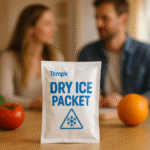
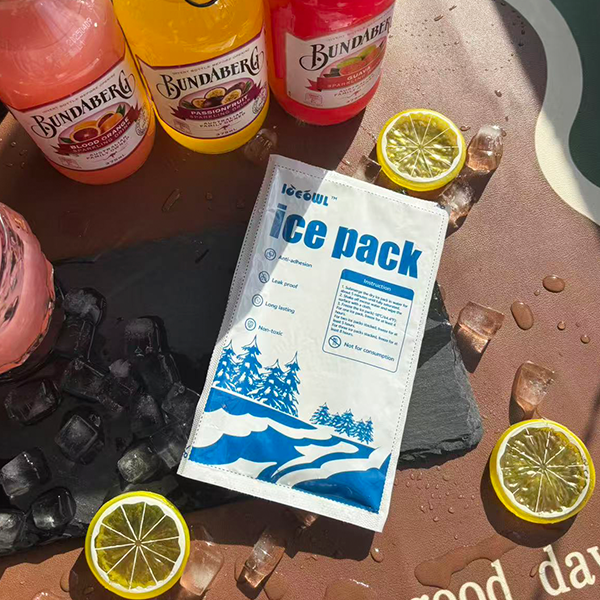
La frase bolsa de hielo seco es ambigua. Puede referirse a dióxido de carbono sólido., una hoja de PCM hidratada, a paquete de gel, o una alternativa de hielo seco. Esa diferencia es importante porque el riesgo de envío cambia inmediatamente.. El hielo seco sólido puede ser apropiado para la entrega de carne congelada cuando el paquete está ventilado., etiquetado, aislado, y diseñado para evitar el contacto directo con los alimentos; Se pueden considerar hojas de paquetes hidratadas para carriles congelados controlados después de la prueba.. El hielo seco no soluciona la carga tibia, aislamiento débil, o mala planificación del día de envío; también requiere manejo de advertencias e instrucciones para el destinatario.
El comprador debe pedirle al proveedor que escriba la identidad del refrigerante en términos claros.. ¿Es dióxido de carbono sólido?? ¿Es una hoja de PCM que absorbe agua?? ¿Es un paquete de gel que debe congelarse antes de su uso?? ¿Está pensado para tocar la caja del producto o sentarse detrás de una barrera?? Si la respuesta no es clara, el pedido no está listo para su aprobación.
La decisión correcta comienza con mantener el producto congelado congelado o al menos en un frío aceptable hasta la entrega.. Esa condición debe ser definida por el propietario del producto., especificación del cliente, etiqueta, o requisito de seguridad alimentaria. Un proveedor puede recomendar una fuente fría., pero el proveedor no debe adivinar la temperatura aceptable del producto..
Construya la ruta de orden alrededor, Carga útil, y Manejo
Una vez que la necesidad de temperatura sea clara, el siguiente paso es la ruta. Congele el producto antes de empacarlo., controlar el espacio vacío, proteger las bolsas de vacío de la abrasión, y evite el envío al final de la semana, cuando el tiempo de permanencia del transportista puede aumentar. La ruta debe escribirse con suficiente detalle para mostrar por dónde entra el calor y dónde la manipulación puede alterar la mochila.. Una ruta con una entrega directa tiene un perfil de riesgo diferente al de una ruta de distribuidor con múltiples paradas o un envío aéreo con transferencia cross-dock..
La carga útil también cambia el paquete.. La masa del producto puede actuar como masa térmica., pero sólo si está preacondicionado correctamente. El espacio vacío puede permitir el movimiento de aire caliente y el cambio de paquetes.. Cajas interiores, bandejas, botellas, viales, bolsas, y las cajas de regalo cambian la forma en que el frío pasa del paquete al producto. Un pedido al por mayor que cubra varios formatos de cajas no debe depender de una configuración no probada.
Un carnicero directo al consumidor que envía filetes congelados necesita una cantidad de refrigerante y un aislamiento diferentes a los de una empresa local de kits de comida que envía proteínas refrigeradas listas para cocinar.. Este tipo de comparación es lo que separa un paquete práctico de una recomendación genérica.. Lo mismo compresa fría Puede ser apropiado en un carril e inadecuado en otro..
Cómo se ve una sólida revisión de proveedores
Una revisión de proveedor para un pedido al por mayor debe cubrir más que la disponibilidad del catálogo.. El comprador debe preguntar sobre la construcción del paquete., preacondicionamiento, uso previsto, compatibilidad con el aislamiento, consistencia de la muestra, control de lotes de producción, y cambiar notificación. Un proveedor que explica los límites es más útil que un proveedor que dice que todas las rutas son adecuadas.
Para una hidratación estilo Tempk paquetes de hielo seco, Las preguntas útiles incluyen cómo la lámina absorbe el agua., como se debe congelar, si se puede cortar o doblar, cómo se debe separar de los productos sensibles, y si el material exterior coincide con las expectativas de manipulación y eliminación del comprador.. Para hielo seco sólido, el comprador debería centrarse en desahogar, seguridad de los trabajadores, etiquetado, masa neta, y aceptación del transportista.
| cheque del comprador | Qué preguntar antes de realizar el pedido | Razón práctica |
|---|---|---|
| Sensibilidad del producto | ¿Puede la carne congelada?, aves de corral, proteínas estilo marisco, y las comidas congeladas directas al consumidor toleran la congelación directa o solo la protección refrigerada? | Un nivel de enfriamiento incorrecto puede dañar la calidad del producto antes de la entrega.. |
| Formato de paquete | ¿El artículo es hielo seco sólido?, una hoja de PCM hidratada, paquete de gel, u otra fuente fría? | Los nombres varían según los catálogos., y las reglas de manejo cambian según el tipo de producto. |
| Ajuste de aislamiento | cual caja, transatlántico, bolsa, o transportista se utilizó en la recomendación del proveedor? | Los reclamos de tiempo de espera no tienen sentido sin el paquete circundante. |
| Ajuste de ruta | ¿Qué duración de la ruta?, exposición ambiental, y se asumieron puntos de traspaso? | Un carril de almacén a almacén se diferencia de la entrega directa a puerta. |
| Control de escala | ¿Las unidades de producción igualarán el tamaño de la muestra?, diseño de celda, membrana, y llenar el comportamiento? | Un pedido mayorista o de distribuidor necesita repetibilidad, no es una muestra única. |
Esta revisión convierte la selección de proveedores en una decisión documentada.. También brinda a las operaciones un punto de partida claro para las pruebas de muestras., porque el equipo sabe qué suposiciones deben verificarse en lugar de depender de una afirmación de desempeño general.
Las pruebas de muestra deben imitar el envío real
Una prueba de muestra no tiene sentido si utiliza la masa de producto incorrecta, una caja vacía, un diferente material aislante, o una ruta que es más fácil que la producción. Utilice el producto real o un sustituto realista, el paquete exterior previsto, la colocación esperada del refrigerante, y el mismo proceso de carga. Si el producto es de alto valor o regulado, Involucrar al equipo de calidad antes de que comience la prueba..
Para carne congelada, aves de corral, proteínas estilo marisco, y comidas congeladas directas al consumidor, La inspección debe incluir el estado del producto al recibirlo., integridad del embalaje, tasa de reembolso, y tasa de excepción del transportista. La temperatura por sí sola puede no contar toda la historia. Un artículo enfriado puede estar técnicamente frío pero dañado por la congelación.. Un artículo congelado puede parecer aceptable aunque el embalaje esté estresado.. Un artículo de regalo puede ser seguro pero inaceptable para el cliente porque la condensación afectó la presentación..
- Definir los criterios de aceptación antes del ensayo., incluyendo el estado del producto al recibirlo.
- Utilice la cantidad planificada y la posición de los paquetes., no es un arreglo aproximado.
- Tiempo récord de preacondicionamiento, tiempo de embalaje, exposición de ruta, y tiempo de recepción.
- Inspeccionar el producto, etiquetas, embalaje interior, y condensación después del parto.
- Repetir la prueba cuando sea temporada., transportador, carga útil, o cambios en el diseño del cartón.
No confunda el marcado de transporte con la protección del producto
La guía de seguridad alimentaria del USDA recomienda que los alimentos perecederos pedidos por correo se envíen fríos o congelados con una fuente fría y se inspeccionen de inmediato al recibirlos.. El uso de hielo seco requiere un manejo seguro y advertencias claras en el paquete. Estas referencias son importantes., pero no deben malinterpretarse. Las normas para el transporte de hielo seco ayudan a los transportistas a gestionar el dióxido de carbono de forma segura. No prueban que el paquete mantiene el producto en las condiciones requeridas.. un medico, alimento, o un producto especializado aún necesita su propia revisión específica del producto.
El mismo límite se aplica a los documentos del proveedor.. Una declaración material, hoja de seguridad, o el folleto del producto puede explicar qué es el paquete., pero no califica automáticamente la ruta del comprador. Cuando el envío es sensible, El comprador debe preguntar si el rendimiento indicado se probó con la misma carga útil., aislamiento, perfil ambiental, y aprobar los criterios que el comprador planea utilizar.
Cuándo no utilizar este enfoque de enfriamiento
Se debe reconsiderar el uso de una bolsa de hielo seco cuando el producto no puede tolerar la fuente de frío., cuando el receptor no puede manejar el refrigerante de forma segura, cuando el transportista no aceptará el envío, o cuando el pedido carece de una instrucción de embalaje repetible. Más hielo seco no puede compensar el retraso en el cumplimiento, nivel de servicio incorrecto, o mala comunicación del receptor.
Herramientas útiles para tomar decisiones
Comprueba los detalles antes de elegir el embalaje.
Estas herramientas rápidas pueden ayudarle a comparar el riesgo de la ruta, necesidades de dimensionamiento, opciones de refrigerante, y detalles del embalaje antes de solicitar una cotización.
Calculadora de hielo seco
Calcule las necesidades de hielo seco para envíos congelados o ultrafríos antes de empacar.
Estimar hielo secoEvaluador de riesgo de ruta
Revise las condiciones del carril antes de seleccionar el embalaje para requisitos operativos reales..
Comprobar riesgo de rutaCalculadora de acumuladores de frío
Estimación de la cantidad de bolsas de hielo en gel para envíos refrigerados y planificación práctica de rutas.
Estimar las bolsas de hieloUn comprador también debe hacer una pausa cuando el proveedor no puede definir el tipo de producto o cuando el reclamo de venta es solo un número de tiempo de espera sin condiciones.. El tiempo de espera depende del aislamiento., perfil ambiental, masa del producto, cantidad del paquete, y criterios de aceptación. Sin esas condiciones, el número puede engañar al equipo de compras.
Preguntas frecuentes
¿Es el hielo seco una buena opción para la entrega de carne congelada??
puede ser, especialmente para líneas de carne congelada donde el producto debe permanecer congelado o muy frío hasta la entrega. El paquete todavía necesita aislamiento., desfogue, etiquetado, instrucciones del destinatario, y suficiente protección para evitar el contacto directo del hielo seco con los envases de alimentos.
¿Debería quedar hielo seco en la caja cuando llegue la carne??
No necesariamente. El hielo seco se sublima durante el tránsito, por lo que el importe restante en el momento de la entrega no es el único signo de cumplimiento. El control más importante es si el producto llega congelado., parcialmente congelado, o frigorífico frío según las normas de aceptación del transportista.
¿Qué puede causar que falle un paquete de carne a granel??
Las causas comunes incluyen la carga de productos calientes., demasiado espacio vacío, aislamiento débil, retraso del transportista, tiempo de permanencia del fin de semana, y comunicación insuficiente con el receptor. Agregar más refrigerante sin corregir estos factores puede aumentar el costo sin mejorar los resultados de entrega.
¿Qué debe incluirse en una especificación del comprador??
Incluir el estado del producto antes del embalaje., dimensiones del cartón, rango de carga útil, tipo de aislamiento, colocación de refrigerante, lenguaje de advertencia de hielo seco, nivel de servicio, y recibiendo instrucciones. Esto ayuda al proveedor a recomendar un paquete en lugar de solo vender un número de paquetes..
Notas de aprobación operativa
Antes de aprobar paquetes de hielo seco a granel para la entrega de carne, El comprador debe comprobar si el lado receptor puede manejar el paquete según lo diseñado.. Un envío puede pasar la lista de verificación de la sala de empaque y aun así fallar porque el receptor deja la caja sin abrir., Quita la compresa fría demasiado pronto., almacena el producto en el lugar equivocado, o pierde la advertencia de hielo seco. Para carne congelada, aves de corral, proteínas estilo marisco, y comidas congeladas directas al consumidor, La instrucción recibida debe ser lo suficientemente breve como para seguirla inmediatamente pero lo suficientemente específica para evitar daños evitables..
La propiedad también debe ser clara.. La adquisición puede gestionar el precio., cantidad de pedido, y comunicación con proveedores. Las operaciones pueden validar la ubicación del paquete., pasos laborales, y cierre de cartón. Calidad, seguridad alimentaria, o los equipos de farmacia pueden definir los criterios de aceptación y el manejo de las desviaciones.. El servicio de atención al cliente puede realizar un seguimiento de las quejas por ruta y período meteorológico.. Cuando estos roles no están asignados, Un problema de embalaje se convierte en un argumento logístico general en lugar de un proyecto de mejora controlado..
El comprador debe mantener un registro de revisión simple del paquete aprobado.. Registre el tipo de paquete, número de paquetes, método de preacondicionamiento, aislamiento utilizado, disposición del producto, material de barrera, cierre de cartón, lenguaje de etiqueta, y recibir cheque. Si el proveedor cambia posteriormente el material del paquete, diseño de hoja, recuento de cajas, o instrucciones de preparación, El registro ayuda al comprador a decidir si el cambio es menor o si se necesita otra prueba de muestra..
La inspección de recepción merece la misma atención que el embalaje.. El receptor debe saber si el paquete puede contener hielo seco sólido., si se necesitan guantes, donde se debe comprobar la temperatura del producto, y qué evidencia se debe registrar si el producto parece caliente, congelado, húmedo, triturado, o de otra manera anormal. Las instrucciones claras reducen las discusiones entre proveedores, transportador, expedidor, y cliente después de una entrega difícil.
Cómo mantener el programa estable en el tiempo
Embalaje de cadena de frío Los programas cambian cuando los equipos tratan la primera prueba exitosa como permanente.. Cambio de rutas, los transportistas cambian, los tamaños de pedido cambian, y cambios estacionales de exposición. Un cronograma de revisión práctico ayuda al comprador a detectar estos cambios antes de que generen devoluciones o quejas sobre el producto.. La revisión puede ser sencilla para envíos de alimentos de menor riesgo y más formal para productos regulados o de alto valor..
Para carne congelada, aves de corral, proteínas estilo marisco, y comidas congeladas directas al consumidor, Las preguntas de repaso más útiles son directas.: ¿El producto todavía se empaqueta en las mismas condiciones iniciales?? ¿Se sigue utilizando el mismo aislamiento?? ¿El personal del almacén sigue el mismo paso de acondicionamiento previo?? ¿La ruta ha ganado un nuevo punto de traspaso?? ¿Los receptores siguen comprobando el producto con prontitud?? Estas preguntas mantienen el programa de bolsas de hielo seco vinculado al envío real en lugar de a un resultado de muestra anterior..
La orden de compra también debe proteger la configuración aprobada.. Puede indicar que las sustituciones en el material del paquete, formato de hoja, membrana, recuento de cajas, o las instrucciones de preparación requieren notificación y aprobación de la muestra.. Este lenguaje no tiene por qué ser complejo., pero ayuda a prevenir cambios silenciosos que alteren el comportamiento de la cadena de frío después de que el comprador ya haya capacitado al personal del almacén..
Finalmente, El comprador debe mantener los datos de la reclamación conectados al paquete.. Una queja sobre la descongelación., congelación, fusión, condensación, helada, daño en la etiqueta, o la recepción retrasada debe etiquetarse por carril y fecha de envío. Con el tiempo, Este pequeño hábito muestra si el problema es la calidad del proveedor., exposición de ruta, ejecución de almacén, o atención al cliente.
Conclusión
La mejor decisión sobre la bolsa de hielo seco a granel para la entrega de carne es específica. Identificar el tipo de refrigerante, definir la temperatura necesaria del producto, trazar la ruta, prueba el paquete completo, y documentar lo que debe permanecer consistente cuando el pedido aumente. Si el producto es sensible, regulado, o basado en presentaciones, Una revisión cuidadosa del paquete no es un trabajo extra.. Es la diferencia entre comprar material en frío y proteger el envío.
Acerca de Tempk
Tempk ayuda a los compradores B2B a revisar las bolsas de hielo seco y embalaje aislado opciones para carne congelada, aves de corral, proteínas estilo marisco, y comidas congeladas directas al consumidor. El punto de partida práctico es su producto., ruta, carga útil, y tolerancia al riesgo de temperatura. Porque las bolsas de hielo seco de hidratación de Tempk son productos en láminas a base de PCM en lugar de dióxido de carbono sólido suelto., Los compradores deben tratarlos como parte de un diseño de paquete y verificar el rendimiento del carril específico antes de su uso en producción..
Para una mejor recomendación, comparte tu categoría de producto, ruta, carga útil, tamaño del cartón, y requisito de temperatura con Tempk antes de comprometerse con un pedido al por mayor. Tempk puede ayudarle a comparar si una bolsa de hielo seco para hidratación, otra opción PCM, hielo seco sólido, o un sistema aislado diferente debe revisarse primero.