Fabricante de bolsas de hielo seco para envío de productos lácteos.: Selección práctica de proveedores y decisiones de embalaje
Comprando fabricante bolsa de hielo seco para el transporte de productos lácteos no es sólo una tarea de adquisición. Es una decisión sobre el rango de temperatura., sensibilidad del producto, diseño de paquete, modo de transporte, y cuántas pruebas necesitará su equipo de recepción o calidad después de la entrega. El primer paso es definir si necesita hielo seco con CO2 sólido verdadero., un paquete congelado hidratable que se vende como paquete de hielo seco, o un PCM diferente o paquete de gel. Una vez que eso esté claro, La selección de proveedores se vuelve más práctica y menos riesgosa..
La verdadera decisión detrás de la compra.
La frase fabricante de paquete de hielo seco para envío de productos lácteos suena específica, pero esconde varias decisiones. Quizás esté eligiendo entre hielo seco de CO2 sólido, un paquete congelado hidratable, un paquete de gel, un paquete PCM, o un cargador aislado configuración. También puede estar decidiendo si su envío necesita protección congelada., protección refrigerada, amortiguación de calor corta, o sólo una copia de seguridad contra la exposición temporal.
Por eso una conversación útil con el proveedor comienza con la carga útil.. El transporte de lácteos tiene diferentes necesidades de leche, yogur, queso, manteca, y helado. Un fabricante debería ayudar a separar los casos de uso refrigerados y congelados antes de recomendar un paquete.. Si el proveedor no pregunta sobre esto, La recomendación puede basarse en el catálogo en lugar del envío..
La segunda decisión es evidencia.. Una mochila puede estar fría y aún no estar probada para tu ruta.. Pregunte si la configuración propuesta ha sido probada en condiciones similares a su modo de transporte., carga útil, exposición ambiental, y criterios de recepción. Si no, Trate el primer pedido como una prueba de muestra en lugar de una aprobación de adquisición completa..
Cuando las bolsas de hielo seco se ajustan al envío
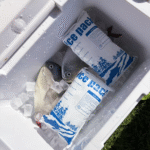
Se adapta mejor a los postres lácteos congelados o al enfriamiento de respaldo en un contenedor aislado que a los paquetes comunes de leche o yogur enfriados.. La razón es sencilla: El hielo seco absorbe fuertemente el calor y no se convierte en agua líquida.. Esto puede resultar valioso cuando los cartones deben permanecer secos., cuando la condición congelada importa, o cuando el transportista tiene espacio limitado para hielo líquido.
El verdadero hielo seco también conlleva obligaciones. Libera gas CO2, por lo que el embalaje no debe ser hermético. Para transporte aéreo, El hielo seco normalmente requiere una marca adecuada., información de cantidad neta, y controles de aceptación del transportista. Los trabajadores deberían estar capacitados para evitar el contacto directo y las áreas de almacenamiento o manipulación mal ventiladas..
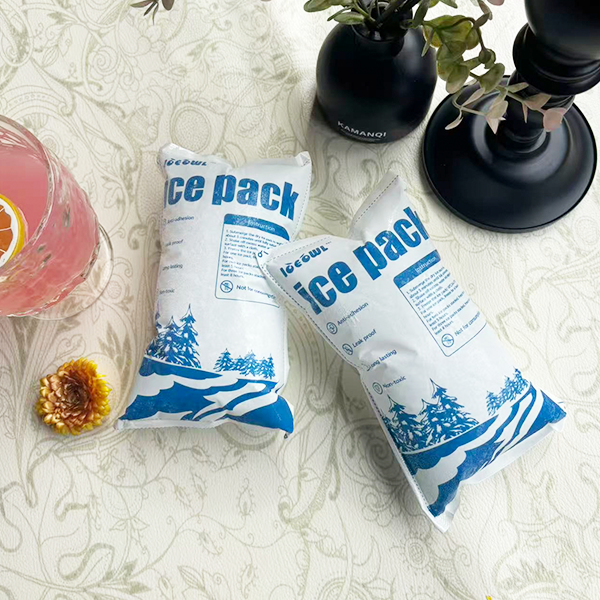
Hidratable Hojas de paquete de hielo seco tener un ajuste diferente. Pueden resultar útiles cuando un comprador desea un envío de menor peso antes de la preparación., almacenamiento más fácil antes de la hidratación, o un paquete flexible que se congela en una sábana. Pero el comprador no debería asumir el mismo perfil frío que el CO2 sólido.. Pregunte qué comportamiento de temperatura espera el proveedor y cómo se probó..
Cuando otro refrigerante es más seguro
No debe presentarse como una respuesta única para cada producto lácteo sin pruebas del producto y criterios de recepción.. Los lácteos refrigerados pueden sufrir problemas de textura o separación si se congelan, mientras que el hielo seco directo también puede hacer que las etiquetas se mojen o se vuelvan quebradizas durante los cambios de temperatura.. En estos casos, una mochila que sea menos fría pero más estable puede ser la mejor opción de ingeniería.
Un paquete PCM puede resultar útil cuando la carga útil necesita una gama refrigerada estrecha. Un paquete de gel puede ser adecuado para rutas cortas de alimentos refrigerados.. Un reutilizable contenedor aislado puede ser mejor para entregas de circuito cerrado. Puede ser necesario un vehículo frigorífico cuando la carga útil es grande o la ruta tiene muchas paradas.. La bolsa de hielo seco debería competir honestamente con estas opciones., no como respuesta predeterminada.
El comprador también debe pensar en la presentación del producto.. Incluso cuando el producto sigue siendo utilizable, helada, etiquetas mojadas, cartones ablandados, o la condensación puede generar rechazo o quejas de los clientes. Para productos sensibles a la marca, La experiencia del embalaje es parte del resultado de la cadena de frío..
Puntos de evaluación de proveedores para abastecimiento a granel o del fabricante.
| pregunta del comprador | Por que importa | Pruebas a solicitar |
|---|---|---|
| ¿Puede el fabricante separar los requisitos de lácteos congelados y refrigerados?? | Evita que un refrigerante incorrecto se utilice a granel | Hoja de especificaciones del proveedor y registro de aprobación de muestras. |
| ¿Qué tan estables son las dimensiones del paquete en los lotes de producción?? | Evita que un refrigerante incorrecto se utilice a granel | Hoja de especificaciones del proveedor y registro de aprobación de muestras. |
| ¿Se pueden agregar instrucciones de etiqueta privada sin cambiar el rendimiento del paquete?? | Evita que un refrigerante incorrecto se utilice a granel | Instrucciones de marcado de transporte y disposición de la caja. |
| ¿Qué controles de calidad se realizan antes del envío?? | Evita que un refrigerante incorrecto se utilice a granel | Hoja de especificaciones del proveedor y registro de aprobación de muestras. |
| ¿Cómo se comunican los cambios de componentes?? | Evita que un refrigerante incorrecto se utilice a granel | Hoja de especificaciones del proveedor y registro de aprobación de muestras. |
Utilice estas preguntas temprano. Ayudan a diferenciar a un proveedor que entiende el envío de uno que solo vende un componente frío. El proveedor adecuado debería poder explicar no sólo qué hace el paquete, pero donde no debe usarse.
Diseño de embalaje: Los detalles que deciden el rendimiento.
Un paquete es la disposición del producto., refrigerante, aislamiento, relleno de vacíos, dispositivo de monitoreo, y embalaje exterior. Debe escribirse con suficiente claridad para que otro trabajador capacitado pueda repetirlo.. Las instrucciones deben incluir el acondicionamiento del paquete., cantidad, colocación, separación del producto, método de cierre, y cualquier acción de recepción.
Para envío de lácteos, la separación es a menudo decisiva. Una capa de barrera, compartimiento, funda del producto, o un espacio de aire controlado puede evitar daños por congelación o condensación.. El proveedor debe explicar cómo se debe colocar el paquete y si el diseño ha sido verificado con una carga útil representativa..
Se debe planificar el control de la temperatura., no agregado casualmente al final. Un registrador cerca del refrigerante puede mostrar un valor que no representa el producto. Un registrador enterrado en el producto puede perder la exposición del borde. La ubicación correcta depende de la pregunta que el receptor debe responder.. ¿El objetivo es demostrar la condición central del producto?, identificar un borde cálido, o documentar la exposición a la ruta?
Revisión de muestra antes de comprometerse con un pedido grande
Antes de pasar de muestra a granel, probar el sistema en condiciones realistas. Utilice la caja exterior prevista, aislamiento, tamaño de carga útil, cantidad del paquete, y pasos de manejo. Incluya el tiempo de preparación normal y el retraso en la recepción si ocurren en la vida real.. Registre lo que sucede con el producto., el cartón, etiquetas, y cualquier material absorbente o de venta al por menor.
La revisión debe incluir al personal operativo.. Las adquisiciones pueden centrarse en el precio y el plazo de entrega., pero los equipos del almacén saben si el paquete es fácil de preparar y colocar. Los equipos de calidad saben qué registros importan. Los equipos de atención al cliente saben qué quejas ocurren después de la entrega.. Una breve revisión multifuncional puede evitar una larga lista de reclamaciones evitables.
Una vez aprobado, congelar la especificación. Definir el tamaño del paquete, material, método de acondicionamiento, caja de cartón, transatlántico, colocación, e instrucciones. Pregunte al proveedor cómo se comunicarán los cambios.. Un pedido al por mayor debe repetir el sistema aprobado., no evolucionar silenciosamente hacia uno diferente.
Ejemplo práctico
Un fabricante puede suministrar un formato de paquete de hielo seco para muestras de helado congelado y un paquete refrigerado diferente o solución PCM para vasos de yogur.. La marca láctea debería probar ambos con sus propios envases, peso de carga útil, y ruta, luego congelar la especificación antes de escalar. El ejemplo no es un paquete universal.. Es un recordatorio de que la selección del refrigerante debe seguir el riesgo del producto.. Dos envíos pueden utilizar el mismo proveedor pero necesitan diferentes tipos de paquetes, métodos de separación, y recibir cheques.
Errores comunes para evitar
Un error es comprar sólo por el peso del paquete.. La masa del paquete importa, pero no te dice cómo se comporta la carga útil dentro del transportista.. Aislamiento, espacio aéreo, masa del producto, ruta, y la colocación puede cambiar el resultado.
Otro error es tratar la declaración de tiempo de espera de un proveedor como una garantía.. El tiempo de espera siempre está ligado a las condiciones de prueba.. Si la prueba indicada utilizó una carga útil diferente, caja de cartón, perfil ambiental, o límite de aceptación, Puede que no describa su envío..
Herramientas útiles para tomar decisiones
Comprueba los detalles antes de elegir el embalaje.
Estas herramientas rápidas pueden ayudarle a comparar el riesgo de la ruta, necesidades de dimensionamiento, opciones de refrigerante, y detalles del embalaje antes de solicitar una cotización.
Revestimiento de caja & Dimensionamiento de la cubierta de paleta
Lógica de tamaño de revestimiento de cajas y cubiertas de paletas para proyectos de embalaje aislado.
Estimar el tamañoCalculadora de acumuladores de frío
Estimación de la cantidad de bolsas de hielo en gel para envíos refrigerados y planificación práctica de rutas.
Estimar las bolsas de hieloSelector de embalaje
Compare las opciones de embalaje aislado por producto, ruta, y necesidad de temperatura.
encontrar embalajeUn tercer error es no distinguir la protección del producto de la documentación.. Una bolsa de hielo seco puede ayudar a crear el ambiente adecuado, pero no proporciona pruebas. Un registrador proporciona evidencia, pero no enfría el producto. Un sistema controlado utiliza ambos correctamente cuando el riesgo lo justifica..
Comprobaciones de implementación antes de la ampliación
Un archivo de aprobación útil debe ser lo suficientemente sencillo para el uso diario.. Mantener el requisito del producto., especificación del paquete, instrucción de acondicionamiento, diseño de caja, y recibir criterios en un solo lugar. Cuando un envío falla, Los equipos pierden tiempo si compras tiene la cotización del proveedor., el almacén tiene una nota de embalaje separada, y la calidad no tiene constancia del ensayo. Un archivo compacto es más fácil de mantener y de entrenar.
La estacionalidad debe manejarse intencionalmente. Un paquete de verano puede necesitar una cantidad de refrigerante diferente, corte de despacho, o aislamiento exterior que un paquete de invierno. Eso no significa que el comprador necesite un nuevo proveedor cada temporada.. Significa que la especificación del paquete debe indicar para qué estación o condición ambiental se revisó., y cuando se necesita una segunda configuración.
La retroalimentación recibida debe recopilarse durante los primeros envíos después de la ampliación.. Solicite a los receptores que informen sobre la humedad del cartón, condición del producto, legibilidad de la etiqueta, refrigerante restante, y cualquier dificultad para desempacar. Estos detalles a menudo revelan cuestiones prácticas antes de que se conviertan en grandes reclamaciones.. También ayudan al proveedor a ajustar el tamaño del paquete., colocación, o instrucciones con evidencia en lugar de conjeturas.
Finalmente, Evite tratar el embalaje como algo separado de las operaciones.. Un buen paquete no puede solucionar la carga tardía, puesta en escena cálida, capacidad insuficiente del congelador, o instrucciones de recepción poco claras. la manada, el remitente, y el proceso de trabajo debe diseñarse en conjunto. Esto es especialmente cierto cuando la palabra clave incluye proveedor., fabricante, al por mayor, o a granel, porque la decisión se repetirá en muchos envíos.
La primera ejecución de producción después de la aprobación de la muestra debe observarse más de cerca que un pedido repetido normal.. Los operadores deben registrar cuánto tiempo permanecieron los paquetes fuera del congelador., si las cajas se cierran fácilmente, si algún paquete goteó o se agrietó, y si la disposición del producto coincidía con el dibujo. Estas notas son pequeñas, pero hacen que el segundo pedido sea mucho más seguro.
La comunicación con el proveedor debe incluir control de cambios.. Si el espesor de la película, material absorbente, tamaño del paquete, recuento de cajas, impresión de etiquetas, o congelar cambios en las instrucciones después de la aprobación, Se debe informar al comprador antes del próximo envío.. Una bolsa de hielo seco puede verse similar pero comportarse de manera diferente en la caja., especialmente cuando el diseño se basa en la masa térmica y la ubicación.
Para rutas con auténtico hielo seco, capacitar al personal sobre ventilación, manipulación protectora, y la diferencia entre el peso del hielo seco y el peso total del paquete. Para rutas con mochilas hidratables estilo hielo seco, capacitar al personal sobre el remojo, drenaje, congelación, inspección, y expectativas de eliminación o reutilización. Ambas opciones necesitan instrucciones de trabajo.; tampoco debería depender de la memoria.
No ignores la caja exterior.. Fuerza del cartón, patrón de cinta, revestimiento interno, separadores, almohadillas absorbentes, y la colocación de la etiqueta influyen en la aceptación del envío.. Una carga útil puede permanecer fría pero aun así fallar si el paquete llega mojado, distorsionado, difícil de abrir, o poco claro para el receptor. Un buen abastecimiento revisa el paquete completo, no sólo el compresa fría.
Un equipo de compras debe decidir qué evidencia es proporcional al riesgo.. Un paquete de alimentos congelados de bajo valor puede necesitar una prueba práctica y una inspección de llegada.. Una ruta farmacéutica o de vacuna puede necesitar una revisión controlada, registros del registrador, POE escritos, y aprobación de calidad. Solicitar las pruebas adecuadas evita tanto el control insuficiente como el papeleo innecesario.
El costo total debe incluir la respuesta ante fallas.. Producto de reemplazo, notas de crédito, manejo de quejas, reenvío, desecho, y la confianza del cliente puede costar más que la propia compresa fría. Un costo de embalaje ligeramente mayor puede ser razonable si reduce la probabilidad de daños a la llegada y agiliza las investigaciones cuando ocurre un retraso en la ruta..
La mejor especificación a granel es aquella que un almacén puede ejecutar en un día ajetreado.. Debería definir el recuento del paquete., posición del paquete, separador, orientación de la carga útil, método de cierre, colocación de etiquetas, y cualquier tiempo máximo desde la retirada del congelador hasta el sellado final. Las instrucciones claras son especialmente importantes cuando los trabajadores temporales o en turnos múltiples se encargan del embalaje..
Al comparar dos proveedores, pedir a ambos que respondan al mismo perfil de envío. Dales la misma descripción de carga útil., tamaño de la caja, tiempo de tránsito, estación, destino, y recibir estándar. Sus respuestas revelarán si están pensando en su ruta o solo en vender un producto genérico de medio de refrigeración..
Preguntas frecuentes
¿Cómo elijo una bolsa de hielo seco del fabricante para el proveedor de envío de productos lácteos??
Elija un proveedor que pueda definir el tipo de paquete, explicar el ajuste del producto, proporcionar muestras, discutir los riesgos del embalaje, y mantener los lotes de producción consistentes. Para envío de lácteos, El proveedor no debe recomendar un paquete para cada producto sin preguntar sobre la ruta y los requisitos de temperatura..
¿Cuándo el hielo seco es la elección correcta??
El verdadero hielo seco es más adecuado cuando la carga útil necesita condiciones congeladas o muy frías y el paquete puede ventilar gas CO2 de manera segura.. Debe utilizarse con el marcado de transporte correcto y los procedimientos de manipulación cuando sea necesario..
¿Cuándo es mejor otro refrigerante??
Otro refrigerante es mejor cuando el producto debe permanecer frío pero no congelado.. Los lácteos refrigerados pueden sufrir problemas de textura o separación si se congelan, mientras que el hielo seco directo también puede hacer que las etiquetas se mojen o se vuelvan quebradizas durante los cambios de temperatura.. Un PCM o un paquete de gel pueden proporcionar un perfil de temperatura más seguro cuando se combina con el producto y el transportista..
¿Qué debe incluir un ensayo de muestra??
Una prueba de muestra debe utilizar el producto real o una carga útil representativa., el cartón planeado, la ruta prevista o perfil térmico, el proceso de acondicionamiento correcto, y recibir criterios de inspección. Temperaturas récord antes de pasar al suministro a granel.
¿Puede Tempk recomendar un paquete sin detalles de ruta??
Una recomendación básica es posible., pero una recomendación precisa necesita el tipo de producto, rango de temperatura requerido, duración del envío, tamaño de carga útil, modo de transporte, y condiciones de manejo. Esos detalles ayudan a evitar el sobreenfriamiento y el subenfriamiento..
Conclusión
La forma correcta de comprar una bolsa de hielo seco del fabricante para el envío de productos lácteos es ralentizar la decisión al principio y hacerlo específico.. Definir la condición de carga útil, Confirme si el paquete es verdadero hielo seco o una alternativa congelada., Diseñar la separación y el aislamiento., y pide pruebas que coincidan con tu ruta. Una vez que esos puntos estén claros, La compra al por mayor se convierte en una decisión de embalaje controlada en lugar de una apuesta..
Acerca de Tempk
Tempk apoya B2B embalaje de cadena de frío proyectos donde el refrigerante, aislamiento, carga útil, y el proceso de manipulación deben trabajar juntos. Para envío de lácteos, Eso a menudo significa aclarar si realmente se necesita hielo seco., si la carga útil debe protegerse contra la congelación, y cómo se deben revisar las muestras antes de realizar un pedido mayor. El objetivo es una orientación práctica sobre embalaje que los compradores puedan discutir con sus equipos de logística y calidad..
Para una recomendación práctica, envíale a Tempk tu ruta, condición del producto, tamaño del cartón, y volumen de compra para que el paquete pueda coincidir con el envío real en lugar de un artículo genérico del catálogo.