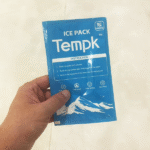
Cuando envías o recibes mariscos, nada importa más que la frescura. Cheap dry ice packs for seafood maintain ultralow temperatures without making a mess, letting you ship frozen fish or shrimp across the country without paying a fortune. Dry ice is solid carbon dioxide that sublimates at –78.5 °C and doesn’t melt into water. A welldesigned pack can keep products frozen for 24–72 hours, making it ideal for long routes. This guide shows you how to choose and use affordable dry ice packs, assess costs, and keep your catch safe. You’ll learn formulas for sizing, reglas de seguridad, and new trends, so you can ship confidently.
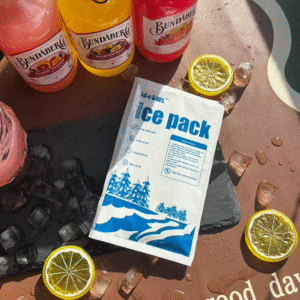
What makes cheap dry ice packs effective: Understand how dry ice works and why it’s a gamechanger for seafood shipping
Choosing the right pack size: Use simple formulas to calculate the amount of dry ice based on shipment weight and duration
Safe handling and packing: Adopt safety measures and packaging methods to avoid burns or explosions while keeping seafood in prime condition
Cost and purchasing tips: Know where to find budgetfriendly packs, what affects price, and how to balance cost versus performance
Realworld examples and trends: See how other businesses reduce thawing losses and explore 2025 innovations like smart dry ice
What Makes Cheap Dry Ice Packs Effective for Seafood Shipping?
Respuesta directa
Cheap dry ice packs work because they harness the sublimation of solid carbon dioxide, offering longlasting, dry cooling that keeps seafood frozen for days while leaving no water residue. A diferencia de paquetes de gel, que se congelan alrededor 0 °C and melt into water, dry ice sublimates directly into a gas at –78.5 °C. This extreme cold absorbs heat without producing meltwater, so your seafood stays dry and free from freezer burn. A 5–8 kg dry ice pack can preserve a similar weight of seafood fillets for days.
Explicación y antecedentes
Desde tu perspectiva, cheap dry ice packs deliver two key benefits: extended cooling time and messfree storage. Traditional ice or gel packs melt, saturating packaging and potentially damaging delicate seafood. hielo seco, sin embargo, transitions from solid to gas, manteniendo una consistencia, ultralow temperature without leaving puddles. That means you don’t have to worry about soggy cardboard or soggy shrimp. Because dry ice sublimates slowly, a lowcost pack can stay cold for 24–72 hours, giving you a buffer for delays. It also helps meet food safety standards by keeping products below –18 °C, which is essential to prevent bacterial growth.
Dry ice packs come in various forms—pellets, blocks or sheets. El vented bag design allows carbon dioxide gas to escape while keeping the dry ice contained. This design ensures consistent airflow around your seafood and prevents pressure buildup. Cuando se usa correctamente, cheap dry ice packs can cost less per shipment than gel packs because you need fewer of them for the same cooling duration. Sin embargo, they require careful handling and proper packaging to avoid frostbite or suffocation.
Key Differences Between Dry Ice and Other Coolants
| Método de enfriamiento | Duración | Desorden | Uso ideal | Impact on Your Seafood |
| Paquete de hielo seco | 24–72 horas | Ninguno (sublimate al gas) | Longdistance frozen seafood | Keeps fish frozen; Sin agua de fusión; minimal thawing |
| Paquete de gel | 6–24 horas | Meltwater forms | Chilled or shortdistance shipments | Mantiene entre 2 y 8 °C; good for live shellfish, but may wet packaging |
| Hielo de agua | 12–24 horas | Alto (fuga de agua) | Entregas locales | Puede empapar las cajas y dañar la textura de los mariscos. |
Consejos y consejos prácticos
Precongela tus mariscos: Congele pescado o camarones antes de empacar para mantener la calidad durante el tránsito..
Usar contenedores aislados: Un EPS grueso o Caja EPP ralentiza la transferencia de calor y prolonga la vida útil de las bolsas de hielo seco económicas.
Coloque el hielo seco en la parte superior: Fregaderos de aire frío, por lo que el hielo seco debe reposar sobre los mariscos para un máximo enfriamiento..
Limitar el espacio de cabeza: Llene el espacio vacío con aislamiento o plástico de burbujas para reducir las bolsas de aire., que aceleran la sublimación.
Seguir las regulaciones: Los envíos internacionales requieren un etiquetado específico y el cumplimiento de las instrucciones de embalaje de la IATA..
Ejemplo del mundo real: Una empresa pesquera redujo las pérdidas por descongelación 7 % a 1.5 % cambiando a bolsas de hielo seco a granel y agregando tapas y revestimientos ventilados en una ruta de dos días. Este simple cambio protegió el valor del producto y aumentó la satisfacción del cliente..
Cómo elegir la bolsa de hielo seco adecuada y económica para su envío de mariscos?
Respuesta directa
La selección de la bolsa de hielo seco adecuada depende de la duración del envío, Requisitos de temperatura y tamaño de carga útil.. Una regla general simple es usar 5–10 libras (2.3–4.5 kg) de hielo seco por 24 horas de tránsito, Ajuste de la calidad del aislamiento y la temperatura exterior.. Por ejemplo, a 6 kg de carga útil enviada para 24 horas en un camión templado se necesitan aproximadamente de 4 a 5 kg de hielo seco. Los envíos más grandes o más largos pueden requerir múltiples paquetes para mantener un enfriamiento uniforme.
Explicación y antecedentes
Elegir el tamaño y la cantidad adecuados de bolsas de hielo seco económicas puede resultar complicado, pero no tiene por qué ser así. Comience por evaluar la duración del envío—¿Cuánto tiempo estarán en tránsito sus productos del mar?? El hielo seco se sublima a un ritmo predecible; UPS señala que entre 5 y 10 libras se sublimarán cada 24 horas. Las rutas más largas o los climas cálidos requieren hielo seco adicional, usualmente agregando 20 % más masa por seguridad.
Próximo, considere el tamaño del envío. Para filetes de marisco de 5 a 8 kg, you’ll need roughly the same weight in dry ice (5–8 kilogramos) to keep them frozen. Use multiple smaller packs around the product rather than a single large block; esto asegura un enfriamiento uniforme.
Finalmente, check the requisitos de temperatura. Los mariscos congelados deben mantenerse por debajo de –18 °C (0 °F), mientras que los refrigerados deben permanecer cerca de 0 °C. Choose a dry ice pack that meets or exceeds these targets. If you’re shipping live shellfish, gel packs or flaked ice might be more appropriate.
Sizing Formula and Table
Use the following formula to estimate the amount of dry ice needed:
Masa de hielo seco (lb) ≈ (Tiempo de tránsito en horas ÷ 24) × (5 a 10 lb) × Route Factor
Route Factor reflects lane temperature: 1.0 for cool routes y 1.3 para rutas calientes. Cambiar de EPS a EPP o a paneles al vacío puede reducir la necesidad de hielo seco by 10–25 %.
| Tipo de carga útil | Peso de carga útil | Hielo seco recomendado (24 hora) | Razón |
| Filetes de mariscos | 5–8 kilogramos | 5–8 kg dry ice | Matches payload weight to maintain frozen state |
| Crustáceos (enfriado) | 3 kilos | Gel packs or 3 kilos de hielo seco + gel mix | Live shellfish prefer a milder temperature |
| Mixto congelado/refrigerado | 10 kilos | 6 kilos de hielo seco + 4 kg gel packs | Create zones using partitions |
Consejos y consejos prácticos
Contenedores de preenfriado: Cool the insulated box for at least 12 hours before packing to reduce initial thermal load.
Agregar un búfer: Add enough dry ice for an extra 24 horas para cubrir retrasos inesperados.
Distribución uniforme: Place smaller dry ice packs on different sides of the shipment to ensure uniform cooling.
Use barrier materials: Separate dry ice from seafood with cardboard or perforated trays to prevent freezer burn.
Ejemplo del mundo real: A 24hour seafood courier with a 6 kg payload and 1″ EPS insulation uses 4–5 kg of dry ice in a tempered truck. The driver adds one extra kilogram to account for traffic delays, ensuring the fillets remain frozen on arrival.
Safe Handling and Packing with Cheap Dry Ice Packs
Respuesta directa
Safety is nonnegotiable: usar equipo de protección, proporcionar ventilación, y nunca sellar hielo seco en un recipiente hermético. El frío extremo del hielo seco puede provocar congelación en cuestión de segundos, and the sublimating gas can displace oxygen or build pressure if trapped. Always label packages as “Carbon dioxide, sólido (hielo seco), UN1845” e incluye peso neto.
Explicación y antecedentes
Dry ice shipping is regulated because carbon dioxide is a hazardous material. Los EE. UU.. Departamento de Transporte y Asociación Internacional de Transporte Aéreo (IATA) require proper training and documentation for shipments containing dry ice. Sin orificios de ventilación, gas buildup can cause containers to explode; without protective gear, handlers can suffer burns or asphyxiation. UPS cautions that content separation and venting are crucial: do not seal your dry ice box airtight.
To handle cheap dry ice packs safely:
Use guantes aislados y protección para los ojos. Dry ice is –109 °F (–79 ºC); contact can freeze skin.
Utilice contenedores ventilados. Do not store dry ice in airtight or glass containers; La presión puede causar explosiones..
Provide ventilation during transport. Keep shipments out of passenger compartments; transport them in trunks or cargo areas with windows open.
Etiqueta y documento. Mark packages with the correct UN number and net weight, e incluir etiquetas de peligro.
Capacitar a todos los manipuladores. Everyone who touches the package should understand hazards and emergency procedures.
Mesa de seguridad
| Peligro | Riesgo | Práctica segura | Beneficio |
| Congelación | Direct skin contact freezes tissue | Wear thermal gloves and use tongs | Prevents injuries |
| Asfixia | El gas CO₂ desplaza al oxígeno | Work in wellventilated areas or open vehicles | Avoids breathing issues |
| Explosión | Gas buildup in sealed container | Utilice refrigeradores ventilados; don’t screw lids on | Prevents container rupture |
Consejos y consejos prácticos
Use proper personal protective equipment (PPE): Guantes, goggles and long sleeves keep you safe when handling packs.
Vent shipments: Add small holes or use vented lids so gas can escape.
Separate food from dry ice: Use cardboard or perforated trays to prevent direct contact and freezer burn.
Deshacerse de manera responsable: Deje que el hielo seco se sublime en un área ventilada.; never throw it in a sink or garbage where it could crack pipes.
Keep children away: Ensure adults supervise disposal and handling.
Caso real: A vendor transported dry ice in a sealed recipiente de plastico. Gas pressure caused the lid to bulge and nearly explode. Vented packaging would have prevented the hazard.
Should You Combine Dry Ice and Gel Packs for Seafood?
Respuesta directa
Combining cheap dry ice packs with gel packs can slow sublimation and create temperature zones, making it ideal for mixed shipments or live shellfish. Dry ice excels at keeping products below freezing, while gel packs maintain chilled temperatures around 2–8 °C. Cuando se usan juntos, the gel acts as a buffer, reducing direct contact and moderating the cold.
Explicación y antecedentes
Seafood isn’t onesizefitsall. Frozen fillets require subzero temperatures, but live oysters or chilled crabs thrive closer to 0 °C. Gel packs are often cheaper and reusable, providing gentle cooling for short durations. Sin embargo, gel packs alone won’t keep products frozen on long trips. By layering gel packs around seafood and placing dry ice on top, you slow down the sublimation rate and prevent freezer burn. This hybrid approach preserves texture and taste.
Herramientas útiles para tomar decisiones
Comprueba los detalles antes de elegir el embalaje.
Estas herramientas rápidas pueden ayudarle a comparar el riesgo de la ruta, necesidades de dimensionamiento, opciones de refrigerante, y detalles del embalaje antes de solicitar una cotización.
Revestimiento de caja & Dimensionamiento de la cubierta de paleta
Lógica de tamaño de revestimiento de cajas y cubiertas de paletas para proyectos de embalaje aislado.
Estimar el tamañoComprobador de riesgos de ruta
Revise las condiciones del carril antes de seleccionar el embalaje para requisitos operativos reales..
Comprobar riesgo de rutaCalculadora de hielo seco
Calcule las necesidades de hielo seco para envíos congelados o ultrafríos antes de empacar.
Estimar hielo secoEn algunos casos, you may place gel packs near the top of the container, then add dry ice above. The gel packs absorb initial warmth and prevent hot air from directly hitting the dry ice, lengthening its life. Use partitions or separators to create zones, ensuring that frozen products stay frozen while chilled items remain cool.
Mesa: When to Combine Coolants
| Guión | Sólo hielo seco | Solo paquetes de gel | Hielo seco + Paquetes de gel | Tu beneficio |
| Frozen fish fillets on a 2day route | ✔︎ | ✖︎ | Opcional | Keeps fish solid; dry ice provides long cooling |
| mariscos vivos (enfriado) | ✖︎ | ✔︎ | Opcional | Gel maintains 2–8 °C without freezing seafood |
| Mixed frozen and chilled items | ✖︎ | ✖︎ | ✔︎ | Creates separate zones; ralentiza la sublimación |
Consejos y consejos prácticos
Place gel packs between dry ice and seafood: They act as a cushion and reduce the risk of freezer burn.
Use insulated dividers: Para cargas mixtas, separate frozen and chilled items with partitions to create different temperature zones.
Haga coincidir el refrigerante con el producto: Use dry ice for any product requiring below –18 °C; opt for gel for short, chilled shipments or live animals.
Ejemplo práctico: A seafood supplier shipped both frozen salmon and live oysters in one container. By placing frozen salmon on the bottom, adding a cardboard divider, then layering gel packs and dry ice on top, they maintained two distinct temperature zones and delivered both products fresh without damage.
How Much Do Cheap Dry Ice Packs Cost and Where to Buy Them?
Respuesta directa
Cheap dry ice packs are inexpensive per pound, and prices drop when you buy in bulk. Many grocery stores and specialty suppliers sell dry ice for a few dollars per pound, and large orders can reduce the price substantially. Costs also depend on the form—pellets, blocks or sheets—and seasonal demand.
Explicación y antecedentes
Dry ice is made from reclaimed carbon dioxide and is generally affordable. According to UPS, the larger the quantity you purchase, the lower the price per pound. Suppliers offer dry ice in various forms:
Bandear: Small grains that conform around the product, Proporcionando un enfriamiento uniforme. They sublimate quickly but are convenient for filling voids.
Bloques: Large chunks that last longer because of lower surface area; good for extended transit.
Sheets or panels: Laminated dry ice sealed in film; easy to handle and stack.
Seasonality affects pricing; during holiday seafood seasons or vaccine distribution surges, demand spikes and so does the cost. Order early or offseason to secure better rates. Delivery schedules also matter: sameday or overnight deliveries cost more than scheduled shipments.
Cost Drivers and Tips
| Factor | Impacto en el costo | MoneySaving Strategy |
| Tamaño del pedido | Larger orders reduce perpound price | Partner with local fisheries to buy in bulk |
| Factor de forma | Pellets may cost more per lb than blocks | Utilice bloques para rutas largas; pellets for filling voids |
| Estación | Demand spikes during holidays or vaccine campaigns | Purchase offseason and store safely |
| Ventana de entrega | Overnight shipments cost more | Plan ahead and choose standard delivery |
Consejos y consejos prácticos
Buy from reliable suppliers: Local dry ice companies, grocery chains and big box stores often sell small quantities. Para grandes volúmenes, work directly with industrial gas suppliers.
Considere la reutilización: Although dry ice itself is singleuse, invest in reusable insulated containers or boxes to save costs over time.
Equilibrar coste y rendimiento: Spending a bit more on better insulation (p.ej., EPP or vacuum panels) can reduce dry ice requirements by up to 25 %.
Evaluate shipping regulations: Compliance costs such as labeling and training can add to your budget; factor these into your decision.
Ejemplo del mundo real: A small fish market partnered with a nearby seafood distributor to purchase dry ice in 50 bloques de libras. By splitting the order, both businesses lowered their perpound price and secured priority supply during the busy holiday season.
RealWorld Case Studies and Lessons Learned
Respuesta directa
Practical experience shows that careful sizing and packaging of cheap dry ice packs dramatically reduces spoilage and improves customer satisfaction. By running pilot shipments, measuring temperature and dry ice loss, and iterating, companies can dial in the optimal pack size and insulation.
Explicación y antecedentes
probar y ajustar su cadena de frío es la mejor forma de optimizar el rendimiento. One seafood company was experiencing thawing losses of about 7 % on a twoday route. They switched from gel packs to bulk dry ice packs, added vented lids and liners, and reduced losses to 1.5 %. The change paid for itself by preserving more product and reducing complaints.
Another example involves a mealkit brand that upgraded from gel packs to dry ice in order to ship frozen ingredients through longer routes. Después de cambiar, they added 20 % more dry ice on hot lanes and minimized headspace in their cartons. This adjustment improved delivery reliability and prevented melt damage.
Mesa: Lessons from the Field
| Caso | Change Implemented | Resultado | Beneficiarte para ti |
| Twoday seafood route | Added bulk dry ice packs and vented liners | Thawing losses dropped from 7 % a 1.5 % | Preserves product value and customer trust |
| Mealkit shipping | Switched from gel packs to dry ice; increased dry ice by 20 % in hot lanes and reduced headspace | Improved delivery success and product quality | More reliable deliveries and fewer complaints |
| 24mensajero de horas | Used 4–5 kg dry ice for a 6 kg payload in EPS box | Shipment remained frozen, even with delays | Minimizes risk and ensures satisfied customers |
Consejos y consejos prácticos
Pilot your shipments: Run small test shipments on your longest route, record temperature and weight loss, then refine pack size.
Mejorar el aislamiento: Upgrading from basic EPS to EPP or vacuum panels cuts down dry ice consumption.
Monitor headspace: Use inserts or foam to reduce empty space and slow sublimation.
Adjust for climate: Agregar 20 % more dry ice when shipping through hot climates or peak summer.
2025 Trends in Cheap Dry Ice Packs and Seafood Logistics
Descripción general de la tendencia
La industria de la cadena de frío está evolucionando rápidamente, e innovaciones en 2025 make cheap dry ice packs even more effective. Paquetes de hielo seco inteligentes equipped with sensors allow shippers to monitor temperature in real time, ensuring seafood stays within safe ranges. Hielo seco ecológico is being produced using captured CO₂, reducir la huella de carbono. sistemas de cadena de frío integrados con IA optimize routing and predict delays to minimize spoilage. Consumer demand for sustainable seafood has increased; confiable Soluciones de cadena de frío help meet these expectations. The Indonesian guide also notes IoT data loggers and sustainability initiatives that cut dry ice mass and cost.
Los últimos avances de un vistazo
Sensores inteligentes de hielo seco: Packs with builtin sensors send realtime temperature data, letting you intervene if temperatures drift.
EcoFriendly Production: New processes capture waste CO₂ to make dry ice, lowering emissions and aligning with green goals.
Optimización de rutas de IA: AI tools plan routes to avoid delays and minimize total dry ice needed.
IoT Loggers: Data loggers in packages provide continuous monitoring and help adjust future shipments.
Aislamiento avanzado: Vacuum panels and phasechange materials reduce dry ice consumption by up to 25 %.
Ideas del mercado
demanda de productos frescos, sustainably sourced seafood continues to rise worldwide. Consumers expect restaurants and retailers to deliver highquality products with minimal environmental impact. Businesses that adopt smart dry ice packs and efficient cadena de frío practices are better positioned to meet these expectations and save costs. The market is shifting towards reuse and recyclability de materiales de embalaje, and some suppliers offer return programs for cajas aisladas. Al mismo tiempo, regulatory scrutiny on carbon emissions encourages companies to choose ecofriendly dry ice and efficient shipping methods.
Preguntas frecuentes (Preguntas frecuentes)
Q1: How long does a cheap dry ice pack last during seafood shipping?
Las bolsas de hielo seco suelen durar 24–72 horas, dependiendo de la cantidad utilizada, Calidad del aislamiento y temperatura exterior.. Adding extra dry ice or upgrading insulation extends this duration.
Q2: Se pueden reutilizar paquetes de hielo secos?
No, El hielo seco se sublima completamente y no se puede reutilizar.. Sin embargo, the insulated containers and outer bags are reusable if kept clean and undamaged.
Q3: Do cheap dry ice packs affect the taste or texture of seafood?
Direct contact with dry ice can alter taste and texture due to freezer burn. Always separate the dry ice with cardboard or a perforated tray.
Q4: What is the best way to dispose of leftover dry ice?
Let dry ice sublimate in a wellventilated area at room temperature. No lo tires en los lavabos., toilets or enclosed trash bins.
Q5: How should I label a package containing dry ice?
Label it “Carbon dioxide, sólido (hielo seco), UN1845,” include the net weight of dry ice and ensure there are ventilation holes.
Q6: What’s the difference between cheap and premium dry ice packs?
Premium packs may include advanced insulation or sensors. Cheap packs focus on basic cooling, usually made from bulk pellets or blocks without additional features. The cost difference often reflects convenience, not cooling capacity.
Resumen y próximos pasos
Control de llave
In this guide you learned that cheap dry ice packs keep seafood frozen without mess, thanks to carbon dioxide’s sublimation. Selecting the right pack size involves matching dry ice mass to payload weight and transit time; a rough rule is 5–10 libras por día. Manejo adecuado: uso de EPP, venting containers and labeling—is critical to safety. Combining dry ice with gel packs works well for mixed or chilled shipments. Realworld examples showed how switching to bulk dry ice reduced thawing losses and improved delivery reliability. Por último, 2025 tendencias como los sensores inteligentes, ecofriendly dry ice and AI routing promise greater efficiency.
Actionable Advice and CTA
Evalúe su envío: determinar el peso, requisitos de duración y temperatura.
Calcular las necesidades de hielo seco: Use the 5–10 pounds per 24 regla de horas, agregar 20 % for hot routes and choose proper insulation.
Empacar de forma segura: Usar guantes, vent containers and separate dry ice from seafood with cardboard trays.
Test and refine: Run pilot shipments, monitor temperatures and adjust pack size to minimize waste.
Mantente informado: Adopt new technologies like smart dry ice packs and sustainable insulation to stay ahead in the industry.
Ready to improve your seafood shipments? Contact our experts to discuss your route and get personalized recommendations for dry ice pack selection and cadena de frío design.
Acerca de Tempk
Y Tempk, we specialize in developing reusable, ecofriendly cadena de frío solutions para mariscos, productos farmacéuticos y otros productos perecederos. Nuestras bolsas de hielo seco, insulated containers and temperaturemonitoring tools are designed to keep products fresh, minimize waste and reduce costs. We combine researchdriven design with practical experience to deliver solutions that meet strict food safety and environmental standards. Reach out today to learn how our products can transform your seafood shipments.
Llamado a la acción: Want help choosing the perfect cheap dry ice pack? Get in touch with our team for a customized solution tailored to your business needs.