Las barras de chocolate parecen fáciles de enviar porque son planas, sellado, y a menudo más apilable que los chocolates rellenos. En la práctica, aún pueden perder valor minorista rápidamente cuando una ruta incluye camiones calientes, exposición directa al sol, largo tiempo de permanencia en el almacén, o traspasos húmedos. Un bar que llega florido, bordes suavizados, condensación de envoltura, o las cajas de exhibición abolladas aún pueden ser comestibles, pero ya no parece premium para el cliente.
Para marcas, distribuidores, vendedores de cajas de regalo, y tiendas de chocolates online, el objetivo es no congelar el producto. El objetivo es mantener la barra de chocolate en un establo., Frío, Ambiente seco desde el embalaje hasta la entrega..
¿Qué diferencia a las barras de chocolate de otros productos de chocolate?
Las barras de chocolate suelen tener un menor riesgo de aplastamiento que las delicadas trufas o las frutas cubiertas de chocolate., pero tienen una superficie expuesta más grande y un estándar visual fuerte. barras delgadas, barras moldeadas, barras envueltas en papel de aluminio, y las barras empaquetadas en mangas pueden mostrar pequeños problemas de temperatura y manipulación muy claramente.
Los riesgos de envío más comunes son:
- Ablandamiento o derretimiento parcial durante la entrega caliente de última milla
- Floración de grasa después del ciclo de temperatura
- El azúcar florece cuando se forma condensación en el envoltorio o en la superficie del chocolate.
- Barras deformadas cuando las cajas se empaquetan demasiado flojas o se cargan cerca de fuentes de calor
- Mangas abolladas, esquinas agrietadas, o impresión frotada en envases de venta al por menor
- Absorción de olores de mercancías con olor fuerte durante el transporte compartido
Comparado con los chocolates rellenos, Las barras de chocolate a menudo pueden tolerar un poco más de presión en el cartón., pero aún necesitan una amortiguación estable y una distribución controlada del refrigerante.
Enfoque recomendado de temperatura y humedad.
La mayoría de las barras de chocolate deben enviarse en un lugar fresco., Campo seco en lugar de una ruta helada.. Un objetivo práctico para muchas rutas de barras de chocolate es alrededor 15-18 do, con el ajuste final confirmado por las especificaciones del producto de la marca, formulación de manteca de cacao, inclusiones, y el clima local.
El control de la humedad es tan importante como la temperatura. Cuando el chocolate pasa de un ambiente frío a uno cálido, aire húmedo, Se puede formar condensación en envoltorios o cajas.. Esa humedad puede dañar las etiquetas y contribuir a la floración del azúcar si la superficie del chocolate queda expuesta..
Antes del envío, Mantenga las barras terminadas y las cajas exteriores en una habitación estable.. Evite empacar barras de chocolate inmediatamente después de haberlas trasladado de una habitación mucho más fría a un área de cumplimiento cálida..
Preenfriamiento y preparación de embalaje.
Las barras de chocolate deben envasarse únicamente después del producto., cajas de venta al por menor, y cargador aislado son todos estables. El preenfriamiento no significa colocar las barras directamente contra bolsas de hielo. Significa reducir la carga de calor en ruta antes de que el paquete salga del almacén..
Un proceso de preparación práctico:
- Mantenga las barras terminadas en un lugar fresco, área de almacenamiento seca antes de empacar.
- Acondicione los paquetes de gel o PCM para que estén lo suficientemente fríos para la ruta, pero no tanto como para causar humedad o marcas de frío..
- Mantenga las cajas cerradas durante el embalaje para limitar el calor., intercambio de aire húmedo.
- Utilice un divisor o un bolsillo de revestimiento para que el refrigerante nunca presione directamente contra las mangas de chocolate..
- Cierre el contenedor aislado rápidamente después de la carga..
Este proceso es especialmente importante para los envíos de comercio electrónico de verano., envíos de regalos, y entregas que pueden realizarse en un muelle o en la puerta.
Colocación de refrigerante para barras de chocolate.
Las barras de chocolate se benefician de un enfriamiento uniforme alrededor del cartón en lugar del frío intenso de un lado.. Contacto directo con paquetes de gel puede crear condensación, tinción de cartón, y calidad superficial desigual.
Se puede utilizar un paquete Tempk para barras de chocolate.:
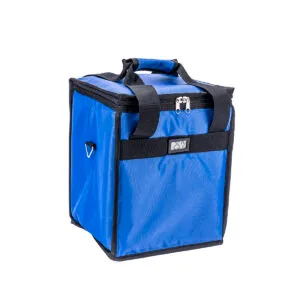
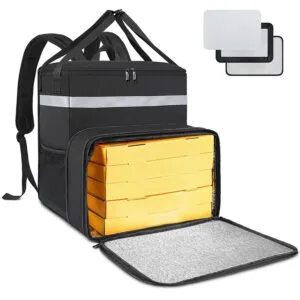
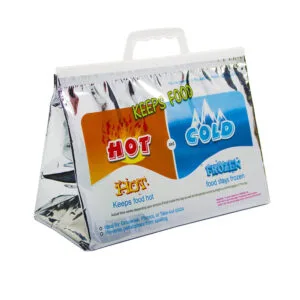
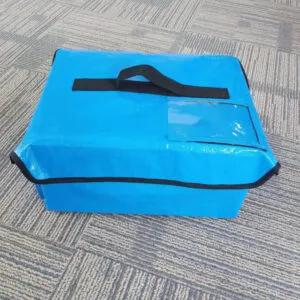
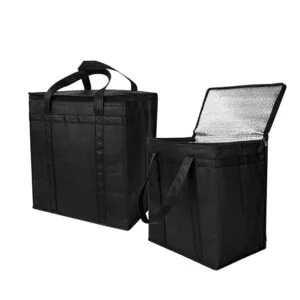
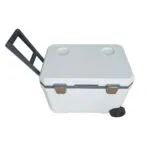
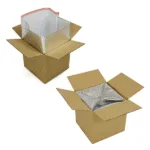
- Una caja aislada o un sobre aislado seleccionado según la duración de la ruta
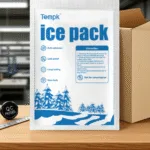
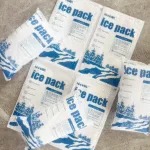
- Paquetes de gel acondicionado o PCM colocados encima, al lado de, o alrededor de la zona del producto
- Divisores corrugados, bolsillos interiores, o separadores térmicos entre el refrigerante y las cajas de venta al por menor
- Relleno de huecos para evitar que las barras se deslicen dentro del cargador.
- Una barrera contra la humedad o una almohadilla absorbente cuando la ruta incluye traspasos húmedos.
- Un indicador de temperatura o registrador de datos para envíos de validación.
Para barras de chocolate planas, la dirección del embalaje también importa. Las barras deben sujetarse con suficiente fuerza para evitar deslizamientos., pero no tan apretado que las mangas se arruguen o las esquinas se aplasten.
Presión de embalaje y protección del cartón.
Las barras de chocolate suelen ser más apilables que las trufas., pero las barras delgadas y las fundas premium para minoristas siguen siendo sensibles a las marcas de presión.. Si un envío incluye varias cajas de barras, el paquete debe distribuir el peso por toda la cara del cartón y evitar la presión puntual de los paquetes de gel congelados., inserciones sueltas, o cajas exteriores pesadas.
Herramientas útiles para tomar decisiones
Comprueba los detalles antes de elegir el embalaje.
Estas herramientas rápidas pueden ayudarle a comparar el riesgo de la ruta, necesidades de dimensionamiento, opciones de refrigerante, y detalles del embalaje antes de solicitar una cotización.
Resistencia a la caída del material aislante
Revise la resistencia a caídas y los factores de manipulación antes de elegir materiales aislantes..
Comprobar resistenciaSelector de embalaje
Compare las opciones de embalaje aislado por producto, ruta, y necesidad de temperatura.
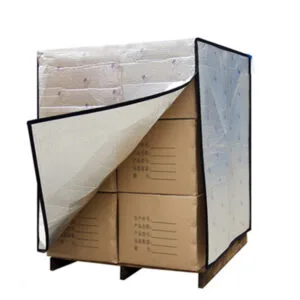
encontrar embalajeRevestimiento de caja & Dimensionamiento de la cubierta de paleta
Lógica de tamaño de revestimiento de cajas y cubiertas de paletas para proyectos de embalaje aislado.
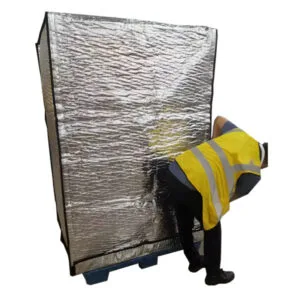
Estimar el tamañoPara envíos directos al consumidor, una caja exterior rígida suele ser más segura que un sobre blando en rutas largas o calurosas. Para cajas al por mayor, un aislado revestimiento de cartón Se puede utilizar cuando el producto ya tiene un embalaje resistente listo para el almacenamiento..
Guía de duración de la ruta
La ruta debe compararse con el tiempo de tránsito real., clima local, y condiciones de transferencia.
Para rutas hasta 24 horas, un embalaje aislado compacto con refrigerante acondicionado puede ser suficiente si el producto se empaqueta desde una sala de almacenamiento estable.
Para 24-48 rutas de horas, use una capa de aislamiento más gruesa, una distribución del refrigerante más equilibrada, y una prueba de ruta que incluye el tiempo de permanencia esperado en el almacén.
Para 48-72 rutas de horas o envíos transfronterizos de verano, Utilice un paquete validado con un registrador de datos.. Evite las retenciones de fin de semana y los períodos de recogida incontrolados siempre que sea posible..
Patrones de pérdidas comunes a tener en cuenta
Si las barras de chocolate llegan blandas cerca de los bordes, Es posible que el paquete no tenga suficiente capacidad de refrigerante o espesor de aislamiento para la ruta..
Si las barras llegan con condensación en las mangas, el refrigerante puede estar demasiado frío, demasiado cerca del producto, o insuficientemente separado del aire húmedo.
Si las barras están intactas pero las mangas están abolladas, el problema suele ser mecánico: demasiado espacio vacío, cajas exteriores débiles, o presión puntual de paquetes de refrigerante.
Si solo la capa superior se ve afectada, comprobar la exposición al sol, calor en el techo del camión, o colocación de refrigerante sobre el producto.
Recomendación de embalaje Tempk
Para barras de chocolate, Tempk puede ayudar a diseñar un paquete basado en el formato de envío:
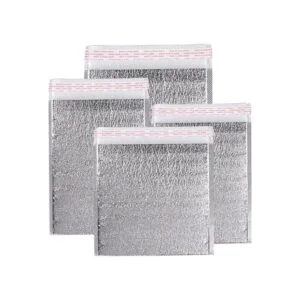
- Sobres aislados para entregas locales cortas y pedidos pequeños
- EPS, PPE, o sistemas de cartón aislado para comercio electrónico y envíos mayoristas
- Paquetes de gel acondicionados o PCM seleccionados para la temperatura esperada de la ruta.
- Separadores que mantienen el refrigerante alejado de las fundas minoristas
- Validación de ruta con un registrador antes del envío en temporada alta
El mejor resultado se obtiene al probar el tamaño exacto de la caja., recuento de barras, duración de la ruta, y perfil de exposición de verano antes de escalar el envío.
Preguntas frecuentes
¿Se pueden enviar las barras de chocolate con bolsas de hielo normales??
Se pueden enviar con paquetes fríos sólo cuando los paquetes están correctamente acondicionados y separados del producto. El contacto directo puede crear condensación., tinción de cartón, y enfriamiento desigual.
¿Deben congelarse las barras de chocolate antes de enviarlas??
La congelación no suele ser la solución adecuada para las barras de chocolate estándar.. un genial, seco, la ruta estable es más segura para la apariencia, textura, y calidad del embalaje a menos que la propia especificación de la marca diga lo contrario.
¿Cuál es el mayor error de embalaje de las barras de chocolate??
El error más común es centrarse únicamente en las compresas frías e ignorar la humedad., ajuste de cartón, y presión. Las barras de chocolate necesitan un paquete completo: aislamiento, separación de refrigerante, control de humedad, y control de movimiento.
Llamado a la acción
Si sus barras de chocolate se envían por vías cálidas, largas rutas de mensajería, o canales de comercio electrónico de verano, Tempk puede revisar el tamaño de su caja, recuento de productos, tiempo de tránsito, y clima de entrega para recomendar un paquete aislado probado.