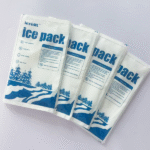
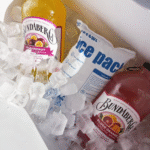
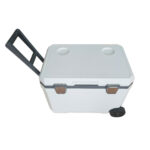
Elección de Gel Brick ODM para un suministro confiable de cadena de frío
Elegir ODM de ladrillos de gel es una decisión de abastecimiento y una decisión de riesgo de la cadena de frío al mismo tiempo.. El comprador no sólo está adquiriendo un ladrillo refrigerante; el comprador está aprobando un componente que los empacadores, equipos de almacén, socios de transporte, y a veces los equipos de calidad dependerán de. El enfoque más seguro es definir los requisitos del producto., ruta, empacar, necesidades de documentación, y controles de repetición de pedidos antes de juzgar el precio. Esta guía final combina la visión práctica del comprador, límites técnicos, y controles operativos en un marco de abastecimiento.
Defina el trabajo que debe realizar el ladrillo de gel
La primera pregunta sobre abastecimiento es simple pero a menudo se omite.: ¿Qué trabajo debe realizar el ladrillo de gel en este programa específico?? Para un escenario en el que un gerente de producto desea un bloque refrigerante con forma para un kit de refrigeración reutilizable y necesita que el proveedor sugiera el formulario, cierre, embalaje de cartón, e instrucciones de manejo, la respuesta puede implicar protección fría, soporte congelado, almacenamiento en búfer de entrega corta, enfriamiento de ruta reutilizable, o un accesorio de marca para un kit aislado. Cada trabajo crea diferentes criterios de selección.. Un ladrillo usado junto a mariscos no se evalúa de la misma manera que un ladrillo usado cerca de un medicamento sensible a la congelación..
Escriba la declaración de trabajo antes de solicitar cotizaciones.. Debe incluir la categoría del producto., condición de temperatura requerida, tipo de embalaje aislado, ruta o patrón de manejo, si se permite el contacto directo con el producto, cómo se acondicionará el ladrillo, y si se necesita documentación. Este resumen no tiene por qué ser largo.. Sólo necesita ser lo suficientemente específico para que los proveedores recomienden un producto sin adivinar..
Una declaración de trabajo clara también protege al comprador de compras excesivas.. Algunos proyectos necesitan un bloque de gel reutilizable estándar e instrucciones de embalaje cuidadosas.. Otros necesitan un PCM, un contenedor diferente, un paquete calificado, o control activo de temperatura. Cuando el requisito se define temprano, El proveedor puede indicarle dónde es adecuado el bloque de gel y dónde se necesita trabajo de diseño adicional..
Cree un resumen de abastecimiento antes de comparar precios
La comparación de precios sólo es útil después de que las opciones sean técnicamente comparables.. Si una cotización es para un bloque congelador rígido, otro para una bolsa flexible, y otro para un paquete PCM de marca privada, Los precios unitarios no describen el mismo producto.. El comprador primero debe estandarizar el informe.: uso objetivo, dimensiones, Comportamiento de llenado o temperatura por confirmar., material exterior, requisitos de etiqueta, embalaje de cartón, cantidad de muestra, documentos, y patrón de orden esperado.
Para revisión de diseño ODM, El informe también debe indicar lo que debe permanecer sin cambios después de la aprobación de la muestra.. Eso puede incluir el molde., llenar, contenido neto, cáscara o película, logo, etiqueta de instrucciones, bolsa interior, caja de cartón, y método de carga de paletas. Si el proveedor propone posteriormente un cambio, El comprador puede decidir si es aceptable antes de que llegue al almacén o al cliente..
El informe debe evitar promesas de desempeño no respaldadas.. En lugar de pedir un ladrillo que mantenga los productos fríos durante un tiempo fijo en todas las condiciones, pedir al proveedor que explique el contexto de la prueba detrás de cualquier afirmación de duración. ¿Qué contenedor aislado se utilizó?? ¿Qué carga útil?? ¿Qué perfil ambiental? ¿Qué cantidad de ladrillos?? ¿Qué límites de temperatura?? Si faltan esos detalles, tratar la duración como un reclamo de marketing, no como un requisito de abastecimiento.
Preguntas de los proveedores que separan la compra de productos básicos del abastecimiento controlado
Una conversación profesional con el proveedor debería hacer que el comprador esté más seguro, no más dependiente de afirmaciones vagas. El proveedor no necesita responder todas las preguntas regulatorias., pero debería poder explicar la construcción del producto., aplicaciones previstas, método de acondicionamiento, opciones de embalaje, y controles de repetición de producción. Para proyectos relacionados con la alimentación., farmacéutico, cuidado de la salud, exportar, OEM, ODM, o suministro personalizado, esta diferencia se vuelve importante rápidamente.
| Pregunta para hacer | Una respuesta útil debería cubrir | Bandera roja |
|---|---|---|
| ¿Qué se suministra exactamente?? | Tamaño del ladrillo, material exterior, tipo de relleno, cierre, etiqueta, caja de cartón, y uso previsto | Sólo una foto del producto o una descripción vaga. |
| ¿Cómo se debe condicionar?? | Congelación, puesta en escena, manipulación de la estación de embalaje, colocación, y cualquier precaución de contacto con el producto | No hay instrucciones más allá de "congelar antes de usar" |
| ¿Qué documentos están disponibles?? | Especificación, datos de seguridad, detalles de la caja, y cualquier prueba o información de uso | Afirmaciones de idoneidad amplia sin respaldo |
| ¿Cómo se controlan los pedidos repetidos?? | Registros de aprobación de muestras, notificación de cambio, control de versión de arte, y ajuste de producción | Sustituciones silenciosas o proceso de cambio indefinido |
| ¿Qué debe ser probado por el comprador?? | Ajuste completo, exposición de ruta, contacto de carga útil, condición de recepción, y cualquier evidencia de calidad requerida | El proveedor trata el ladrillo como una solución universal |
Las señales de alerta no siempre son señales de un mal proveedor. A veces muestran que el comprador no ha proporcionado suficiente contexto.. Si un proveedor da una respuesta genérica, responder con el resumen de envío y preguntar nuevamente. El objetivo no es forzar un proceso complicado en cada pedido.. El objetivo es asegurarse de que el producto, embalaje, y el nivel de reclamo coincide con el caso de uso real.
Ruta, carga útil, y las pruebas deben revisarse juntas
Embalaje de cadena de frío falla cuando un elemento se considera solo. Un bloque de gel fuerte en un contenedor débil puede no proteger la carga útil. Un buen contenedor con una ubicación incorrecta de los ladrillos puede crear zonas locales de congelación o cálidas.. Un paquete probado aún puede ser mal manejado si la preparación del almacén, recogida por mensajería, o la recepción de la inspección no está controlada. Ruta, carga útil, y la prueba pertenecen a la misma conversación.
Para muchos envíos refrigerados de vacunas y productos farmacéuticos, 2°C a 8°C es un rango de planificación familiar, Pero los compradores siempre deben confirmar el requisito exacto del producto.. Algunos productos no deben congelarse. Algunos productos congelados tienen límites diferentes. Algunos envíos de alimentos requieren una presentación refrigerada en lugar de documentación de tipo farmacéutico.. El proveedor puede proporcionar información del producto., pero la calidad del comprador, regulador, o el equipo de logística debe decidir qué evidencia se necesita.
La prueba puede tomar diferentes formas.. Para un accesorio alimentario de bajo riesgo, una hoja de especificaciones y una prueba de empaque interno pueden ser suficientes. Para productos sanitarios sensibles, los compradores pueden necesitar control de temperatura, datos de calificación, y revisión de calidad. El ladrillo de gel no decide el nivel de evidencia; el producto y la ruta. Es por eso que un informe de abastecimiento debe incluir la categoría del producto y no solo el tamaño del bloque..
La revisión de la muestra debería probar el proceso., no solo el artículo
Separe las funciones imprescindibles de las preferencias visuales, luego confirme qué afirmaciones requieren pruebas antes de promocionar el diseño. La etapa de muestreo es el momento de menor costo para encontrar problemas.. Compruebe si el ladrillo se ajusta al embalaje final., si los empacadores pueden manejarlo de manera segura, si la etiqueta sobrevive a la condensación, si las cajas se apilan como se esperaba, y si el producto es fácil de identificar después de la congelación. Si el ladrillo es personalizado o de marca privada., confirmar obra de arte, texto de instrucciones, color, Y marcas de cartón antes de la producción..
Una revisión de muestra útil incluye una prueba de paquete simple. colocar el producto, ladrillos de gel, divisores, revestimiento, absorbente, y documenta exactamente según lo planeado. Luego pregunte si el método de embalaje es realista durante un turno ocupado.. Si un método funciona sólo cuando una persona experimentada hace las maletas lentamente, puede fallar cuando aumenta el volumen. Un buen abastecimiento considera las manos que realmente empacarán el envío..
Herramientas útiles para tomar decisiones
Comprueba los detalles antes de elegir el embalaje.
Estas herramientas rápidas pueden ayudarle a comparar el riesgo de la ruta, necesidades de dimensionamiento, opciones de refrigerante, y detalles del embalaje antes de solicitar una cotización.
Selector de embalaje
Compare las opciones de embalaje aislado por producto, ruta, y necesidad de temperatura.
encontrar embalajeGenerador de lista de cumplimiento
Cree una lista de verificación práctica para la revisión del embalaje, envío, y documentación.
Crear lista de verificaciónResistencia a la caída del material aislante
Revise la resistencia a caídas y los factores de manipulación antes de elegir materiales aislantes..
Comprobar resistenciaRegistre la muestra aprobada y manténgala disponible para futuras comparaciones.. En repetidas compras, A menudo surgen disputas porque nadie recuerda lo que se aprobó.. Una muestra de retención física., fotos, dimensiones, versión del documento, y los detalles del cartón pueden resolver los problemas rápidamente. Para OEM, ODM, exportar, fábrica, o programas de distribución, Este registro también apoya la comunicación entre ventas., adquisitivo, depósito, y equipos de proveedores.
Cuando los ladrillos de gel no son suficientes
Un proveedor cauteloso debería estar dispuesto a decir cuándo un bloque de gel no es suficiente.. Si el envío es largo, la exposición ambiental es severa, la carga útil es muy sensible, o el producto no puede tolerar el contacto con la congelación, Un bloque de gel básico puede no ser el componente adecuado por sí solo. El comprador puede necesitar PCM, un transportista aislado diferente, separación adicional, refrigeración activa, cambios de ruta, o un paquete térmico calificado.
El comprador también debe tener cuidado con las cargas útiles mixtas.. Si un artículo necesita condiciones de refrigeración y otro es sensible a la congelación, La colocación de los ladrillos y las capas de aislamiento son importantes.. Si el paquete contiene productos médicos., Los documentos y el control pueden ser tan importantes como el refrigerante.. Si la ruta incluye carga aérea, la reserva de carga, etiquetas, y las instrucciones de manejo pueden necesitar revisión adicional. La respuesta correcta puede ser más compleja que cambiar el tamaño del ladrillo..
Esto no es una debilidad de los ladrillos de gel.. es su limite. Los componentes de refrigeración pasiva son valiosos cuando se utilizan dentro de un paquete realista.. Se vuelven riesgosos cuando se les pide que reemplacen el aislamiento., control de ruta, requisitos específicos del producto, o evidencia de calidad. Un comprador que comprenda estos límites obtendrá más confianza y evitará reclamaciones que no puedan respaldarse..
Un camino de compra práctico
El camino de compra puede ser sencillo: definir el caso de uso, solicitar cotizaciones comparables, revisar documentos, muestras de prueba en el paquete previsto, aprobar la especificación exacta, hacer el pedido, inspeccionar la recepción, y monitorear el desempeño en los primeros envíos reales. Esta secuencia mantiene el orden en movimiento y al mismo tiempo reduce el riesgo evitable.. Es especialmente útil cuando el comprador planea pasar de un pedido de prueba a compras repetidas..
Para lanzamientos de nuevos productos, kits aislados incluidos, programas especializados de entrega de alimentos, y accesorios de transporte sanitario, el camino debe incluir comunicación descendente. Si el producto se revende, Los equipos de ventas necesitan una redacción cuidadosa.. Si se utiliza dentro de una operación de servicio, Los empacadores necesitan instrucciones claras.. Si es parte de un envío con calidad revisada, el equipo de calidad necesita registros. Un ladrillo de gel puede parecer un componente pequeño, pero toca varias partes del negocio.
La elección final del proveedor debe reflejar algo más que el precio.. Busque un proveedor que pueda mantener estable el producto., explica sus límites, documentación de soporte, comunicarse antes de los cambios, y le ayudaremos a unir el ladrillo con el paquete de cadena de frío circundante.. Esa es la diferencia entre un pedido de productos básicos y una decisión de abastecimiento que protege las operaciones..
Preguntas frecuentes
¿Cómo elijo un proyecto ODM de ladrillos de gel??
Comience con el caso de uso, no el catalogo. Definir el producto, longitud de ruta, rango de temperatura requerido, tamaño de carga útil, aislamiento, puntos de entrega, y expectativas de documentación. Luego solicite a los proveedores que confirmen qué tamaño de ladrillo, material, caja de cartón, y las instrucciones de acondicionamiento se ajustan a ese escenario. Una elección confiable es aquella que se puede repetir y verificar., no simplemente la oferta más barata.
¿Qué documentos debe solicitar un comprador??
Los documentos útiles pueden incluir una hoja de especificaciones., ficha de datos de seguridad, detalles del embalaje de cartón, instrucciones de manejo, y cualquier paquete disponible o información de prueba térmica. El paquete exacto depende del mercado y la categoría de producto.. Para atención sanitaria o bienes regulados, Su equipo de calidad o logística debe confirmar qué evidencia se requiere antes de confiar en cualquier declaración del proveedor..
¿Puede un bloque de gel funcionar para todos los envíos??
No. El mismo ladrillo puede funcionar de manera diferente en un sobre pequeño aislado., un bolso reutilizable, a caja de espuma, o un sistema de cadena de frío paletizado. Masa de carga útil, espacio vacío, exposición ambiental, colocación de ladrillos, y el precondicionamiento todo cambia el resultado. Cree un pequeño conjunto de paquetes aprobados en lugar de esperar que un bloque genérico cubra todos los productos..
¿Cuál es el mayor error de abastecimiento??
El mayor error es aprobar el precio antes de aprobar el ajuste.. Un ladrillo económico que cambia de dimensiones, fugas, no se ajusta al paquete, o carece de documentación básica puede generar más costos de los que ahorra. Los compradores deben tratar la etapa de muestra como una prueba de proceso.: revisa el ladrillo, el cartón, las instrucciones, y la capacidad del proveedor para repetir la configuración aprobada.
Conclusión
Un proyecto ODM de ladrillos de gel debe elegirse mediante un marco de abastecimiento claro: definir el trabajo, estandarizar el resumen, comparar sólo ofertas comparables, probar la muestra en el paquete real, y controlar los cambios de orden repetido. El ladrillo de gel es un útil componente de refrigeración pasiva., pero no reemplaza el aislamiento, escucha, calificación, o requisitos específicos del producto.
La decisión de compra más fuerte es la que tu almacén puede repetir, su equipo de ventas puede describir con precisión, y su equipo de calidad o logística puede defenderse cuando se revisa un envío.
Acerca de Tempk
Tempk suministra materiales de embalaje de cadena de frío para compradores que necesitan bolsas de hielo en gel, ladrillos de hielo del congelador, bolsas aisladas, Cajas EPP, cajas de envío frías, revestimientos aislados, cubiertas de paletas, y componentes de embalaje relacionados. En una discusión sobre ODM de ladrillos de gel, Nuestro papel es ayudar al comprador a definir claramente el caso de uso antes de elegir una talla., etiqueta, caja de cartón, o dirección de embalaje. Mantenemos la conversación basada en lo que debe verificarse.: carga útil, ruta, acondicionamiento, compatibilidad de embalaje, y si el producto seleccionado se utiliza como componente refrigerante o como parte de un sistema de temperatura controlada más amplio..
Pídale a Tempk que revise su caso de uso de empaque y le ayude a comparar el bloque de gel adecuado, embalaje aislado, y opciones de cartón para su próxima ronda de abastecimiento.