Elegir la compresa fría de gel adecuada para envíos sensibles a la temperatura
Si estas evaluando paquete de gel frío opciones para envíos sensibles a la temperatura, el ajuste importa más que las afirmaciones de los titulares. El producto tiene que adaptarse a la carga útil., el remitente, la ruta, y la disciplina de empaque que su equipo realmente puede repetir.
Cuando esos elementos se alinean, una compresa fría de gel puede ser una fuente de frío muy práctica. cuando no lo hacen, Incluso una mochila bien hecha puede decepcionar en el campo..
Qué es este producto y dónde encaja
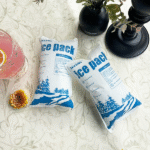
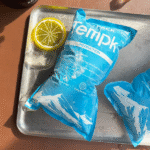
Una compresa fría de gel se entiende mejor como una fuente de frío controlada para envases pasivos.. Puede ser muy eficaz en envíos sensibles a la temperatura cuando la carga útil necesita protección térmica temporal y la operación puede precondicionarse., lugar, y manejar el paquete consistentemente.
No es automáticamente un completo sistema de envío con temperatura controlada, y no es automáticamente adecuado para cada carga útil. Una compresa fría de gel favorece un envasado con temperatura controlada, pero no es todo el sistema de envío por sí solo. La decisión correcta proviene de la combinación de refrigerante., aislamiento, ruta, y disciplina operativa.
La distribución de alimentos aporta su propia disciplina. Las normas sanitarias de transporte se centran en mantener los alimentos adecuadamente refrigerados y protegerlos de la contaminación durante el movimiento.. En la práctica, eso significa que los compradores deberían considerar no solo el tiempo de espera, sino también resistencia a las fugas, gestión de la condensación, integridad del cartón, y con qué facilidad se puede almacenar el refrigerante en líneas de envasado muy ocupadas.
Cómo se determina realmente el rendimiento
Los productos comerciales en el mercado muestran cuán amplia es realmente la categoría.. Los geles refrigerados estándar suelen construirse alrededor de un perfil de fase de 0 °C para distribución refrigerada., mientras que las fórmulas congeladas especializadas pueden suprimir el punto de congelación a aproximadamente -23 °C para programas de temperatura más baja. La literatura pública sobre productos también muestra diferencias en la construcción.: algunos paquetes usan películas gruesas de polietileno alrededor 4 mil, otros utilizan laminados de nailon resistentes a perforaciones., y algunos diseños sin sudor agregan una capa exterior absorbente para controlar la condensación. También se encuentran disponibles en el mercado geles estilo PCM más precisos con puntos de ajuste de enfriamiento controlado, como 3 °C., 5°C, 7°C, o incluso 17°C cuando el objetivo es proteger contra el sobreenfriamiento en lugar de simplemente permanecer frío.
El acondicionamiento importa más de lo que muchos compradores esperan. Un buen paquete de gel aún puede funcionar mal si se congela de manera desigual, cargado caliente, o preparado demasiado tiempo antes del montaje. Las guías operativas publicadas en el mercado a menudo recomiendan congelar los paquetes en posición horizontal a alrededor de -18 °C o menos para 12 a 24 horas, luego construir el transportista de acuerdo con un patrón de empaque definido. Ese proceso suena básico., pero es donde se gana o se pierde la coherencia. Dos proveedores pueden ofrecer paquetes con dimensiones similares., sin embargo, se pueden dar instrucciones de acondicionamiento más claras., control de peso de llenado más estricto, y rendimiento de repetición más estable.
La geometría cambia el comportamiento térmico tanto como lo hace la química.. Un paquete muy fino proporciona un contacto superficial rápido pero también se derrite más rápido.. Un ladrillo más grueso almacena más energía fría pero ocupa más espacio y puede crear gradientes de temperatura más pronunciados cerca de la carga útil.. Es por eso que la compresa fría de gel adecuada suele ser la que coincide con la disposición del producto dentro del transportista.. Si la caja tiene espacios laterales estrechos, un panel lateral plano puede funcionar mejor que una bolsa de almohada demasiado llena. Si la carga útil es pesada y está apilada, un ladrillo semirrígido puede crear capas más limpias y una separación más predecible.
Para envíos regulados o de alto valor, El refrigerante debe evaluarse como parte de todo el sistema pasivo.. Eso significa la caja exterior., aislamiento, carga útil, material espaciador, y la ubicación del registrador pertenecen todos a la misma conversación. Las directrices de la OMS y el PIB de la UE para la distribución de medicamentos hacen hincapié en mantener la temperatura requerida durante el transporte y evitar el contacto directo entre las bolsas frías y los productos que podrían congelarse.. En otras palabras, un paquete fuerte es útil, pero sólo se convierte en una solución fiable cuando se adapta a la ruta real y a la sensibilidad real del producto..
Cómo comparar formatos y construcciones
La elección del material no es cosmética. en el mercado, Los productos de compresas frías de gel enfriado a menudo se construyen alrededor de sistemas de gel a base de agua espesados con agentes como derivados de celulosa o estabilizadores similares para que el relleno permanezca distribuido en lugar de chapotear como líquido libre.. Luego, esa formulación se combina con una película o laminado que debe sobrevivir a la congelación., tensión del sello, abrasión del cartón, y manejo repetido. Una simple bolsa de polietileno puede ser suficiente para un uso de bajo riesgo, mientras que una estructura laminada de nailon puede proporcionar una mejor resistencia a los pinchazos en rutas más difíciles. Algunas mochilas añaden una capa exterior absorbente para controlar la humedad de la superficie.. Los compradores deben tratarlos como opciones de diseño funcionales., no tan pequeñas diferencias estéticas.
Las bolsas flexibles generalmente aprovechan bien el espacio y se adaptan a la carga útil.. Los ladrillos aportan un apilamiento más limpio y una separación más definida. Los formatos de manta o envoltura pueden cubrir más superficie y son adecuados para botellas o cajas de cartón estrechas.. Ningún formato gana en todos los carriles. La mejor pregunta es qué construcción respalda la forma en que realmente se ensambla y abre su paquete..
Lo que importa en tu aplicación
En envíos sensibles a la temperatura, Generalmente se elige una compresa fría de gel porque proporciona un equilibrio práctico de masa térmica., control de costos, y simplicidad de la línea de embalaje. Se adapta bien a envíos de paquetes y contenedores para productos refrigerados o con enfriamiento controlado y se puede adaptar para cargas útiles como muestras farmacéuticas., kits de diagnóstico, alimentos frescos, e ingredientes especiales. El valor real no es que haga frío.. El valor real es que se puede especificar., acondicionado, y empaquetado de forma repetible.
Esa repetibilidad es lo que separa un programa de refrigerante útil de uno reactivo.. Si el tamaño del paquete cambia, el sello se rompe más fácilmente de lo esperado, o el peso del relleno se desplaza durante la producción, El efecto aparece en el campo como cajas de cartón desordenadas., temperaturas inestables, y más quejas de clientes. Es por eso que los compradores que buscan fabricantes y proveedores deben pensar más allá de las descripciones de los folletos y centrarse en los detalles operativos..
El precio de la caja importa, pero el costo de entrega a menudo cambia la clasificación. Un pack más económico que necesita más unidades por remitente, produce un mayor peso de carga, o genera más complementos de verano puede terminar costando más que un formato mejor adaptado. Lo mismo ocurre cuando la operación utiliza mano de obra adicional para separar los paquetes., limpiar la condensación, o reelaborar cajas dañadas. Los equipos de adquisiciones a menudo obtienen una respuesta más clara al comparar el costo total del paquete y el costo de excepción en lugar del precio unitario únicamente..
Qué deben comprobar los compradores antes de realizar un pedido al por mayor
Para una decisión de producción, la lista corta debe responder preguntas prácticas, no solo preguntas sobre productos:
Dimensiones internas y externas: comprobar ambos, porque la pequeña deriva dimensional cambia el ajuste del cartón, espaciado del producto, y colocación del registrador.
Masa térmica utilizable: pregunte por el peso de llenado nominal, tolerancia, y si el proveedor verifica el peso automáticamente durante la producción.
Materiales de construcción: confirmar el tipo de película o laminado, espesor, disposición del sello, y resistencia a la perforación, especialmente si los paquetes rozan las botellas, esquinas, o insertos.
Comportamiento condicionante: preguntar cuánto tiempo necesita congelarse el paquete, si se debe congelar plano, y cómo maneja el proveedor la guía de acondicionamiento para carriles de verano e invierno.
Coherencia entre la muestra y la producción: verificar que el paquete de producción utilizará la misma formulación de gel, película, y sellos como muestra aprobada.
Herramientas útiles para tomar decisiones
Comprueba los detalles antes de elegir el embalaje.
Estas herramientas rápidas pueden ayudarle a comparar el riesgo de la ruta, necesidades de dimensionamiento, opciones de refrigerante, y detalles del embalaje antes de solicitar una cotización.
Referencia del material aislante
Compare opciones de materiales aislantes para diferentes necesidades de embalaje de la cadena de frío.
Comparar materialesCalculadora de hielo seco
Calcule las necesidades de hielo seco para envíos congelados o ultrafríos antes de empacar.
Estimar hielo secorefrigerante & Referencia PCM
Compare las opciones de refrigerante y PCM cuando una ruta necesite soporte de temperatura adicional.
Comparar opcionescontrol de cambios: Requiere notificación antes de cualquier cambio en la formulación del gel., película, dimensiones, o peso del paquete, porque estos cambios pueden cambiar el rendimiento del campo.
Higiene y control de fugas.: para la comida, médico, y trabajo de laboratorio, preguntar cómo se limpia el paquete, lleno, y protegido de fugas o contaminación antes de su uso..
Etiquetado y trazabilidad: solicite codificación de lote, etiquetas de cartón, y documentación que le permita rastrear el paquete hasta un lote de producción.
Cantidad mínima de pedido, plazo de entrega, y opciones personalizadas: entender los pedidos mínimos, opciones de impresión, y cómo el proveedor maneja el reabastecimiento urgente o los volúmenes piloto..
Ajuste de ruta: proporcione al proveedor su objetivo de temperatura real, duración del tránsito, tipo de aislamiento, y disposición de la carga útil en lugar de solicitar una recomendación genérica.
Disciplina de ampliación: comparar cómo el proveedor gestiona los pedidos piloto, primeras tiradas de producción, y controles de calidad continuos en lugar de fijarse únicamente en el precio de las cajas.
Una lista corta debe surgir de la evidencia, no de fotografía de catálogo. La mejor secuencia suele ser sencilla.: verificar dimensiones y llenar pesos, comportamiento de condicionamiento de prueba, ejecutar una pequeña prueba de carril basada en registradores, luego compare cómo el rendimiento de la muestra coincide con la documentación de producción. Ese proceso filtra rápidamente a los proveedores que pueden vender paquetes de existencias pero que no pueden soportar la ejecución repetible de la cadena de frío..
Antes de realizar un pedido al por mayor, Es útil tratar la muestra como una muestra de proceso en lugar de una muestra de ventas.. Mídelo, pesarlo, Congélalo de la forma en que tu sitio realmente lo congelará., y empaquételo en el transportista exacto que planea usar. Ese rápido paso de verificación detecta muchos problemas a tiempo: bolsas demasiado llenas, márgenes de sello inconsistentes, ajuste incómodo del cartón, y suposiciones poco realistas sobre el tiempo de respuesta del congelador.
Errores operativos que vale la pena evitar
El primer error común es comprar sólo por peso. Una mochila más pesada no es automáticamente mejor si su forma desperdicia volumen, empuja el producto contra una pared de cartón, o crea congelación de contacto. El segundo error es asumir que el mismo paquete funcionará durante todo el año.. En rutas reales, invierno, temporada media, y el verano a menudo necesita un acondicionamiento o colocación de la mochila diferente. El tercer error es aprobar una muestra y luego olvidarse de bloquear la especificación de producción..
Otro error evitable es tratar la disponibilidad nacional como prueba de idoneidad.. El reabastecimiento rápido es útil, pero no responde si el refrigerante se ajusta al riesgo térmico real.
Los principales modos de falla son predecibles.. Los paquetes pueden estar subcongelados, cargado caliente, perforado por esquinas afiladas, apilados demasiado apretados en el congelador, o colocado directamente contra una carga útil sensible a la congelación. La rigidez de la película puede cambiar a bajas temperaturas., y la reutilización repetida puede eventualmente debilitar los sellos. La condensación puede ablandar las inserciones impresas corrugadas o húmedas.. Ninguno de esos problemas es inusual., pero cada uno debe planificarse antes de que se apruebe el pedido al por mayor.
Una primera orden de producción debería comportarse como un lanzamiento controlado. Confirmar la capacidad del congelador, tiempo de acondicionamiento, instrucciones de montaje de la caja, formación de trabajadores, y recibir cheques antes de que aumente el volumen. Si varios sitios ensamblarán el envío, asegúrese de que cada sitio utilice la misma ventana de acondicionamiento y el mismo mapa de ubicación. Esa simple disciplina a menudo evita el patrón en el que una ubicación reporta un buen desempeño y otra ve excursiones evitables..
Las decisiones de sostenibilidad funcionan mejor cuando son prácticas. Los envases reutilizables tienen sentido cuando se trata de un circuito cerrado, retorno interno, o existe realmente una ruta local repetida. Para tráfico de paquetes en un solo sentido, los compradores pueden considerar drenaje seguro, reenvío de papel, o opciones con menos plástico, pero esas alternativas aún necesitan proteger la carga útil y sobrevivir al manejo normal.. El objetivo no es elegir el reclamo de sostenibilidad más de moda. El objetivo es reducir los residuos evitables sin generar pérdida de producto., quejas de temperatura, o más reempaque.
Preguntas frecuentes
¿Cuál es la primera pregunta a responder antes de elegir un pack de gel??
Primero defina el requisito de temperatura de la carga útil. sin eso, formato de paquete, recuento de paquetes, y las instrucciones de acondicionamiento son todas conjeturas.
¿Puede un formato de paquete soportar cada temporada??
A veces para abreviar, rutas de bajo riesgo, pero muchos programas necesitan ajustes estacionales en el conteo de paquetes, colocación, o acondicionamiento para seguir siendo confiable.
¿Qué separa a un proveedor fuerte de un vendedor de acciones básicas??
Un proveedor sólido puede explicar la construcción del paquete., mantener la producción constante, soporte de implementación controlada, y responder claramente cuando la ruta o el producto cambie.
Una conclusión práctica
La compresa fría de gel más útil no es la que tiene más reclamos. Es el que se ajusta a la carga útil., el paquete, y la realidad operativa de tu ruta. Ese es el estándar que vale la pena utilizar cuando se comparan fabricantes., mayoristas, u opciones personalizadas.
La mejor decisión sobre una compresa fría de gel suele ser la que conecta tres cosas: el comportamiento térmico correcto, el formato físico adecuado, y la disciplina operativa adecuada. En envíos sensibles a la temperatura, Los compradores obtienen mejores resultados cuando comparan proveedores en cuanto al control de especificaciones., claridad condicionante, y ajuste de ruta en lugar de usar solo un lenguaje frío.
Acerca de Tempk
somos Tempk, una marca de Shanghai Tempk Industrial Co., Limitado., enfocado en productos de control de temperatura para uso comercial y diario.. Nuestra gama incluye bolsas de hielo en gel, paquetes de hielo seco, ladrillos de hielo del congelador, bolsas aisladas, Neveras EPP, revestimientos térmicos para cajas, cubiertas de paletas, y embalajes para transporte médico. Esa amplitud es útil cuando un proyecto necesita que el formato del refrigerante y el embalaje exterior funcionen juntos en lugar de obtenerse como decisiones separadas..
Siguiente paso
Si está revisando un carril nuevo o una compra al por mayor, pedir orientación en función de la banda de temperatura, tiempo de tránsito, y estructura de embalaje que realmente utiliza. Una especificación más clara al principio normalmente evita costosas pruebas y errores posteriores..