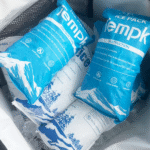
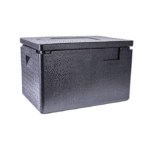
Elegir el fabricante adecuado de gel refrigerante reutilizable en México
La forma más segura de abastecerse en esta categoría es tratar el paquete como parte de un sistema de trabajo.. Ese sistema puede ser un transportista de cadena de frío., un protocolo de muestra, un producto de terapia minorista, o una caja de cartón premium para comercio electrónico. Una vez que enmarcas la decisión de esa manera, La selección de proveedores se vuelve mucho más práctica y con muchas menos conjeturas..
Cuando se abastece directamente de un fabricante, preguntas sobre la disponibilidad de resina, equipo de sellado, controles de peso en proceso, y el control de cambios se convierten en cuestiones de adquisiciones, no solo preguntas técnicas.
Qué debe hacer el producto y qué no se debe esperar que haga
Un gel refrigerante reutilizable es una fuente de frío envasada que se utiliza dentro de un contenedor aislado., totalizador, o cartón con revestimiento para frenar el aumento de temperatura durante el transporte. En muchos carriles es una bolsa blanda llena de gel polimérico o a base de agua., aunque los formatos reutilizables también se pueden hacer más resistentes, paquetes más estructurados. Los compradores eligen este formato porque es más fácil de colocar alrededor de la carga útil que los bloques de hielo rígidos y, por lo general, es más sencillo de reponer que la refrigeración activa..
el punto, sin embargo, No es comprar masa fría en abstracto.. Está intentando proteger los refrigerantes reutilizables de la cadena de frío para alimentos, medicamento, comercio electrónico perecederos, y distribución retornable. Eso significa que la pregunta correcta no es solo qué tan frío se pone el paquete., pero cómo se comporta después del condicionamiento, qué tan rápido absorbe el calor, si gotea o suda excesivamente, y con qué fiabilidad el proveedor puede reproducir el mismo paquete mes tras mes.
El gel refrigerante reutilizable es popular porque se puede congelar., desplegado, recuperado, limpiado cuando corresponda, y usado de nuevo. Eso ofrece a los compradores un costo operativo más bajo en algunas rutas de circuito cerrado., pero no elimina la necesidad de calificar la configuración del paquete completo. Para productos sanitarios sensibles a la temperatura, La guía global apunta consistentemente hacia la calificación o validación del sistema de envío en lugar de una confianza ciega en la reclamación de un componente.. Eso significa que debe probar el paquete completo en las condiciones esperadas de frío y calor., No asuma que una temperatura de fase o un paquete más grande resolverá automáticamente la ruta.
Cómo se elige el formato correcto
Los paquetes de gel estándar generalmente se basan en un gel polimérico o a base de agua que se congela antes de su uso.. son versatiles, rentable, y ampliamente disponible en bolsas blandas o formatos más estructurados. Los paquetes PCM son más especializados. Están diseñados para absorber y liberar calor cerca de una temperatura de transición elegida., lo que puede hacerlos más adecuados para ventanas estrechas como 2-8°C o transporte ambiental controlado. En la mayoría de las operaciones del día a día, El paquete está preacondicionado en un congelador o cámara frigorífica., Luego se coloca alrededor de la carga útil para absorber el calor entrante.. La velocidad a la que se calienta depende de la formulación del gel., la masa de refrigerante, la superficie expuesta al aire, la cantidad de aislamiento en el cargador, y qué tan caliente está el producto cuando está empacado.
Los paquetes comerciales de cadena de frío suelen utilizar geles no tóxicos sellados dentro de películas a base de polietileno o polinylon., mientras que algunos formatos añaden una capa exterior absorbente para soportar la condensación. Los paquetes de terapia pueden agregar cubiertas textiles suaves, envolturas en forma, o correas. en todos los casos, El formato visible es importante porque la capa exterior afecta la resistencia a la perforación., facilidad de limpieza, flexibilidad, y cómo la compresa transfiere el frío al producto o al cuerpo. Los compradores también deben prestar atención a la geometría del paquete.. Una bolsa delgada y flexible puede envolver mejor el producto y mejorar la transferencia de calor., pero puede ser más vulnerable a daños por manipulación si la película o los sellos son débiles. Un formato más grueso o reutilizable puede durar más, Sin embargo, puede desperdiciar espacio si no coincide con el espacio que ocupa la caja.. No existe una mejor opción universal sin hacer referencia a la ruta y la carga útil..
El formato se usa comúnmente en contenedores de alimentos de circuito cerrado., distribución secundaria farmacéutica de ciclo corto, y comercio electrónico de productos perecederos donde la fuente de frío se puede recuperar y reutilizar.. En esos ambientes, Los operadores valoran paquetes que son fáciles de acondicionar en congeladores estándar., rápido de colocar en un paquete repetitivo, y lo suficientemente confiable como para que el personal no improvise cuando una talla está agotada. La simplicidad importa porque las líneas de envasado tienen éxito cuando la rutina es clara, no cuando el diseño parece inteligente en el papel.
Dónde los compradores ganan valor y dónde empiezan los errores
Las principales ventajas son familiares.: colocación flexible, condicionamiento relativamente simple, amplia disponibilidad de tamaños, y menor complejidad del sistema que los transportistas activos. A muchas empresas también les gusta el hecho de que los paquetes se puedan integrar en EPS., PPE, revestimiento de aluminio, o soluciones de cobertura de palés sin cambiar la rutina básica del almacén.
Los límites son igual de importantes. Una compresa más fría no es automáticamente una mejor compresa. Los medios demasiado congelados pueden dañar cargas útiles sensibles, especialmente cuando las unidades de producto tocan el refrigerante directamente. Los paquetes con pesos de llenado inconsistentes pueden generar tiempos de ejecución impredecibles. Y si el proveedor cambia de película, ancho del sello, o composición en gel sin avisarte, el paquete puede desviarse de su rendimiento original. Tratar una fábrica como intercambiable con un comerciante., Luego descubriendo variaciones en los sellos., peso de relleno, o tiempo de respuesta.
Los compradores técnicos deberían pedir más que el tamaño de un título.. Tolerancia de peso de relleno, calibre de película o familia de materiales, formato de sello, tiempo de acondicionamiento recomendado, dimensiones del paquete después del acondicionamiento, y la consistencia del paquete influyen en cómo se comporta el producto en uso.. Si el proveedor no puede definir claramente esos conceptos básicos, El paquete puede ser más difícil de estandarizar de lo que parece..
Los modos de falla comunes son predecibles. Los paquetes llegan insuficientemente llenos o ligeramente sobredimensionados y ya no se ajustan al embalaje diseñado.. El personal los congela con más fuerza de lo previsto y los coloca directamente contra una carga útil sensible.. Llega un lote sustituto con una sensación cinematográfica diferente o un perfil de deshielo diferente.. Los equipos de adquisiciones suelen centrarse primero en el precio, pero la estabilidad operativa diaria generalmente proviene de la coherencia. Si el peso del relleno se desplaza, el ancho del sello cambia, o el proveedor sustituye una película diferente sin previo aviso, El paquete puede seguir teniendo el mismo aspecto aunque su comportamiento térmico cambie lo suficiente como para afectar el carril..
Una lista práctica de proveedores
Una conversación con el proveedor se vuelve mucho más útil cuando va más allá del folleto y pregunta cómo se comportará el paquete en su operación real.. Un fabricante mexicano puede ser atractivo porque la producción cerca de los mercados finales puede reducir el tiempo de reabastecimiento y simplificar la comunicación para los programas norteamericanos.. Pero el abastecimiento cercano solo ayuda si el control de fabricación es lo suficientemente fuerte como para mantener cada paquete dentro de la misma tolerancia utilizable..
La lista corta adecuada se basa en la repetibilidad, adaptar, y límites operativos honestos. Pídale al proveedor que responda los puntos siguientes por escrito para que la aprobación de muestras y la aprobación masiva permanezcan alineadas..
Confirmar dimensiones internas y externas., peso de relleno, y cantidades de cajas para que el paquete se ajuste a su envío actual sin desperdiciar espacio aéreo.
Pregunte qué película o material exterior se utiliza., cómo se forman los sellos, y qué controles existen para evitar la deriva de un lote a otro.
Solicite instrucciones de acondicionamiento por escrito en lugar de confiar en hábitos informales de congelación en el banco de empaque..
Compruebe si los paquetes de muestra y los paquetes de producción provienen de la misma lista de materiales., la misma rutina de llenado, y el mismo estándar de calidad.
Pregunte cómo comunica el proveedor cualquier formulación., película, imprimir, o cambio de dimensiones del paquete antes del envío.
Herramientas útiles para tomar decisiones
Comprueba los detalles antes de elegir el embalaje.
Estas herramientas rápidas pueden ayudarle a comparar el riesgo de la ruta, necesidades de dimensionamiento, opciones de refrigerante, y detalles del embalaje antes de solicitar una cotización.
Selector de embalaje
Compare las opciones de embalaje aislado por producto, ruta, y necesidad de temperatura.
encontrar embalajeCalculadora de acumuladores de frío
Estimación de la cantidad de bolsas de hielo en gel para envíos refrigerados y planificación práctica de rutas.
Estimar las bolsas de hieloEvaluador de riesgo de ruta
Revise las condiciones del carril antes de seleccionar el embalaje para requisitos operativos reales..
Comprobar riesgo de rutaVerificaciones de peso durante el proceso y control de tolerancia en cada lote de producción.
Fuerza del sello, resistencia a la punción, y durabilidad de congelación-descongelación
Tamaños e impresión personalizados para cajas o revestimientos estándar de América del Norte
Etiquetado bilingüe y soporte de exportación/envío cuando sea necesario
Plan de tiempo de entrega para interrupciones en el suministro de resina o película.
Aclare si el paquete está destinado a ser un componente de un remitente calificado o simplemente un refrigerante general para un uso más amplio.
Ejecute un pequeño piloto con un registrador antes de escalar.. Un proveedor confiable debería sentirse cómodo apoyando ese paso..
Cómo validar antes de escalar
Antes de un pedido grande, una prueba piloto vale la pena. Utilice paquetes con intención de producción en el embalaje aislado exacto, con masa de carga útil real, práctica de acondicionamiento real, y un registrador. Ese pequeño ejercicio a menudo revela si el problema es la elección del refrigerante., colocación del paquete, rutina del congelador, ajuste de cartón, o recibir disciplina. Registre no solo el seguimiento del registrador, sino también la temperatura de carga del producto, el número exacto y la ubicación de los paquetes, el momento en que la caja permaneció abierta durante el embalaje, y las condiciones ambientales en el momento de la expedición.
despues del piloto, revisar más que aprobado/reprobado. Busque picos de frío, calentamiento tardío, condensación, rotura del paquete, y manejo de la fricción. Muchos equipos descubren que el problema principal no era en absoluto la química del gel.; fue la colocación del paquete, tamaño de la caja, rutina del congelador, o una falta de coincidencia entre el paquete de muestra y el suministro con intención de producción.
Para productos sensibles a la temperatura, el enfoque regulatorio permanece en el producto y el proceso de envío en lugar de solo en la bolsa de gel. Es por eso que los compradores deben evaluar el diseño completo del cargador., rutina de manejo, y recibir cheques, no solo el país de fabricación. En términos prácticos de contratación, eso significa que debe tener cuidado con las afirmaciones de que un paquete de gel suelto es "compatible" por sí solo. Lo que importa es si el paquete completo, incluyendo práctica de acondicionamiento y recepción., Es adecuado para la ruta y el producto..
Cuando los proveedores responden a estas preguntas de forma clara y coherente, obtendrá una idea mucho mejor de qué socio puede respaldar operaciones reales en lugar de simplemente muestreo de primer orden.
Hacia dónde se dirigen las prioridades actuales de abastecimiento
A los fabricantes en México cada vez se les pide más que capacidad de conversión. Los compradores quieren dimensiones personalizadas, impresión privada, eficiencia de palet, documentación lista para exportar, y evidencia de que los paquetes de muestra coinciden con la producción a gran escala. Los compradores también están prestando más atención al riesgo total de aterrizaje. Un paquete que llega tarde, requiere sustitución de emergencia, o fuerzas, las soluciones manuales pueden costar mucho más que una ligera diferencia en el precio unitario. Por eso la resiliencia de los proveedores, control de cambios, y la coherencia entre la muestra y la producción pertenecen cada vez más al cuadro de mando del abastecimiento.
En regiones con rutas largas o cambios ambientales severos, las adquisiciones se están volviendo más específicas para cada carril. En lugar de un paquete nacional, muchos equipos ahora usan configuraciones separadas para metro, regional, y entregas remotas. Un proveedor que puede respaldar esa segmentación suele ser más valioso que un catálogo con cientos de SKU pero poca orientación sobre la aplicación..
Conclusión
La forma más útil de comparar proveedores es comenzar con la ruta, el rango de temperatura del producto, y la rutina de embalaje que realmente puedes ejecutar. De eso, El gel refrigerante reutilizable adecuado se vuelve mucho más fácil de definir..
Si mantienes esa secuencia en su lugar, es menos probable que compre un paquete que se vea impresionante en una caja de muestra pero que cree un riesgo evitable en la operación de rutina.
Acerca de Tempk
Y tempk, Nos centramos en la cadena de frío. embalaje con temperatura controlada para la comida, medicamento, y otros envíos sensibles a la temperatura. Nuestra gama de productos que cotizan en bolsa incluye bolsas de hielo en gel, ladrillos de hielo del congelador, revestimientos de cajas aisladas, Cajas EPP, cubiertas de paletas, y materiales de embalaje relacionados. También describimos nuestro trabajo en torno solución de cadena de frío desarrollo con R interno&D y soporte para pruebas térmicas. Esto nos ayuda a analizar tanto los refrigerantes individuales como el sistema de envasado más amplio que los rodea..
Siguiente paso
Si está revisando proveedores o planeando un nuevo paquete, Comience con el rango de temperatura real del producto y la longitud de la ruta.. Luego solicite un conjunto de muestra que coincida con su pedido al por mayor previsto y pruébelo antes de ampliarlo..
Preguntas frecuentes
Estas son las preguntas que más a menudo quedan una vez finalizada la comparación inicial..
¿Qué demuestra que un fabricante mexicano es mejor que un comerciante??
Un fabricante debería poder discutir las herramientas, caza de focas, control de llenado, tolerancias de producción, y cómo se gestionan los cambios en la línea. Un comerciante suele tener menos visibilidad de esos detalles.. La mejor opción queda clara cuando prueba el paquete dentro de su configuración aislada real y su rutina de manejo..
¿Cuántos ciclos de reutilización debo esperar??
Eso depende del espesor de la película., diseño de sello, manejo de ruta, práctica del congelador, y método de limpieza. Un fabricante serio debería ayudarle a probar la reutilización en su carril real en lugar de darle un número genérico.. Longitud de ruta, exposición ambiental, y recibir disciplina por lo general importan más que un reclamo general del catálogo.
¿Qué opciones de personalización son más importantes??
Dimensiones del paquete, peso de relleno, impresión, espesor de la película exterior, recuento de cajas, y el patrón de la paleta son más importantes que las características novedosas porque afectan directamente el ajuste del embalaje y el costo de envío.. Para compras al por mayor, Solicite al proveedor que haga coincidir el lote de muestra lo más posible con la producción..