Transporte aéreo con cadena de frío: asegurando un perfecto control de la temperatura
Actualizado 13 Noviembre 2025
En 2025, transporte aéreo de cadena de frío es más esencial que nunca. Estás moviendo vacunas que salvan vidas, productos biológicos y perecederos en todos los continentes bajo estrictos controles de temperatura. Incluso una pequeña excursión puede estropear productos valorados en millones de dólares y poner en peligro la seguridad del paciente.. Esta guía completa responde a sus preguntas más urgentes sobre la carga aérea con temperatura controlada., destaca los últimos estándares y tecnologías y le muestra cómo realizar envíos con éxito. Transporte aéreo con cadena de frío aparece en la primera 50 palabras para señalar el enfoque de este artículo. La logística mundial de la cadena de frío tiene un valor de más de 324 mil millones de dólares y se prevé que alcance los 862 mil millones de dólares en 2032, haciendo 2025 un año crucial para la innovación y el cumplimiento.
Por qué mantener rangos de temperatura estrictos (+2 °C a +8 °C, congelado o a temperatura ambiente) asuntos para productos farmacéuticos y perecederos.
¿Qué estándares de la industria (PIB, IATA CEIV Farma/Fresco, FSMA, OMS) y las regulaciones rigen la carga aérea con temperatura controlada.
Cómo los contenedores activos y pasivos, sensores de iot, El análisis predictivo y la IA mejoran la confiabilidad..
Mejores prácticas prácticas para el embalaje, Evaluación de riesgo de carril y alertas previas..
Desafíos del transporte aéreo con cadena de frío, incluyendo infraestructura inconsistente, retrasos y costos de aduana.
Nuevas tendencias para 2025: plataformas de visibilidad digital, embalaje híbrido y sostenibilidad.
¿Qué desafíos enfrentan los operadores de carga aérea de la cadena de frío? 2025?
El transporte aéreo de cadena de frío implica más que colocar mercancías en un contenedor aislado; requiere orquestación en todos los aeropuertos, transportistas y servicios de asistencia en tierra. Los expertos de la industria advierten que el embalaje por sí solo no puede garantizar la integridad del producto debido a errores de manipulación., Los retrasos en el tránsito y las condiciones de almacenamiento inconsistentes exponen la carga a temperaturas extremas.. Se prevé que los volúmenes de carga aérea crezcan en 5.8 % en 2025 a 72.5 millones de toneladas, Sin embargo, la capacidad de carga disponible sólo aumentará en aproximadamente 4.4 %, creando cuellos de botella. Este desequilibrio, junto con disturbios geopolíticos y perturbaciones inesperadas, significa que la cadena de frío debe ser resiliente.
Riesgos a lo largo del viaje
Cada etapa del viaje presenta riesgos:
| Escenario | Riesgos clave | Significado práctico |
| recogida de origen & preacondicionamiento | Un preenfriamiento insuficiente puede iniciar envíos a temperaturas incorrectas; La infraestructura obsoleta y los refrigerantes sintéticos crean ineficiencias.. | Inicie envíos a la temperatura adecuada acondicionando mercancías y contenedores; Invierta en cámaras frigoríficas modernas y refrigerantes ecológicos.. |
| Entrega del aeropuerto | Los errores de manejo y la exposición prolongada al asfalto pueden provocar variaciones de temperatura.. | Utilice corredores de transferencia rápida y zonas de cadena de frío dedicadas para minimizar el tiempo en pista y mantener la temperatura.. |
| Vuelo & tránsito | La capacidad de carga limitada y los retrasos aumentan el tiempo en tránsito; restricciones de hielo seco (2.5 kg por bulto de pasajero y hasta 200 kg en vuelos de carga) requieren una planificación cuidadosa. | Seleccione rutas y transportistas óptimos; Asegúrese de que los contenedores lleven suficiente refrigerante y cumplan con los límites de hielo seco y los requisitos de ventilación.. |
| Aduanas & despacho de frontera | Los complejos procedimientos aduaneros y las exigencias de documentación provocan retrasos, exponer la carga a ambientes no controlados. | Prepare la documentación con anticipación y utilice programas de autorización prioritaria.; elegir corredores con estándares armonizados. |
| Entrega de última milla | El traslado final a hospitales o minoristas puede carecer de cámaras frigoríficas o personal capacitado; Las aperturas de puertas crean picos de temperatura.. | Formar proveedores de última milla, Utilice vehículos rastreados por GPS con múltiples zonas de temperatura y enfatice procedimientos estrictos.. |
Cargas de cumplimiento y amenazas a la seguridad
Los operadores deben navegar por un laberinto de regulaciones. Los envíos farmacéuticos deben cumplir con las Buenas Prácticas de Distribución (PIB), Análisis de riesgos y puntos de control críticos (HACCP) para la comida, Estados Unidos. Ley de modernización de la seguridad alimentaria (FSMA) y el PIB de la UE / Anexo GMP 11 requisitos. Las Regulaciones de Control de Temperatura de la IATA exigen el uso de un Tiempo & Etiqueta sensible a la temperatura y una lista de verificación de aceptación estándar para cada envío, mientras el CEIV Farma/Fresco El programa de certificación garantiza la formación., equipos validados y gestión de riesgos. Las aerolíneas y los transportistas también deben seguir las regulaciones sobre hielo seco: solo se permiten vuelos de pasajeros. 2.5 kg de hielo seco por paquete, Considerando que los vuelos de carga podrán permitir hasta 200 kg—para mitigar los riesgos de acumulación de CO₂.
Las amenazas a la seguridad también están aumentando. Aumentaron los incidentes de robo de carga 27 % en el último año, y los ciberataques dirigidos a sistemas logísticos digitales pueden alterar las operaciones. Los productos farmacéuticos de alto valor son objetivos atractivos; por lo tanto, Los operadores deben integrar controles de seguridad., Embalaje a prueba de manipulaciones y medidas de ciberseguridad..
Limitaciones de capacidad e infraestructura
La infraestructura en muchos aeropuertos está envejeciendo, con instalaciones de almacenamiento en frío construidas hace décadas que requieren mejoras y modernización. Las unidades de refrigeración envejecidas utilizan refrigerantes nocivos como los HCFC y los HFC; La presión regulatoria está obligando a un cambio hacia refrigerantes sostenibles y sistemas energéticamente eficientes.. El espacio limitado en los aeropuertos significa que la carga a veces se almacena en instalaciones fuera del aeropuerto., lo que introduce nuevas transferencias y posibles rupturas en la cadena de frío. El continuo auge del comercio electrónico añade volumen: las ventas en línea representarán alrededor de 20.8 % del comercio minorista total en 2024 y se prevé que crezcan 14 % anualmente hasta 2026, impulsando aún más la capacidad.
¿Qué tecnologías mejoran la eficiencia de la carga aérea con temperatura controlada??
La tecnología avanzada hace posible el transporte aéreo en cadena de frío al proporcionar visibilidad en tiempo real e información predictiva.. En 2025, Las inversiones en software que mejoran la visibilidad en toda la cadena de suministro están aumentando.. A continuación se detallan las innovaciones clave que están remodelando las cadenas de frío del transporte aéreo..
Contenedores activos y pasivos
Los contenedores modernos se dividen en dos grandes categorías.:
| Tipo de contenedor | Descripción | Impacto en sus operaciones |
| Contenedores activos | Equipado con sistemas de refrigeración o calefacción alimentados por baterías.; mantener la temperatura interna de forma independiente para vuelos de larga distancia. A menudo se utiliza para productos farmacéuticos y biológicos que requieren rangos estrechos. (+2 °C a +8 °C o congelado). | Proporcione un control preciso y reduzca el riesgo de desviaciones durante los retrasos; sin embargo, son más pesados y más caros. |
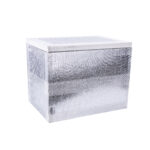
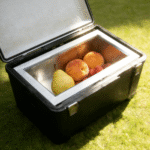
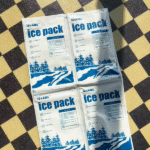
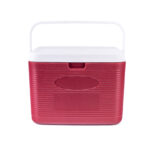
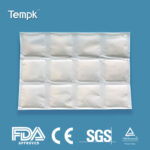
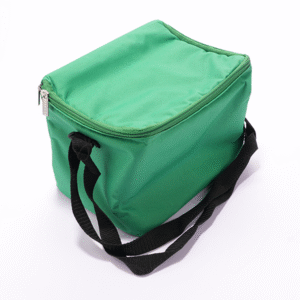
| Contenedores pasivos | Utilice materiales aislados y materiales de cambio de fase. (PCM) como paquetes de gel o hielo seco para mantener la temperatura. Adecuado para rutas más cortas o cuando se aplican restricciones de peso.. | Menor costo y consumo de energía, pero requieren una preparación cuidadosa de la carga útil y una carga precisa de refrigerantes.. |
Diseños más sofisticados combinan paneles aislados al vacío. (VIP) con PCM para extender el tiempo de espera. Los VIP están valorados en aproximadamente 2.500 millones de dólares en 2025 y se prevé que alcancen los 5.000 millones de dólares en 2033. Los PCM proporcionan un control preciso de la temperatura y son reutilizables, Ofrece una duración de enfriamiento más larga que los paquetes de gel..
Sensores IoT y monitoreo en tiempo real
El monitoreo continuo es la columna vertebral de una cadena de frío segura. Los sensores habilitados para IoT rastrean la temperatura interna, humedad, choque y ubicación GPS, enviar alertas cuando ocurren excursiones. Los sistemas avanzados muestran paneles de control en tiempo real, Proporcionar alarmas ambientales y registrar pistas de auditoría para respaldar el cumplimiento normativo.. Por 2025, Se prevé que el mercado mundial de seguimiento y supervisión de la cadena de frío alcance los 1.800 millones de euros. (resultado de búsqueda de fuente) mientras las empresas invierten en visibilidad.
El análisis predictivo utiliza datos históricos para pronosticar fallas de equipos y enrutar riesgos específicos.. Los algoritmos de IA optimizan los horarios de vuelos y la asignación de recursos. Se espera que el mercado mundial de IA en logística alcance los 348.620 millones de dólares en 2032, destacando su potencial transformador.
Blockchain y registros transparentes
La tecnología Blockchain crea registros de envíos a prueba de manipulaciones, incluyendo datos de temperatura en cada punto de control. Las aerolíneas que utilizan blockchain han informado de un 7 % reducción de los costes de manipulación de la carga y 90 % Disminución de los errores de comunicación.. El libro de contabilidad inmutable garantiza que todas las partes interesadas, desde los transportistas hasta las autoridades aduaneras, accedan a la misma información confiable., acelerar el despacho de aduanas y reducir el papeleo. Encima 70 % de las empresas de logística planean integrar la IA con los sistemas blockchain, demostrando impulso hacia plataformas digitales unificadas.
Gestión inteligente de la cadena de frío y logística autónoma
La gestión inteligente de la cadena de frío integra sensores de IoT, Monitoreo en tiempo real y contenedores aislados especializados para garantizar que los productos mantengan los rangos requeridos.. Las rápidas transferencias en rampa y los tiempos de almacenamiento minimizados reducen la exposición a las condiciones ambientales.. Mientras tanto, Optimización de rutas impulsada por IA y vehículos autónomos (incluyendo entregas con drones) reducir los tiempos de tránsito y las emisiones de carbono. Estas innovaciones no sólo protegen los bienes sino que también reducen los costos y mejoran la sostenibilidad..
Refrigerantes sostenibles y envases ecológicos
La sostenibilidad medioambiental es una prioridad cada vez mayor. Hidrofluoroolefinas (HFO) y los sistemas de refrigeración basados en CO₂ ofrecen una refrigeración eficaz con un bajo potencial de calentamiento global. Los materiales aislantes reutilizables y los envases reciclados minimizan los residuos. Unidades de refrigeración alimentadas por energía solar permiten el almacenamiento en frío en regiones con suministro eléctrico poco fiable. Muchas aerolíneas también pretenden sustituir al menos 10 % de su combustible con Combustible de Aviación Sostenible (SAF) por 2030; La UE aspira a 2 % Uso de SAF por 2025. Aunque no controla directamente la temperatura, Estas medidas reducen la huella ambiental del transporte aéreo de cadena de frío..
Cómo cumplir con las regulaciones y estándares para el transporte aéreo con cadena de frío?
El cumplimiento normativo protege la integridad del producto y evita costosas sanciones. En 2025, Los marcos globales y regionales establecen requisitos estrictos para la carga aérea con temperatura controlada..
Regulaciones globales
Buenas prácticas de distribución (PIB): Las directrices de la OMS y la EMA hacen hincapié en el control de la temperatura, sistemas validados y trazabilidad.
Análisis de riesgos y puntos de control críticos (HACCP): Identifica peligros potenciales en el transporte de alimentos y define puntos críticos de control..
Ley de modernización de la seguridad alimentaria (FSMA): Requiere controles preventivos y documentación para los fabricantes de alimentos en los EE. UU..
Anexo sobre PIB de la UE y BPM de la UE 11: Manejo de portadas, sistemas electrónicos y de almacenamiento de medicamentos.
FDA & Directrices del USDA: A NOSOTROS. Agencias definen condiciones de transporte de medicamentos y ciertos alimentos perecederos..
Directrices de la OMS sobre vacunas: Hacer hincapié en el rango de 2 a 8 °C para las vacunas y la documentación adecuada.
Las normas específicas para la carga aérea complementan estos marcos:
Regulaciones de control de temperatura de la IATA (TCR): ordenar un Tiempo & Etiqueta sensible a la temperatura y exigir a los transportistas que completen una lista de verificación de aceptación estándar.
Certificación CEIV Pharma y CEIV Fresh: El programa de la IATA verifica que los transportistas y los servicios de asistencia en tierra cuenten con personal capacitado, Equipos validados y protocolos de gestión de riesgos.. Muchos transportistas destacan su estatus CEIV para generar confianza en los clientes.
Límites de hielo seco: Los vuelos de pasajeros podrán transportar un máximo de 2.5 kg de hielo seco por paquete, mientras que los vuelos de carga pueden permitir hasta 200 kilos. El embalaje debe estar ventilado y etiquetado con “Hielo seco,"Y 1845 y el peso neto.
Construyendo una cadena de frío compatible
Mantenimiento preciso de la temperatura: Defina la gama de cada producto y utilice el equipo adecuado, desde congeladores ultrabajos para terapias génicas hasta camiones frigoríficos con múltiples zonas.. Mantenga y calibre regularmente el equipo para garantizar un rendimiento constante..
24/7 escucha & alertando: Implemente sensores calibrados y registradores de datos automatizados para realizar un seguimiento continuo de las temperaturas; configurar notificaciones por SMS/correo electrónico para una acción inmediata.
Infraestructura validada & embalaje: Utilice almacenes y contenedores certificados; Elija cargadores térmicos con paquetes de gel., hielo seco o PCM; validar el embalaje para mantener los rangos requeridos durante todo el viaje.
Entornos de almacenamiento seguros: Controlar el acceso a cámaras frigoríficas; controlar la humedad y la apertura de puertas; Utilice puertas con alarma para evitar fluctuaciones de temperatura..
Documentación & trazabilidad: Mantener registros digitales de registros de temperatura., certificados de calibración, entrenamiento y desviaciones; blockchain puede automatizar este proceso y proporcionar pistas de auditoría.
Sops & capacitación: Desarrollar procedimientos operativos estándar y brindar capacitación periódica a todo el personal involucrado en el embalaje., manejo y seguimiento. Los programas de formación del CEIV garantizan la coherencia en toda la cadena de suministro.
Planificación de contingencias: Prepare fuentes de alimentación de respaldo, Materiales de embalaje de repuesto y procesos para transferir mercancías a instalaciones alternativas durante fallas en el equipo..
¿Cuáles son las mejores prácticas para el embalaje y seguimiento en la cadena de frío del transporte aéreo??
El embalaje y el seguimiento adecuados son la base de un transporte aéreo seguro con cadena de frío. Incluso el contenedor más sofisticado fallará si no coincide con el producto o la ruta.. A continuación se presentan recomendaciones prácticas extraídas de investigaciones de la industria y ejemplos del mundo real..
Coincidir con el perfil térmico del producto
Productos farmacéuticos, Los productos biológicos y alimentarios tienen distintas clases térmicas.. Haga coincidir los envíos con el embalaje correcto:
Para vacunas e insulina. (+2 °C a +8 °C), Utilice refrigeración estándar y PCM..
Para alimentos congelados y determinadas vacunas. (–20 ºC), Elija recipientes con hielo seco o -20 °C PCM.
Para productos biológicos ultra bajos (–70 °C o menos), implementar transportistas criogénicos y monitoreo en tiempo real.
Al planificar vuelos de varios tramos, considerar las condiciones ambientales en cada parada; El envío a través de hemisferios introduce amplios rangos de temperatura y retrasos en las aduanas.. Validar envases mediante modelado térmico, incluyendo los peores escenarios, para garantizar que mantiene la temperatura requerida incluso si un vuelo se retrasa por 48 horas.
Realizar evaluaciones de riesgo de carril y alertas previas
Evaluar los riesgos potenciales de cada ruta, como los climas extremos., aeropuertos congestionados y procesos aduaneros prolongados, y transportistas selectos con desempeño comprobado de la cadena de frío. Establecer sistemas de alerta previa para notificar a los operadores de tierra sobre envíos entrantes sensibles a la temperatura para que puedan asignar recursos y acelerar la descarga..
Construir redundancia
Lleve suficiente refrigerante o PCM de respaldo para retrasos inesperados. Cuando se utilizan contenedores pasivos, agregue paquetes de gel adicionales o PCM; para contenedores activos, garantizar opciones de carga o respaldo de batería. La redundancia también se aplica al equipo y al personal: tenga sensores de repuesto, transportistas alternativos y personal capacitado listo para intervenir.
Adopte la visibilidad digital
Aproveche las plataformas de monitoreo de IoT que integran sensores de temperatura, sensores de humedad y seguimiento GPS. Los paneles en tiempo real le permiten detectar variaciones de temperatura y responder de inmediato. En 2025, Muchas empresas están implementando software de visibilidad en toda la cadena de suministro., y algunos ejemplos muestran que las alertas en tiempo real evitaron miles de dólares en productos estropeados.. Las aplicaciones móviles permiten a los clientes rastrear los envíos y verificar las condiciones al recibirlos..
Entrena y potencia a tu equipo
Los factores humanos siguen siendo críticos. Capacitar al personal en embalaje., colocación del sensor, POE y procedimientos de emergencia. Fomentar una cultura de rendición de cuentas: cualquier desviación debe desencadenar una acción inmediata.. Documentar las lecciones aprendidas de los incidentes y ajustar los procedimientos en consecuencia..
Utilice herramientas y evaluaciones interactivas.
Para involucrar a su equipo y a sus clientes, proporcionar herramientas interactivas como cuestionario de selección de contenedores (ayuda a determinar si se deben elegir contenedores activos o pasivos) y un calculadora de evaluación de riesgo de carril. Estas herramientas pueden reducir el tiempo de toma de decisiones y mejorar la precisión del embalaje., reducir el riesgo de variaciones de temperatura. Considere incluirlos en su sitio web junto con este artículo..
Estudio de caso práctico: Un distribuidor farmacéutico equipó cada palé con sensores de temperatura digitales y estableció alertas automáticas. Cuando la puerta de un remolque permaneció abierta demasiado tiempo, el sistema notificó al conductor y al almacén. Cerraron la puerta rápidamente, evitando una brecha de temperatura y ahorrando miles de dólares en productos perecederos. Este ejemplo ilustra cómo el monitoreo y la capacitación en tiempo real pueden evitar pérdidas..
¿Cómo están transformando la sostenibilidad y la innovación digital la cadena de frío del transporte aéreo??
El transporte aéreo de cadena de frío está experimentando una transformación sostenible y digital. La sostenibilidad ya no es opcional; Influye en las elecciones del cliente y el cumplimiento normativo.. La innovación digital mejora la resiliencia y reduce el desperdicio.
Operaciones sustentables
La industria del transporte aéreo está adoptando Combustible de aviación sostenible (SAF); Las principales aerolíneas planean reemplazar al menos 10 % de combustible con SAF por 2030, y los objetivos de la iniciativa ReFuelEU de la UE 2 % Uso de SAF por 2025. Algunos transportistas ofrecen embalajes térmicos reutilizables como parte de un modelo de alquiler.; Estos contenedores reducen los desechos y las emisiones de carbono, pero deben equilibrar la practicidad con la confiabilidad.. Los operadores también invierten en unidades de refrigeración alimentadas por energía solar y materiales aislantes ecológicos..
Transformación digital e IA
Los análisis avanzados y la IA optimizan la planificación de rutas, predecir retrasos y gestionar la capacidad. La inspección de carga impulsada por IA y el mantenimiento predictivo mejoran la seguridad y reducen el error humano. En 2025, Los algoritmos de IA están analizando el tráfico, Clima y demanda para recomendar horarios óptimos y anticipar rutas de alto riesgo.. Blockchain se construye transparente, registros a prueba de manipulaciones. Las plataformas de datos en tiempo real integran el monitoreo, facturación y asignación de recursos, permitiendo a los operadores tomar decisiones rápidamente.
Ampliación de mercados y conectividad
Mercados emergentes en el Sudeste Asiático, África y América Latina están experimentando un crecimiento comercial de dos dígitos. Nuevos hubs y soluciones multimodales (integrando aire, ferrocarril y carretera) reducir los tiempos de tránsito y mejorar la eficiencia. La carga aérea conectará cada vez más a productores remotos (como agricultores y empresas emergentes de biotecnología) con los mercados globales., al tiempo que se integran los flujos de comercio electrónico y se reponen las redes urbanas de comestibles.
2025 nueva tendencia:transporte aéreo de cadena de frío
Descripción general de la tendencia
En 2025, El transporte aéreo de cadena de frío continúa expandiéndose, impulsado por la demanda farmacéutica y alimentaria. El mercado mundial de logística de la cadena de frío crecerá de 324.850 millones de dólares en 2024 a 862.330 millones de dólares EE.UU. 2032, una tasa de crecimiento anual compuesta (Tocón) de 13 %. Los ingresos de la cadena de frío farmacéutica superarán los 65 mil millones de dólares en 2025 y duplicarse a más de 130 mil millones de dólares 2034. El mercado de productos farmacéuticos de cadena de frío creció de 8.850 millones de dólares en 2024 a 10.040 millones de dólares en 2025 y se espera que alcance los 18.200 millones de dólares en 2030. Estas cifras resaltan la creciente importancia de cadenas de frío resilientes y eficientes..
Últimos desarrollos de un vistazo
Ampliación de corredores farmacéuticos: Nuevas rutas con estándares armonizados agilizan los movimientos transfronterizos; Las instalaciones dedicadas a la cadena de frío en los aeropuertos mejoran la confiabilidad.
Plataformas de visibilidad digital: Integración de sensores IoT, El análisis de IA y blockchain proporcionan seguimiento en tiempo real, conocimientos predictivos y registros a prueba de manipulaciones.
Soluciones de embalaje híbrido: Combinando refrigeración activa con aislamiento pasivo, y contenedores reutilizables bajo modelos de alquiler, Reduce el desperdicio y mejora la estabilidad de la temperatura..
Innovaciones sostenibles: La adopción de SAF y refrigerantes ecológicos reduce las emisiones de carbono; Los modelos de envases reutilizables ofrecen soluciones circulares..
Mantenimiento predictivo impulsado por IA & logística autónoma: Los algoritmos de IA pronostican fallas en los equipos y optimizan las rutas, mientras los vehículos de reparto autónomos empiezan a hacerse cargo de los segmentos de última milla.
Ideas del mercado
El comercio electrónico sigue siendo un motor de crecimiento fundamental. Compras en línea representadas alrededor 20.8 % del comercio minorista en 2024 y se prevé que crezca 14 % anualmente a través de 2026. Sin embargo, Los analistas advierten que la dependencia excesiva del comercio electrónico podría dejar una brecha si el crecimiento se desacelera. Persisten las limitaciones de capacidad, mientras que los volúmenes de carga aérea pueden aumentar 5.8 % en 2025, Se espera que la capacidad disponible aumente sólo entre 3 y 4 %. Por lo tanto, las aerolíneas están invirtiendo en aviones de carga exclusivos y en asociaciones con proveedores de logística externos para equilibrar la demanda..
El crecimiento del comercio en los mercados emergentes está creando nuevos corredores de carga aérea, particularmente en el sudeste asiático, África y América Latina. Estas rutas requieren una infraestructura sólida de cadena de frío, incluyendo salas de almacenamiento con zonas de temperatura y corredores de transferencia rápida. Se están desarrollando instalaciones de almacenamiento en frío mejoradas y centros de distribución más grandes cerca de las áreas de producción para mejorar la proximidad a los clientes..
Preguntas frecuentes
Pregunta 1: ¿Qué rangos de temperatura se requieren para los productos farmacéuticos durante el transporte aéreo??
Los productos farmacéuticos normalmente requieren +2 °C a +8 °C, pero algunos productos necesitan condiciones de ultracongelación (–20 ºC) o temperaturas ultrabajas (–70 °C o menos). Determinar la clase térmica del producto y elegir los envases en consecuencia..
Pregunta 2: ¿Cuál es la diferencia entre contenedores de carga aérea activos y pasivos??
Los contenedores activos tienen sistemas de refrigeración integrados alimentados por baterías o energía externa.; Ofrecen un control preciso y son ideales para vuelos de larga distancia.. Los contenedores pasivos dependen del aislamiento y de PCM o hielo seco.; Son más ligeros y menos costosos pero tienen una duración limitada..
Pregunta 3: ¿Cómo puedo monitorear mi envío durante el vuelo??
Utilice registradores de datos de IoT que registren la temperatura, humedad y ubicación y transmitir datos en tiempo real. Muchas plataformas envían alertas por SMS o correo electrónico cuando las condiciones se desvían de los umbrales preestablecidos..
Pregunta 4: ¿Por qué es importante la certificación CEIV Pharma/Fresh??
CEIV Pharma/Fresh certifica que las compañías aéreas, Los manipuladores y transportistas cumplen con los rigurosos estándares de la IATA para el control de temperatura., formación del personal y gestión de riesgos. Garantiza a los transportistas y reguladores que los envíos se manejen de manera consistente y segura..
Pregunta 5: ¿Cuáles son los límites máximos de hielo seco para el transporte aéreo??
En 2025, Los vuelos de pasajeros permiten un máximo de 2.5 kilos (5.5 lb) de hielo seco por paquete, mientras que los vuelos de carga podrán permitir hasta 200 kilos (440 lb). Los paquetes deben estar ventilados y etiquetados con "Hielo seco,"la ONU 1845 código y el peso neto.
Sugerencia
Transporte aéreo con cadena de frío en 2025 exige una planificación meticulosa, procedimientos conformes y tecnología de punta. Recuerda estos puntos clave:
Planificar de manera integral: El embalaje es de una sola pieza.; evaluar cada punto de contacto, desde el preacondicionamiento hasta la entrega de última milla.
Aprovechar la tecnología: Utilice contenedores activos o pasivos, sensores de iot, análisis predictivo y blockchain para visibilidad en tiempo real y mantenimiento predictivo.
Seguir las regulaciones: Adherirse al PIB, HACCP, FSMA, Programas IATA TCR y CEIV; cumplir con los límites de hielo seco y los estándares de calibración.
Invertir en sostenibilidad: Adoptar refrigerantes ecológicos, Embalaje reutilizable y uso de SAF..
Formar y colaborar: Formación continua, Una fuerte coordinación y una comunicación clara entre los socios garantizan que la cadena de frío permanezca intacta..
Siguientes pasos: Evalúe sus procesos actuales de transporte aéreo en comparación con las prácticas descritas aquí.. Realizar una evaluación de riesgo de carril, valide sus soluciones de embalaje y explore las plataformas de monitoreo de IoT. Considere asociarse con transportistas certificados CEIV e invertir en tecnología sostenible. Para orientación personalizada, hable con nuestros expertos en cadena de frío.
Acerca de Templ
Tempk es líder en soluciones de monitoreo y empaque de cadena de frío. Nosotros Especializados en contenedores isotérmicos., materiales de cambio de fase, paquetes de gel y registradores de datos de IoT que protegen productos sensibles a la temperatura. Nuestra R&D center desarrolla continuamente materiales ecológicos y transportistas validados. Los productos de Tempk se prueban rigurosamente para cumplir con el PIB, Estándares IATA y FDA. También brindamos asesoramiento para diseñar sistemas de cadena de frío que cumplan con las normas., Ayudar a nuestros clientes a reducir el deterioro y mejorar la sostenibilidad..
Si desea optimizar el transporte aéreo de su cadena de frío o explorar nuestra gama de productos, contáctenos para una consulta personalizada. Nuestro equipo puede guiarlo a través de la selección de contenedores., soluciones de monitoreo y cumplimiento regulatorio.