Costo del chocolate artesanal de cadena de frío: What Will You Pay?
Cold chain artisanal chocolate cost is never “just shipping.” It’s what you pay to keep chocolate looking perfect through heat spikes, retrasos en el porche, and hub handling. Chocolate can soften close to body temperature (acerca de 34–38°C / 93–101°F), so small mistakes become refunds fast. A bulky insulated shipper can also trigger dimensional (OSCURO) billing—meaning a light box may be priced like a much heavier one. This guide gives you a clean cost model, herramientas de decisión, and tactics you can apply today.
Este artículo te ayudará a responder.:
-
How to map every line item inside cold chain artisanal chocolate cost
-
How DIM billing inflates dimensional weight chocolate shipping cost
-
When gel packs vs PCM reduces total cost (no solo costo unitario)
-
How to calculate “cost per successful delivery” (the profit-safe metric)
-
How to reduce cold chain artisanal chocolate cost without melting
-
What 2025–2026 trends mean for pricing, embalaje, y cumplimiento
What drives cold chain artisanal chocolate cost the most?
Cold chain artisanal chocolate cost is usually driven by billed shipping weight (a menudo tenue), estrategia de refrigerante, and failure rate. If your insulation makes the box bigger, carriers may bill by volume, no báscula de peso. If your coolant is “too much,” you can trigger condensation and surface defects that look like quality issues. And if even a small share of orders need reship/refund, you pay twice for the same customer.
The simplest mindset shift is this: don’t optimize for the cheapest shipment. Optimize for the lowest total cost of getting the right product delivered once, in perfect condition. That’s where margins stop swinging.
The 5-layer cost map (copy into your spreadsheet)
| capa de costos | ¿Qué hay dentro? | What makes it rise | Lo que significa para ti |
|---|---|---|---|
| Product value-at-risk | ingredientes + mano de obra + primary packaging | cocoa/ingredient volatility | higher replacement pain |
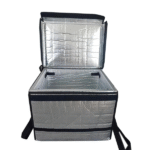
| Empacado | cargador aislado + transatlántico + refrigerante + inserciones | aislamiento más grueso + más refrigerante | higher billed weight |
| Transporte | parcel/courier rate by zone + velocidad | bigger box + faster service | cost jumps quickly |
| Handling/fees | recargos + special handling + almacenamiento | retrasos + extra services | “surprise” add-ons |
| Loss risk | reembolsos + reenvíos + tiempo de apoyo | picos de calor + retrasos en el porche | silent margin killer |
Consejos prácticos que puede usar hoy
-
Track failures like a cost line: derretido, bloomed, broken, tarde, goteando. Fix the top one first.
-
Separate “pack-out cost” from “freight”: you need both to price correctly.
-
Measure billed weight, not just scale weight: DIM can be your #1 conductor.
Caso práctico: A gift-focused chocolatier found that reducing reships by a few points saved more than negotiating cents off postage.
How does DIM weight inflate cold chain artisanal chocolate cost?
DIM weight inflates cold chain artisanal chocolate cost when your insulated shipper is big and light. Carriers often compare your scale weight to a dimensional weight estimate based on box volume, then bill the higher number. This is why “safer packaging” can backfire financially if it adds inches you don’t need.
Think of it like paying rent for space in a delivery truck. You might only “weigh” 3 lb, but if you occupy the space of a 14 lb package, you may be priced like one. That’s why right-sizing is often the fastest win.
Mini calculadora: are you paying for air?
-
Measure your outer box Largo × ancho × alto (pulgadas).
-
Multiply to get cubic inches.
-
Divide by a common DIM divisor used in many domestic parcel contexts (varies by service/account).
-
Compare DIM weight to scale weight. The higher number usually drives pricing.
| Aporte | Ejemplo | Resultado | Lo que significa para ti |
|---|---|---|---|
| Tamaño de la caja | 16 × 12 × 10 en | 1,920 in³ | bulky shipper |
| DIM estimate | 1,920 ÷ 139 | ~13.8 lb | may bill near 14 lb |
| Scale weight | 3 lb | 3 lb | not what you pay |
| Billed driver | OSCURO > escala | OSCURO | cost rises fast |
Consejos prácticos que puede usar hoy
-
Reduce one inch where it matters: trimming height or width often drops billed weight sharply.
-
Standardize 2–3 box sizes: “single” and “multi” beats “one big box for everything.”
-
Remove decorative void fill that forces bigger cartons: keep the unboxing premium, not oversized.
Caso práctico: One team saved enough from shrinking carton height to fund better coolant placement on hot routes—net cost went down, quality went up.
Gel packs vs PCM: which lowers cold chain artisanal chocolate cost?
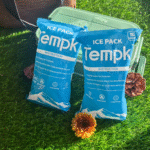
Gel packs can look cheaper per unit, but PCM can lower cold chain artisanal chocolate cost when it lets you use fewer packs and a smaller shipper. Chocolate usually needs stable cool conditions, not extreme cold contact. Overcooling can create condensation as the box warms, which can trigger surface complaints.
Your best choice depends on lane time, outside heat, porch delay risk, y tipo de producto. Bars tolerate more than glossy bonbons, so the same coolant plan should not apply to every SKU.
Coolant comparison (costo total, no precio unitario)
| Tipo de refrigerante | Unit cost feel | Shipping weight/size effect | El mejor uso | Lo que significa para ti |
|---|---|---|---|---|
| paquetes de gel | más bajo | often heavier/more volume | carriles cortos, mild risk | predictable budgeting |
| PCM (matched set point) | más alto | can reduce packs + tamaño del listón | consistency lanes | may lower total cost |
| hielo seco (donde sea apropiado) | variable | strong cooling + cumplimiento | select long/hot routes | more rules + handling time |
Herramienta interactiva: per-order coolant calculator
Completa tus números:
-
Gel pack cost per pack: ___
-
Packs per order: ___
-
PCM cost per unit (Si se usa): ___
-
PCM units per order: ___
-
Added labor minutes for coolant handling: ___
Ahora compara:
-
Gel total = (cost/pack × packs) + impacto laboral
-
PCM total = (cost/unit × units) + impacto laboral
-
Winner = the option with the lower cost per successful delivery, not just lower materials.
Consejos prácticos que puede usar hoy
-
Agregue una capa de búfer: keep coolant from touching chocolate directly.
-
Use fewer packs with better placement: walls and “heat-entry surfaces” matter most.
-
Test one lane in summer, one lane in winter: your cost model improves fast.
Caso práctico: A bonbon brand replaced “more gel packs everywhere” with fewer, better-placed packs and a tighter insert. Complaints stayed flat, costs dropped.
How do you calculate cold chain artisanal chocolate cost per successful delivery?
Cold chain artisanal chocolate cost becomes predictable when you calculate “cost per successful delivery.” A cheap shipment that fails is expensive because you pay again: replacement product, replacement shipping, and support time. This is why a small packaging upgrade can be profitable if it reduces failures even slightly.
Use a simple model you can share with your team. Keep it visual, and update it monthly. You don’t need perfect data to start—just consistent tracking.
The “honest” formula
Cost per successful delivery = A + (B × C)
-
A = all-in ship cost per order (empacar + transporte + mano de obra + honorarios)
-
B = failure rate (orders needing refund/reship)
-
do = cost per failure (replacement product + replacement ship + tiempo de apoyo)
| Variable | que es | donde lo consigues | Lo que significa para ti |
|---|---|---|---|
| A | baseline cost/order | facturas + lista de materiales | your starting point |
| B | porcentaje de averías | returns/reship logs | your risk level |
| do | cost per failure | producto + reenviar + tiempo | your hidden tax |
| Upgrade | added cost | better liner/packs | your lever |
Consejos prácticos que puede usar hoy
-
Split failure rate by season: May–Sep behaves differently than Oct–Apr.
-
Split by product type: bars vs bonbons need different rules.
-
Count support time: a few minutes per complaint is real money in peak weeks.
Caso práctico: A brand added ~$2–$3 of protection on the hottest lanes only. Failure rate fell enough that total cost per successful delivery improved.
How can you lower cold chain artisanal chocolate cost without melting?
You lower cold chain artisanal chocolate cost by removing waste, not removing protection. The biggest wins are usually box right-sizing, lane-based pack-outs, and tighter packing SOPs. These changes cut billed weight, reduce pack errors, and lower reships.
Start with the basics: never pack warm product, keep pack time short, and limit sun exposure at handoff. Then build a simple “lane rule” system so you don’t overpay on low-risk routes.
Pack-out SOP that saves money fast
| Paso del POE | Fallo común | Arreglar | Lo que significa para ti |
|---|---|---|---|
| Stage product | warm product packed | cool-to-stable rule | fewer moisture issues |
| Pre-chill coolant | half-frozen packs | verification check | higher stability |
| Colocación | cold on one side only | 3-side placement rule | menos puntos calientes |
| capa barrera | contacto directo | separator sheet | less condensation risk |
| Manos libres | sun/dock dwell | sombra + recogida rápida | less heat exposure |
Consejos prácticos y sugerencias.
-
Primero el tamaño correcto: smaller outer dimensions often save more than “cheaper materials.”
-
Use lane cards: one page per lane with the exact recipe.
-
Ship early-week: fewer weekend delays means fewer failures.
Caso práctico: A team pre-built “pack-out kits” for top SKUs (transatlántico + inserciones + refrigerante). Packing time dropped, and consistency improved immediately.
How should you price cold chain artisanal chocolate cost for summer?
Price cold chain artisanal chocolate cost for the worst realistic week, not the best week. If you price shipping like it’s always mild, you will undercharge exactly when risk spikes (olas de calor, gifting peaks). Customers hate surprises, so keep pricing simple and explainable.
You typically have three workable options: build protection into product price, use a clear seasonal protection fee, or use zone/temperature-based rules at checkout. Your best choice depends on catalog size and climate spread.
Shipping pricing options (simple and customer-friendly)
| Modelo | What customers see | lo que controlas | Lo que significa para ti |
|---|---|---|---|
| Built-in protection | higher product price | stable margin | clean checkout |
| Flat-rate shipping | one shipping price | operaciones simples | can over/undercharge by season |
| Seasonal protection fee | “hot weather protection” | risk-aligned funding | fewer summer losses |
| Free shipping threshold | free over $X | higher AOV | protects small orders |
Mini herramienta de decisión: pick your pricing rule
Answer “yes” or “no”:
-
Do you ship across very different climates?
-
Do summer complaints spike?
-
Are most orders gifts where appearance drives reviews?
If you said “yes” to 2–3, avoid one flat price year-round. Usar un seasonal protection fee o lane-based rule.
Caso práctico: A brand introduced a summer minimum order and a clear “hot weather option.” Refunds fell because customers chose the right service.
2025–2026 developments and trends that affect cold chain artisanal chocolate cost
In 2025–2026, cold chain artisanal chocolate cost is shaped by four forces: raw material volatility, stricter packaging expectations, carrier pricing mechanics, and smarter packaging design.
Última instantánea del progreso
-
Higher value-at-risk: when ingredients cost more, every failed box hurts more.
-
More DIM focus: brands are redesigning packaging to reduce volume without losing protection.
-
Smarter coolant strategy: menos paquetes, better placement, more stability.
-
More compliance pressure: packaging waste rules and reporting expectations are rising in key markets.
Preguntas comunes (Preguntas frecuentes)
Q1: What is the biggest driver of cold chain artisanal chocolate cost?
For many brands, it’s billed weight (a menudo tenue) plus reship risk. One failed order can erase multiple small savings.
Q2: Should you always use maximum protection packaging?
No. Overpacking raises freight and can increase condensation risk. Match protection to lane time and heat exposure.
Q3: Are gel packs always cheaper than PCM?
No siempre. Gel packs can require more weight and space. PCM can cost more per unit but reduce total billed weight.
Q4: What is the fastest way to cut cold chain artisanal chocolate cost?
Shrink the outer shipper and reduce failure rate. DIM exposure and reships are usually the biggest hidden costs.
Q5: How do you avoid summer losses without scaring customers?
Use a clear seasonal policy: built-in protection, a simple hot-weather fee, or a lane-based shipping rule customers understand.
Resumen y recomendaciones
Cold chain artisanal chocolate cost is a system cost: product value-at-risk, pack-out materials, billed freight, honorarios, and failure probability. Your biggest levers are box size (OSCURO), estrategia de refrigerante, and lane-based SOP discipline. Start by measuring billed weight, then build two or three pack-out tiers by lane risk. Track cost per successful delivery monthly, and upgrade protection only where it lowers total cost.
Plan de acción del siguiente paso (copy and use)
-
Measure your top 2 box sizes and estimate DIM exposure.
-
Track reship/refund rate by month and product type.
-
Crear 3 recetas para empacar: leve / cálido / carriles calientes.
-
Run a 2–4 week lane test and adjust coolant placement.
-
Set a summer pricing rule that funds protection consistently.
Acerca de Tempk
Y tempk, we help brands design practical temperature-control packaging strategies for sensitive foods, including premium chocolate. We focus on right-sized insulated shippers, lane-based pack-outs, and repeatable SOPs that reduce failures without unnecessary cost. Our approach is simple: control billed weight, control handoff minutes, and improve cost per successful delivery so your cold chain program stays profitable and predictable.
Llamado a la acción: Comparte tu cima 3 carriles, two box sizes, average order weight, and summer failure rate. We’ll recommend a lane-based protection plan you can apply immediately.