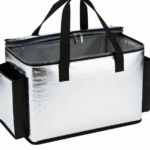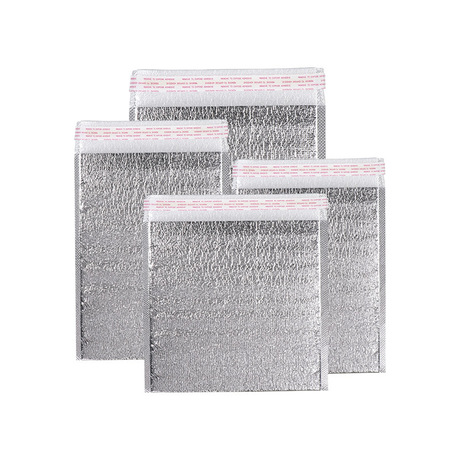
Bolsa con aislamiento de cadena de frío de lana: Construya el sistema desde la entrega
Un receptor abre un paquete y debe decidir si su contenido es aceptable.. Esa decisión es el punto de partida correcto para un proyecto de bolsa de lana con aislamiento de cadena de frío.. La capa de lana importa, pero no puede responder la pregunta receptora por sí solo.. La aceptación depende de los límites específicos del producto., tiempo transcurrido, evidencia de exposición a la temperatura, condición de embalaje, y un proceso de excursión predefinido. Diseño al revés desde ese momento.. Definir lo que debe ser cierto en el momento de la entrega., identificar la ruta eventos que la amenazan, y solo entonces especificar la bolsa, aislamiento, refrigerante, disposición de carga útil, y controles operativos.
Este método de ruta primero evita que una muestra atractiva o una afirmación amplia de sostenibilidad se conviertan en la especificación.. También produce un paquete que el departamento de adquisiciones puede obtener., la calidad puede aprobar, El personal del almacén puede repetir., y los receptores pueden evaluar.
Comience con la decisión del receptor
Antes de contactar con proveedores, escribir una breve declaración de aceptación. Debe identificar el producto., las condiciones que debe experimentar durante el transporte, la evidencia utilizada en el momento de la recepción, y quién tiene autoridad para liberarlo o rechazarlo.. Para la comida, La declaración debe conectarse con el plan de seguridad alimentaria de la organización y las prácticas de transporte aplicables.. Para medicamentos, diagnóstico, u otros productos regulados, debe provenir de información aprobada del producto y del sistema de calidad.. No asigne una estufa refrigerada familiar simplemente porque aparece en otros programas de cadena de frío..
El proceso de recepción puede utilizar un registrador de datos., un indicador de tiempo-temperatura, medición de temperatura del producto, marcas de tiempo de entrega, inspección física, o una combinación justificada. Cada herramienta tiene límites. Un registrador registra las condiciones en la ubicación de su sensor; no protege la carga útil. La temperatura de la superficie puede diferir de la temperatura central del producto.. El aire se calienta rápidamente cuando se abre la bolsa.. Una caja fría no prueba que las condiciones se mantuvieran anteriormente en la ruta.. Seleccione la evidencia antes de realizar la prueba para que el protocolo de calificación y el procedimiento de recepción midan lo mismo..
Próximo, definir el camino de decisión para una desviación. Una alarma de temperatura no debería obligar a un receptor no capacitado a improvisar. El procedimiento debe decir cómo poner en cuarentena el producto., preservar el registro, inspeccionar el embalaje, notificar al propietario del producto, y documentar la disposición final. Algunas excursiones pueden requerir una evaluación basada en la estabilidad.; otros pueden tener una regla de rechazo clara. El proveedor de la bolsa no es la autoridad para la liberación del producto..
Mapee también el entorno receptor. ¿El envío se abrirá inmediatamente en un almacén?, dejado en la puerta de un restaurante, procesado en una cola de acceso de laboratorio, o entregado a un consumidor? ¿El destinatario devuelve la bolsa?, separar sus componentes, o descartarlo? Si una instrucción de recuperación propuesta es incompatible con el destino, La estrategia de sostenibilidad está incompleta antes de que se envíe la primera unidad..
Cree un presupuesto de fracaso para todo el viaje
Un paquete pasivo tiene una capacidad finita para resistir y absorber calor.. En lugar de preguntar sólo cuánto mide una bolsa "mantiene frio," lista donde se puede consumir esa habilidad. Una carga útil caliente consume capacidad de refrigerante durante el descenso. Una gran diferencia de temperatura a través de la pared aumenta el flujo de calor.. Vivienda en depósito, sol en un vehículo, apertura repetida, una base comprimida, y una cremallera parcialmente cerrada añade exposición. Un retraso inesperado extiende el período durante el cual operan todas las pérdidas..
Cree un cronograma de ruta desde el acondicionamiento previo hasta la recepción:
- Almacenamiento de bolsas vacías y componentes aislantes.
- Acondicionamiento y puesta en escena del refrigerante
- Recuperación del producto y tiempo en la mesa de embalaje.
- Montaje y cierre del paquete.
- Esperando que lo recoja el transportista
- transporte de línea, depósito, cruce de muelles, o eventos aduaneros
- Entrega de última milla y permanencia desatendida
- Recepción, inspección, revisión de datos, y desempacando
Para cada etapa, grabar la duración esperada, retraso creíble, exposición ambiental, acción de manejo, y parte responsable. El objetivo no es inventar un peor caso dramático que nunca pueda ocurrir.. Se trata de identificar un desafío defendible basado en la ruta y la evidencia estacional.. La guía de la OMS sobre perfiles de rutas destaca que las temperaturas del transporte fluctúan con el tiempo, estación, elevación, cargando, y descargar. Para redes de paquetería, Los perfiles ISTA 7E pueden representar un desafío estandarizado cuando se ajustan al modo de distribución. Un equipo de proyecto puede utilizar esas referencias., datos de carril, o una combinación justificada.
El riesgo de calor es sólo una parte del presupuesto. Un refrigerante congelado puede crear un punto frío junto a un producto sensible a la congelación.. La condensación puede dañar las etiquetas o ablandar las cajas.. El embalaje primario con fugas puede contaminar la superficie interior. El embalaje excesivo puede comprimir los paneles de lana e impedir el cierre total.. Un manejo brusco puede desplazar un revestimiento flexible. El plan de ruta debe identificar tanto el riesgo de calor como el de frío., así como el saneamiento, mecánico, y fallas en la documentación.
Los extremos de la carga útil a menudo revelan el verdadero límite del diseño. Pruebe el pedido más pequeño creíble porque puede tener menos masa térmica y más aire vacío.. Pruebe el más grande porque puede desplazar el refrigerante., presione el cierre, o comprimir el aislamiento. Si esos casos no pueden compartir una configuración sólida, definir tamaños separados o familias de paquetes. La simplicidad operativa es valiosa, pero la falsa universalidad crea una variación oculta.
Dale un trabajo preciso a la capa de lana
La lana es útil como material de aislamiento térmico porque sus fibras rizadas forman una estructura que contiene muchos pequeños espacios de aire. En una bolsa de envío, El rendimiento requerido proviene de la almohadilla aislante terminada y del ensamblaje., no es el nombre de la fibra. Especificar el porcentaje de lana o mezcla., fibras de soporte y aglutinantes, tratos, masa del panel, espesor nominal, densidad o estado de compresión, dimensiones, y cobertura. Incluir el estado de acondicionamiento utilizado para las mediciones..
El espesor debe sobrevivir al uso.. Un panel de lana que parece sustancial en un banco puede aplanarse bajo una carga útil densa o un apilamiento prolongado.. La compresión cambia la geometría y puede cambiar la resistencia térmica.. La migración de paneles puede crear una esquina delgada incluso cuando la masa total de lana permanece correcta. Un método de retención, soporte básico, o puede ser necesaria una construcción segmentada, pero cada puntada y unión también puede crear una ruta de calor. El diseño debe controlar la ubicación sin producir grandes puentes sin aislamiento..
La capacidad de la lana para intercambiar vapor de agua con el entorno que la rodea a menudo se presenta como una solución de condensación.. Trátelo como un comportamiento material., no es una promesa. El laminado terminado determina si el vapor llega a la fibra., el líquido está excluido, o la humedad queda atrapada. Evaluar condiciones secas y húmedas creíbles., definir una respuesta de fuga, e indique si el aislamiento húmedo se puede secar, reemplazado, o debe estar jubilado. Una carcasa resistente al agua no hace que las costuras o la bolsa completa sean automáticamente impermeables..
La lana también necesita un límite higiénico.. En la mayoría de los diseños de envío de alimentos., El producto permanece en el embalaje primario adecuado y una capa interior lavable lo separa del aislamiento.. Confirmar la idoneidad de la superficie real de contacto con los alimentos donde se pretende el contacto.. Bajo el marco de transporte sanitario de la FDA, control de temperatura, equipo adecuado y limpiable, saneamiento, y la comunicación puede ser importante dependiendo de la operación. Una declaración de fibra natural no reemplaza esos controles..
La composición también tiene un límite de etiquetado.. Si una bolsa terminada cae debajo de la lana., textil, país de origen, o reglas de etiquetado de empresa responsable en un mercado objetivo, verificar las divulgaciones requeridas sobre el contenido de fibra y el origen para esa categoría de producto. No asuma que el embalaje industrial se trata exactamente como la ropa, y no imprimir "pura lana" cuando aglutinantes, fibras de soporte, o hay almohadillas mezcladas.
Convierta el diseño en una configuración controlada
La unidad aprobada debe ser reproducible a partir de un único registro de configuración.. Una fotografía es útil pero insuficiente.. El registro conecta la lista de materiales., dimensiones, refrigerante, carga útil, asamblea, evidencia de prueba, y cambiar de estado.
| Elemento de configuración | Definición necesaria antes de la aprobación | Ambigüedad común a eliminar |
|---|---|---|
| Bolsa y cierre | Modelo, dimensiones terminadas, caparazón, transatlántico, costuras, cremallera o solapa, método de cierre | Tamaño externo presentado como capacidad utilizable |
| Aislamiento de lana | Composición, tratamiento, aglutinante, masa del panel, espesor, densidad, cobertura, retención | "lana natural" sin especificación de almohadilla terminada |
| refrigerante | Tipo, tamaño de la unidad, cantidad, equipo y método de acondicionamiento, colocación | Paquetes de apariencia similar sustituidos por personal |
| Carga útil | Familia de productos, embalaje primario, carga mínima y máxima, condición inicial | Orden promedio utilizada para representar cada envío |
| control de vacío | Relleno aprobado, divisor, buffer, y orientación | Empacadores improvisando con material disponible |
| Escucha | Dispositivo, estado de calibración, método de inicio, intervalo, colocación, límites de alarma o revisión | Registrador agregado sin un procedimiento de revisión de datos |
| Desafío térmico | Perfil ambiental, duración, ubicaciones de sensores, plan de ejecución, criterios de aceptación | Tiempo de espera del titular separado de las condiciones de prueba |
| Estado de lanzamiento | Versión del informe, funciones de aprobación, fecha de vigencia, carriles y temporadas permitidos | Se supone que una prueba exitosa cubrirá todas las rutas |
Este registro también define la solicitud de cotización de adquisiciones.. Cada postor debe fijar el precio del mismo sistema., incluyendo barreras, impresión, divisores, refrigerante, trabajo de muestra, y solicitó pruebas. De lo contrario, un precio unitario bajo puede reflejar componentes faltantes en lugar de un diseño eficiente.
El informe del proveedor debe hacer que el artículo analizado sea rastreable hasta la unidad de producción propuesta.. Conservar dibujos, materiales, información del lote, fotografías de montaje, registros de instrumentos, datos sin procesar, y desviaciones. Un resultado de conductividad de una muestra de lana plana puede respaldar el control del material.. No puede reemplazar una prueba de paquete completo con costuras representativas., cierre, refrigerante, y carga útil. En cambio, un recorrido de la cámara de paso no elimina la necesidad de controlar el espesor de la lana, masa, colocación, y estado de humedad en la producción rutinaria.
Para medicamentos, Las buenas prácticas de distribución de la UE y otros requisitos de calidad aplicables pueden exigir que se mantengan las condiciones definidas por el fabricante y que se investiguen las desviaciones.. Estas responsabilidades pertenecen al sistema de distribución., no a una almohadilla de lana. Utilice un lenguaje cuidadoso como "evaluado para el paquete y el carril definidos" en lugar de "compatible globalmente."
Herramientas útiles para tomar decisiones
Comprueba los detalles antes de elegir el embalaje.
Estas herramientas rápidas pueden ayudarle a comparar el riesgo de la ruta, necesidades de dimensionamiento, opciones de refrigerante, y detalles del embalaje antes de solicitar una cotización.
Comprobador de riesgos de ruta
Revise las condiciones del carril antes de seleccionar el embalaje para requisitos operativos reales..
Comprobar riesgo de rutaCalculadora de bolsa de hielo
Estimación de la cantidad de bolsas de hielo en gel para envíos refrigerados y planificación práctica de rutas.
Estimar las bolsas de hieloSelector de embalaje
Compare las opciones de embalaje aislado por producto, ruta, y necesidad de temperatura.
encontrar embalajeDesafiar el proceso, No sólo el prototipo
Comience el desarrollo térmico con trabajo de cámara controlado.. Predefinir límites de productos, exposición ambiental, duración, casos de carga útil, condiciones del refrigerante, ubicaciones de sensores, y criterios de aceptación. Instrumentar tanto los puntos probablemente cálidos como los lugares con riesgo de sobreenfriamiento. Registre la temperatura inicial de cada componente relevante. Si una prueba falla, Mantenga la unidad intacta el tiempo suficiente para inspeccionar el estado del refrigerante., posición del panel, compresión, humedad, cierre, y movimiento de productos.
La repetibilidad importa. Una racha favorable puede ser un valor atípico o un ideal cuidadosamente elaborado. Múltiples construcciones pueden revelar variaciones de unidades y efectos del empaquetador.. El plan de pruebas debe ser proporcional al riesgo del producto y al sistema de calidad de la organización., pero la justificación debe estar documentada.. No promedies un fallo claro fuera de la vista.
Después de que el diseño pasa los desafíos térmicos seleccionados., Entregar el borrador de la instrucción al personal del almacén que no lo desarrolló.. Observar sin entrenamiento. ¿Identifican el refrigerante correcto?? ¿Pueden distinguir los diagramas de carga mínima y máxima?? ¿Colocan el buffer correctamente?? ¿Se cierra la cremallera sin empujar la carga hacia abajo?? ¿Qué paso causa vacilación??
Revisar las instrucciones hasta que los pasos críticos sean visibles y mensurables.. Utilice fotografías de condiciones correctas e incorrectas.. Definir el tiempo máximo de preparación cuando esté justificado, e indicar qué hacer si la carga útil o el refrigerante están fuera de su condición inicial. Los medidores simples de pasa/no pasa pueden ayudar a verificar la geometría del panel o del paquete.. La codificación de colores puede reducir las sustituciones, siempre que permanezca controlado entre proveedores y sitios.
Luego ejecute un piloto de distribución limitada. Incluir entregas representativas y monitorear el manejo, así como la temperatura.. Las observaciones útiles incluyen el tiempo fuera del almacenamiento controlado., escaneos perdidos, inversión de bolsa, abrasión, apertura en puntos intermedios, clima húmedo, retraso del destinatario, comportamiento de retorno, y rechazos de limpieza. Un piloto no es un estudio de caso de marketing; Es una fuente de evidencia operativa y acciones correctivas..
Cuestionar deliberadamente las desviaciones creíbles cuando sea seguro. ¿Qué pasa si la recogida se retrasa?, el pedido está en el límite de carga útil bajo, o la bolsa se abre por un período definido? ¿Qué pasa si una unidad reutilizable ha completado varios ciclos de limpieza y manipulación?? El trabajo de robustez revela margen de seguridad y sensibilidad procesal, pero no debe utilizarse para normalizar prácticas no autorizadas. Los límites aprobados siguen siendo los límites.
La aprobación estacional debe seguir la lógica de la ruta.. Un desafío de verano puede centrarse en la entrada de calor, mientras que una ruta en invierno puede crear riesgo de congelación. Nuevos destinos, transportistas, cargas útiles, proveedores de refrigerante, o las prácticas de puesta en escena deben pasar por una evaluación de cambios. La calificación es un estado mantenido., no es un certificado almacenado después del lanzamiento.
Comprar el estado de producción, No es la muestra dorada
Las compras al por mayor comienzan después de la viabilidad técnica, no antes. Incluir atributos críticos y tolerancias en la especificación de compra.. Requerir identificación de lote para los materiales principales., controles en proceso para la colocación del aislamiento, controles finales de dimensiones y cierre, y criterios de mano de obra para las costuras, fibras expuestas, contaminación, y daño. Acordar los métodos de muestreo y cómo se contienen los lotes no conformes..
Las materias primas naturales varían, Por lo tanto, el proveedor debe explicar cómo se convierte el insumo de lana en una almohadilla terminada consistente.. El control podría centrarse en la composición., masa por área, espesor según un método establecido, densidad, acondicionamiento de la humedad, y uniformidad visual. La adquisición no necesita dictar el proceso del proveedor., pero necesita criterios de aceptación objetivos vinculados a los riesgos de desempeño..
La coherencia entre la muestra y la producción debe demostrarse con unidades de preproducción fabricadas con los materiales previstos., estampación, y métodos de montaje. Compararlos con una referencia aprobada.. Si la impresión o la marca cambian la construcción de la carcasa, Incluir el proceso de arte final en la muestra representativa.. Recubrimientos pesados, líneas de puntada adicionales, bolsillos, y las manijas no siempre son térmicamente neutras.
El acuerdo de calidad o los términos de compra deben requerir notificación previa para cambios en la fuente o mezcla de lana., tratamiento, aglutinante, película de barrera, tela, cremallera, hilo, dimensiones del panel, sitio de montaje, o proceso clave. Definir una ruta de revisión basada en riesgos. Algunos cambios pueden necesitar revisión de documentos y controles dimensionales.; otros pueden requerir una recalificación térmica parcial o total. La sustitución sin evaluación es especialmente peligrosa cuando un producto parece no haber cambiado desde el exterior..
Preguntar por el tiempo de entrega, pedido mínimo, opciones personalizadas, componentes de repuesto, y soporte de muestra como preguntas comerciales en lugar de hechos asumidos. Aclarar la propiedad de los diseños y los informes de prueba.. Si el programa es reutilizable, acordar revestimientos de repuesto, permisos de reparación, y criterios de jubilación. El costo total de entrega debe incluir el refrigerante., mano de obra de embalaje, cubo de almacenamiento, pérdida de producto, limpieza, regresa, reemplazo, escucha, y manipulación de residuos, no solo el precio de la bolsa.
Aplicar el mismo estándar de evidencia a la sostenibilidad
La lana es renovable y puede ofrecer un uso valioso para la fibra que puede no ser adecuada para la ropa.. Esos atributos justifican la investigación., no es una victoria ambiental automática. La bolsa terminada puede contener películas de polímero., textiles recubiertos, aglutinantes sintéticos, material de gancho y bucle, cremalleras, tinta, etiquetas, y paquetes de refrigerante. Indique las reclamaciones por componente y masa cuando sea posible.
Evaluar el paquete frente a una unidad funcional.: entrega de una carga útil aceptable a través de la ruta definida. Incluir pérdidas de producto, transporte de entrada y salida, peso de la bolsa y cubo, refrigerante, fabricación, limpieza, logística inversa, refacción, y fin de la vida. Por un sistema reutilizable, utilizar viajes completados observados y tasas de pérdida de la red. No es lo mismo una prueba de flexión de laboratorio que una reutilización real.
La infraestructura del destino determina si un camino es creíble. Pregunte si los receptores domésticos o comerciales pueden separar la almohadilla de lana., si la contaminación impide la recuperación, y si los programas locales de compostaje o textiles aceptan el material y sus tratamientos.. "Biodegradable" debe especificar el componente y las condiciones. "Reciclable" debe reflejar la recopilación y el procesamiento, no sólo la compatibilidad teórica del material.
Las expectativas regulatorias para envases y residuos difieren y continúan desarrollándose. El Reglamento sobre envases y residuos de envases de la Unión Europea es un ejemplo de un marco orientado al ciclo de vida., pero sus obligaciones dependen del tipo de embalaje, actor, mercado, y fecha de solicitud. Revise los requisitos actuales con especialistas calificados antes de finalizar etiquetas o declaraciones ambientales en cualquier región..
El desempeño de la sostenibilidad debe incorporarse al panel operativo. Seguimiento de entregas aceptables, desviaciones de temperatura, uso de material por envío, devoluciones de bolsas, viajes completados, rechazos de limpieza, refacción, pérdidas, y recuperación real del destino. La mejora ambiental más importante puede provenir de un embalaje calificado más pequeño., menos errores de entrega, mejor acondicionamiento del refrigerante, o una mayor participación en el retorno en lugar de cambiar un material de aislamiento.
Aprobar un sistema que la gente común pueda ejecutar
Un programa de lana para bolsas con aislamiento de cadena de frío bien diseñado comienza en el momento de la recepción y avanza hacia atrás.. Define la aceptación del producto., mapas ruta exposición, le da a la lana una especificación de material precisa, califica el paquete completo, desafía la repetibilidad humana, y contratos de control de producción. Se trata de saneamiento, escucha, desviaciones, y reclamos ambientales como responsabilidades operativas. La lana puede ser la capa aislante adecuada, pero la evidencia y la ejecución lo convierten en un solución de cadena de frío.
Acerca de Tempk
Tempk suministra productos de control de temperatura que incluyen bolsas aisladas, almuerzo y bolsa de entrega formatos, paquetes de gel, ladrillos de hielo, y cajas más frescas. Las discusiones personalizadas pueden cubrir el tamaño de la bolsa., recubrimiento, cierre, herrada, divisores, y evaluación de muestras. Para un proyecto con aislamiento de lana, Recomendamos confirmar la construcción de fibra disponible y documentar la carga útil propuesta., refrigerante, ruta, y condiciones de prueba antes de la aprobación. No tratamos el nombre de un material como una garantía de rendimiento..
Comparte tus criterios de recepción, línea de tiempo de la ruta, cargas útiles mínimas y máximas, y requisitos del mercado objetivo con Tempk. Solicite una configuración de muestra y un plan de evidencia de que su adquisición, operaciones, y los equipos de calidad pueden revisar juntos.