Cómo dominar el monitoreo del chocolate orgánico en la cadena de frío?
Última actualización: Diciembre 24, 2025
El chocolate orgánico es un producto delicado que puede perder fácilmente su acabado brillante., crujiente y rico sabor si se manipula mal durante el transporte. Mantener la calidad exige más que simplemente "mantenerlo frío". Necesitas temperaturas estables, humedad controlada y herramientas de monitoreo inteligente. Entendiendo cómo los factores ambientales afectan al chocolate e implementando el embalaje adecuado, sensores y procesos, puedes reducir la floración, Evite la deriva de textura y proteja su marca.. Esta guía combina conocimientos de la industria, investigación científica y 2025 Tendencias que le ayudarán a construir una cadena de frío fiable para el chocolate orgánico..
Este artículo responderá:
¿Por qué El chocolate orgánico necesita monitoreo de la cadena de frío.? — analiza temas sensibles a la temperatura como la floración, Deriva de textura y riesgos relacionados con la humedad., usando palabras clave de cola larga como rango de temperatura óptimo para el envío de chocolate orgánico y control de humedad para el transporte de chocolate.
¿Cómo se puede configurar un empaquetado y un seguimiento eficaces?? — cubre el aislamiento, materiales de cambio de fase y registradores de datos, con frases como Selección de sensores de cadena de frío para chocolate. y Elegir envases aislantes para la entrega de chocolate orgánico.
¿Cuáles son las últimas tendencias e innovaciones en 2025? — explora los sensores de IoT, Optimización de rutas impulsada por IA y embalaje sostenible, usando términos como 2025 Crecimiento del mercado de monitoreo de cadena de frío. y Tendencias de embalaje inteligente para la logística del chocolate..
¿Cómo se puede desarrollar un SOP y una herramienta de autoevaluación?? — explica un procedimiento paso a paso para estandarizar paquetes y decisiones, usando POE de cadena de frío para chocolate orgánico como palabra clave.
Preguntas comunes y consejos prácticos — responde preguntas frecuentes sobre rangos de temperatura, paquetes de gel, Sensores y sostenibilidad con consejos fáciles de usar..
¿Por qué el chocolate orgánico necesita monitoreo de la cadena de frío??
El chocolate orgánico es muy sensible a la temperatura y la humedad., por lo que pequeñas excursiones pueden causar defectos cosméticos y de textura.. El calor alto ablanda la manteca de cacao, haciendo que la grasa se separe, mientras que las temperaturas frías seguidas del calentamiento fomentan la absorción de humedad y la cristalización del azúcar.. Los consumidores interpretan estos defectos como deterioro incluso si el producto es seguro.. Las marcas orgánicas suelen enviar directamente a los consumidores., donde el calor del porche y el momento de la entrega añaden riesgo. Por lo tanto, mantener la calidad no consiste en hacer que el chocolate esté extremadamente frío.; se trata de mantener las condiciones estables durante cada traspaso.
El chocolate orgánico presenta menos estabilizantes y aditivos químicos en comparación con los productos convencionales. Los compradores esperan una superficie brillante y un toque nítido.; cualquier opacidad o florecimiento erosiona la calidad percibida. Las condiciones de la última milla son impredecibles: sol, Los picos de calor y humedad de las furgonetas crean efectos de “horno en la puerta”, por lo que el transporte debe anticipar tales escenarios.. Los sistemas de monitoreo lo ayudan a verificar que los envíos se mantengan dentro de los rangos objetivo e identificar dónde ocurren las excursiones., permitiéndole ajustar los procesos rápidamente.
Cómo la temperatura y la humedad afectan la calidad del chocolate
La calidad del chocolate depende del mantenimiento de parámetros ambientales específicos. El rango de temperatura ideal para la mayoría del chocolate es de 12 a 20 °C., con humedad relativa inferior al 50%. Dentro de esta banda, la manteca de cacao permanece estable y el azúcar no recristaliza. Causa de desviaciones:
| tipo chocolate | Temperatura óptima | Nivel de humedad | Lo que significa para ti |
| Chocolate oscuro | 12–20 ° C (54–68°F) | ≤50% de humedad relativa | Estable en el extremo inferior; tolera un ligero enfriamiento. |
| Chocolate con leche | 12–20 ° C | ≤50% | Más sensible debido a los sólidos lácteos.; necesita un control más estricto. |
| Chocolate blanco | 12–20 ° C | Monitoreo continuo ≤50% | Los bajos sólidos de cacao hacen que las grasas se separen rápidamente; requiere condiciones estables. |
| Bombones rellenos/crema | 12–20 ° C | ≤50% | Propenso a agrietarse o disolverse el relleno cuando las temperaturas fluctúan. |
Floración gorda Aparece como una película grisácea cuando la manteca de cacao se separa durante los picos de calor., mientras floración de azúcar muestra cristales blancos debido a la condensación de humedad y recristalización. La variación de la textura se produce cuando los ciclos repetidos de calentamiento y enfriamiento suavizan el chasquido y crean una sensación en la boca cerosa o quebradiza.. Estos problemas no sólo disminuyen el gusto sino que también crean la percepción de "bienes dañados".,"Lo que lleva a reembolsos y daños a la reputación de la marca..
El cadena de frio para el chocolate orgánico debe controlarse humedad tan rigurosamente como la temperatura. La alta humedad favorece la floración y la pegajosidad del azúcar., mientras que la baja humedad puede secar el chocolate. Debe aspirar a una humedad relativa inferior al 55-60 % y evitar eventos de condensación.. Gestionar las transiciones del punto de rocío: garantizar que el chocolate no pase de frío a caliente, ambientes húmedos demasiado rápido: es esencial para prevenir la sudoración.
Cómo configurar un empaquetado y un seguimiento eficaces
Para proteger el chocolate, necesita un enfoque holístico que combine el embalaje adecuado, refrigerantes y herramientas de monitoreo. El objetivo es mantener los productos en la banda segura de temperatura y humedad., evitar fluctuaciones rápidas y el rendimiento de los documentos.
Diseñar el embalaje: Aislamiento, Refrigerantes y buffer
El diseño del envase influye en la eficacia del chocolate a lo largo de la cadena de suministro. Un embalaje insuficiente provoca exposición al calor; El exceso de embalaje puede provocar condensación o congelación.. Una práctica escalera de embalaje incluye:
Remitente (base): Adecuado para carriles cortos y estaciones templadas.; El aislamiento básico de espuma o papel ralentiza la transferencia de calor..
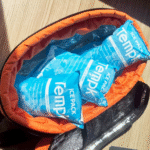
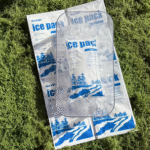
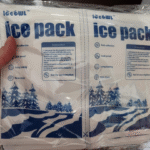
Remitente + paquetes de gel: Agrega masa térmica para rutas moderadas pero corre el riesgo de enfriarse; Separe siempre los paquetes de gel del producto para evitar puntos fríos..
Remitente + material de cambio de fase (PCM): Los PCM mantienen una temperatura constante (a menudo a mediados de la adolescencia °C) mientras se derriten o solidifican, proporcionando un mejor control para carriles largos o climas extremos.
para construir un caja de cinco capas, incluir: 1) Caja de cartón corrugado exterior dimensionada para reducir los espacios de aire.; 2) aislamiento (paneles de espuma o de alto rendimiento); 3) barrera de humedad/olor; 4) refrigerante (PCM adaptado a su temperatura objetivo); y 5) estabilización (divisores o bandejas). El tamaño correcto reduce el volumen de aire vacío que se comporta como calor adicional, y los revestimientos limpios evitan la contaminación.
Seleccionar un material de cambio de fase depende de las condiciones del carril. Si realiza envíos principalmente en temporadas cálidas, Elija un PCM con un "punto de retención" en la mitad de los 10 °C.; para climas moderados, Elija uno en la adolescencia alta para mantener la estabilidad.. Inserte siempre una capa de barrera (cartulina, papel o espuma) entre el PCM o paquete de gel y el chocolate para evitar el contacto directo con el frío y la condensación.
Elegir sensores y dispositivos de monitoreo
El monitoreo le garantiza saber si los envíos se mantuvieron dentro de los rangos objetivo y dónde se produjeron las desviaciones.. Empiece de forma sencilla y amplíe. Una escalera de vigilancia podría verse así:
Nivel 1 – Lista de verificación & comentario: Para el mismo día o rutas suaves, Utilice una lista de verificación de embalaje y comentarios de los clientes para identificar problemas.; esto reduce los errores de los procesos humanos.
Nivel 2: registradores de un solo uso: Para carriles nuevos o cambios estacionales, Coloque registradores de temperatura de un solo uso dentro de los paquetes.. Graban todo el viaje y muestran dónde se realizaron las excursiones..
Nivel 3: programa de auditoría de rutina: Para carriles de altos ingresos, programe auditorías semanales o mensuales con registradores reutilizables; esto estandariza procesos y capacitación.
Los sensores vienen en varias formas.:
| Tipo de sensor | Objetivo | Ventajas | Lo que significa para ti |
| Registradores de datos | Registro de temperatura/humedad a lo largo del tiempo; datos recuperados después de la entrega | Asequible, confiable; no requieren conectividad constante | Ideal para prueba de cumplimiento y calificación de carril. |
| Sensores inalámbricos de IoT | Transmitir datos continuamente a plataformas en la nube a través de Wi Fi, celular o LoRaWAN | Alertas en tiempo real y análisis predictivos; acceso remoto | Lo mejor para monitorear en múltiples ubicaciones y responder rápidamente a las desviaciones. |
| Etiquetas de temperatura RFID | Empotrado en palets o paquetes; escaneado en los puntos de control | Recopilación de datos automatizada; reduce el error humano | Útil para grandes almacenes y visibilidad a nivel de palés.. |
| rastreadores GPS | Combine monitoreo de ubicación y temperatura | Visibilidad en tiempo real y optimización de rutas. | Esencial para envíos de larga distancia o de alto valor. |
| Sensores Bluetooth de baja energía | Sensores de corto alcance para ambientes cerrados | Bajo costo y consumo de energía.; integrar con aplicaciones móviles | Perfecto para almacenes o almacenamiento minorista con puertas de enlace cercanas. |
Para envíos de chocolate, empezar con registradores de un solo uso en carriles de alto riesgo. A medida que crecen los volúmenes o manipulas chocolates caros, integrar sensores de iot y rastreadores GPS. El análisis predictivo puede reducir el tiempo de inactividad no planificado hasta en un 50 % y reducir los costos de reparación entre un 10 % y un 20 %. La tecnología Blockchain añade trazabilidad a prueba de manipulaciones, Garantizar la integridad de los datos en toda la cadena de suministro..
Establecer un procedimiento operativo estándar (COMPENSACIÓN)
Un SOP sólido es corto, visual y repetible. Les dice a los nuevos empleados exactamente qué hacer, no que creer. Seis pasos clave para un POE de chocolate orgánico son:
Materiales de preacondicionamiento: Almacene los materiales de embalaje en un área fría controlada antes del montaje..
Verificar la condición del producto: Asegúrese de que el chocolate no esté caliente debido a la producción o a la luz solar antes de empacarlo..
Construye cajas rápidamente: Limite el tiempo abierto para reducir la ganancia de calor..
Separe el refrigerante del producto: Utilice capas de barrera para evitar puntos fríos y condensación..
Sello y etiqueta: Incluir notas básicas de manejo en la etiqueta..
Etapa en una zona fresca: Mantenga las cajas empaquetadas en un área fresca designada hasta el momento de la recogida..
Para garantizar la coherencia, adoptar un herramienta de decisión que puntúa riesgo (0–12) basado en el tiempo de tránsito, exposición al clima y retrasos en la última milla. Utilice esta puntuación para seleccionar el paquete adecuado: solo cargador aislado (0–3), aislado + paquetes de gel (4–7) o aislado + PCM + escucha (8–12). Una lista de verificación de autoevaluación ayuda a los equipos a prepararse para las excursiones: definir objetivos de temperatura y humedad, establecer reglas de embalaje, Etiquete los envíos con el tipo de paquete y la identificación del registrador., Crear un plan de respuesta y ser capaz de explicar los resultados a los clientes..
Mantener la integridad orgánica y la trazabilidad
El control de la temperatura es sólo la mitad del trabajo. La certificación orgánica requiere un manejo limpio y una trazabilidad documentada. Segregar SKU orgánicos en zonas dedicadas, Minimizar la manipulación abierta y sellar las cajas para evitar la contaminación cruzada.. Registrar fecha de envío, transportador, tipo de carril, y cualquier excepción; mantener un registro de temperatura con datos con marca de tiempo, identificación del lote y de la caja y una lista de verificación de manipulación limpia. Estos registros protegen su declaración orgánica y simplifican las auditorías..
2025 Desarrollos y tendencias en el monitoreo de la cadena de frío
Descripción general de la tendencia
2025 marca un cambio hacia una visión más inteligente, Monitoreo de la cadena de frío más sostenible. Se prevé que el mercado mundial de soluciones de monitoreo de la cadena de frío crecerá de 6.800 millones de dólares en 2025 a 13.400 millones de dólares por 2032, una tasa de crecimiento anual compuesta (Tocón) de aproximadamente el 12,1%. El crecimiento está impulsado por la expansión de las industrias farmacéutica y biotecnológica, Aumento de la demanda de alimentos frescos y marcos regulatorios más estrictos.. Las tendencias clave incluyen:
Blockchain para una trazabilidad de extremo a extremo: Blockchain garantiza transparencia, Registros a prueba de manipulaciones de los movimientos del producto., Permitir a las partes interesadas compartir registros de temperatura y humedad en tiempo real y fortalecer el cumplimiento normativo..
Almacenamiento en frío con energía solar: Las unidades solares proporcionan refrigeración confiable en áreas remotas y reducen los costos de energía; tarifas solares comerciales entre 3.2 y 15.5 Los centavos por kWh ofrecen ahorros significativos sobre la electricidad de la red..
IoT e IA para la optimización de rutas: Combinando GPS, Los sensores de IoT y los algoritmos de IA permiten el seguimiento en tiempo real y el enrutamiento predictivo, reduciendo el tiempo de tránsito y protegiendo los productos de variaciones de temperatura.
Congeladores criogénicos portátiles: Los congeladores portátiles mantienen temperaturas ultrabajas (–80°C a –150°C), permitiendo el transporte seguro de productos biológicos y chocolates especiales.
Embalaje sostenible: Los contenedores aislantes reciclables y los envoltorios térmicos biodegradables reducen la huella de carbono y se alinean con las preferencias y regulaciones de los consumidores..
Ideas del mercado
Marcos regulatorios como los de EE. UU.. Ley de modernización de la seguridad alimentaria (FSMA) requieren monitoreo y documentación continuos de la temperatura; El incumplimiento puede resultar en multas o rechazo del envío.. El Instituto Internacional de Refrigeración estima que Hasta el 20% de la pérdida mundial de alimentos se debe a un control inadecuado de la temperatura.. en la india, 40 El porcentaje de productos hortícolas se desperdicia debido a una infraestructura de almacenamiento en frío deficiente. Estas cifras subrayan los riesgos económicos y ambientales de una gestión eficaz de la cadena de frío..
La investigación de mercado muestra que el sector de monitoreo de la cadena de frío está en auge: MarketsandMarkets lo valoró en 5.300 millones de dólares en 2022, proyectando un crecimiento de 10.200 millones de dólares para 2026 (TACC 16,6%), mientras que Grand View Research estimó 35.030 millones de dólares en 2024 con un CAGR proyectada del 23% desde 2025 a 2030. A pesar de las diferencias en definiciones y metodologías, Los analistas coinciden en una sólida tendencia alcista impulsada por regulaciones más estrictas., avances tecnológicos y globalización.
Las iniciativas de sostenibilidad también influyen en los entornos de refrigeración.. Algunos proveedores de logística reducen las temperaturas de los congeladores de –18°C a –15°C para reducir el consumo de energía., Disminuir las emisiones de carbono sin comprometer la seguridad alimentaria.. Actualizar los almacenes con iluminación LED y sistemas HVAC inteligentes puede reducir el uso de energía entre un 20% y un 30%. Los vehículos de reparto eléctricos e híbridos reducen el consumo de combustible hasta un 70%, mientras que la optimización de rutas mediante IA reduce las emisiones y mejora la puntualidad en las entregas.
Preguntas frecuentes (Preguntas frecuentes)
Q1: ¿Cuál es la temperatura y humedad ideales para enviar chocolate orgánico??
Mantener una temperatura estable entre 12°C y 20°C y una humedad relativa inferior al 50%. El chocolate negro puede tolerar el extremo inferior del rango., mientras que los chocolates con leche y blancos necesitan condiciones constantes para evitar la floración.. Controle tanto la temperatura como la humedad para evitar la condensación o el secado..
Q2: ¿Son los paquetes de gel seguros para el chocolate orgánico??
Los paquetes de gel pueden enfriar demasiado el chocolate y crear condensación durante el calentamiento.. Úselos con aislamiento y una capa de barrera., y sólo para duraciones de tránsito moderadas. Para rutas más largas o más calurosas, Los materiales de cambio de fase adaptados a la temperatura deseada proporcionan un control más estable..
Q3: ¿Necesito sensores IoT para cada envío??
No necesariamente. Comience con registradores de un solo uso para calificar nuevos carriles y realizar auditorías de rutina. Adopte sensores IoT y rastreadores GPS para envíos o rutas de alto valor donde la visibilidad en tiempo real cambia las decisiones. La adopción gradual ayuda a gestionar los costos.
Q4: ¿Cómo puedo reducir rápidamente las quejas sobre la floración del azúcar??
Evite la condensación aclimatando el chocolate antes de abrir los paquetes en agua tibia., cuartos húmedos. Espere de 20 a 40 minutos en un área templada después del parto para evitar shocks de frío.. Mantenga la humedad por debajo del 55-60 % y utilice un revestimiento limpio para separar el chocolate de los refrigerantes..
Q5: ¿Qué hay de nuevo en 2025 para el control de la cadena de frío?
Las tendencias incluyen blockchain para la trazabilidad, almacenamiento en frío con energía solar, Optimización de rutas basada en IA, Congeladores criogénicos portátiles y embalajes sostenibles. Se prevé que el mercado crecerá significativamente, Impulsado por regulaciones estrictas y la creciente demanda de alimentos frescos y productos biológicos..
Resumen y recomendaciones
El chocolate orgánico requiere un manejo cuidadoso de la cadena de frío porque es vulnerable a la proliferación de grasas y azúcares., cambios de textura y defectos inducidos por la humedad. Las condiciones ambientales óptimas son entre 12 y 20 °C y una humedad relativa inferior al 50-55 %.. El embalaje debe equilibrar el aislamiento y los refrigerantes.; Utilice materiales de cambio de fase adaptados a la temperatura deseada y sepárelos del producto con una capa barrera.. El seguimiento debe empezar de forma sencilla y ampliarse—Registradores de un solo uso para auditorías y sensores de IoT para control en tiempo real. Desarrollar un SOP claro, decidir la estrategia de embalaje en función de las puntuaciones de riesgo de tránsito, y documentar todo para proteger la integridad orgánica.
Para implementar estas prácticas:
Mapee su cadena de frío: Identificar puntos críticos de control., Duraciones de carril y riesgos estacionales..
Estandariza tu paquete: Adopte una caja de cinco capas, Embalaje del tamaño correcto y selección de PCM o paquetes de gel adecuados para cada ruta..
Herramientas de seguimiento piloto: Utilice registradores de un solo uso para evaluar carriles; implementar sensores de IoT en envíos de alto riesgo y utilizar análisis predictivos para optimizar rutas.
Entrena a tu equipo: Cree un SOP de seis pasos y una herramienta de decisión para que cada empacador y conductor siga el mismo proceso..
Revisar e iterar: Analizar datos de registradores y sensores., refinar sus envases y procesos, y realizar un seguimiento de los comentarios de los clientes.
Acerca de Tempk
Tempk es un proveedor de soluciones de gestión térmica y cadena de frío que diseña y fabrica embalajes aislantes., Materiales de cambio de fase y dispositivos de control de temperatura.. combinamos sensores inteligentes, análisis de la nube y materiales energéticamente eficientes para ayudar a las empresas a mantener los productos sensibles a la temperatura. Nuestras soluciones respaldan industrias que van desde alimentos y bebidas hasta productos farmacéuticos y biotecnología., Garantizar el cumplimiento de las normativas y reducir los residuos mediante un control de temperatura fiable..