Las bioverduras son delicadas: se marchitan, endurecerse o estropearse rápidamente si su entorno cambia. Maintaining a consistent cadena de frío during trucking is the key to preserving freshness and flavour. Los datos de Precedence Research muestran que más de Dólar estadounidense 2.7 En Estados Unidos se enviaron por camión mercancías con temperatura controlada por valor de billones de millones de dólares en 2022, representando aproximadamente 90 % de todos los envíos con temperatura controlada. Para bioverduras, incluso unos pocos grados pueden marcar la diferencia entre una lechuga crujiente y unas verduras marchitas. This guide demystifies cadena de frío biovegetables trucking for 2025 — resaltando los rangos de temperatura, técnicas de carga, regulaciones, sostenibilidad y tecnologías emergentes. Aprenderá pasos prácticos para mantener sus productos seguros desde la granja hasta la mesa..
Esta guía responderá:
¿Por qué es cadena de frío trucking critical for bio vegetables? – impactos en la frescura, seguridad y reducción de residuos utilizando palabras clave de cola larga como Transporte a temperatura controlada para hortalizas ecológicas..
¿Qué rangos de temperatura y humedad debes seguir?? – incluyendo tablas detalladas para verduras de hojas verdes, tubérculos y hortalizas de fruto, usando palabras clave de cola larga como optimal cadena de frío conditions for root vegetables.
How can you maintain cadena de frío integrity during trucking? – mejores prácticas paso a paso sobre preenfriamiento, embalaje, cargando, seguimiento y planificación de contingencias.
¿Qué tecnologías y regulaciones importan en 2025? – conocimientos sobre sensores de IoT, AI, gemelos digitales, Regla FSMA 204 e iniciativas de sostenibilidad.
¿Cuáles son las últimas tendencias y conocimientos del mercado?? – a look at the booming cadena de frío logistics market and consumer expectations for 2025.
Why is cadena de frío trucking critical for biovegetables?
Los biovegetales son tejidos vivos. — después de la cosecha continúan respirando, pierde agua y se degrada. Si las temperaturas suben, La respiración se acelera y la calidad nutricional cae en picado.. Si caen por debajo de los límites seguros, especies tropicales sufren daños por frío. La guía de almacenamiento de la Universidad de Cornell muestra que los espárragos se mantienen arriba 2 °C se endurece rápidamente y la lechuga se almacena arriba 5 °C se vuelve marrón y se marchita. A nivel global, La Asociación Internacional de Productos Frescos estima que acerca de 25 % de los alimentos de la cadena de frío se desperdician debido a las diferencias de temperatura. Para empresas de transporte, Este desperdicio se traduce en pérdida de ingresos e impacto ambiental..
Lo que está en juego desde el punto de vista económico y medioambiental
El mercado de la logística de la cadena de frío está en auge. Precedencia Proyectos de investigación que the global cadena de frío logistics market will expand from USD 436.3 mil millones en 2025 a USD 1,359.78 mil millones por 2034, con envíos de alimentos y bebidas creciendo desde USD 90.81 mil millones en USD 219.44 mil millones. En 2022, Bienes con temperatura controlada valorados en más de USD. 2.7 billones fueron enviados por camión. These figures underscore the economic importance of an effective cadena de frío. Al mismo tiempo, Los consumidores y los reguladores exigen prácticas sostenibles.; a modern cadena de frío also reduces greenhouse gas emissions by preventing spoilage and adopting energyefficient systems.
Las verduras tienen diferentes personalidades de temperatura.
No todas las verduras disfrutan de las mismas condiciones. Piense en ellos como personalidades únicas.: algunos anhelan un frío fresco, otros necesitan calor, y a todos les desagrada la sequedad. La siguiente tabla resume la temperatura y la humedad relativa recomendadas. (RH) gamas para grupos clave de verduras, Residencia en Directrices de la Universidad de Cornell e investigaciones de la industria actualizadas para 2025.
| Grupo de verduras | Temperatura & RH | Significado para ti |
| Verdes de hoja & hierbas | 0–2 °C para hojas sin cortar; ≤ 5 °C para productos cortados; HR 95-100 % | Ralentiza la respiración y mantiene la turgencia.; la alta humedad previene el marchitamiento y el crecimiento de patógenos. |
| Raíz & tubérculos vegetales | 0–2 °C con HR 90–95 % para zanahorias, remolachas y rábanos; patatas a 3–4 °C y RH 85–90 %; batatas y calabazas de invierno a 10-13 °C con RH 70-75 % | Las temperaturas frías y la alta humedad preservan el crujido y evitan los brotes.; Las condiciones más cálidas previenen el daño por frío en los tubérculos tropicales.. |
| Verduras de fruto | tomates: 12–15 ºC; pepinos y pimientos: 7–10 ºC; berenjenas y calabacines: 10–12 ºC; HR 85–90 % | Evita daños por frío y mantiene el sabor.; la humedad moderada previene la condensación y el crecimiento de hongos. |
| Mezclas cortadas o listas para comer | ≤ 5 °C; HR 90–100 % | El control estricto de la temperatura suprime los patógenos; Las atmósferas controladas prolongan la vida útil.. |
Control de llave
Preenfriamiento rápido: Enfríe previamente las verduras de hojas verdes dentro de las dos horas posteriores a la cosecha utilizando enfriamiento por vacío o hidroenfriamiento para eliminar el calor del campo..
Alta humedad: Use bolsas perforadas o atomizadores en la tienda para mantener las verduras de hojas verdes entre 95 y 100 % RH; La pérdida de humedad provoca el marchitamiento..
Evite el etileno: Mantener frutas productoras de etileno (como manzanas) Sepárelo de los verdes para evitar el amarillamiento prematuro..
Estos lineamientos son la base para diseñar una estrategia de transporte que proteja la calidad de cada cultivo..
How to maintain cadena de frío integrity during trucking
La integridad de la cadena de frío significa mantener la temperatura y la humedad adecuadas desde la cosecha hasta la carga., transporte y entrega. Pueden ocurrir variaciones cuando el producto se enfría previamente, embalado o cargado incorrectamente. Siga estas mejores prácticas para reducir el riesgo.
Preenfriar y empaquetar adecuadamente
Preenfriar rápidamente: Elimine rápidamente el calor del campo mediante enfriamiento por vacío, hidroenfriamiento o enfriamiento por aire forzado. Para verduras de hojas verdes, Tratar de reducir la temperatura de la pulpa a 0-2 °C a las pocas horas de la cosecha.. Los retrasos aumentan el crecimiento microbiano y el endurecimiento de los tejidos..
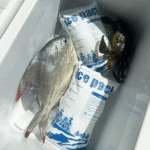
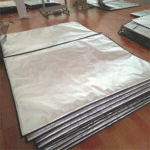
Utilice envases aislantes: Cajas de cartón aisladas con paquetes de cambio de fase mantienen la temperatura y la humedad durante el transporte. Las bolsas de plástico perforadas o los atomizadores retienen la humedad y permiten el flujo de aire..
Seleccione los refrigerantes adecuados: Materiales de cambio de fase (PCM) mantener bandas de temperatura estrechas durante más de paquetes de gel. Usar hielo seco para productos congelados y paquetes de gel o agua helada para productos refrigerados.
Controlar la exposición al etileno: Separe las verduras sensibles al etileno (como pepinos y pimientos) de frutas productoras de etileno (tomates y manzanas).
Cargue y manipule con cuidado.
Incluso flujo de aire: Apile los palés de manera uniforme y evite bloquear las rejillas de ventilación para garantizar una refrigeración constante.. El exceso de embalaje restringe el flujo de aire, causando puntos calientes que conducen al deterioro.
rotación FIFO: Utilice el método primero en entrar, primero en salir para que los productos más viejos se envíen primero y pasen menos tiempo en el sistema..
Minimizar las aperturas de puertas: Planifique la carga y descarga para reducir el número de aperturas de puertas.; cada apertura permite calentar, humid air to disrupt the cadena de frío.
Técnicas de carga adecuadas: Utilice palets y estanterías.; Coloque los artículos más livianos encima y los más pesados abajo para evitar aplastamientos y promover la circulación del aire..
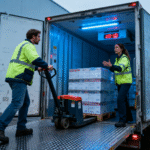
Capacitar al personal: Los conductores y trabajadores del almacén deben comprender los rangos de temperatura, Prácticas de manipulación y la importancia de actuar rápidamente cuando se producen desviaciones..
Monitorear continuamente
Instalar sensores y registradores de datos.: Utilice sensores habilitados para IoT, Etiquetas RFID y registradores de datos digitales para monitorear continuamente la temperatura y la humedad. Establezca alarmas ligeramente por debajo de los umbrales máximos para que se puedan tomar medidas correctivas antes de que la calidad se vea comprometida..
Alertas en tiempo real: Combine el rastreo por GPS con herramientas de monitoreo para recibir notificaciones inmediatas sobre retrasos en la ruta o picos de temperatura.. Este enfoque proactivo evita que los problemas menores se agraven..
Mantener el equipo: Inspeccionar y mantener periódicamente las unidades de refrigeración., Sellos y aislamiento para evitar fallas en el equipo.; Las averías inesperadas pueden comprometer la seguridad del producto y provocar pérdidas financieras..
Documentar todo: Mantenga registros detallados de los registros de temperatura., procedimientos de manipulación, documentación de mantenimiento y cumplimiento. La documentación precisa respalda la trazabilidad y demuestra el cumplimiento de la regla FSMA 204.
Planificación de contingencias
Sistemas de respaldo: Lleve unidades de refrigeración de repuesto o generadores portátiles para manejar fallas del equipo..
Rutas alternativas: Planifique rutas alternativas para evitar el tráfico., clima extremo o cierres de carreteras.
Contactos de emergencia: Mantenga una lista de proveedores de servicios (tecnicos de reparacion, proveedores, cuerpos reguladores) para acelerar la resolución del problema.
Best practices for cadena de frío biovegetables trucking
El transporte de productos frescos requiere una planificación y ejecución cuidadosas. Basado en pautas de la industria, Las siguientes prácticas son esenciales para mantener las verduras frescas desde la granja hasta la mesa.:
control de temperatura: Preenfriar los productos a las temperaturas recomendadas y utilizar camiones frigoríficos. (Reefers) que mantienen el rango de temperatura requerido. Monitoree continuamente la temperatura del remolque utilizando registradores de datos o sistemas remotos..
Embalaje adecuado: Elija envases ventilados para permitir el flujo de aire y materiales acolchados para evitar hematomas.. Utilice contenedores estandarizados para facilitar el apilamiento y reducir los daños..
Manejo suave: Capacitar al personal para manipular los productos agrícolas con cuidado.; Cargue los palés con cuidado utilizando palés elevados para mejorar el flujo de aire y evitar aplastamientos..
Higiene y saneamiento: Limpie y desinfecte el equipo de transporte antes de usarlo y realice inspecciones periódicas de plagas.. Garantizar que el personal siga estrictos protocolos de higiene personal..
Documentación y trazabilidad: Mantener registros detallados de los envíos., incluidos registros de temperatura y procedimientos de manipulación. Garantizar que los productos sean rastreables hasta su origen para respaldar las retiradas y el cumplimiento..
Despulpado y controles de calidad.: Utilice técnicas de pulpa para verificar las temperaturas internas y realizar inspecciones visuales para detectar deterioro durante el tránsito.. Establecer puntos de control para monitorear la calidad durante todo el proceso..
Planificación de contingencias: Mantenga unidades de refrigeración de respaldo y planifique rutas alternativas para emergencias..
Al aplicar estas prácticas, reduces la contracción, Mantener la calidad nutricional y mejorar la satisfacción del cliente..
Herramientas útiles para tomar decisiones
Comprueba los detalles antes de elegir el embalaje.
Estas herramientas rápidas pueden ayudarle a comparar el riesgo de la ruta, necesidades de dimensionamiento, opciones de refrigerante, y detalles del embalaje antes de solicitar una cotización.
Revestimiento de caja & Dimensionamiento de la cubierta de paleta
Lógica de tamaño de revestimiento de cajas y cubiertas de paletas para proyectos de embalaje aislado.
Estimar el tamañoGenerador de listas de verificación de cumplimiento
Cree una lista de verificación práctica para la revisión del embalaje, envío, y documentación.
Crear lista de verificaciónCalculadora de hielo seco
Calcule las necesidades de hielo seco para envíos congelados o ultrafríos antes de empacar.
Estimar hielo secoTechnologies transforming cadena de frío logistics in 2025
The cadena de frío sector is being reshaped by digital tools that increase visibility and efficiency. Estas son las tecnologías que debes tener en cuenta:
Automatización y robótica.
La automatización del almacén y los sistemas de manipulación robótica reducen el error humano y aceleran la carga. Acerca de 80 % de los almacenes siguen sin estar automatizados, dejando un importante potencial de crecimiento. La automatización ayuda a mantener temperaturas constantes al controlar el flujo de aire y reducir las aperturas de puertas..
Sensores IoT y monitoreo en tiempo real
Los dispositivos IoT rastrean la temperatura, humedad, vibración y ubicación. La tecnología de gemelos digitales combinada con sensores de IoT permite el seguimiento en tiempo real, Mantenimiento predictivo y ajuste dinámico de los parámetros de refrigeración.. Los sensores sin batería transmiten datos continuamente, mientras que los paneles agregan información para facilitar la auditoría.
Inteligencia artificial y análisis predictivo
Los algoritmos de IA pronostican variaciones de temperatura y ajustan los puntos de ajuste de refrigeración. Los sistemas de aprendizaje automático optimizan los patrones y rutas de carga de camiones, Reducir el consumo de combustible y garantizar que los productos permanezcan dentro de zonas seguras.. El análisis predictivo también anticipa fallas en los equipos, permitiendo el mantenimiento proactivo.
Gemelos digitales y almacenamiento en frío inteligente
Un gemelo digital crea un modelo virtual de tu instalación de almacenamiento en frío. Los sensores introducen datos en el modelo., permitiendo simulaciones y ajustes predictivos. Los gemelos digitales combinados con sensores de IoT reducen los costos operativos y mejoran la calidad de los productos. Innovaciones como las unidades móviles de almacenamiento en frío alimentadas por energía solar ofrecen refrigeración fuera de la red para los pequeños agricultores.
Visibilidad de extremo a extremo y blockchain
Blockchain y bases de datos seguras registran la temperatura y manejan eventos desde el campo hasta el mercado. Digitised cadena de frío networks use IoT sensors and blockchain to provide traceability, Facilitar el cumplimiento de la FSMA y reducir el desperdicio..
Iniciativas de sostenibilidad
Las preocupaciones y regulaciones ambientales llevan la sostenibilidad a la vanguardia. El paso a 15 La iniciativa °C propone aumentar la temperatura del congelador de –18 °C a –15 °C, potencialmente ahorrando 25 TWh de energía y reducción 17.7 millones de t de CO₂ al año. Las cámaras frigoríficas modernas integran energías renovables, compresores de velocidad variable y refrigerantes naturales como amoníaco y CO₂. Embalaje sostenible — incluyendo materiales de cambio de fase, Paneles aislados al vacío y bioplásticos: reducen el impacto medioambiental.. Los consumidores esperan cada vez más que las empresas adopten contenedores reutilizables y prácticas de economía circular.; 79 % de los consumidores cambian sus preferencias de compra basándose en la responsabilidad social.
Regulaciones y cumplimiento para 2025
Regulatory frameworks ensure that cadena de frío operations protect public health and traceability. Los requisitos clave incluyen:
Regla FSMA 204 (A NOSOTROS.): Requiere empresas que manipulen alimentos de alto riesgo (como verduras de hojas verdes) para mantener elementos de datos clave para cada evento de seguimiento crítico. La información debe estar disponible para la FDA dentro de 24 horas. La fecha de cumplimiento se fijó inicialmente para enero 20 2026, pero la FDA propuso una extensión de 30 meses hasta julio 20 2028.
Codex Alimentarius y normas ISO: Los Principios Generales de Higiene de los Alimentos del Codex y el Código de Prácticas de Higiene para Alimentos Envasados Refrigerados proporcionan directrices para el procesamiento., embalaje y distribucion. ISO 17648 y estándares relacionados ofrecen marcos para prácticas de almacenamiento en frío.
Producir reglas de seguridad.: Los EE. UU.. La FDA exige que las verduras de hojas verdes cortadas se almacenen a una temperatura igual o inferior 5 °C (41 °F). Los refrigeradores deben mantenerse entre 0 y 4 °C y los congeladores a –18 °C o menos..
Trazabilidad: La Ley General de Alimentos de la UE y la Norma Final de la FSMA enfatizan la documentación digital de las variaciones de temperatura, cambios de ubicación y manejo de eventos. Mantener registros detallados respalda las auditorías y reduce la responsabilidad.
El cumplimiento de estos estándares genera confianza con los reguladores y los clientes.. Invertir temprano en sistemas de trazabilidad digital puede agilizar las auditorías y reducir los dolores de cabeza más adelante.
Sostenibilidad y eficiencia energética
Más allá del control de la temperatura, modern cadena de fríos must address environmental impact. Here’s how sustainability shapes cadena de frío trucking in 2025:
Convidar a 15 Iniciativa °C: Aumentar la temperatura del congelador de –18 °C a –15 °C podría ahorrar energía y reducir las emisiones de CO₂. Las empresas deben evaluar el impacto en la calidad del producto y la aceptación regulatoria..
Integración de energías renovables: Paneles solares, turbinas eólicas y microrredes alimentan sistemas de refrigeración, Reducir los costos de energía y la huella de carbono..
Embalaje sostenible: Materiales de cambio de fase, paneles aislados al vacío, Las espumas y los bioplásticos reciclados mantienen la temperatura y reducen los residuos.. Los diseños de cajas modulares minimizan el espacio vacío y favorecen la reutilización.
Economía circular: Embalaje reutilizable y el reciclaje interno mantienen los materiales en uso por más tiempo. Con 79 % de los consumidores que priorizan la sostenibilidad, invertir en prácticas circulares mejora la percepción de la marca.
Logística verde: Los vehículos eléctricos y las rutas eficientes en el consumo de combustible reducen las emisiones. Modernas instalaciones añaden generadores de respaldo, aislamiento mejorado y microrredes para mejorar la resiliencia.
Perspectivas del mercado y 2025 tendencias para el transporte de bioverduras
Several factors influence the cadena de frío vegetable market in 2025:
Rápido crecimiento del mercado: MarketsandMarkets projects the global cadena de frío market to rise from USD 228.3 mil millones en 2024 a USD 372 mil millones por 2029, una CAGR de 10.3 %. Astute Analytica forecasts that the cadena de frío logistics market will reach USD 1,455.8 mil millones por 2033.
Auge del comercio electrónico: A mediados de 2025, 81 millones de EE.UU.. los hogares comprarán alimentos en línea, arriba de 138.3 Millones de estadounidenses compran en línea en 2024. Las ventas online de comestibles alcanzaron los USD 12.5 mil millones en septiembre 2025, un dólar 3 aumento de mil millones respecto a septiembre 2024. Quick commerce and hyperlocal delivery drive demand for localized cadena de fríos.
Ampliación de infraestructura: A NOSOTROS. Proyectos de almacenamiento en frío añadidos. 1.1 millones de pies cuadrados en 2024 y otro 2.2 Se esperan millones de pies cuadrados en 2025. Las tasas de vacantes siguen siendo bajas, con solo 0.8 % vacante en chicago. India aumentó su capacidad de almacenamiento en frío desde 39.42 millones de 39.6 millones de toneladas entre enero y agosto 2024.
Adopción tecnológica: Automatización, IoT, La IA y la cadena de bloques impulsan la eficiencia y la transparencia. La visibilidad de extremo a extremo mejora la satisfacción y el cumplimiento del cliente.
Crecimiento farmacéutico: El cadena de frío farmacéutica Se espera que el mercado alcance los USD. 1,454 mil millones por 2029. Increased biologics and cellbased therapies demand precise cadena de frío management.
These trends highlight the need for robust and agile cadena de frío systems to handle rising volumes, regulaciones más estrictas y presiones de sostenibilidad.
Preguntas frecuentes
Q1: ¿Qué pasa si los bioverduras se almacenan por debajo de la temperatura recomendada??
Almacenar verduras por debajo de la temperatura óptima puede provocar daños por frío. Las verduras tropicales como los tomates y los pepinos desarrollan picaduras y pierden sabor debajo. 10 °C, mientras que las batatas sufren mal sabor cuando se almacenan debajo 10 °C. Mantenga siempre los productos dentro de los rangos recomendados para evitar la pérdida de calidad..
Q2: ¿Por qué es importante la humedad durante el transporte??
La alta humedad relativa retarda la pérdida de humedad y previene el marchitamiento. Las verduras de hojas verdes requieren entre 95 y 100 % RH; demasiado bajo y se deshidratan, demasiado alto y la condensación produce moho. Utilice envases ventilados y atomizadores para mantener la humedad..
Q3: ¿Se pueden transportar diferentes verduras juntas??
Sólo si comparten sensibilidades similares a la temperatura y al etileno.. Mantenga las verduras de hojas verdes y los pepinos alejados de los tomates o las manzanas porque estas frutas emiten etileno y aceleran la maduración.. Agrupe los productos por categoría de temperatura para evitar el enfriamiento o la deshidratación..
Q4: How can I tell if my cadena de frío is failing during trucking?
Las señales de advertencia incluyen lecturas de temperatura fluctuantes, condensación en el embalaje, acumulación de hielo, marchitez, arrugamiento o tasas de deterioro más altas. El monitoreo continuo con sensores de IoT ayuda a detectar problemas tempranamente.
Q5: ¿Los contenedores reutilizables realmente ahorran dinero??
Sí. Los contenedores reutilizables reducen los costos de embalaje de un solo uso y el impacto ambiental. También apoyan la trazabilidad y la eficiencia logística.. Aunque la inversión inicial es mayor, Los ahorros a largo plazo y los beneficios de sostenibilidad son significativos..
Q6: What are the four R’s of cadena de frío logistics?
Las cuatro R significan Temperatura adecuada, lugar correcto, Momento adecuado y documentación adecuada. Hacen hincapié en mantener rangos de temperatura específicos, entregar mercancías a la ubicación correcta, realizar entregas oportunas y mantener registros precisos para el cumplimiento.
P7: ¿Qué tamaño tiene el mercado de la logística de la cadena de frío??
Fortune Business Insights estimates that the global cadena de frío logistics market was worth Dólar estadounidense 293.58 mil millones en 2023 y podría crecer a USD 862.33 mil millones por 2032. Los analistas esperan un crecimiento de dos dígitos durante la próxima década debido a la creciente demanda de productos sensibles a la temperatura..
P8: What are the main temperature classes for cadena de frío logistics?
Temperatura ambiente controlada (15–25°C) para algunos medicamentos; Refrigerado (2–8 ° C) para vacunas, lácteos y productos frescos; Congelado (alrededor de -20°C) para alimentos congelados; y ultrafrío (–70 °C y menos) para ciertos productos biológicos.
Resumen & recomendaciones
Control de llave: Mantener frescos los bioverduras durante el transporte requiere un enfoque holístico que combine un preenfriamiento rápido, embalaje adecuado, carga cuidadosa, seguimiento y cumplimiento continuos. Siga los rangos de temperatura y humedad recomendados., especialmente 0–2 °C y 95–100 % HR para verduras de hojas verdes, 0–2°C y 90–95 % HR para cultivos de raíces, 3–4°C y 85–90 % HR para patatas, y 12-15 °C para los tomates. Preenfriamiento rápido, flujo de aire controlado, Los sensores de IoT y la capacitación del personal mantienen la integridad. Prácticas sostenibles como la energía renovable, Los envases reutilizables y el aumento de la temperatura del congelador a –15 °C mejoran la eficiencia y reducen la huella de carbono.. Regulaciones como la regla FSMA 204 requieren una trazabilidad detallada por 2028, así que comience a implementar sistemas digitales ahora.
Próximos pasos viables:
Evalúe su sistema: Utilice la lista de verificación anterior para evaluar el preenfriamiento, embalaje, cargando, seguimiento y documentación. Identificar brechas y priorizar mejoras.
Invertir en tecnología: Comience con registradores de datos y sensores de IoT; integrarlos con herramientas de optimización de rutas y mantenimiento predictivo para evitar excursiones.
Actualizar el embalaje y la refrigeración: Considere materiales de cambio de fase, paneles aislados al vacío y contenedores reutilizables. Actualice a compresores energéticamente eficientes y refrigerantes naturales.
Entrena a tu equipo: Provide regular training on cadena de frío best practices, seguridad alimentaria y trazabilidad. Capacite a los conductores para que tomen acciones correctivas cuando los sensores les alerten sobre problemas.
Plan de cumplimiento: Asigne sus procesos a la regla FSMA 204 requisitos. Adopte el mantenimiento de registros digitales e implemente soluciones de trazabilidad para cumplir con las auditorías y los plazos regulatorios..
Participar en programas de sostenibilidad: Participa en iniciativas como Move to 15 °C e invierte en energía renovable para tus instalaciones para reducir costes y mejorar la percepción de marca.
Acerca de Tempk
Tempk es especialista en alto rendimiento embalaje de cadena de frío y soluciones de monitoreo para bioverduras y otros productos sensibles a la temperatura. Nuestra cartera incluye cajas aisladas, paneles aislados al vacío, Paquetes de cambio de fase y sistemas de monitoreo de IoT. que garantizan temperaturas constantes a lo largo de largas distancias. Nos enfocamos en Materiales sostenibles y diseños reutilizables., Reducir el desperdicio sin comprometer el rendimiento.. Con riguroso control de calidad y experiencia regulatoria., Ayudamos a los clientes a cumplir con los requisitos de FSMA., Las normas del Codex y las expectativas de los consumidores modernos.
Siguiente paso: Listo para optimizar su cadena de frío? Póngase en contacto con los expertos de Tempk para diseñar una solución personalizada para su transporte de bioverduras. Le ayudaremos a construir un confiable, Sistema sostenible y compatible que mantiene sus productos frescos y a los clientes satisfechos..