Empresas de tecnología de alimentos preparados con cadena de frío: ¿cómo protegen sus kits de comida? 2026?
When you receive a perfectly chilled meal kit or ready to eat entrée, you rarely think about the complex technology and logistics that kept it safe and delicious. Cold chain prepared food technology companies orchestrate temperature controlled storage, intelligent monitoring and innovative packaging so that your food never enters the zona de peligro donde las bacterias se multiplican rápidamente. The global prepared meals market is expected to grow from US$190.71 billion in 2025 to US$291.27 billion by 2032, while the meal kit delivery sector alone is projected to expand from US$20.6 billion in 2025 to US$50.3 billion by 2032. This booming demand makes it critical for companies to adopt technologies such as Modified Atmosphere Packaging (MAPA), Procesamiento de alta presión (central hidroeléctrica), AI driven monitoring and sustainable insulation to deliver safe, nutritious and convenient meals. In this article you will learn what differentiates the leaders in cold chain prepared food technology and how these innovations can benefit tú as a consumer or operator.
Este artículo responderá:
¿Por qué es fundamental el control de la temperatura?? A look at the two stage cooling process and safe storage ranges for various prepared foods.
How big is the prepared meal and meal kit market in 2026? We explore the latest market forecasts and what they mean for growth opportunities.
Who are the leading cold chain logistics and meal service brands? A comparison of key players and their unique strengths.
Which technologies extend shelf life? An explanation of MAP and HPP and why these processes are game changers.
¿Qué tendencias están tomando forma? 2026? Insights into AI adoption, trazabilidad, automatización y sostenibilidad.
¿Cómo elegir el socio adecuado?? Practical tips to evaluate providers, handle deliveries and reduce waste.
Understanding Cold Chain Basics – Why Temperature Matters
Maintaining food safety starts with controlling time and temperature. Después de cocinar, food must be cooled rapidly through the zona de peligro (40–140 °F / 4–60°C) Para prevenir el crecimiento bacteriano. The Food Code’s two stage cooling process requires cooling from 135 °F a 70 °F (57 °C a 21 °C) dentro de dos horas, then from 70 °F a 41 °F (21 °C a 5 °C) dentro de cuatro horas. If these targets aren’t met, food must be reheated to 165 °F para 15 seconds and cooled again. Using shallow pans, blast chillers and ice baths speeds heat transfer, while leaving hot food in a refrigerator can warm neighbouring items and invite contamination.
Safe temperature ranges for common prepared foods
| categoría de alimentos | Ideal storage temperature | Typical shelf life | Por que importa |
| Dairy based sauces & proteínas | 4 °C (39 °F) | 3–4 días | Keeps emulsions stable and slows microbial growth. |
| Verdes de hoja & ensaladas | 0–2 ºC (32–36 °F) | 5–7 días | Cold temperatures maintain crispness and vitamin content. |
| Cooked grains & pastas | ≤4°C (≤39 °F) | 4–6 días | Reduces chance of Bacillus cereus and Listeria growth. |
| Entradas congeladas & salsas | ≥ –18 °C (≤0 °F) | 4–12 meses | Freezing halts bacterial growth and preserves texture. |
Consejo: Always check the temperature of meal kits on arrival and refrigerate promptly; real time sensors have reduced spoilage by 35 % in pilot programs.
Inside the cold chain ecosystem
A cadena de frio is a temperature controlled supply network that extends from preparation to your door. It involves cook–chill processes, abatidores, almacenamiento refrigerado, refrigerated transport and final delivery. Digital data loggers and IoT sensors monitor temperatures at every step, triggering alerts when excursions occur. Leading providers maintain FDA compliant facilities, integrated warehousing and transportation networks. With rising demand for convenience foods and longer shelf life, these systems must adapt quickly to market growth and stricter regulations.
Crecimiento del mercado: Prepared Meals and Meal Kits Surge to 2032
The prepared meals market is booming as consumers seek convenient, nutritious options that fit hectic lifestyles. Market research forecasts that global prepared meals revenue will rise from US$190.71 billion in 2025 to US$291.27 billion by 2032, a 6.24 % Tocón. Frozen meals dominate with a 42.6 % market share and supermarkets hold 54.8 % of distribution. Europa representa aproximadamente 33.65 % of prepared meal sales in 2024, while Asia Pacific is projected to grow over 7 % anualmente.
Mientras tanto, the meal kit delivery service market is expanding even faster. Persistence Market Research reports that the sector will grow from US$20.6 billion in 2025 to US$50.3 billion by 2032, logrando un 13.6 % Tocón. Consumers are drawn to healthy, customizable meal kits; the share of cook and eat kits se estima en 68 % en 2025 y non vegetarian kits explicar 72.4 %. América del Norte mantiene 32.6 % del mercado en 2025, while Asia Pacific reaches 25.4 %. Subscription models dominate, proyectado para alcanzar 72.6 % compartir, but companies are also offering one time purchase options to entice occasional users. Notablemente, HelloFresh expanded its premium offerings and Blue Apron launched a vegan line in late 2023, signalling an industry shift toward diverse, high quality options. A 2024 IFIC survey found 63 % de EE.UU.. consumers actively seek healthier alternatives and avoid processed foods.
In the adjacent monitoreo de la cadena de frio segmento, Global Market Insights projects the market will expand from 7.200 millones de dólares en 2025 to US$22.2 billion by 2035, creciente 12.1 % anualmente. Real time sensors and cloud platforms ensure compliance as the volume of perishables and biologics increases. Companies like Emerson, Honeywell and Descartes lead with integrated monitoring solutions.
Leading Cold Chain Logistics & Meal-Service Companies
Major cold chain logistics providers
| Compañía | Unique strengths | Como te beneficia |
| Logistica Buske | Family owned 3PL with FDA compliant cold storage and distribution network. | Offers flexible warehousing and personalised service for small batch operators. |
| Logística de linaje | One of the world’s largest cold storage networks; invests heavily in automation and energy efficiency. | Ensures large scale capacity and advanced tracking for high volume brands. |
| americold | Integrated storage and transportation with end to end visibility and data analytics. | Delivers consistent temperatures during long haul shipments, Reducir el deterioro. |
| Cadena de suministro de DHL | Global reach with specialised life sciences and food logistics; uses IoT sensors for real time tracking. | Guarantees international compliance for cross border shipments. |
| Logística XPO | Utilises advanced route optimisation and energy efficient reefer fleets. | Saves fuel and shortens delivery times, improving freshness on arrival. |
| Kuehne + Nagel | Strong presence in Europe and Asia; invests in digital twin and blockchain traceability. | Provides secure data sharing and transparency across complex supply chains. |
| Logística Penske | Comprehensive transportation management and labour solutions. | Supports scaling operations and ensures compliance with changing regulations. |
Notable prepared meal & meal kit brands
| Marca | Niche & tecnología | What’s in it for you |
| Factor | Dietitian designed keto, paleo and high protein meals; uses flash freezing for freshness. | Offers targeted nutrition with extended shelf life. |
| Fresco y magro | Organic, non GMO ingredients; vacuum sealed packaging; nationwide shipping. | Provides clean eating options and compostable insulation for eco minded consumers. |
| Engullir | Ready to cook kits that require 15 minutos; flash frozen ingredients for safety. | Ideal for busy schedules—minimal prep with restaurant quality results. |
| Cosecha diaria | Plant based smoothies, bowls and soups; uses dry ice and recyclable paper packaging. | Supports vegan lifestyles with minimal packaging waste. |
| Unidad de cocina | Chef crafted meals delivered from local kitchens; invests in reusable packaging. | Enjoy chef menus with reduced carbon footprint and no single use plastics. |
| vida sakara | Organic, gluten free, plant forward meals delivered nationwide. | Tailored to wellness seekers; emphasises nutrient density and variety. |
| Recién | Single serve ready meals with no artificial ingredients; uses vacuum sealing and MAP technologies. | Good for individuals seeking quick, wholesome entrées. |
| Espléndida Cuchara | Blended soups and smoothies; shelf stable packaging that requires no refrigeration until opened. | Convenient for travellers or offices with limited refrigeration. |
| Comidas de procedencia | Holistic nutrition with locally sourced ingredients; offers cleanse programs. | Focuses on functional foods and digestive health. |
Choosing partners: Al evaluar proveedores, match services to your dietary needs, ask about food safety compliance, check for flexible delivery and packaging options, and avoid one size fits all solutions.
Technology Spotlight: MAP and HPP Extend Shelf Life
Envasado en atmósfera modificada (MAPA)
MAP replaces the oxygen inside a package with a mix of nitrogen and carbon dioxide to slow microbial growth and oxidation. Precision Meal Prep reports that properly sealed MAP containers keep meals fresh for 7–10 días in the refrigerator compared with 3–4 days for standard packaging. Reduced oxygen eliminates the environment that most bacteria need, while carbon dioxide inhibits fungal spores. Consumers benefit from longer shelf life, improved taste and nutrient retention.
The MAP market is growing quickly: global revenue is forecasted to expand from US$23.65 billion in 2026 to US$42.03 billion by 2035, a 6.6 % Tocón. Adoption is driven by consumer demand for longer lasting fresh foods and by stricter food safety regulations. Sin embargo, MAP can mask spoilage cues; combining it with temperature control and pH adjustments creates a hurdle technology that enhances safety.
Procesamiento de alta presión (central hidroeléctrica)
HPP is a non thermal pasteurisation technique that subjects packaged foods to pressures up to 87,000 psi (6,000 bar) at chilled temperatures to inactivate pathogens while preserving quality. The process compresses flexible packages in a water chamber for 2–5 minutes and is approved by the FDA and USDA for ready to eat meats, salsas, juices and prepared meals. HPP retains vitamins, colours and flavours better than heat pasteurisation, producing products with natural texture and extended shelf life.
When to use which? MAP is ideal for short term fresh meals (7–10 días) and is cost effective for small producers, while HPP suits high acid soups, sauces and ready to eat entrées requiring longer shelf life (arriba a 120 días). Both technologies require flexible packaging materials like PET, PE or PP to withstand compression.
Transformación Digital: AI, Trazabilidad & Monitoreo inteligente
AI becomes the brain of food factories
Por 2026, artificial intelligence moves from experimental pilots to the core of food manufacturing. Industry experts note that AI will become a central component of operational efficiency, quality and product development. Engineering firm Black & Veatch expects AI to coordinate production, packaging and quality control, acting as a decision layer that keeps automated systems aligned with safety standards. Regulators increasingly treat AI decisions about scheduling and supplier risk like food safety decisions, haciendo compliance with AI regulations essential. Leading manufacturers embed predictive maintenance, AI assisted quality checks and dynamic labour scheduling into existing digital workflows.
Radical transparency and traceability
Consumers want to know what’s in their food and where it came from. Experts warn that failing to track products end to end undermines safety and trust. Regulations such as the FSMA 204 Regla de trazabilidad, despite compliance being delayed from January 20 2026 a Julio 2028, are accelerating investments in digital traceability systems. Analysts project that the food traceability market will triple in value by 2034, fuelled by QR codes and IoT sensors. Leading plants implement standardised key data elements from farm to fork, capture cooling and receiving events in real time and use QR codes to unlock sourcing stories.
Sustainability mandates tighten
Sustainability isn’t a buzzword – it’s showing up as phase outs of PFAS in packaging, polystyrene bans and extended producer responsibility laws. Negro & Veatch stresses that companies building future readiness focus on operational efficiency rather than dramatic net zero announcements. They design with future rules in mind: selecting materials that meet tomorrow’s plastic bans and installing infrastructure that can integrate renewable refrigerants. Predictive, data driven planning turns sustainability targets into daily operational decisions.
Next generation automation & OT security
The old automation playbook was about speed; 2026 asks how fast can you pivot? Negro & Veatch argues that future leaders excel by reconfiguring production lines quickly rather than running a single product fastest. Generative AI and intelligent automation will transform the plant floor, planning and reporting. Sin embargo, robotics and connected equipment expose proprietary data; protecting core formulas and uptime elevates OT cybersecurity to a C suite priority. Forward looking companies start with connectivity and data, then layer robotics and AI, target high variability pain points, and build security into every automation project.
Building resilience amid geopolitical shocks
Tarifas, conflicts and climate events are making supply chains volatile. A recent study described the latest U.S. tariff hikes as the largest since the 1930s, sending shockwaves through global supply chains. Negro & Veatch urges companies to treat resilience as a design principle, combinando tecnología, transparency and regional agility to keep product flowing when conditions change. Mapping single points of failure, multi sourcing high risk inputs and using predictive tools to run what if scenarios ensures prepared food supply chains can withstand disruptions.
Cold storage transformation
Cold Summit’s 2026 outlook highlights five trends reshaping cold storage facilities:
Revolución de la automatización: Post pandemic e grocery growth is driving adoption of robots móviles autónomos (AMR), almacenamiento automatizado & sistemas de recuperación (COMO/RS), Gestión de inventario impulsada por IA y recolección robótica. Amazonas, Por ejemplo, has deployed 750,000 vehículos guiados automatizados en sus instalaciones.
Microcentros logísticos: With online grocery projected to command 21.5 % del total de EE.UU.. ventas de comestibles por 2025, cold storage designs are shifting toward menor, strategically located facilities con zonas de temperatura múltiple y click and collect capabilities to shorten last mile lead times.
Ampliación de la capacidad de infraestructura: Los EE. UU.. is expected to need un adicional 1 mil millones de pies cuadrados de espacio de almacén por 2025, translating to about 50,000 nuevos almacenes. Cold storage footprints are growing beyond 100,000 square meters on average, with expansion into underserved markets.
Eficiencia energética y sostenibilidad: Rising energy costs and regulations are pushing facilities to adopt advanced insulation that reduces energy consumption by 20–30 %, Refrigerantes naturales, solar integration y sistemas inteligentes de gestión de edificios. Automated systems reduce door movements, preventing heat gain and lowering refrigeration load.
Integración tecnológica: IoT, AI and analytics combine to create mantenimiento predictivo, monitoreo de temperatura en tiempo real, dynamic routing y visibilidad de extremo a extremo. This shift supports proactive maintenance and ensures compliance across increasingly complex facilities.
Monitoreo de la cadena de frío & sensores de iot
The cold chain monitoring market underscores how digital transformation is maturing. Sensors and cloud platforms enable real time temperature compliance and audit ready records across transportation and storage. UPS Healthcare’s recent expansion added GDP compliant cold storage hubs and smart reefer fleets with continuous temperature monitoring, cellular IoT trackers and AI based excursion alerts. En América del Norte, robust logistics infrastructure, strict regulatory frameworks (FSMA, PIB, HACCP) and widespread telematics adoption accelerate deployment of monitoring systems. A nivel mundial, e commerce and same day deliveries are increasing demand for compact sensors and box level trackers to safeguard freshness during last mile shipments.
Sostenibilidad & Innovaciones en embalaje
Reducing packaging waste
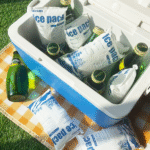
Meal kit companies have been criticized for generating more packaging per meal than grocery shopping. A typical kit weighs about 20 libras, of which roughly 35 % is food, 45 % refrigerante (gel packs or ice) y 20 % embalaje. Con 120 million meal kit shipments delivered in the U.S. en 2020, this equated to 1.5 billion pounds of packaging and coolant para 840 million pounds of food. TemperPack’s ClimaCell® thermal liners, made from paper and compostable materials, are used by leading meal kit brands to reduce reliance on petroleum based foams.
Meal kits can still offer environmental benefits. By providing pre portioned ingredients, they help reduce household food waste; HelloFresh estimated it cut waste by 66 % compared with grocery shopping. A University of Michigan study found that meal kits produce 33 % lower carbon emissions than grocery store meals when considering food waste and transportation efficiency. Many brands are switching to recycled cardboard, plant based insulation and reusable gel packs to further cut environmental impact.
Energy and refrigerant innovations
Sustainability goals extend beyond packaging. Cold storage facilities adopt Refrigerantes naturales (p.ej., Co₂, amoníaco) to replace high global warming potential (GWP) HFC. Advanced insulation materials reduce energy consumption by 20–30 %, and solar arrays provide renewable power. Electric refrigerated vehicles and hybrid reefers are gaining popularity as regulations target diesel emissions. Companies like HelloFresh and Fresh N Lean use compostable insulation and recyclable paper to appeal to eco conscious customers.
Upcycling and circular design
Emerging packaging solutions utilise agricultural by products (bagazo, micelio de hongo), seaweed based films and fully recyclable mono materials. Some meal kit providers offer return to recycle programs or reuse insulated liners, creating a circular supply chain. These initiatives align with regulatory pressure to phase out PFAS and polystyrene, helping companies meet upcoming extended producer responsibility requirements.
Consejos prácticos: Elección & Handling Prepared Meal Services
Para los consumidores
Inspect deliveries: Use an instant read thermometer to confirm that chilled meals arrive at or below 41 °F (5 °C). If food is above this temperature, contact the provider immediately.
Almacenar con prontitud: Refrigerate or freeze meals as soon as they arrive. Keep dairy based sauces and proteins around 4 °C (39 °F) and leafy greens near 0 °C (32 °F).
Comprender la vida útil: Check labels for “use by” dates. Meals packaged with MAP can last 7–10 días, while flash frozen entrées may keep for months.
Reducir el desperdicio: Order only what you need and compost packaging where possible. Many companies now offer compostable insulation and recyclable boxes.
For operators and food businesses
Match providers to your needs: Choose logistics partners with appropriate storage capacity, geographic coverage and compliance (p.ej., BPF, HACCP, ISO). Ask about real time monitoring and FSMA 204 traceability capabilities.
Invierta en sensores inteligentes: Deploy IoT devices and data analytics to detect temperature excursions early and proactively schedule maintenance.
Adopt MAP or HPP: Evaluate whether your product requires extended refrigerated shelf life (MAPA) or longer ambient shelf life (central hidroeléctrica). Ensure packaging materials are flexible and compatible.
Plan para FSMA 204: Even though compliance has been delayed to July 20 2028, start implementing digital traceability systems now. Capture elementos de datos clave, maintain human in the loop audit trails and ensure suppliers are ready.
Diseño para la sostenibilidad: Select materials free of PFAS, invest in energy efficient refrigeration and electrified fleets, and design packaging to be recyclable or compostable.
2026 Tendencias y perspectivas de futuro
The cold chain and prepared food sectors are poised for significant evolution by 2026. Summarising the research and expert forecasts:
AI adoption accelerates – AI moves from pilots to the central nervous system of food plants, coordinating production, quality and scheduling. Food companies must establish governance frameworks and maintain human oversight to build trust.
La trazabilidad digital se vuelve obligatoria – FSMA 204 compliance may not be enforced until July 2028, but real time traceability and QR enabled transparency will become table stakes. Food traceability markets are projected to triplicar por 2034.
Sustainability and circular packaging – PFAS bans and EPR laws push manufacturers to adopt recyclable or compostable materials. Energy efficient cold storage with natural refrigerants and renewable power becomes mainstream.
Automation focuses on agility and cybersecurity – Robotics, AMRs and generative AI must support rapid changeovers; OT security is elevated to a strategic priority.
Planificación de resiliencia – Geopolitical shocks demand regional agility, multi sourcing and predictive scenario planning.
Micro fulfillment and last mile innovations – Smaller urban cold storage facilities and integrated click and collect solutions will meet rising e grocery demand. Last mile monitoring devices will proliferate to safeguard freshness.
Embalaje inteligente & sensores – Expect broader use of time–temperature indicators, intelligent labels and blockchain‐enabled authentication to enhance consumer confidence and reduce counterfeiting.
Health centric meal design – With 63 % de EE.UU.. consumers favouring healthier meals, brands will launch more diet specific, allergen friendly and functional food lines. MAP and HPP technologies will support clean label formulations without preservatives.
Preguntas frecuentes (Preguntas frecuentes)
- How do I know if my meal kit stayed within safe temperatures during delivery?Use a food grade thermometer to check that items arrive at or below 41 °F (5 °C). If food is above this temperature or packaging is damaged, contact the supplier for replacement.
- Do meal kits lose nutrients when frozen or vacuum sealed?Freezing and vacuum sealing help retain nutrients and flavour by preventing oxidation. Technologies like MAP further minimise nutrient loss and keep meals fresh for 7–10 días.
- Why are there so many layers of packaging in my box?A typical meal kit contains 35 % alimento, 45 % coolant and 20 % embalajeto maintain safe temperatures during shipping. Many companies are switching to recyclable insulation and reusable gel packs to reduce waste.
- Is it safe to refreeze thawed meals?If a meal partially thaws but remains below 41 °F, you can refreeze it without significant quality loss. Sin embargo, repeated freeze–thaw cycles may degrade texture. En duda, follow manufacturer guidance.
- What’s the difference between MAP and HPP?MAP replaces oxygen with nitrogen and carbon dioxide to slow spoilage, extending refrigerated shelf life by 7–10 días. HPP uses high pressure (arriba a 87,000 psi) to kill pathogens without heat, enabling longer shelf life (arriba a 120 díaspara algunos productos).
Resumen y recomendaciones
The demand for convenient, nutritious prepared foods continues to surge, with the global prepared meals market approaching US$291 billion por 2032 and meal kit deliveries expected to more than double by 2032. Cold chain prepared food technology companies must ensure safe temperatures, adopt MAP and HPP for shelf life extension, invest in AI driven monitoring and traceability, and innovate packaging to reduce environmental impact. Sustainability mandates are tightening, and regulations like FSMA 204, even with enforcement delayed to Julio 20 2028, necessitate proactive compliance. Consumers should look for brands that offer transparency, real time temperature monitoring and eco friendly packaging. Operators should embrace smart sensors, digital traceability and resilient supply chain design to stay competitive and protect brand reputation.
Próximos pasos viables
Consumidores: When ordering meal kits or prepared meals, verify that providers offer temperature monitoring and sustainable packaging. Check arrival temperatures and store meals promptly.
Food businesses: Realizar una auditoría tecnológica.. Identify where AI, IoT sensors and traceability platforms can reduce spoilage and improve compliance. Start implementing digital traceability ahead of FSMA 204 enforcement.
Proveedores de logística: Invertir en instalaciones energéticamente eficientes, electrified reefer fleets and advanced insulation. Use predictive analytics for route optimisation and equipment maintenance.
Product developers: Consider MAP or HPP to reduce preservatives and deliver clean label products. Design packaging with compostable or recyclable materials to meet growing sustainability demands.
Policy makers & inversores: Support incentives for cold chain infrastructure expansion and research into sustainable materials. Encourage collaboration across industry to share best practices.
Acerca de Tempk
Tempk is a cold chain technology company dedicated to preserving food quality and safety. Nosotros design integrated solutions that combine data driven temperature monitoring, advanced insulation and sustainable packaging. Our IoT devices and analytics platforms help clients meet FSMA and GDP requirements, reduce spoilage and optimise logistics. With a network of partners across transportation, warehousing and meal service brands, Tempk empowers businesses to deliver fresh meals with confidence.
Listo para actualizar su cadena fría? Contact Tempk for a customised assessment and discover how our smart monitoring solutions can protect your products and enhance customer satisfaction.