Requisitos de la cadena de frío para la manipulación de mariscos frescos?
Fresh seafood is fragile. Cuando cold chain requirements for handling fresh seafood slip, quality drops fast and risk rises. A single temperature failure can cut value by arriba a 30%, and better routines can reduce spoilage 15–30%. Use this guide as a practical baseline, and always follow local rules. Hecho bien, cold chain requirements for handling fresh seafood keep products cold, limpio, and traceable from dock to door.
Cold chain requirements for handling fresh seafood: what you’ll learn
-
What “cold enough” really means para fresh seafood cold holding temperature 41°F (5°C) and near-melting-ice handling
-
How to pass receiving every time entonces cold chain requirements for handling fresh seafood don’t fail at the door
-
How to control histamine risk con practica histamine control time temperature seafood normas
-
How to keep shellfish records simple con molluscan shellfish tag retention 90 días hábitos
-
How to prevent disputes and shrink usando seafood transport temperature monitoring logs
Cold chain requirements for handling fresh seafood: What temperature targets work?
Respuesta directa: Cold chain requirements for handling fresh seafood work best when you set one clear “operating target” and one hard ceiling. Most teams succeed with 0–4 ° C (32–39 °F) as the daily target and never above 5°C (41°F) in cold-holding zones. In many U.S. retail settings, the FDA Food Code model uses 41°F (5°C) as a practical cold-holding benchmark. This approach makes cold chain requirements for handling fresh seafood easier to train and easier to audit.
Seafood is like fresh milk, but more sensitive. It has high moisture and enzymes that keep working after harvest. Cold chain requirements for handling fresh seafood slow those processes, but only when temperatures stay stable. Your goal is not “as cold as possible.” Your goal is consistent cold you can repeat every shift.
Fresh seafood cold holding temperature 41°F (5°C): set an operating target
Use a two-line rule. It keeps cold chain requirements for handling fresh seafood clear on busy days:
-
Operating target: 0–4 ° C (32–39 °F) for fresh seafood on ice or in cold storage
-
Compliance ceiling: ≤5°C (41°F) in any cold-holding zone
| Meta de temperatura | lo que parece | lo que protege | Lo que significa para ti |
|---|---|---|---|
| 0–4 ° C (32–39 °F) | Seafood nestled in draining ice | Texture + duración | Fewer “soft fish” complaints |
| ≤5°C (41°F) | Cold holding stays stable | Margen de seguridad | Lower regulatory and recall risk |
| “Melting ice” ~0°C | Ice contact + drenaje | Consistencia | Easier training and fewer swings |
Consejos prácticos que puede aplicar hoy
-
To meet cold chain requirements for handling fresh seafood, probe the thickest part of the fish, not the surface.
-
Treat display like a refrigerator: lids closed, ice rotated, meltwater drained.
-
Separate working bins from backup stock so handling heat does not warm everything.
Caso del mundo real: A fish counter reduced end-of-day waste after switching to “fish in draining ice,” not “ice on top.”
Cold chain requirements for handling fresh seafood at receiving: what to check in 3 minutos?
Respuesta directa: Receiving is the cheapest control point in cold chain requirements for handling fresh seafood. You want three proof points: the load arrived cold, the cooling media is still working, and the shipment shows no clear abuse. Tight receiving discipline makes cold chain requirements for handling fresh seafood easier everywhere else.
Receiving is where borderline product sneaks in. Many operations use 40°F (4.4°C) as a simple internal fish temperature target at the core within cold chain requirements for handling fresh seafood. Warm fish can look fine at first and collapse later. Treat receiving like a gate.
A 3-minute receiving checklist you can run every delivery
Run the same order every time. It reduces debate and speeds training for cold chain requirements for handling fresh seafood.
| Receiving check | Pasar estándar | señal de falla | Lo que significa para ti |
|---|---|---|---|
| Estado del camión | Limpio, frío, organizado | Strong odors, pooling water | Higher contamination and dispute risk |
| Ice/coolant | Seafood surrounded by ice | Wet cartons with little ice | Vida útil más corta |
| Condición del producto | Firm texture, clean sea smell | Sour or ammonia notes | Likely spoilage |
| Core temperature spot-check | ≤4.4°C (40°F) at the core (sample plan) | Warm centers | Faster spoilage and safety risk |
| Trazabilidad | Lot/invoice readable | Missing or unclear IDs | Recall and complaint pain |
Consejos prácticos que puedes aplicar inmediatamente
-
Use a “hold rack”: questionable deliveries stay isolated until approved.
-
Standardize rejection reasons: staff should not argue on every load.
-
Photograph exceptions: one photo often ends supplier disputes fast.
Caso del mundo real: A distributor reduced claims by logging temperature and taking a quick ice photo at receiving.
Cold chain requirements for handling fresh seafood: how to chill fast after harvest?
Respuesta directa: Cold chain requirements for handling fresh seafood start with speed. Your goal is to remove heat right after harvest, before bacteria and enzymes accelerate spoilage. Hielo, hielo en suspensión, or chilled seawater can work. The “best” method is the one that makes cold chain requirements for handling fresh seafood repetible.
Heat is a countdown clock. The longer seafood stays warm, the more shelf life you lose. Es por eso que cold chain requirements for handling fresh seafood are really “time + temperature.” You cannot re-chill your way back to peak freshness.
Comparación de métodos de enfriamiento: crushed ice vs slurry ice vs chilled seawater
| Método de enfriamiento | Velocidad de enfriamiento | Nivel de costo | Mejor caso de uso |
|---|---|---|---|
| Crushed ice | Medio | Bajo | Small-scale handling and short turns |
| hielo en suspensión | Rápido | Medio | High-value seafood and tighter specs |
| Chilled seawater | muy rapido | Alto | Larger vessels with steady throughput |
Practical tips for rapid chilling
-
To meet cold chain requirements for handling fresh seafood, replace melted ice often.
-
Monitor core temperature. Surface readings miss warm centers.
-
Avoid tight stacking. Crowding traps heat and slows cooling.
Caso del mundo real: A premium processor gained extra selling time after switching from crushed ice to slurry ice.
Cold chain requirements for handling fresh seafood in storage: how to hold near melting ice?
Respuesta directa: For cold chain requirements for handling fresh seafood, stability matters more than extreme cold. A reliable range is 0–4 ° C, and many workflows aim for conditions close to melting ice (~ 0 ° C) sin congelar. This keeps quality high and makes cold chain requirements for handling fresh seafood easier to maintain.
Many teams try to over-chill and end up freezing edges. That mistake is common when cold chain requirements for handling fresh seafood are not written as simple daily targets. Freezing edges damages texture and increases drip loss.
Temperature of melting ice seafood: the two rules (contacto + drenaje)
Ice works when it does two things:
-
Touches the seafood (air gaps leak heat)
-
Drains meltwater away (standing water ruins quality)
| Storage setup | Mejor para | Punto débil | Lo que significa para ti |
|---|---|---|---|
| Whole fish in draining ice | pescado entero, short turns | Drainage discipline | Best texture retention |
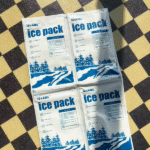
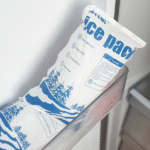
| Covered trays + paquetes de gel | Fillets, retail prep | Warm edges if packs thaw | Manejo más limpio, menos desorden |
| Refrigerated room | Higher volume | Door-open heat spikes | Stable output if traffic is controlled |
Consejos prácticos de almacenamiento
-
Use racks or perforated inserts so fish sits above meltwater.
-
Calibrate thermometers weekly so “cold enough” stays true.
-
Store raw below ready-to-eat to prevent drips and contamination.
Caso del mundo real: A retail counter improved smell and appearance after adding drainage channels and tray covers.
Histamine control time temperature seafood: how strict do you need to be?
Respuesta directa: If you handle histamine-prone species, cold chain requirements for handling fresh seafood must include clear time-and-temperature discipline. Histamine risk is not a smell test problem. Fish can look fine and still be unsafe if it spent too long warm. A simple “small batches + fast return to cold” rule keeps cold chain requirements for handling fresh seafood realistic.
You do not need complicated math. You need one house rule your team follows under pressure. Treat time out of cold like cash on the counter. You track it because you cannot get it back.
herramienta de decisión: do you need histamine-level controls?
Respuesta Sí/No:
-
Are you handling common histamine-risk species (Por ejemplo, tuna-family and similar fish)?
-
Will product sit unrefrigerated during trimming, filleting, or packing?
-
Are you shipping beyond same-day delivery without refrigerated transport?
If you answer “Yes” to two or more, treat histamine as a key hazard in your cold chain requirements for handling fresh seafood programa.
| Workflow step | Mejor práctica | que sale mal | Lo que significa para ti |
|---|---|---|---|
| Recepción | Check core temp fast | Warm loads sneak in | Spoilage accelerates |
| filetear | Small batches, quick return to cold | Mucho tiempo en el banquillo | Quality drops fast |
| Re-icing | Ice contact + drenaje | Acumulación de agua de deshielo | Off-odors and soft texture |
Practical tips that cut risk without raising cost
-
To meet cold chain requirements for handling fresh seafood, batch your prep: 10–15 minutos, then back to cold.
-
Pre-chill trays and tools. Warm metal steals cold capacity.
-
Utilice un cronómetro visible on prep tables to change behavior.
Caso del mundo real: A sushi kitchen reduced complaints after limiting filleting batch size and re-icing immediately.
Cold chain requirements for handling fresh seafood: how to prevent cross-contamination?
Respuesta directa: Cold chain requirements for handling fresh seafood are not only about cold. They are also about clean. Cold slows bacteria, but it does not kill it. If raw juices spread, you create risk even when temperatures look perfect. Clean layout and drip control protect your cold chain requirements for handling fresh seafood programa.
Make the system easy to follow. When staff are rushed, they follow the easiest path. If your layout forces separation, su cold chain requirements for handling fresh seafood hold up on busy days.
Set 3 zones so your team can win during rush
Use zones your team can remember:
-
Zona 1 (raw handling): escalada, gutting, corte
-
Zona 2 (pack and store): clean containers, etiquetado, almacenamiento en frío
-
Zona 3 (listo para comer): sushi, cooked seafood, muestreo
| Control | Que estandarizar | What can fail | Lo que significa para ti |
|---|---|---|---|
| Separación | Color-coded tools | Tool mixing in a rush | Mayor riesgo de contaminación |
| Sanitizing | Set schedule + test strips | “Looks clean” thinking | Hidden microbial load |
| Drip control | Leak-proof pans and liners | Juices in coolers | Odor and quality issues |
Practical hygiene tips
-
Sanitize on a timer (Por ejemplo, cada 2 hours during active prep).
-
Store raw below ready-to-eat. Gravity is not your friend.
-
Train with one sentence: “Raw tools never touch ready-to-eat surfaces.”
Caso del mundo real: A seafood shop improved customer perception after switching to leak-proof pans and enforcing raw-only tools.
What monitoring logs and records prove cold chain requirements for handling fresh seafood?
Respuesta directa: Si no puedes probarlo, you didn’t control it. Cold chain requirements for handling fresh seafood become real when you log key control points and record corrective actions. Good records protect you in disputes, auditorías, and recalls. This is also where many Seafood HACCP-style programs focus: peligros, límites, cheques, y registros.
Do not drown in data. Keep it focused: recepción, cold holding, cargando, entrega, and shellfish traceability. Those points decide whether cold chain requirements for handling fresh seafood hold under pressure.
Molluscan shellfish tag retention 90 días: make it painless
Use a simple routine:
-
Keep the tag with the container until it is empty
-
Escribe el last service/sale date on the tag
-
File tags by date in a dedicated binder
-
Keep for al menos 90 días, then discard
| Tipo de registro | Minimum habit | ¿Quién es el dueño? | Lo que significa para ti |
|---|---|---|---|
| Registros de temperatura | 2–4 checks per day | Shift lead | Faster issue detection |
| Receiving records | Cada entrega | Receiver | Supplier accountability |
| Shellfish tags | File by last-use date | Manager | Traceability protection |
| Acciones correctivas | Every deviation | Supervisor | Proof you fixed issues |
A 2-minute self-audit (anotar)
Date a ti mismo 1 punto por cada “Sí”:
-
Do you log cold-holding temps at least twice daily?
-
Do you record delivery exceptions with photos?
-
Can you trace each lot to a supplier invoice fast?
-
Do you keep shellfish tags organized for 90 días?
-
Do you have a “hold and release” process for questionable product?
Puntuación 4-5: fuerte.
Puntuación 2-3: exposed during busy weeks.
Puntuación 0-1: fix logs first before you scale volume.
Caso del mundo real: A market avoided a broad recall by tracing one supplier lot quickly and pulling only affected product.
Cold chain requirements for handling fresh seafood during transport: how to avoid temperature abuse?
Respuesta directa: Transport is where cold chain requirements for handling fresh seafood break most often. Movement adds time, aberturas de puertas, vibración, y el clima. Your best defense is fast loading, pre-chilled vehicles, correct insulation, and a monitoring routine that makes cold chain requirements for handling fresh seafood provable.
Do not assume refrigeration solves everything. Many failures happen at the door: puesta en escena, cargando, and delivery handoff. Cold chain requirements for handling fresh seafood survive when exposure time is minimized and proof is captured.
Seafood transport temperature monitoring logs: start simple, luego escalar
Start with three data points per lane:
-
Dispatch time and product condition
-
Ice/coolant layout and amount
-
Arrival temperature and condition check
| Transport style | Mejor para | Mayor riesgo | Lo que significa para ti |
|---|---|---|---|
| Totes aislados + hielo | Short local drops | Meltwater soaking | Add drainage layer |
| vehículo frigorífico | Higher volume | Door-open warming | Use strip curtains and fast loading |
| Envío al día siguiente | Carriles más largos | Retrasos + calor | Stronger packout and proof needed |
Dry ice vs gel packs for seafood: quick reality check
| Opción de enfriamiento | Works for fresh seafood? | Riesgo principal | El mejor uso |
|---|---|---|---|
| Flaked/crushed ice | Sí | Meltwater mess | Fresco, short to medium lanes |
| paquetes de gel | A veces | Warm edges when thawed | Cleaner fillet handling, carriles cortos |
| hielo seco | Generalmente No for “fresh” | Freezing damage + CO₂ handling | Frozen seafood or validated cases |
Practical transport tips
-
To meet cold chain requirements for handling fresh seafood, pre-cool vehicles antes de cargar.
-
Plan route order: deliver the most fragile items first.
-
Add one low-cost logger per risky lane to find your worst route fast.
Caso del mundo real: A distributor cut “arrived warm” claims after changing route order and adding arrival checks.
Cold chain requirements for handling fresh seafood: do you need HACCP and parasite controls?
Respuesta directa: If you process, repack, or manufacture seafood, cold chain requirements for handling fresh seafood often require HACCP-style control and records. HACCP means you define hazards, set limits, monitor, y documentar. En los EE.UU., FDA Seafood HACCP requirements are detailed in 21 Parte CFR 123, and they push you to prove control with records. If you sell fish intended for raw or undercooked consumption, parasite controls must be backed by records.
Keep it lightweight. The best plan is the one your team actually uses. Cold chain requirements for handling fresh seafood become reliable when hazards, límites, cheques, and corrective actions match your workflow.
Parasite destruction freezing requirements: a simple rule for raw-intended fish
Use one clear message for staff:
-
If it will be eaten raw, it must meet your validated parasite-freezing control or an equivalent documented control.
| Pregunta | En caso afirmativo" | Si “No” | Lo que significa para ti |
|---|---|---|---|
| Will it be served raw? | Apply parasite control records | Standard chilling is fine | Avoid risky marketing claims |
| Is it a thick cut? | Validate time and temperature | Standard schedule may work | Thick cuts need careful control |
| Do you outsource freezing? | Require supplier records | Keep in-house logs | Traceability protects liability |
Practical tips for HACCP-style simplicity
-
Write controls as checklists, not essays. Lists survive busy days.
-
Define “reject vs hold.” Not every issue needs disposal.
-
Review one log weekly. Small reviews prevent big failures.
Caso del mundo real: A small processor passed an audit by showing consistent receiving checks and corrective actions, not a giant manual.
2025 últimos desarrollos y tendencias
En 2025, cold chain requirements for handling fresh seafood are shifting toward proof, trazabilidad, y rutinas repetibles. Buyers want evidence-backed handling, promesas no verbales. Many teams are moving from random checks to lane-based monitoring (one low-cost logger per route) and cleaner documentation. These trends make cold chain requirements for handling fresh seafood more standardized and more measurable. Por ejemplo, the FDA’s Food Traceability Rule (FSMA 204) compliance timing has been discussed as shifting from Enero 20, 2026 a Julio 20, 2028, so it is smart to prepare traceability fields now.
Último progreso de un vistazo
-
More evidence-heavy audits: registros, fotos, and corrective actions matter more.
-
Route-based monitoring: one logger per lane beats guessing across all routes.
-
Reusable cold chain assets: lower long-term costs and more predictable packouts.
-
“Superchilling” interest: holding product slightly below 0°C without freezing solid can reduce ice needs on some validated lanes.
La realidad del mercado es simple: customers don’t reward average cold. They reward predictable quality. If you make cold chain requirements for handling fresh seafood boring and repeatable, you earn trust and longer contracts.
Cold chain requirements for handling fresh seafood FAQs
Q1: What is the ideal temperature for cold chain requirements for handling fresh seafood?
Most operations target 0–4 ° C (32–39 °F) for daily handling, with a common ceiling of ≤5°C (41°F) in cold-holding zones.
Q2: What does “temperature of melting ice seafood” mean in practice?
It means seafood stays close to 0°C through direct ice contact, and meltwater drains away instead of soaking product.
Q3: Can ice alone meet cold chain requirements for handling fresh seafood?
Sí, if ice surrounds the seafood and you follow cold chain requirements for handling fresh seafood by replenishing ice and draining meltwater.
Q4: How long can fresh seafood stay out of refrigeration?
As a working rule, keep it under 20 minutes during handling, and use small batches so product returns to cold fast.
Q5: How long should I keep shellfish tags?
Many teams use molluscan shellfish tag retention 90 days as a simple traceability rule. File by last-use date.
Q6: Do I need a HACCP plan?
If you process or repack seafood, a HACCP-style plan is often expected. If you sell raw-intended fish, parasite controls must be documented.
Cold chain requirements for handling fresh seafood: Resumen y próximos pasos
Cold chain requirements for handling fresh seafood come down to five repeatable habits. If you build your day around cold chain requirements for handling fresh seafood, you reduce shrink and protect your reputation:
-
recibir frio: check core temperature, hielo, and traceability every delivery.
-
Store near melting ice: keep 0–4°C stable and drain meltwater away.
-
Control time out of cold: lotes pequeños, visible timers, fast return to storage.
-
Stay clean: zonas separadas, sanitize on schedule, prevent drips.
-
Prove it: registros, fotos, and corrective actions that show control.
¿Qué deberías hacer a continuación? (CTA)
Run the 2-minute self-audit today to stress-test your cold chain requirements for handling fresh seafood. Pick your lowest score area—receiving, icing/drainage, transport proof, or shellfish tags—and fix that first. If you want faster results, standardize one golden packout for your riskiest lane and train it in one shift.
Sugerencias de enlaces internos (Sin enlaces externos)
Acerca de Tempk
Y tempk, we help seafood teams turn cold chain requirements for handling fresh seafood into routines that are easy to run and easy to prove. We support practical insulation and packout design, reusable cold chain assets, and monitoring workflows that fit your lane time and budget. Our focus is stable temperature control, Manejo más limpio, and clearer documentation so you reduce spoilage without adding chaos.
Siguiente paso: Share your seafood type, tiempo de carril, and current packout. We’ll help you build a repeatable plan your team can learn in a day.