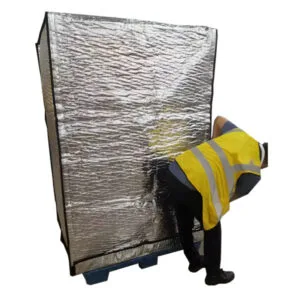
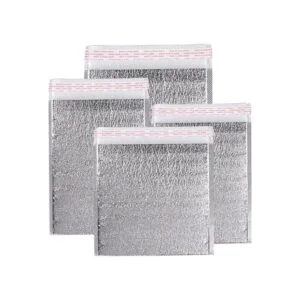
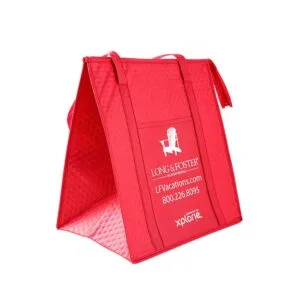
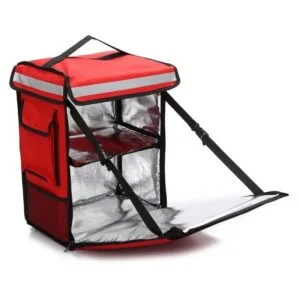
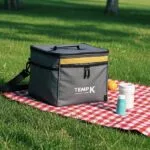
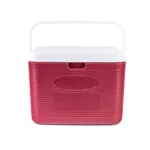
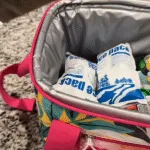
Servicios de transporte de cadena de frío. son la columna vertebral de las cadenas de suministro modernas, garantizar que los productos sensibles a la temperatura, como las vacunas, fruta fresca y productos químicos especiales: llegan a usted de forma segura y con la máxima calidad. Sin una logística confiable de cadena de frío, la comida se echa a perder rápidamente, Los medicamentos pierden potencia y envíos enteros quedan inutilizables.. A medida que la demanda mundial de productos frescos, Crecen los productos orgánicos y vegetales., understanding how cadena de fríos work can help you choose better partners and avoid costly mistakes. Este artículo, actualizado para 2025, explora las tecnologías, regulations and market trends driving the cadena de frío industry, y muestra cómo puedes beneficiarte de ellos.
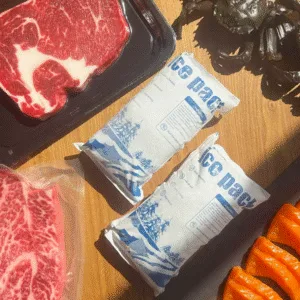
What is cadena de frío transportation and why is it essential?
Which industries rely on cadena de frío services, y cuáles son sus rangos de temperatura específicos?
¿Cómo funcionan las tecnologías de empaquetado y monitoreo? paquetes de gel, Los materiales de cambio de fase y los sensores de IoT funcionan.?
¿Cuáles son las últimas tendencias e innovaciones del mercado?, incluyendo la automatización, IA y sostenibilidad?
How can you choose the right cadena de frío partner and avoid common mistakes?
¿Qué regulaciones y estándares debes conocer? (FDA, OMS, IATA), y ¿cómo protegen la calidad??
What Is cadena de frío Transportation and Why Does It Matter?
Servicios de transporte de cadena de frío. involucrar manejo, almacenar y mover productos sensibles a la temperatura bajo condiciones controladas para mantener su calidad y seguridad. Ya sea que envíe productos lácteos a todo el país o entregue vacunas a clínicas remotas, the cadena de frío ensures that the right temperature is maintained throughout the journey. Sin este control, los bienes pueden estropearse, perder eficacia o volverse peligroso.
Cómo funciona la cadena de frío
A typical cadena de frío consists of four elements:
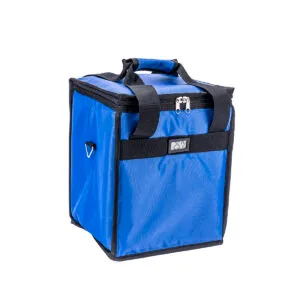
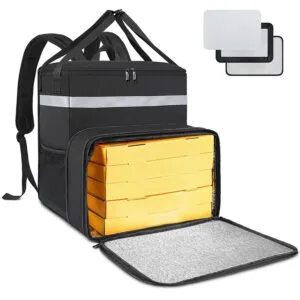
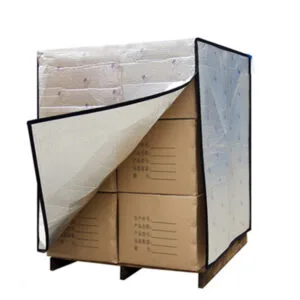
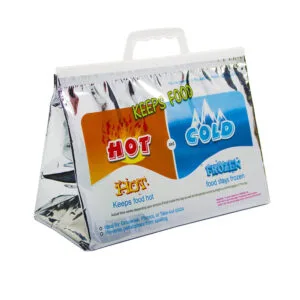
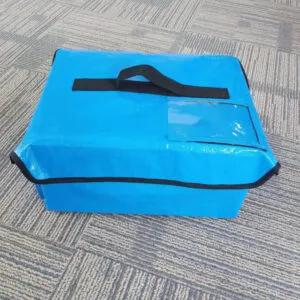
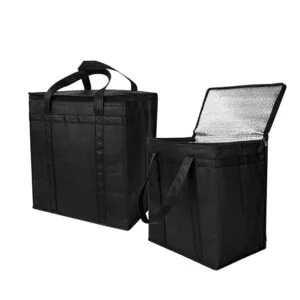
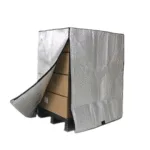
Embalaje: Materiales especializados como cajas aisladas, paquetes de gel o hielo seco proteger los productos de las fluctuaciones de temperatura. Paneles de aislamiento de vacío (VIP) y materiales de cambio de fase (PCM) Han surgido como soluciones avanzadas que mantienen rangos de temperatura específicos por más tiempo que los materiales tradicionales..
Almacenamiento: Los almacenes refrigerados y las cámaras frigoríficas mantienen las mercancías dentro de rangos de temperatura establecidos antes y entre las etapas de transporte..
Transporte: Camiones frigoríficos, barcos y aviones, a menudo llamados "reefers",“mover mercancías mientras se controla la temperatura. Para envíos ultrafríos se utilizan contenedores especiales que utilizan nitrógeno líquido o unidades de refrigeración integradas..
Escucha: sensores de iot, Las etiquetas RFID y los registradores de datos proporcionan información en tiempo real sobre la temperatura, humedad y ubicación. El monitoreo continuo ayuda a identificar problemas rápidamente y previene el deterioro..
Juntos, estos elementos forman una cadena que debe permanecer ininterrumpida; Incluso una exposición breve a altas temperaturas puede arruinar un lote completo de vacunas o alimentos perecederos..
Industries That Depend on the cadena de frío
Several sectors rely heavily on cadena de frío logistics:
Alimentos y Bebidas: para mantener los productos, carne y productos lácteos frescos desde la granja hasta la mesa.
Productos farmacéuticos: Las vacunas y los productos biológicos deben mantenerse entre 2 °C y 8 °C o incluso a –20 °C para mantener su potencia..
quimicos: Ciertos productos químicos requieren un control estricto de la temperatura para evitar reacciones peligrosas..
Aceite, Gas y suministros militares: Algunos productos deben transportarse a temperaturas estables por motivos de seguridad y rendimiento..
Estándares clave de temperatura para productos comunes
| Tipo de producto | Rango de temperatura típico | Por que importa |
| frutas | 0–5 ºC (32–41 °F) | Retarda la maduración y previene el deterioro. |
| Productos farmacéuticos | 2–8 ° C (35.6–46,4 °F) o –20 °C para determinadas vacunas | Mantiene la potencia y los ingredientes activos. |
| Alimentos Congelados | Por debajo de –18 °C (0 °F) | Previene el crecimiento bacteriano y preserva la textura. |
| Productos lácteos | 1–3 ºC (34–38 °F) | Mantiene la leche y el queso frescos |
| Mariscos | 0 °C (32 °F) | Mantiene la calidad y previene el olor. |
Estos rangos proporcionan una base; sin embargo, Las regulaciones a menudo especifican límites más estrechos.. Por ejemplo, la Organización Mundial de la Salud (OMS) y Administración de Alimentos y Medicamentos (FDA) establecer pautas para el almacenamiento de vacunas, mientras que las Regulaciones de Control de Temperatura de la IATA (TCR) proporcionar requisitos detallados para la carga aérea.
cadena de frío Packaging and Technology Explained
Opciones de embalaje: Desde paquetes de gel hasta materiales de cambio de fase
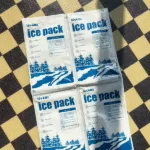
Moderno embalaje de cadena de frío es más que una simple hielera de poliestireno. Contenedores de transporte aislados, Paquetes de gel y materiales de cambio de fase. (PCM) trabajar juntos para mantener un ambiente consistente. Los paquetes de gel son ideales para mantener los productos frescos (por encima del punto de congelación), mientras que los PCM pueden contener productos a temperaturas específicas, como productos congelados, refrigerados o a temperatura ambiente, según su formulación.. El hielo seco proporciona condiciones ultrafrías (–78,5 ºC) para productos que requieren ultracongelación, pero requiere una ventilación adecuada para evitar la acumulación de CO₂.
Paneles de aislamiento de vacío (VIP) son livianos, Paneles de alto rendimiento que reducen drásticamente la transferencia de calor.. Cuando se combina con PCM, pueden mantener los productos dentro de un rango de temperatura estrecho durante días, incluso en condiciones ambientales extremas. El embalaje inteligente ahora incluye sensores de temperatura integrados y registradores de datos para seguimiento en tiempo real, facilitando el cumplimiento de las regulaciones y respondiendo rápidamente a las desviaciones.
Monitoreo en tiempo real e IoT
Las variaciones de temperatura son una de las principales causas de pérdida de productos en el sector farmacéutico, responsable de hasta 80 % de perdidas. Los sensores IoT y las etiquetas RFID permiten un seguimiento continuo de la temperatura, humedad y ubicación a lo largo de la cadena de suministro. Estos sistemas envían alertas cuando las temperaturas se desvían de los rangos establecidos., Permitir acciones correctivas antes de que la calidad del producto se vea afectada..
Consejo: Elija un proveedor de logística que ofrezca visibilidad de extremo a extremo a través de monitoreo de IoT o RFID. Los datos en tiempo real le ayudan a detectar problemas y mantener el cumplimiento.
Choosing and Managing cadena de frío Transportation
Selecting the right cadena de frío partner goes beyond price. Considere los siguientes factores:
Experiencia y cumplimiento de la industria: El proveedor debe comprender y cumplir las normas reglamentarias., como las directrices de la FDA, Requisitos de vacunas de la OMS y Reglamento de control de temperatura de la IATA (TCR).. Comprueba si cuentan con certificaciones como CEIV Pharma.
Infraestructura y Cobertura: Busque empresas con modernas, Instalaciones energéticamente eficientes y red de camiones frigoríficos., barcos y aviones. El envejecimiento de la infraestructura es un desafío; Muchos almacenes se construyeron hace 40 o 50 años y requieren mejoras..
Tecnología: Opte por socios que utilicen sistemas automatizados de almacenamiento y recuperación. (COMO/RS), Robótica e IA para la optimización de rutas.. Los estudios demuestran que aproximadamente 80 % de los almacenes siguen sin automatizar, presentando oportunidades para aumentar la eficiencia.
Compromiso de Sostenibilidad: As cadena de fríos contribute around 4 % de las emisiones globales de gases de efecto invernadero, elegir proveedores que inviertan en energías renovables, Refrigerantes naturales y envases eficientes.. Busque empresas que reemplacen el hidrofluorocarbono (HFC) Refrigerantes con alternativas ecológicas..
Soluciones personalizadas: Ya sea que necesite enviar medicamentos de terapia genética o mariscos frescos, soluciones a medida (p.ej., congeladores ultrabajos, embalaje especializado) son cruciales.
Consejo profesional: Realizar una auditoría de proveedores
Antes de firmar un contrato, visitar las instalaciones del proveedor. Verificar cómo manejan la carga y descarga., monitorear temperaturas y gestionar emergencias. Solicite registros de datos de envíos anteriores para evaluar el rendimiento.
Latest Trends and Innovations in cadena de frío Logistics (2025)
La industria de la cadena de frío está evolucionando rápidamente. Aquí están las tendencias más notables que están dando forma 2025 y más allá:
1. La automatización y la robótica toman protagonismo
Con escasez de mano de obra y aumento de los costos laborales, Cada vez más almacenes están adoptando sistemas automatizados de almacenamiento y recuperación y manipulación robótica.. La automatización funciona continuamente., reduce el error humano y mejora el rendimiento, todavía sólo alrededor 20 % de los almacenes están automatizados, dejando espacio para el crecimiento. La robótica también mejora la consistencia al mantener la temperatura y la humedad precisas., Lo cual es crítico para la calidad del producto..
2. La sostenibilidad como valor fundamental
Las preocupaciones medioambientales y las regulaciones más estrictas están llevando la sostenibilidad a un primer plano. Las cadenas de frío son responsables de aproximadamente 4 % de las emisiones globales de gases de efecto invernadero. Esto incluye el consumo de energía para refrigeración y las emisiones provenientes de fugas de refrigerante y desperdicio de alimentos.. Iniciativas clave de sostenibilidad incluir:
Adopción de sistemas de refrigeración energéticamente eficientes y fuentes de energía renovables.
Usando refrigerantes naturales (p.ej., Co₂, amoníaco) para cumplir con regulaciones como el Pacto Verde de la UE.
Desarrollando productos biodegradables y reciclables materiales de embalaje.
Reducir el desperdicio de alimentos mediante un mejor control y seguimiento de la temperatura.
3. Visibilidad de extremo a extremo con seguimiento en tiempo real
Los sistemas de seguimiento en tiempo real se han vuelto esenciales para monitorear la ubicación, temperatura y humedad durante el tránsito. El segmento de hardware (sensores, registradores de datos) dominated the cadena de frío tracking market in 2022 con un 76.4 % compartir. Por 2025, 74 % Se espera que los datos logísticos estén estandarizados., permitiendo una integración perfecta entre las cadenas de suministro.
Herramientas útiles para tomar decisiones
Comprueba los detalles antes de elegir el embalaje.
Estas herramientas rápidas pueden ayudarle a comparar el riesgo de la ruta, necesidades de dimensionamiento, opciones de refrigerante, y detalles del embalaje antes de solicitar una cotización.
Calculadora de bolsa de hielo
Estimación de la cantidad de bolsas de hielo en gel para envíos refrigerados y planificación práctica de rutas.
Estimar las bolsas de hieloCalculadora de hielo seco
Calcule las necesidades de hielo seco para envíos congelados o ultrafríos antes de empacar.
Estimar hielo secoReferencia del material aislante
Compare opciones de materiales aislantes para diferentes necesidades de embalaje de la cadena de frío.
Comparar materiales4. Modernización de la infraestructura
Envejecimiento instalaciones de almacenamiento en frío se están actualizando con modernos sistemas de refrigeración, aislamiento mejorado y energía renovable en el sitio. Las inversiones en infraestructura también abordan la eliminación gradual de refrigerantes nocivos como los HFC.. Las actualizaciones reducen los costos de energía, aumentar la capacidad y cumplir con regulaciones ambientales más estrictas.
5. Inteligencia artificial y análisis predictivo
AI is transforming cadena de frío logistics by optimizing routes, pronosticar la demanda y predecir las necesidades de mantenimiento de los equipos. Los algoritmos de IA analizan datos históricos e información en tiempo real para identificar posibles interrupciones y programar el mantenimiento preventivo., Reducir el tiempo de inactividad y las pérdidas de productos.. El mantenimiento predictivo mediante IA puede detectar anomalías en unidades frigoríficas y advertir de fallos inminentes.
6. Crecimiento en la cadena de frío farmacéutica
The pharmaceutical sector is a key driver of cadena de frío expansion. Alrededor 20 % de los nuevos fármacos en desarrollo son terapias genéticas o celulares que requieren un estricto control de la temperatura. Lo global cadena de frío farmacéutica Se prevé que el mercado alcance $1,454 mil millones por 2029 con una CAGR de 4.71 %. Este crecimiento subraya la necesidad de almacenamiento a temperatura ultrabaja y embalaje especializado..
7. Inversión en logística de alimentos frescos y entrega de última milla
Los consumidores exigen productos frescos y alimentos orgánicos, leading to increased investment in cadena de frío logistics for fruits, verduras y productos vegetales. Se espera que el mercado de logística de la cadena de frío de alimentos de América del Norte alcance $86.67 mil millones en 2025, creciendo hasta $119.82 mil millones por 2030 en una CAGR de 6.69 %. Proteínas de origen vegetal, Los artículos sin gluten y los productos orgánicos requieren Soluciones de cadena de frío e impulsar nuevas inversiones en capacidad.
8. Alianzas estratégicas e integración de la cadena de suministro
Colaboración entre fabricantes, Los proveedores de embalaje y los proveedores de tecnología mejoran el desarrollo de productos y la resiliencia de la cadena de suministro.. La tendencia hacia cadenas de suministro integradas mejora la visibilidad y reduce los riesgos de perturbaciones geopolíticas o retrasos en los puertos.. En Europa, Los centros de microcumplimiento ubicados cerca de áreas urbanas acortan los tiempos de entrega y reducen las emisiones..
9. Cambios regulatorios y cumplimiento
Nuevas regulaciones en 2025 incluir la Regla De Minimis en los Estados Unidos que pone fin a las importaciones libres de impuestos bajo $800 de China y Hong Kong, y el Pasaporte Digital de Producto en la UE que requiere información detallada del producto. El cumplimiento de estas normativas exige un mejor seguimiento, documentación y etiquetado. Reglamento de control de temperatura de la IATA (TCR) proporcionar orientación paso a paso sobre el envío, etiquetado y trazabilidad, garantizar el transporte seguro de mercancías con temperatura controlada.
10. Mercados emergentes y brechas de infraestructura
Mientras los mercados maduros invierten en automatización y sostenibilidad, Los mercados emergentes luchan contra el almacenamiento en frío inadecuado, tecnologías obsoletas y rutas de transporte deficientes. Estas brechas de infraestructura provocan desperdicio de alimentos y pérdidas de productos., particularmente en África y partes de Asia. Abordar estos desafíos requiere inversión en instalaciones modernas, Capacitación y fuentes de energía confiables..
cadena de frío Logistics Market Overview and Regional Insights
Pronóstico del mercado global
El mercado mundial de logística de cadena de frío se valoró en Dólar estadounidense 436.30 mil millones en 2025 y se prevé que alcance Dólar estadounidense 1,359.78 mil millones por 2034, creciendo en un CAGR de 13.46 %. Se pronostica que Asia Pacífico crecerá a la CAGR regional más alta de 14.3 % durante este periodo, mientras que los postres lácteos y congelados representan el segmento de aplicación más grande a nivel mundial. 36.10 % de ingresos.
América del norte
North America’s cadena de frío logistics market benefits from robust infrastructure and high demand for perishables. The food cadena de frío submarket is projected to grow from Dólar estadounidense 86.67 mil millones en 2025 a Dólar estadounidense 119.82 mil millones en 2030, con una CAGR de 6.69 %. Expansión del comercio electrónico y asociaciones entre proveedores de logística. (p.ej., colaboración entre CPKC y DP World para Americold) la capacidad de la unidad aumenta.
Europa
En Europa, El mercado de logística de cadena de frío está valorado en Dólar estadounidense 74.70 mil millones en 2025 y se espera que alcance Dólar estadounidense 114.78 mil millones por 2030 (Tocón 8.97 %). Las políticas del Pacto Verde de la UE aceleran la adopción de refrigerantes naturales y nueva capacidad cerca de los centros de las ciudades. La carne y las aves congeladas mantienen un 31.4 % cuota de mercado, mientras que el transporte refrigerado representa 53 % de ingresos.
Asia-Pacífico
The Asia–Pacific cadena de frío logistics market is estimated at Dólar estadounidense 145.07 mil millones en 2025 y proyectado alcanzar Dólar estadounidense 181.55 mil millones por 2030 (Tocón 4.59 %). Aumento de los ingresos disponibles, La rápida adopción de alimentos electrónicos y las actualizaciones de la cadena de suministro farmacéutica impulsan la demanda. China lidera en escala, mientras India acelera la construcción de depósitos distribuidos para su cumplimiento el mismo día.
Resumen de los impulsores y desafíos del mercado
| Factor | Impacto positivo | Desafíos |
| Crecimiento del comercio electrónico | Aumenta la demanda de entrega de última milla, Requiere más almacenamiento en frío y sistemas automatizados.. | Es difícil mantener la temperatura durante entregas y devoluciones de gran volumen. |
| Presión regulatoria | Garantiza la seguridad del producto a través de estándares estrictos. (FDA, OMS, IATA). | Añade complejidad y costo; riesgos de incumplimiento rechazo del envío. |
| Avances tecnológicos | AI, IoT y la automatización mejoran la eficiencia y reducen el desperdicio. | Altos requisitos de inversión inicial y formación.; riesgos de ciberseguridad. |
| Demandas de sostenibilidad | Fomenta sistemas energéticamente eficientes y refrigerantes naturales.. | Requiere una costosa modernización de instalaciones obsoletas. |
| Escasez de mano de obra | Impulsa la adopción de la robótica y la automatización. | Requiere recapacitación; No todas las regiones pueden permitirse la automatización.. |
Consejos prácticos para los usuarios
Planificar con anticipación: Trace los requisitos de temperatura de su producto desde la producción hasta la entrega. Incorporar reservas para retrasos en el tránsito y fallas de equipos..
Utilice embalaje validado: Para productos farmacéuticos o de alto valor., Utilice sistemas de embalaje validados que combinen VIP y PCM.. Estos proporcionan una estabilidad de temperatura más prolongada y reducen el riesgo de excursión..
Monitorear en tiempo real: Elija proveedores que ofrezcan monitoreo de IoT con alertas automatizadas. Los datos en tiempo real evitan el deterioro al permitir una respuesta rápida a las desviaciones de temperatura..
Personal del tren: El error humano contribuye a las variaciones de temperatura.. Capacitación periódica sobre prácticas de carga., El manejo de puertas y el funcionamiento del equipo pueden reducir el riesgo..
Auditoría y revisión: Periodically audit your cadena de frío partners. Busque la transparencia de los datos, certificados de cumplimiento y planes de mejora continua.
Estudio de caso: Un fabricante de vacunas que enviaba dosis a clínicas remotas utilizó sensores de IoT y PCM en sus envases. Durante una ola de calor de verano, Alertas en tiempo real indicaron un aumento de temperatura en un camión.. El equipo de logística desvió el camión a un almacén frigorífico cercano., evitando la pérdida de producto. Este enfoque proactivo ahorró miles de dosis y mantuvo el calendario de vacunación..
Superar desafíos comunes
Excursiones de temperatura
Las variaciones de temperatura ocurren cuando los productos salen de su rango requerido. En productos farmacéuticos, las variaciones de temperatura representan hasta 80 % de pérdidas de producto. Para evitar esto:
Invierta en equipos confiables: Utilice unidades de refrigeración de alta calidad y manténgalas regularmente..
Usar energía de respaldo: Equipar las instalaciones de almacenamiento y los camiones con generadores o baterías de respaldo para manejar las interrupciones de energía..
Optimice las prácticas de carga: Evite bloquear el flujo de aire y minimice las aberturas de las puertas.; estas acciones reducen las fluctuaciones de temperatura.
Brechas de infraestructura en los mercados emergentes
Las regiones en desarrollo enfrentan desafíos de infraestructura, como almacenamiento en frío inadecuado y redes de transporte deficientes.. Las empresas que operan en estas regiones deben:
Asóciese con proveedores locales para construir cámaras frigoríficas modulares y centros de microcumplimiento.
Implementar refrigeración con energía solar y refrigerantes naturales para reducir los costos de energía..
Proporcionar programas de capacitación para mejorar las habilidades técnicas y garantizar un manejo adecuado..
Cumplimiento de Nuevas Normativas
La introducción de nuevas reglas como el Pasaporte Digital de Productos y los cambios en los umbrales de importación libres de impuestos requieren un mejor seguimiento y documentación.. Las empresas deberían:
Implementar plataformas digitales para recopilar y almacenar información de productos para auditorías regulatorias..
Utilice etiquetas y códigos de barras estandarizados para facilitar el despacho de aduanas y la trazabilidad..
Manténgase actualizado sobre los cambios en las regulaciones locales e internacionales a través de asociaciones industriales y cursos de capacitación..
Preguntas frecuentes (Preguntas frecuentes)
Q1: How do cadena de frío transportation services differ from standard logistics?
Los servicios de cadena de frío mantienen rangos de temperatura específicos durante el almacenamiento y el tránsito., garantizar que bienes como los alimentos, Los productos farmacéuticos y químicos siguen siendo seguros y eficaces.. La logística estándar no requiere un control de temperatura tan estricto.
Q2: ¿Cuáles son los rangos de temperatura más comunes para vacunas y productos farmacéuticos??
La mayoría de las vacunas deben almacenarse entre 2°C y 8°C, mientras que algunos requieren –20°C o menos. Desviarse de estos rangos puede hacer que las vacunas sean ineficaces.
Q3: How does IoT technology help in cadena de frío logistics?
Los sensores de IoT y las etiquetas RFID proporcionan un seguimiento de la temperatura en tiempo real, humedad y ubicación. Envían alertas si los parámetros se desvían de los rangos predefinidos, permitiendo una intervención rápida para evitar el deterioro.
Q4: Why is sustainability a concern in cadena de frío logistics?
The food cadena de frío is responsible for about 4 % de las emisiones globales de gases de efecto invernadero. Consumo de energía para refrigeración., Las fugas de refrigerante y el desperdicio de alimentos contribuyen a esta huella.. Las prácticas sostenibles reducen las emisiones y, a menudo, reducen los costos operativos..
Q5: Which regions are experiencing the fastest growth in cadena de frío logistics?
Se espera que Asia Pacífico crezca al ritmo más alto, con una CAGR de 14.3 % de 2025 a 2034. América del Norte y Europa también experimentan un fuerte crecimiento debido a la expansión del comercio electrónico y los cambios regulatorios..
Resumen y recomendaciones
Control de llave: The cadena de frío ensures that temperaturesensitive products maintain quality from origin to destination. Adoptar envases modernos (VIP y PCM), El monitoreo en tiempo real y los sistemas automatizados reducen las pérdidas de productos y mejoran la eficiencia.. The global cadena de frío logistics market is rapidly expanding, proyecta crecer desde Dólar estadounidense 436.30 mil millones en 2025 a Dólar estadounidense 1.36 billones por 2034. La sostenibilidad ambiental y el cumplimiento normativo están impulsando las inversiones en refrigerantes naturales, energías renovables y envases inteligentes. Asia Pacífico lidera el crecimiento, mientras que América del Norte y Europa mejoran la infraestructura y adoptan modelos de microcumplimiento..
Consejos prácticos:
Evalúa tus necesidades: Identifique los requisitos de temperatura específicos de su producto y elija el embalaje en consecuencia.
Seleccionar socios certificados: Trabajar con proveedores que cumplan con la FDA, Regulaciones de la OMS y la IATA. Certificaciones como CEIV Pharma indican experiencia en el manejo de mercancías sensibles.
Invertir en tecnología: Adopte el monitoreo de IoT, Optimización de rutas mediante IA y almacenamiento automatizado para mejorar la visibilidad y la eficiencia.
Priorizar la sostenibilidad: Elija refrigerantes naturales, Energía renovable y envases reciclables para reducir el impacto ambiental..
Manténgase informado: Supervise los cambios regulatorios y las tendencias del mercado para adaptar su estrategia logística. Asista a conferencias de la industria y suscríbase a boletines de autoridades como IATA..
Acerca de Tempk
Tempk es líder en soluciones logísticas de temperatura controlada. We design and implement cadena de frío systems that keep your goods safe, fresco y compatible. Nuestras innovaciones incluyen vacío embalaje aislado, materiales de cambio de fase y monitoreo habilitado para IoT. Utilizamos energía renovable y refrigerantes naturales para reducir la huella de carbono manteniendo la confiabilidad.. Con una red de camiones frigoríficos, almacenes y socios de entrega de última milla, we offer endtoend cadena de frío services for food, productos farmacéuticos y productos químicos especializados. Nuestro equipo de expertos garantiza el cumplimiento de la FDA., Directrices de la OMS y la IATA y proporciona soluciones personalizadas para cada cliente..
Listo para mantener sus productos en su mejor momento? Reach out to Tempk to discuss your cadena de frío needs and discover how we can help you build a resilient, cadena de suministro sostenible.