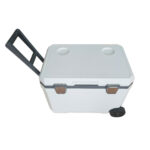
Precio del proveedor de la caja más fría: Un marco de abastecimiento seguro
Precio del proveedor de la caja más fría: Un marco de abastecimiento seguro
La compra más defendible es aquella que se puede rastrear desde el requisito del producto hasta la recepción de la evidencia.. Para el precio del proveedor de la caja más fría, La cuestión práctica es cómo convertir varios precios no equivalentes en una decisión de compra comparable.. Eso requiere una visión de todo el sistema.: el cuerpo aislado, refrigerante, separadores, disposición de carga útil, cierre, proceso de manipulación, y cualquier dispositivo de control de temperatura. Este artículo está escrito para compradores mayoristas y de proyectos que solicitan ofertas de proveedores.. Explica cómo tomar una decisión sobre la adquisición de refrigeradores comerciales sin depender de afirmaciones vagas sobre el tiempo de espera., capacidad nominal, o un precio principal que omite costos importantes.
Definir el éxito en el punto de recepción
Escriba un requisito de usuario de una página antes de seleccionar una nevera portátil. Debe identificar el producto y su condición requerida., dimensiones y masa de la carga útil, pasos de ruta, Duración esperada más política de retraso., exposición al calor y al frío, modos de transporte, manejo de eventos, patrón de apertura, necesidades de seguimiento, proceso de limpieza o devolución, y recibir decisión. Para la adquisición de refrigeradores comerciales, prestar especial atención a la integridad de la solicitud de cotización, normalización de ofertas, aceptación de muestra, hitos de pago, y visibilidad de los costos de entrega.
Separar los criterios de aceptación obligatorios de las preferencias. Una dimensión externa máxima puede ser obligatoria porque la caja debe caber en un bastidor.. Se puede preferir un color. Un rango de temperatura del producto puede ser obligatorio., mientras que un particular material aislante puede estar abierto a la propuesta del proveedor. Esta separación permite a los proveedores mejorar el diseño sin debilitar el resultado.. También evita que una cotización rica en funciones parezca conforme cuando no cumple con el requisito principal..
- Documentar y confirmar el código de configuración.
- Documentar y confirmar el dibujo dimensional.
- Documentar y confirmar la lista de accesorios..
- Documentar y confirmar los criterios de aceptación de calidad..
- Documentar y confirmar los supuestos de costos de aterrizaje.
Aislamiento de fósforos, refrigerante, y carga útil
Seleccionar aislamiento, refrigerante, separadores, transatlántico, disposición de carga útil, monitor, cierre, e instrucciones como un solo sistema. Las etiquetas de los materiales por sí solas no predicen el resultado del ensamblaje.. El EPS puede ser adecuado para una ruta unidireccional controlada; El EPP puede soportar una manipulación y limpieza repetidas; Los sistemas basados en VIP pueden proporcionar un mayor aislamiento en espesores de pared limitados, pero requieren protección del panel. La elección debe seguir el riesgo de ruta., valor de carga útil, manejo, modelo de reutilización, y necesidades de evidencia.
El refrigerante debe estar acondicionado y colocado para el producto.. Los paquetes congelados pueden crear riesgo de congelación local; muy poca capacidad de refrigeración almacenada puede reducir el margen de retraso; El exceso de refrigerante ocupa espacio de carga útil y agrega masa.. Utilice separadores justificados y geometría de embalaje.. Escribir instrucciones en el orden en que trabajan los operadores., con imágenes o códigos de colores si eso reduce los errores. Observe al personal real empaquetando el sistema de prueba en lugar de asumir que un diagrama se explica por sí mismo..
La carga útil utilizable merece su propia aprobación. Cargue las cajas primarias reales o los maniquíes precisos con el juego completo de refrigerante e insertos.. Cierre de cheques, compresión, recuperación, etiquetas, levantamiento, y ajuste del vehículo. Para un producto nominal de 40 litros, Por ejemplo, el número no te dice cuánta carga útil queda. para restauración, mariscos, o carne, examinar los revestimientos, control de líquidos, acceso de limpieza, y separación. para medicina, revisar la protección contra congelamiento y monitorear la ubicación.
Lo que muestra una cita seria
| Campo de cotización | Que solicitar | Por qué cambia la decisión |
|---|---|---|
| Configuración | Material, calificación, dimensiones, tapa, inserciones, refrigerante, y accesorios | Evita que productos diferentes se comparen como si fueran idénticos |
| Base comercial | Cantidad de pedido, estampación, embalaje, término comercial, divisa, y validez | Muestra qué costos se encuentran dentro o fuera del precio unitario. |
| Evidencia de desempeño | Perfil de prueba, carga útil, empacar, rango de aceptación, y estado del informe | Revela si un reclamo se parece a la ruta prevista |
| Control de calidad | Muestra aprobada, criterios de inspección, notificación de cambio, y retención de registros | Protege la consistencia después del primer pedido. |
| Logística | Dimensiones del cartón maestro, unidades por caja, pesas, y plan de carga | Admite un cálculo realista del costo de entrega |
Normalizar las ofertas a una moneda, cantidad de pedido, configuración, y punto de entrega. Agregar herramientas, obra de arte, muestras, pruebas, cajas de exportación, transporte, deber, y cargos de destino. Luego cree una vista operativa que incluya la mano de obra de embalaje., preparación de refrigerante, almacenamiento, limpieza, transporte de regreso, pérdidas, daño, y repuestos. El precio unitario más bajo y el costo del programa más bajo pueden ser ofertas diferentes..
El costo debe ser proporcional a las consecuencias del fallo.. Los modos de falla probables aquí son comparaciones de tamaño nominal, piezas incluidas poco claras, rendimiento no compatible, y cargos logísticos sorpresa. un corto, La entrega controlada puede no necesitar el paquete de construcción o calificación más elaborado.. Un envío médico de alto valor o una ruta de exportación impredecible pueden justificar pruebas y reservas más sólidas.. El objetivo no es el embalaje máximo; es adecuado, Protección repetible con una razón visible..
Hoja de trabajo de normalización de ofertas para neveras portátiles
Aplicar el marco de abastecimiento al caso de uso real. Proporcionar a cada proveedor la misma tabla de configuración y exigir una respuesta de cumplimiento., desviarse, o no incluido. Capturar dimensiones internas, intrusión en la tapa, material, accesorios, embalaje, cantidad, obra de arte, y destino en campos fijos.
Convierta ese riesgo en un proceso controlado, movimiento de moneda, cortos períodos de validez del precio, medidas de caja no confirmadas, y las ilustraciones de último momento pueden cambiar el resultado obtenido. Las incógnitas deben modelarse como riesgos en lugar de tratarse como cero. Puntuación de claridad comercial y precio. Un proveedor que identifica suposiciones y desviaciones es más fácil de gestionar que uno que confirma todo verbalmente pero deja la cotización vaga..
Luego conecte la evidencia con el dinero., Requiere un código de configuración citado, dibujo, lista de accesorios, datos de la caja, base del tiempo de producción, plan de inspección, y estado de la muestra. Verificar las identidades de fábrica y de pago a través de controles de adquisiciones normales antes del compromiso.. Compare el precio unitario con la misma cantidad y término comercial, luego agregue herramientas, muestras, inspección, cubo de cartón maestro, transporte, deber, entrega local, costo de pago, y probables piezas de repuesto. Mantenga las actualizaciones opcionales en filas separadas.
En la puerta de la decisión, premio sobre el costo normalizado y el panorama de riesgos, con razones documentadas. Esto preserva el poder de negociación y brinda a las operaciones una explicación clara de lo que realmente se ha comprado..
Evidencia que conecta el reclamo con el carril
Pregunte exactamente qué significa una declaración de desempeño. Una duración debe estar vinculada a un perfil ambiental., carga útil, condición inicial, disposición del refrigerante, posiciones de los sensores, y rango de aceptación. Una capacidad debe indicar si es volumen interno bruto o carga útil utilizable.. Una declaración reutilizable debe identificar el proceso de inspección y limpieza.. Una afirmación de sostenibilidad debe explicar los límites del sistema y los supuestos sobre el final de su vida útil.. Sin condiciones, Un número es lenguaje publicitario más que evidencia de decisión..
Para medicamentos sensibles a la temperatura, La orientación de la OMS enmarca la calificación como evidencia documentada controlada y vincula el desempeño de los contenedores con los perfiles de transporte y los criterios de aceptación.. Los estándares térmicos de ISTA pueden respaldar la evaluación estructurada del envío de paquetes. Las prácticas del PIB de la UE y de la IATA aumentan las expectativas en torno al equipamiento adecuado, manipulación controlada, documentación, y requisitos actuales de carga aérea. Las operaciones alimentarias deben alinear el procedimiento de embalaje y transporte con el transporte sanitario aplicable., HACCP, y controles específicos del producto. El equipo responsable de calidad o seguridad alimentaria determina la aplicabilidad y disposición..
El plan de monitoreo debe definir la precisión del dispositivo en el rango relevante., estado de calibración, intervalo de grabación, método de inicio y parada, sincronización de tiempo, colocación, acceso a datos, alarmas, retención de registros, y respuesta. Un registrador es evidencia, no protección. Colóquelo donde represente una condición de carga útil basada en riesgos., y asegúrese de que el receptor sepa qué hacer con el registro.
Eliminar riesgos en la decisión de producción
Aprobar la configuración y el proceso que la realiza. Mantener dibujos controlados, especificaciones de materiales, listas de componentes, obra de arte, instrucciones de embalaje, Detalles de la caja principal, y criterios de aceptación. Identificar las características que afectan el ajuste., cierre, higiene, durabilidad, o comportamiento térmico. Pregunte cómo se inspeccionan y registran estas características durante la producción..
Herramientas útiles para tomar decisiones
Comprueba los detalles antes de elegir el embalaje.
Estas herramientas rápidas pueden ayudarle a comparar el riesgo de la ruta, necesidades de dimensionamiento, opciones de refrigerante, y detalles del embalaje antes de solicitar una cotización.
Generador de lista de cumplimiento
Cree una lista de verificación práctica para la revisión del embalaje, envío, y documentación.
Crear lista de verificaciónrefrigerante & Referencia PCM
Compare las opciones de refrigerante y PCM cuando una ruta necesite soporte de temperatura adicional.
Comparar opcionesEvaluador de riesgo de ruta
Revise las condiciones del carril antes de seleccionar el embalaje para requisitos operativos reales..
Comprobar riesgo de rutaUtilice un camino por etapas: muestra funcional, prueba de ingeniería o embalaje, Evaluación térmica o de ruta según sea necesario., ejecución piloto o de preproducción, luego aprobación masiva. Cada muestra necesita una revisión y un propósito.. Conservar una referencia aprobada cuando sea útil. Si el proyecto es personalizado, liquidar la propiedad de las herramientas, mantenimiento, derechos de modificación, y tratamiento de fin de proyecto por escrito antes de que la herramienta se convierta en influencia en una disputa comercial.
Requerir notificación antes de cambios en el material., geometría, refrigerante, inserciones, sitio o proceso de fabricación, obra de arte, y embalaje de rendimiento crítico. Decidir qué cambios necesitan revisión de documentos, aprobación de muestra, o recalificación. Esto es fundamental para los sistemas farmacéuticos y sigue siendo valioso para los programas de alimentos y mayoristas porque las pequeñas sustituciones pueden afectar el rendimiento en forma y en el campo..
Pruebe todo el flujo de trabajo
Utilice este escenario típico: un comprador compara dos cajas más frescas con los mismos litros indicados pero con diferente geometría de pared, espacio de carga útil, cantidad de caja, y herrajes para la tapa. Empaque bajo presión de tiempo realista, Prepara la caja como lo hace la ruta., exponerlo a condiciones representativas, y completar el proceso de recepción. Registre el resultado térmico cuando corresponda, tiempo de empacar, ajuste de carga útil, manejo del refrigerante, levantamiento, cierre, fuga o condensación, daño, legibilidad de la etiqueta, limpieza, y volver a los pasos. La prueba debería revelar las debilidades del proceso y del producto..
Establecer una reunión de revisión con adquisiciones, operaciones, calidad o seguridad alimentaria, y el proveedor. Clasificar los hallazgos como seguridad o riesgo del producto., brecha de desempeño, problema de usabilidad, oportunidad de costo, o preferencia. Revise los requisitos y la configuración del usuario una vez., luego repetir sólo las comprobaciones afectadas por el cambio según un plan justificado. La iteración controlada es más rápida que aceptar un diseño débil y corregirlo mediante quejas..
A 2026 Visión de la responsabilidad de reutilización y embalaje
Embalaje reutilizable debe evaluarse como un bucle: asunto, usar, devolver, inspeccionar, limpio, seco, almacenar, reparar, y reedición. Seguimiento de disponibilidad, pérdida, daño, Giro de vuelta, y ciclos completados. Para sistemas unidireccionales, evaluar el uso de materiales, cubo de envío, opciones de eliminación, y protección del producto. El Reglamento de la UE sobre envases y residuos de envases se aplica generalmente a partir de agosto 2026 y refuerza la necesidad de una revisión actual de la composición del embalaje., reutilizar, Reciclabalidad, etiquetado, y obligaciones específicas del mercado. No confíe en el eslogan de un proveedor como prueba legal o medioambiental.
Las decisiones de diseño pueden preservar las opciones. Tapas o revestimientos reemplazables, identificación de materiales, datos de composición controlada, insertos modulares, y las etiquetas de activos duraderos pueden extender la vida útil o simplificar revisiones futuras. Sin embargo, La complejidad añadida también crea más piezas para gestionar.. Seleccione funciones porque son compatibles con el modelo operativo., no porque suenen orientados al futuro.
Preguntas frecuentes sobre adquisiciones
¿Qué información debo enviar al solicitar el precio del proveedor de la hielera??
Enviar el requerimiento del producto, dimensiones y masa de la carga útil, pasos de ruta, indemnización por duración y retraso, exposiciones cálidas y frías, patrón de manipulación y apertura, preferencia de refrigerante si está justificado, necesidades de seguimiento, cantidad, destino, término comercial, modelo de limpieza o devolución, y evidencia requerida.
¿Cómo puedo comparar los informes de prueba de los proveedores??
Comparar configuración, carga útil, perfil ambiental, condiciones iniciales, acondicionamiento del refrigerante, posiciones de los sensores, criterios de aceptación, método de prueba, desviaciones, y aprobación del informe. Una duración más larga no es automáticamente mejor si las condiciones no representan su ruta..
¿Debo comprar una caja estándar o desarrollar una personalizada??
Utilice una caja estándar cuando cumpla con la carga útil, ruta, manejo, y necesidades de evidencia con un costo de descarga aceptable. Considere el desarrollo personalizado cuando sea necesario, utilización de la carga útil, embalaje repetible, limpieza, herrada, o la integración de vehículos crea suficiente valor operativo para justificar la ingeniería y las herramientas.
¿Qué debería bloquearse antes de la producción en masa??
Bloquear la revisión del dibujo., material, bandera, inserciones, refrigerante, etiquetas, instrucciones de embalaje, caja maestra, criterios de inspección, estado de muestra aprobado, y proceso de notificación de cambios. Confirmar el alcance comercial y la base de entrega al mismo tiempo..
La decisión de abastecimiento en una sola vista
| Puerta de decisión | Pregunta para responder | Evidencia o resultado |
|---|---|---|
| Requisito | que hay que proteger, por que ruta? | Requisito de usuario aprobado y criterios de aceptación. |
| Diseño del sistema | ¿Se puede cargar y repetir el paquete completo?? | Lista de configuración, dibujo, e instrucciones de embalaje |
| Actuación | ¿La evidencia coincide con el desafío previsto?? | Protocolo revisado, registro de prueba o piloto, y desviaciones |
| Proveedor | ¿Puede la producción seguir siendo equivalente a la muestra aprobada?? | Controles de calidad, plan de inspección, y proceso de cambio |
| Comercial | ¿Cuál es el costo de aterrizaje y operación?? | Modelo de oferta y costo normalizado |
| Ampliar | ¿Puede el flujo de trabajo ejecutarse de manera confiable?? | Revisión piloto, capacitación, liberar, y retroalimentación sobre el desempeño |
Una decisión segura sobre el precio del proveedor de neveras portátiles no es buscar la caja más gruesa o el número más bajo.. Es una coincidencia documentada entre el producto, ruta, empacar, evidencia, control de proveedores, y costo. Cuando esas seis puertas estén despejadas, Las adquisiciones pueden comparar alternativas de manera justa y las operaciones pueden utilizar el sistema elegido según lo previsto..
Una primicia controlada 90 Días
La primera orden de producción de una nevera portátil debe considerarse como el comienzo de la verificación operativa., no es el fin del desarrollo. Capacitar a los empacadores y receptores en la configuración aprobada., identificar cada componente, y registrar las emisiones por revisión y lote cuando sea práctico. Mantenga suficiente material de referencia aprobado para investigar la idoneidad., cierre, etiquetado, o quejas de rendimiento sin adivinar qué versión se envió.
Durante las primeras semanas, revisar el tiempo del paquete, disponibilidad de componentes, ajuste de carga útil, datos de temperatura cuando corresponda, daños por manipulación, limpieza, excepciones de entrega, y recibir preguntas. No espere a que se rechace una carga para saber que las instrucciones son ambiguas. Una breve revisión diaria durante el lanzamiento puede volverse semanal y luego mensual a medida que el proceso se estabiliza. Asigne un propietario a las acciones y ciérrelas mediante actualizaciones controladas de documentos o diseños..
Compare los costos reales de aterrizaje y operación con los supuestos utilizados para la aprobación.. cubo de carga, mano de obra refrigerante, tasa de retorno, espacio de almacén, tapas de repuesto, daño, y el tiempo de respuesta del proveedor puede cambiar el caso de negocio. Si el programa es reutilizable, conciliar emitido, regresó, en cuarentena, limpieza, y cajas listas para usar. si es unidireccional, Revisar los comentarios sobre eliminación y daños en el embalaje en el destino..
En la revisión de 90 días, decidir si el sistema está listo para un despliegue más amplio, necesita una mejora controlada, o debe permanecer limitado al carril original. Capture lo aprendido en la especificación., capacitación, y ficha de proveedores. Escalar un proceso documentado es más seguro que escalar la memoria del equipo del proyecto.
Acerca de Tempk
Tempk es el embalaje de cadena de frío Marca de Shanghai Tempk Industrial Co., Limitado., establecido en 2011. La empresa desarrolla, produce, vende, y servicios productos de cadena de frío, incluido embalaje aislado formatos y componentes de refrigeración. Tempk puede apoyar las primeras discusiones sobre la selección de neveras portátiles, geometría de carga útil, arreglos de refrigerante, formatos reutilizables o unidireccionales, y abastecimiento personalizado o al por mayor. Cualquier configuración final debe ser revisada y, donde sea necesario, probado o calificado para el producto del comprador, ruta, procedimientos, y obligaciones del mercado.
Proporcione a Tempk su mapa de ruta, detalles de carga útil, condición requerida del producto, cantidad, y la evidencia necesita iniciar una comparación de empaques enfocada.