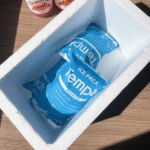
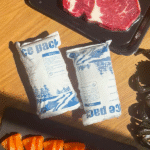
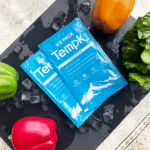
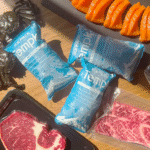
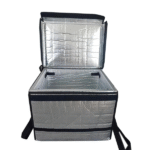
Enfriadores & Bolsas aisladas: ¿Cuál deberías usar??
Si estás eligiendo refrigeradores & bolsas aisladas, comienza con una pregunta simple: how long until your food reaches a fridge (or gets eaten)? A fast grocery run can work with an insulated bag, while longer trips usually reward a cooler. Here’s a practical trigger: if you carry frozen foods, carne, mariscos, or dairy for more than 20–30 minutes, ice packs become a real safety and quality upgrade.
Este artículo responderá por ti.:
- como elegir refrigeradores & bolsas aisladas por time-to-fridge and route complexity
- un sencillo refrigeradores & insulated bags hold time with ice packs decision tool you can use in 2 minutos
- Which features matter most for leak control, estabilidad, y fácil limpieza
- A repeatable packing method (so you stop losing cold to air gaps and openings)
- How businesses use refrigeradores & insulated bags for grocery delivery without chaos
What is the real difference between coolers & bolsas aisladas?
Enfriadores & bolsas aisladas do the same job—slowing temperature change—but they behave differently in real life. A cooler usually lasts longer, protects against crushing, and contains leaks better. An insulated bag is lighter, faster to carry, and easier to store, but it loses performance faster when it’s under-packed or opened often.
A simple memory trick helps:
- A cooler is a “hard shell fridge substitute.”
- An insulated bag is a “soft shell temperature helper.”
Hard cooler vs soft insulated bag (comparación rápida)
| Característica | Enfriador duro | Soft insulated bag | Lo que significa para ti |
|---|---|---|---|
| Cold-hold potential | Más alto | Moderado | Long trips feel safer |
| Protección contra aplastamientos | Fuerte | Limitado | Less damage to fragile items |
| Weight and bulk | Más alto | Más bajo | Easier carrying and storage |
| Limpieza | Easy wipe/rinse | Depende del revestimiento | Odor control is easier in hard shells |
Consejos prácticos que puedes utilizar inmediatamente
- Viaje corto: choose lightweight refrigeradores & bolsas aisladas you’ll actually carry daily.
- Long drive or heat: choose a hard cooler or a structured bag with a tight closure.
- Artículos frágiles: prioritize structure and a stable base over extra pockets.
Caso práctico: A commuter switched from a floppy bag to a structured option. Containers stopped tipping, and lunch stayed cooler.
How do coolers & insulated bags keep items cold?
Enfriadores & bolsas aisladas don’t “make cold.” They protect the cold you already have by slowing heat transfer. Ice packs and frozen items supply the cold. Insulation and closure protect it.
Here’s the simplest analogy:
Temperature is like money in your wallet. Ice is the money. Insulation is the wallet. A better wallet doesn’t create money—it helps you keep it.
What actually improves cold performance?
- Aislamiento más grueso
- Tighter closures
- Less empty air space
- Menos vacantes
- Ice packs placed correctly
| Controlador de rendimiento | Por que importa | Resultado práctico |
|---|---|---|
| Closure seal | Blocks hot air | Mejor estabilidad |
| Densidad de embalaje | Reduces warm air pockets | Hold más largo |
| Colocación de bolsas de hielo | Protects sensitive items | Safer outcomes |
When should you choose a cooler instead of an insulated bag?
Choose a cooler when you need longer cold hold, protección más fuerte, or better leak containment. A cooler usually wins in high-risk or long-duration situations.
Typical cooler situations:
- Long drives (over 40–60 minutes)
- Seafood or raw meat transport
- Camping and outdoor events
- Bulk frozen shopping
- High-sensitivity items that must stay cold
Cooler selection tip that saves money
If your cooler is too big, you waste cold capacity because you’re cooling extra air. If it’s too small, you can’t fit ice packs correctly. A “right-sized” cooler usually beats a huge one for daily use.
When should you choose an insulated bag instead?
Choose an insulated bag when you want flexibility, peso más ligero, and fast daily use. Insulated bags are easier to carry, almacenar, and adapt to small errands.
Typical insulated bag situations:
- Lunch for work or school
- Short grocery trips
- Meal prep transport
- Delivery drivers with frequent carrying
Best practical answer: many households do best with one medium cooler + two insulated bags.
How do you choose coolers & insulated bags by time-to-fridge?
This is the fastest way to pick refrigeradores & bolsas aisladas without overthinking. Start with “time-to-fridge,” then adjust for heat and openings.
The 2-minute decision tool (interactivo)
Paso 1: How long until you reach your destination?
- Bajo 20 minutos: insulated bag is often enough
- 20–60 minutos: depends on what you carry
- Encima 60 minutos: cooler usually wins
Paso 2: What are you carrying?
- Helado, carne, mariscos, lácteos: cooler or high-performance insulated bag with ice packs
- Lunch and snacks: insulated bag is usually best
- comestibles mixtos: a combination often works best
Paso 3: What’s your biggest pain point?
- Leaks → cooler
- Heavy carrying → insulated bag
- Crushed items → cooler
- Storage space → insulated bag
Mini “ice pack count” rule (simple and realistic)
- Bajo 3 horas: compact insulated bag
- 3–6 horas: structured insulated bag + 2 bolsas de hielo
- Encima 6 horas: enfriador duro (or high-performance soft cooler) + 3 paquete
Which features matter most when comparing coolers & bolsas aisladas?
Most buying regret comes from ignoring a few boring features. El mejor refrigeradores & bolsas aisladas share four priorities: caza de focas, aislamiento, fácil limpieza, and a practical shape.
Cierres: the seal is everything
- Enfriadores: lid seal quality matters
- Bags: zipper or tight flap matters
A weak closure turns insulation into decoration.
Interior lining: clean fast or suffer later
Los derrames ocurren (melted ice water, meat drips, dairy leaks). Smooth liners that wipe or rinse easily prevent odors and “mystery stains.”
| Característica | Best sign | Por qué te ayuda |
|---|---|---|
| Calidad del sello | Cierre hermético | Mejor estabilidad de la temperatura |
| Limpieza | Wipe-clean or rinse | Less odor and mold |
| Estructura | Base estable | Fewer leaks and crush events |
How do you choose the right size for coolers & bolsas aisladas?
Sizing is where most people fail with refrigeradores & bolsas aisladas. Too big wastes performance. Too small creates warm spots and messy packing.
Practical size guide (vida real)
- Pequeño (personal): almuerzo, bebidas, bocadillos
- Medio (household): weekly grocery cold items
- Grande (evento): fiestas, cámping, bulk frozen
The “fit test” (interactivo, 60 artículos de segunda clase)
Write down what you carry most often:
- Containers/bottles count: ___
- One “most sensitive” item (helado, sushi, lácteos): ___
- Ice packs you can fit without forcing: ___
Regla: if you can’t fit ice packs comfortably, you bought storage—not temperature control.
How should you pack coolers & insulated bags for best results?
Packing rules can double the performance de refrigeradores & bolsas aisladas without buying anything new. Tu objetivo es simple: reduce warm air pockets and protect sensitive items first.
Packing rules you can follow every time
- Put the coldest items at the bottom (they act like ice).
- Coloque bolsas de hielo encima (top packs reduce warm air entry).
- Group similar temperature items together.
- Keep raw meat and seafood separated.
- Fill empty space with a towel or extra cold items when possible.
The “cold sandwich” method (the easiest upgrade)
Place ice below and above your perishables, then pack tightly to reduce air gaps. This keeps temperature steadier, especially when you open the lid.
| Elección de embalaje | Better option | Por que funciona | Your practical gain |
|---|---|---|---|
| One pack on the side | Packs top + abajo | Shields from heat entry | Steadier temperature |
| Loose items | Tight stacking | Less air circulation | Hold más largo |
| Caliente + frio juntos | Separate containers | Avoids warming cold lane | Safer outcomes |
Packing example for a mixed grocery run
If you buy ice cream, pollo, lácteos, y verduras:
- Enfriador: helado + comidas congeladas + 1–2 ice packs
- Bolsa 1: lácteos + bolsa de hielo
- Bolsa 2: pollo (sellado) + mariscos (sellado)
Caso práctico: A family used the cold sandwich method for dairy and meat. They reduced “arrived warm” surprises on summer trips.
Can coolers & insulated bags handle hot foods too?
Sí, but mixing hot and cold is a common mistake. Hot items release steam, soak packaging, and warm cold foods inside a sealed space. The simplest rule is two lanes: carril caliente y cold lane.
Hot-lane packing rules (simple)
| Artículo caliente | Riesgo clave | Mejor práctica | Lo que significa para ti |
|---|---|---|---|
| sopas | Derrames | base rígida + upright carry | Fewer messes |
| Rotisserie meals | Vapor | Brief venting first | Less soggy packaging |
| Meal prep boxes | Transferencia de calor | Keep separate | Protects cold lane |
Consejos prácticos y recomendaciones.
- Never place hot above cold. Heat rises and warms your cold lane.
- Use a towel layer. It protects liners from small leaks and condensation.
- Dry after every use. Warm steam can create odor if stored damp.
How do you clean and maintain coolers & bolsas aisladas?
Cleaning is part of performance. Odors and residue reduce repeat use. Most long-term smell comes from trapped moisture and storing gear closed while damp.
Cleaning routine that fits real life
| Frecuencia | Que hacer | Tiempo | Lo que significa para ti |
|---|---|---|---|
| Después de cada uso | Limpiar el forro + zipper zone | 1–2 minutos | Previene la acumulación |
| Semanalmente | Lavado suave + enjuagar | 10–15 minutos | Resets odors |
| Mensual | Inspeccionar costuras + base | 5 mínimo | Extends lifespan |
Odor rule: never store a bag or cooler closed while damp. Drying is the difference between “fresh” and “musty.”
How do businesses use coolers & insulated bags for last-mile delivery?
For business, refrigeradores & bolsas aisladas are not accessories. They’re equipment. More stops mean more openings, more staging time, and less control over customer readiness. That’s why operations discipline matters more than the “perfect product.”
Route-risk scoring (interactivo)
Puntuación de cada factor 0–2:
- Paradas por ruta
- Door openings per hour
- Outdoor exposure time
- Calor ambiental
- Complejidad del pedido
guía de puntuación:
- 0–4: basic SOP likely holds
- 5–7: agrega más hielo + tighter staging rules
- 8–10: use structured systems + stronger separation
| Business risk | ¿Qué lo causa? | solución rápida | Lo que significa para ti |
|---|---|---|---|
| Demasiadas vacantes | Searching for items | Carga de orden de parada | Menos variación de temperatura |
| Puesta en escena cálida | Orders waiting | Carril de preparación solo para frío | Menos reclamaciones |
| Órdenes mixtas | Confusión | Labeling/color tags | Menos reembolsos |
Caso práctico: A delivery team reduced complaints after changing load order and adding a visible staging timer.
2025 latest developments and trends in coolers & bolsas aisladas
En 2025, refrigeradores & bolsas aisladas are trending toward designs that are easier to sanitize and harder to mess up. You see more rigid bases, seam protection, and wipe-clean liners because users want less mess. You also see more modular organization to reduce full-lid openings and keep orders separated.
Última instantánea del progreso
- Better leak control: seam protection and improved liner construction
- More structured shapes: menos propinas, mejor apilamiento
- Modular interiors: faster access with fewer temperature hits
- Operational KPIs: warm minutes and door-open minutes guide improvements
Insight del mercado (why this matters to you)
People stick with systems that feel effortless. Convenience drives real usage, and real usage drives real temperature protection.
Imágenes recomendadas (interno, Sin enlaces externos)


Sugerencias de enlaces internos (3–5)
- Ice pack sizing calculator for thermal containers
- Food time-and-temperature basics for perishables
- Last-mile staging SOP for chilled deliveries
- Cleaning and sanitation guide for reusable thermal gear
- Damage-proof packing layouts for fragile items
Preguntas frecuentes
Q1: Are coolers better than insulated bags?
No siempre. Coolers usually hold temperature longer and protect better, but insulated bags are lighter and easier for daily use.
Q2: Can insulated bags keep ice cream frozen?
Para viajes cortos, yes—especially with ice packs and a tight zipper. For longer trips or hot weather, a cooler is more reliable.
Q3: Do I need ice packs with coolers & bolsas aisladas?
If you carry frozen foods, carne, mariscos, or dairy for more than 20–30 minutes, ice packs significantly improve safety and quality.
Q4: Why do my insulated bags smell bad?
Odor usually comes from trapped moisture in seams. Wipe quickly and dry fully with the bag open after each use.
Q5: What is the best starter setup for most households?
One medium cooler plus two insulated bags often covers groceries, almuerzo, and short trips without overbuying.
Resumen y recomendaciones
Enfriadores & bolsas aisladas work best when you match the container to your time-to-fridge, empacar firmemente, and limit openings. Coolers are stronger for long trips, calor, and fragile items. Insulated bags are better for daily carry and short errands. Most results come from routine: right-sized gear, ice placed correctly, and fast cleaning plus full drying after use.
Plan de acción (haz esto a continuación)
- Measure your typical trip length and what you carry most.
- Use the 2-minute decision tool to pick your default setup.
- Pack with the cold sandwich method for sensitive items.
- Reduce openings by grouping items and planning access once.
- Wipe and dry open every time to prevent odors and missed cleanups.
CTA: If you want fewer melted items and fewer leaks, build a simple routine using the right mix of refrigeradores & bolsas aisladas—not a one-size-fits-all guess.
Acerca de Tempk
Y tempk, we focus on practical temperature-control packaging and workflows for real handling conditions. We help teams choose structures that reduce spills, evitar el aplastamiento, and support repeatable cold performance. We also emphasize simple SOPs, facilidad de limpieza, and measurable routines that reduce temperature drift in daily life and last-mile delivery.
Siguiente paso: Consult our specialists to choose refrigeradores & bolsas aisladas by hold-time needs, método de embalaje, and product sensitivity for 2025 use cases.
Marcado de esquema recomendado (JSON-LD)
{
  "@context": "https://schema.org",
  "@type": "Article",
  "headline": "Coolers & Insulated Bags: Which Should You Use?",
  "datePublished": "2025-12-19",
  "dateModified": "2025-12-19",
  "inLanguage": "en",
  "author": { "@type": "Organization", "name": "Tempk" },
  "publisher": { "@type": "Organization", "name": "Tempk" },
  "mainEntityOfPage": "https://www.tempk.com/coolers-and-insulated-bags",
  "keywords": [
    "coolers & insulated bags",
    "how to choose coolers & insulated bags",
    "coolers & insulated bags for grocery delivery",
    "coolers & insulated bags hold time with ice packs",
    "leakproof coolers & insulated bags cleaning",
    "best size coolers & insulated bags for work commute"
  ],
  "description": "A 2025 practical guide to choosing, packing, and cleaning coolers & insulated bags for daily use and last-mile delivery."
}
{
  "@context": "https://schema.org",
  "@type": "HowTo",
  "name": "How to choose and use coolers & insulated bags",
  "dateModified": "2025-12-19",
  "step": [
    {
      "@type": "HowToStep",
      "name": "Choose by time-to-fridge",
      "text": "Under 20 minutes, an insulated bag is often enough. Over 60 minutes, a cooler usually wins. Adjust for heat and opening frequency."
    },
    {
      "@type": "HowToStep",
      "name": "Pick the right size",
      "text": "Choose a size that fits your usual items plus ice packs without forcing. Too big wastes cold on empty air."
    },
    {
      "@type": "HowToStep",
      "name": "Use the cold sandwich method",
      "text": "Place one ice pack below and one above sensitive items, then reduce air gaps by packing tightly."
    },
    {
      "@type": "HowToStep",
      "name": "Separate hot and cold lanes",
      "text": "Avoid packing hot and cold together. Use a separate hot-lane container to protect your cold lane."
    },
    {
      "@type": "HowToStep",
      "name": "Clean and dry after each use",
      "text": "Wipe the liner and zipper zone, then dry open with airflow. Never store the container closed while damp."
    }
  ]
}
{
  "@context": "https://schema.org",
  "@type": "FAQPage",
  "mainEntity": [
    {
      "@type": "Question",
      "name": "Are coolers better than insulated bags?",
      "acceptedAnswer": {
        "@type": "Answer",
        "text": "Not always. Coolers usually hold temperature longer and protect better, but insulated bags are lighter and easier for daily use."
      }
    },
    {
      "@type": "Question",
      "name": "Do I need ice packs with coolers & insulated bags?",
      "acceptedAnswer": {
        "@type": "Answer",
        "text": "If you carry frozen foods, meat, seafood, or dairy for more than 20–30 minutes, ice packs significantly improve quality and safety."
      }
    },
    {
      "@type": "Question",
      "name": "How do I stop leaks and smells?",
      "acceptedAnswer": {
        "@type": "Answer",
        "text": "Use sealed containers, choose a wipeable liner, wipe spills immediately, and dry the bag or cooler open after every use."
      }
    }
  ]
}