Cómo evaluar un fabricante de paquetes de gel refrescante en la India: Una guía práctica de compras y especificaciones
Elegir un paquete de gel refrescante El fabricante indio es más fácil cuando ignora el lenguaje de ventas genérico y se concentra en cuatro verdades operativas.: temperatura objetivo, duración del tránsito, geometría del paquete, y coherencia entre la muestra y la producción.
Esa visión equilibrada es importante porque los compradores a menudo se ven empujados hacia los extremos.. Un lado reduce la decisión sobre el precio de la bolsa y evita fugas, mano de obra, y costos de deterioro. La otra parte diseña demasiado el programa y paga por un rendimiento que el carril en realidad no necesita.. Un mejor enfoque es hacer coincidir el formato del refrigerante con el trabajo de envío real y luego verificar que el proveedor pueda reproducirlo de manera consistente..
Las secciones siguientes combinan consejos prácticos de compra., puntos de referencia técnicos públicos, y precauciones específicas de la aplicación para que pueda tomar una decisión más segura sin convertir una simple revisión del paquete en un proyecto demasiado complicado..
La información pública sobre productos de la India posiciona cada vez más los paquetes de gel junto a los congeladores rápidos., cajas aisladas, cartuchos PCM, y soluciones de transporte validadas. Esta es una señal útil para los compradores.: Los buenos fabricantes en la India suelen tener una mentalidad sistémica., no sólo vendedores de bolsas.
Elegir el formato con menos sorpresas
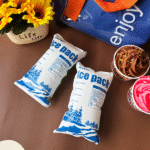
Un paquete de gel refrescante suele ser una buena opción cuando se necesita un manejo limpio., colocación predecible, amortiguación térmica moderada, y un formato que se puede ampliar a través de envíos repetidos. Es especialmente útil cuando el agua derretida suelta sería un problema., cuando el área de contacto del producto importa, o cuando necesitas una bolsa que ocupe menos espacio que una botella dura o un ladrillo.
Puede ser una elección equivocada cuando la ruta es tan exigente que el envío necesita un sistema cualificado de larga duración., cuando el producto es muy sensible al frío, o cuando la geometría del paquete no se ajusta a la caja sin aplastar la carga útil. en esos casos, la mejor respuesta puede ser un refrigerante diferente, un nivel de aislamiento diferente, o un rediseño completo del sistema pasivo.
Por eso los mejores proveedores no tratan cada oportunidad como una venta de stock.. Te ayudan a definir el objetivo de temperatura, riesgo de ruta, método de manipulación, y el costo del fracaso primero. Una vez que eso esté claro, El formato de refrigerante correcto suele ser mucho más fácil de defender internamente..
Comience con el trabajo térmico, No la etiqueta del producto
Un paquete de gel refrescante funciona como un amortiguador térmico dentro de un sistema de envío pasivo. No genera frío por sí solo.. Almacena energía de enfriamiento durante la refrigeración o congelación., luego absorbe el calor entrante mientras el transportador aislado reduce la velocidad de aumento de temperatura. eso suena simple, pero el rendimiento real cambia con el tiempo de acondicionamiento, colocación del paquete, relleno de cartón, temperatura exterior, y con qué frecuencia se abre la caja.
Las orientaciones públicas sobre la cadena de frío y los catálogos de productos apuntan a la misma verdad práctica: El tiempo de espera nunca es un número fijo que pertenezca únicamente al paquete.. Un catálogo puede mostrar una 24 a 48 ventana de hora, pero esa cifra sólo tiene sentido junto con el valor de aislamiento de la caja, el perfil ambiental, y la cantidad de refrigerante utilizado. Para envíos de mayor riesgo, La forma correcta de comparar opciones es probar el paquete completo en lugar de copiar un reclamo de otro carril..
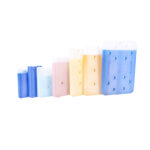
En muchas operaciones, Los compradores comparan envolturas flexibles., bolsas planas, ladrillos rígidos, y elementos basados en PCM. Los formatos flexibles mejoran el contacto y pueden envolver la geometría del producto.. Los formatos rígidos pueden ser más fáciles de colocar de manera predecible y pueden resistir mejor la compresión.. PCM significa material de cambio de fase.: un refrigerante diseñado para congelarse y derretirse alrededor de un punto de temperatura más específico que un gel estándar a base de agua. Esto puede resultar útil cuando desea un control de temperatura más estrecho., pero también plantea la necesidad de un acondicionamiento y un diseño de empaque más disciplinados..
Las diferencias de formato que importan en las adquisiciones
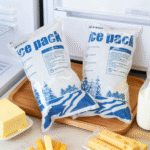
La mayoría de los paquetes de gel comerciales se construyen a partir de dos elementos.: una película exterior flexible y un medio refrigerante interior. La información pública del producto muestra varios enfoques comunes. Algunas mochilas se basan en geles poliméricos a base de agua que permanecen semisólidos en lugar de convertirse en un bloque duro de hielo.. Algunos utilizan polímeros superabsorbentes., a menudo materiales a base de poliacrilato de sodio, encerrar agua en un hidrogel. Otros usan carboximetilcelulosa o sistemas relacionados para crear un gel resistente a fugas con una sensación y un perfil de flujo diferentes..
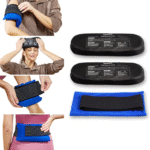
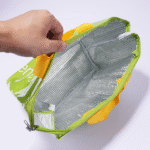
El paquete exterior no es un detalle menor. Los productos duraderos de cadena de frío se describen comúnmente con polietileno., polinylon, laminado de nailon, o construcciones basadas en TPU dependiendo de si el objetivo es la durabilidad en el transporte, control de humedad, o comodidad del contacto corporal. Para paquetes de envío, La resistencia a la perforación y la resistencia del sellado son fundamentales porque una fuga puede dañar las cajas., etiquetas, materiales absorbentes, o la carga útil en sí. Para paquetes de terapia y cuidado personal., blandura, flexibilidad, y los ciclos repetidos de calentamiento o congelación a menudo se vuelven igualmente importantes.
Los compradores también deben distinguir los paquetes de gel estándar de los elementos PCM más específicos para la temperatura.. Un paquete de gel estándar estilo 0°C se usa ampliamente para envíos refrigerados.. Hay fórmulas bajo cero y opciones PCM disponibles para aplicaciones congeladas o de temperatura controlada.. La elección correcta depende de los requisitos del producto., No sobre qué opción suena más avanzada.. Un sistema de gel estándar bien equipado puede superar en rendimiento a una costosa solución PCM cuando la ruta es corta y la carga útil es tolerante., mientras que lo contrario puede ser cierto para carriles de banda más larga o más estrecha.
Cuando una bolsa de gel estándar es suficiente
No todos los envíos sensibles a la temperatura necesitan el mismo nivel de ingeniería. Una ruta doméstica corta para alimentos o bienes de consumo refrigerados puede funcionar bien con una bolsa de gel estándar y una modesta caja aislada.. Una ruta más larga, una carga útil farmacéutica de mayor valor, o una banda de control estrecha puede requerir un sistema de envío más calificado, un refrigerante diferente, o ambos.
Por eso los compradores deberían resistir la tentación de comparar productos únicamente por su frialdad.. La pregunta correcta es si el formato seleccionado es apropiado para el producto., la duración del tránsito, el perfil de manejo, y la consecuencia del fracaso. En muchas aplicaciones rutinarias, un paquete de gel duradero es una respuesta sensata y económica. En operaciones de mayor riesgo, Puede que solo sea un componente de un diseño térmico más exigente..
La guía pública sobre la cadena de frío para el transporte farmacéutico y sanitario refuerza este punto al distinguir los componentes del embalaje de los sistemas cualificados.. Un buen proveedor le ayuda a definir ese límite con antelación en lugar de dar a entender que cada problema de refrigeración o congelación se puede resolver comprando una bolsa más fría..
Por qué la disciplina de acondicionamiento es más importante de lo que muchos compradores esperan
El acondicionamiento suele tratarse como un detalle del almacén., pero afecta fuertemente el rendimiento. Un paquete que está sólo parcialmente congelado, demasiado descongelado, o preparado de forma inconsistente antes del embalaje no se comportará como el paquete que se probó. Ésa es una de las razones por las que a veces los proveedores parecen "cambiar" el desempeño incluso cuando la formulación es la misma.: el método de operación diario cambió.
El método de validación correcto depende del riesgo. Para bienes de consumo refrigerados habituales, una prueba de muestra disciplinada en el transportista previsto puede ser suficiente. Para laboratorio, farmacéutico, u otras aplicaciones sensibles, El sistema de embalaje completo puede necesitar una cualificación formal., perfil de ruta, o al menos un estudio de temperatura más estructurado. La guía de transporte de la OMS para productos farmacéuticos sensibles a la temperatura también enfatiza que los sistemas de embalaje deben calificarse antes de su uso..
Cuando ejecutas un piloto, registrar más que la temperatura máxima. Registre cuánto tiempo estuvieron acondicionados los paquetes., cuantos fueron usados, donde fueron colocados, la masa de carga útil, el perfil ambiental, y el estado de la caja al recibirlo. Esos detalles hacen que los resultados sean reutilizables.. sin ellos, Los equipos a menudo repiten la misma prueba sin darse cuenta de que el método de embalaje cambió..
Cómo los compradores experimentados reducen la elección
Encajar primero: comparar dimensiones internas y externas, perfil congelado, y espacio de carga útil utilizable en lugar de depender de planos, medidas descongeladas.
Objetivo térmico siguiente: definir si el paquete admite congelados, refrigerado, temperatura ambiente controlada, o simple amortiguación de calor, luego rechazar cualquier cosa fuera de ese propósito.
Calidad del material y del sello: pregunta cuál es la película de la bolsa, cómo se hace la costura, y cómo el proveedor controla las fugas y la resistencia a las explosiones..
Método de funcionamiento: bloquear la rutina de acondicionamiento, tiempo de permanencia del congelador, ventana de descongelación si es relevante, y ubicación exacta del paquete en la caja.
Herramientas útiles para tomar decisiones
Comprueba los detalles antes de elegir el embalaje.
Estas herramientas rápidas pueden ayudarle a comparar el riesgo de la ruta, necesidades de dimensionamiento, opciones de refrigerante, y detalles del embalaje antes de solicitar una cotización.
Calculadora de hielo seco
Calcule las necesidades de hielo seco para envíos congelados o ultrafríos antes de empacar.
Estimar hielo secorefrigerante & Referencia PCM
Compare las opciones de refrigerante y PCM cuando una ruta necesite soporte de temperatura adicional.
Comparar opcionesReferencia del material aislante
Compare opciones de materiales aislantes para diferentes necesidades de embalaje de la cadena de frío.
Comparar materialesIdoneidad de la ruta: prueba contra el carril real, incluida la exposición estacional, recuento de traspasos, y riesgo de retraso en la recepción.
Consistencia sobre marketing: dar más peso a la trazabilidad del lote, control de cambios, y alineación de la muestra con la producción que a afirmaciones genéricas sobre ser premium o ecológico.
Estos puntos de decisión son útiles porque acercan la adquisición, operaciones, y calidad en una misma conversación. Cuando los tres grupos puedan leer el mismo informe escrito y las mismas respuestas del proveedor., resulta mucho más fácil elegir un formato que seguirá funcionando dentro de seis meses.
Lo que los compradores deberían preguntar a los fabricantes indios
La revisión de proveedores más útil está operativa., no promocional. Pídale al fabricante preseleccionado que responda las mismas preguntas en el mismo formato., luego compare las respuestas escritas una al lado de la otra. Ese enfoque expone rápidamente afirmaciones vagas y facilita la gestión de las pruebas piloto..
Pregunte si la fábrica puede suministrar solo paquetes de gel congelado estándar o también variantes de PCM para 2 a 8 °C., temperatura ambiente controlada, y aplicaciones congeladas.
Revisar el control de fabricación sobre las dimensiones de la bolsa., calidad del sello, y llenar masa. Estos conceptos básicos importan más que las afirmaciones generales sobre ser una fábrica..
Comprobar soporte de acondicionamiento. Los proveedores públicos de cadena de frío de la India a menudo combinan los paquetes de gel con las rutinas de los congeladores o cámaras frigoríficas., que puede ser fundamental para la ampliación.
Discutir el uso nacional versus el de exportación. Un fabricante puede ser fuerte en reabastecimiento local pero menos preparado para el papeleo de exportación, programas de marca privada, o control de especificación repetido.
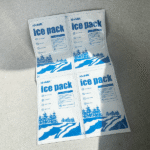
Pregunte por formatos de envases como bolsas multiceldas, refrigerantes tipo botella, y tamaños personalizados. Algunos fabricantes indios ofrecen una amplia flexibilidad de formato, que puede reducir el desperdicio de embalaje.
Si sus rutas enfrentan un alto estrés ambiental, Solicite pruebas específicas de carril o al menos un programa de muestra disciplinado en lugar de asumir que un paquete de gel de catálogo funcionará en todas partes..
Solicitar disciplina de control de cambios. Si la fábrica altera la película., llenar la química, ajustes del sello, o dimensiones de la bolsa, Debes saberlo antes de que el cambio llegue a producción..
Pregunte a quién pertenece las preguntas técnicas después del lanzamiento. Un fabricante fuerte puede explicar el comportamiento del paquete, acondicionamiento, y trazabilidad de lotes sin tener que enviarle de nuevo a la copia de ventas.
Por lo general, es más fácil trabajar con un proveedor que responde claramente a estos puntos más adelante, cuando se cambia de carril., aparece una denuncia, o se agrega un nuevo SKU.
Donde los compradores comúnmente se equivocan
El primer error común es comprar por nombre de formato en lugar de por trabajo térmico.. Dos proveedores pueden ofrecer ambos un paquete de gel o una envoltura de gel., pero uno puede construirse para un carril corto para paquetes refrigerados mientras que el otro está destinado a terapia corporal directa o uso unidireccional de bajo costo.. La etiqueta por sí sola no dice lo suficiente.
El segundo error es asumir que más frío siempre es mejor. Esa lógica puede dañar los cosméticos, flores sensibles al frío, y algunos productos farmacéuticos con la misma facilidad que los protege. Una buena adquisición comienza con la gama aceptable del producto y el diseño completo del paquete..
El tercer error es aprobar una muestra sin bloquear la especificación.. Pequeños cambios en el tamaño de la bolsa, película, o la masa de relleno puede cambiar la forma en que se congela el paquete, ataques, y realiza. Si el proveedor no puede mantener la muestra y la producción alineadas, efectivamente estás volviendo a probar cada pedido sin saberlo.
Finalmente, Muchos equipos ignoran las condiciones de recepción.. Pregunte cómo debería verse la mochila a su llegada., ¿Qué umbral de fuga es aceptable?, y cómo el personal de almacén o de atención al cliente debe informar los problemas. Un programa de compras se vuelve mucho más sólido cuando se acuerdan los criterios de falla antes de que se envíe el primer pedido grande..
Preguntas frecuentes
¿Cuánto tiempo mantendrá frío un paquete de gel??
No existe un número único honesto para cada envío. Las páginas públicas de productos a menudo hacen referencia a 24 a 48 rango de horas para ciertos formatos, pero el tiempo de espera real depende del aislamiento, condiciones ambientales, recuento de paquetes, masa de carga útil, y cómo se acondiciona y coloca el refrigerante.
Lo que importa más al comparar fabricantes: química o cine?
Ambos importan, pero la calidad de la película y del sello a menudo se pasa por alto. Se desperdicia un buen gel si la bolsa tiene fugas., delamina, o se congela en una forma que daña la carga útil. Los mejores fabricantes gestionan la formulación en gel., peso de relleno, elección de película, y control de sellado como una especificación.
¿Cuándo debe pasar de un paquete de gel estándar a PCM o a un sistema calificado??
Subir cuando el producto tenga una tolerancia de temperatura estrecha, la ruta es larga o impredecible, o el costo del fracaso es alto. PCM y cargadores calificados agregan valor cuando resuelven un problema definido; No son actualizaciones automáticas para cada carril..
Conclusión
El programa de paquetes de gel refrescante más potente es el que se adapta a la ruta., el producto, y la rutina operativa sin agregar complejidad evitable. Por lo general, eso significa elegir un proveedor o fabricante que pueda explicar el paquete en términos del sistema.: temperatura objetivo, método de acondicionamiento, ajuste de cartón, durabilidad, y repetibilidad desde la muestra hasta la producción.
Si comparas opciones de esa manera, es mucho más probable que reduzca las quejas de temperatura, evitar el sobreembalaje, y mantener las decisiones de adquisición basadas en el desempeño real del envío en lugar de en el lenguaje genérico del catálogo..
Acerca de Tempk
Y Tempk, Nos centramos en envases con control de temperatura en todos los alimentos., médico, biofarmacéutica, y aplicaciones de refrigeración cotidianas. Nuestra gama de productos públicos incluye productos personalizados. bolsas de hielo, bolsas aisladas y cajas, cubiertas térmicas para palets, portadores de insulina, y otros envases personalizados para control de temperatura, y nuestro sitio destaca la selección de materiales, control de calidad, y un laboratorio certificado por CNAS. Esto brinda a los compradores un punto de partida práctico cuando necesitan un formato de paquete de gel vinculado a condiciones operativas reales en lugar de una recomendación única para todos..
Siguiente paso
Si está reduciendo proveedores ahora, Comience con un resumen escrito que cubra el rango de temperatura., tiempo de tránsito, tamaño del producto, y rutina de acondicionamiento. Una prueba piloto breve con las medidas correctas normalmente ahorrará mucho más que otra ronda de cotizaciones genéricas..