Paquete de hielo seco para distribuidor para entrega de lácteos: Cómo elegir el paquete adecuado antes de comprar
Antes de pedir un distribuidor bolsa de hielo seco para entrega de lácteos, definir el requisito de temperatura del producto y el riesgo real de la ruta. El paquete es sólo una parte del sistema de cadena de frío.. Para productos lácteos, la elección correcta debe equilibrar la fuerza de enfriamiento, aislamiento, sensibilidad del producto, seguridad en el manejo, documentación, y consistencia de proveedores. Una buena decisión en bloque comienza con un ajuste verificado, no con el precio unitario más bajo cotizado ni con el nombre de refrigerante más agresivo.
Comience con la temperatura del producto, No es el nombre del paquete
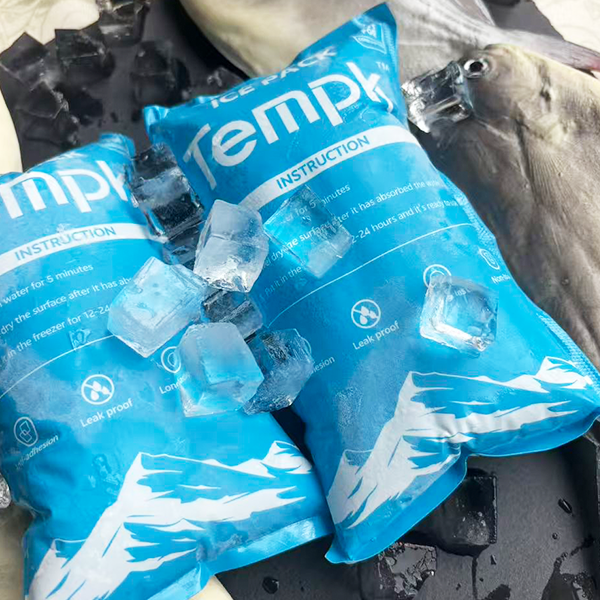
La frase bolsa de hielo seco puede señalar diferentes realidades. Puede significar dióxido de carbono sólido colocado en el embalaje., o puede significar un hidratado, reutilizable, Congelador acondicionado compresa fría utilizado como componente de enfriamiento estilo hielo seco. El nombre importa porque los requisitos de manejo, intensidad del frio, y las expectativas de los operadores no son las mismas. Un comprador debe definir la identidad del refrigerante antes de discutir el precio., volumen, o impresión personalizada.
Para productos lácteos, El primer requisito escrito debe ser la condición requerida del producto.. La entrega de lácteos generalmente tiene como objetivo mantener los productos refrigerados y limpios en lugar de congelados.. El paquete debe diseñarse en torno a ese requisito.. Si el producto debe permanecer frío, Se debe controlar el riesgo de congelación.. Si debe permanecer congelado o ultrafrío, El comprador necesita suficiente reserva de refrigeración y un transportista que pueda gestionar la ruta..
El segundo requisito es la evidencia.. Es posible que una entrega interna pequeña solo necesite un registro simple.. Un regulado, exportar, médico, o envíos comerciales de alto valor pueden necesitar registradores de datos, POE escritos, y revisión de calidad. La bolsa de hielo seco no crea esa evidencia por sí sola; debe ser parte de un proceso.
Cuando tiene sentido una bolsa de hielo seco para el distribuidor para la entrega de productos lácteos
Una bolsa de hielo seco puede tener sentido cuando la ruta necesita más reserva de enfriamiento que la que el aislamiento básico puede proporcionar y el producto puede tolerar el perfil térmico resultante.. Un paquete estilo hielo seco puede ayudar a proteger los productos lácteos refrigerados cuando se separa del producto y se combina con un recipiente aislado probado. También puede tener sentido cuando el comprador necesita una ubicación flexible del paquete., poca suciedad en comparación con el hielo suelto, o un formato de paquete repetible para el personal del almacén.
El paquete es más útil cuando el resto del transportista está controlado.. Eso significa que el producto comienza en la condición correcta., el pack esta totalmente acondicionado, el aislamiento es apropiado, Se gestiona el espacio vacío., y el receptor sabe qué hacer. Si alguno de esos elementos falta, agregar un paquete más fuerte puede ocultar la raíz del problema en lugar de resolverlo.
Para compras al por mayor, El comprador también debe considerar la capacidad del congelador.. Las mochilas de hidratación y las mochilas de gel o PCM deben acondicionarse antes de su uso.. Un pedido grande que no se puede congelar, escenificado, y girado correctamente no ofrecerá el rendimiento esperado. El espacio de almacenamiento y el flujo de trabajo deben ser parte de la decisión de compra..
Donde no es suficiente
Una bolsa de hielo seco no es suficiente cuando se desconoce la gama de productos, el remitente no está aislado, la ruta del transportista no está controlada, o el receptor no actúa con prontitud. El hielo seco sólido no debe tratarse como un enfriador de lácteos general porque puede congelar productos sensibles y requiere ventilación de gas si se usa.. Tampoco es suficiente cuando el comprador necesita documentación reglamentaria pero no ha definido criterios de aceptación ni responsabilidades de seguimiento..
Puede ser la herramienta equivocada cuando el producto es sólo ligeramente sensible al calor.. en esos casos, un PCM controlado, paquete de gel, revestimiento aislado, bolsa termica, o un vehículo frigorífico puede ser más adecuado. El sobreenfriamiento puede dañar el producto., crear humedad, aumentar el peso de la carga, y complicar el manejo. El diseño de cadena de frío más seguro no siempre es el más frío.
Tampoco basta con aprobar un paquete basándose en un envío exitoso sin entender por qué funcionó.. Si la ruta fuera suave, la carga útil era pequeña, o el receptor abrió la caja inmediatamente, el mismo método puede fallar en una ruta más calurosa o más larga. Una buena decisión separa la suerte del desempeño repetible.
Controles de distribuidores que protegen a los clientes intermedios
| cheque del comprador | Por que importa | Qué preguntar antes de realizar el pedido |
|---|---|---|
| Requisito de temperatura del producto | Los productos lácteos pueden resultar dañados tanto por el calentamiento como por el enfriamiento excesivo.. | ¿Qué rango exacto de almacenamiento o transporte debe proteger el paquete?? |
| Identidad del refrigerante | Paquetes hidratados estilo hielo seco, Paquetes de PCM, paquetes de gel, y el CO2 sólido se comportan de manera diferente. | ¿El paquete contiene dióxido de carbono sólido?, ¿O es un paquete acondicionado para congelar?? |
| Acondicionamiento del paquete | Un paquete que no está completamente acondicionado tiene una reserva de enfriamiento menos útil.. | ¿Cómo se deben remojar los paquetes?, congelado, escenificado, y cargado? |
| Carga útil y espacio vacío | El espacio vacío cambia el flujo de aire y puede crear zonas cálidas o frías.. | ¿Qué tamaño de carga útil se utilizó en cualquier prueba o recomendación?? |
| Ruta de evidencia | Es posible que el rendimiento del laboratorio no coincida con el de un muelle caliente, espera de fin de semana, o retraso en la última milla. | ¿Puede el proveedor respaldar una prueba con registradores en su carril actual?? |
| control de cambios | Un pequeño cambio de material o tamaño puede alterar el rendimiento.. | ¿Se comunicarán los cambios de producción antes del envío a granel?? |
Utilice estas preguntas para comparar proveedores sobre la misma base. Una cotización que incluya detalles materiales., instrucción de acondicionamiento, y un consejo de embalaje no es lo mismo que una cotización de una hoja genérica. El objetivo no es crear papeleo innecesario.; El objetivo es evitar una compra que no se pueda utilizar de forma consistente..
Para entrega de lácteos, El comprador debe agregar cualquier pregunta específica del producto que afecte el lanzamiento o la venta.. Eso puede incluir sensibilidad al congelamiento., protección contra la humedad, transferencia de olores, manipulación de palés o paquetes, o la necesidad de evidencia de temperatura al recibir. Un proveedor que comprenda estas limitaciones puede recomendar una configuración más segura.
De la muestra al envío de rutina
La etapa de muestra debe copiar el envío real lo más fielmente posible.. Utilice la misma caja de producto, mismo remitente, mismo recuento de paquetes, misma amortiguación, mismo servicio de transportista, y lo mismo recibiendo instrucción. Si la carga útil final no está disponible, Utilice un maniquí térmico con masa y ubicación similares., y observe claramente la limitación. No pruebe una muestra pequeña y perfecta y luego suponga una mayor., la carga útil mixta se comportará igual.
durante la muestra, inspeccionar más que la temperatura. Compruebe si el paquete permanece intacto., si las etiquetas permanecen legibles, si las cajas se mojan, si las esquinas del producto tocan superficies frías, si el paquete es fácil de cerrar, y si el personal del almacén puede repetir el método sin una formación especial. Estas observaciones suelen explicar mejor las quejas futuras que los datos de temperatura por sí solos..
Después del primer juicio, decidir qué se puede estandarizar. La instrucción final debe identificar la cantidad del paquete., orientación del paquete, material amortiguador, colocación de carga útil, cierre de cartón, tiempo de envío, y acción del receptor. Si hay varias estaciones o rutas involucradas, crear más de una versión aprobada en lugar de dejar que el personal improvise.
Herramientas útiles para tomar decisiones
Comprueba los detalles antes de elegir el embalaje.
Estas herramientas rápidas pueden ayudarle a comparar el riesgo de la ruta, necesidades de dimensionamiento, opciones de refrigerante, y detalles del embalaje antes de solicitar una cotización.
Revestimiento de caja & Dimensionamiento de la cubierta de paleta
Lógica de tamaño de revestimiento de cajas y cubiertas de paletas para proyectos de embalaje aislado.
Estimar el tamañoSelector de embalaje
Compare las opciones de embalaje aislado por producto, ruta, y necesidad de temperatura.
encontrar embalajeGenerador de lista de cumplimiento
Cree una lista de verificación práctica para la revisión del embalaje, envío, y documentación.
Crear lista de verificaciónRecepción de Inspección y Mejora Continua
Recibir es donde la evidencia de la cadena de frío se convierte en una decisión comercial. El receptor debe inspeccionar el estado del paquete., estado del refrigerante, condición del producto, y cualquier registro de temperatura antes de que las mercancías pasen al almacenamiento de rutina.. Para productos lácteos, Los criterios de recepción deben redactarse de forma que se ajusten al producto.. Un receptor de mariscos puede inspeccionar el deshielo y el olor.. Un receptor farmacéutico puede revisar un archivo de registro y reglas de cuarentena. Un receptor de flores puede comprobar la hidratación y el estado de los pétalos..
El comprador debe recopilar comentarios sobre el envío temprano de forma estructurada.. Si las quejas se agrupan por región, transportador, estación, formato del producto, o comportamiento del receptor, Es posible que sea necesario ajustar el paquete.. Si un almacén tiene más fallos que otro, La práctica de acondicionamiento o carga puede ser inconsistente.. Si sólo las unidades de borde muestran daños, Es posible que sea necesario rediseñar la posición del paquete o la capa de amortiguación..
La mejora continua no debe convertirse en un cambio incontrolado.. Si un equipo reduce el número de paquetes, cambia el aislamiento, cambia las cajas exteriores, o sustituye un refrigerante, el cambio debe ser revisado. Embalaje de cadena de frío funciona como un sistema. Cambiar un componente puede ahorrar costos, pero también puede eliminar el margen que hizo que el paquete funcionara..
Preguntas frecuentes
¿Es una bolsa de hielo seco de distribuidor para la entrega de lácteos lo mismo que el hielo seco real??
No siempre. Algunos compradores usan la frase para dióxido de carbono sólido., mientras que otros lo usan para paquetes hidratados o reutilizables comercializados para enfriamiento estilo hielo seco. La diferencia es importante porque el hielo seco sólido libera gas dióxido de carbono y es extremadamente frío., mientras que un paquete hidratado generalmente se acondiciona en un congelador y se comporta más como un componente refrigerante. Pídale al proveedor que identifique claramente el refrigerante antes de decidirse por el etiquetado., manejo, o contacto del producto.
¿Puedo utilizar este tipo de envase directamente contra productos lácteos??
El contacto directo rara vez es la opción más segura. Los productos lácteos pueden ser sensibles a los puntos fríos., humedad, presión, o choque de temperatura. Usa un buffer, divisor, manga, o patrón de carga probado a menos que el proveedor y su equipo de calidad hayan confirmado que el contacto directo es aceptable. El objetivo no es enfriar más la zona más fría.; es mantener la carga útil dentro de las condiciones requeridas a lo largo de la ruta.
¿Qué debo solicitar a un proveedor antes de un pedido al por mayor??
Preguntar por formato de pack, materiales, instrucciones de acondicionamiento, paquete recomendado, compatibilidad con su transportista aislado, disponibilidad de muestra, y cualquier información de prueba vinculada a una carga útil definida y un perfil ambiental. Para pedidos de distribuidor, También confirme el embalaje de cartón, consistencia del lote, notificación de cambio, plazo de entrega, y si el proveedor puede respaldar una prueba de ruta antes del volumen de producción..
¿Todavía necesito un registrador de temperatura??
Para entregas locales de bajo riesgo, el comprador puede confiar en controles procesales. Para alto valor, regulado, exportar, médico, o rutas repetidas de riesgo de rechazo, Un registrador es a menudo la forma más práctica de comprender lo que sucedió durante el transporte.. Un registrador no protege el producto por sí solo, pero proporciona evidencia que le ayuda a mejorar el embalaje y tomar decisiones de recepción..
¿Cómo puedo saber si el paquete está sobreconstruido??
Un paquete sobredimensionado puede llegar muy frío, pero aun así será incorrecto si congela el producto., crea condensación, añade peso de carga innecesario, o desencadena requisitos de manipulación que no necesita. Revisar temperatura de llegada, condición del producto, condición de embalaje, estado del refrigerante, y comentarios del receptor sobre varios envíos. Luego reduzca o ajuste el refrigerante sólo mediante una prueba controlada..
Conclusión
Vale la pena considerar una bolsa de hielo seco para distribuidor para la entrega de productos lácteos cuando se adapta al producto., ruta, y requisito de evidencia. Comience con la condición requerida del producto., distinguir las bolsas tipo hielo seco hidratadas del dióxido de carbono sólido, y probar el paquete dentro del cargador real. Para entrega de lácteos, la decisión correcta protege la carga útil sin crear congelación, humedad, etiquetado, o recibir problemas.
Un comprador debe pasar de la búsqueda de productos a la calificación de rutas.: definir el requisito, solicitar muestras, probar el paquete, revisar recibir resultados, y luego escalar la compra. Esa secuencia es más lenta que ordenar solo por precio., pero crea un método que se puede repetir.
Acerca de Tempk
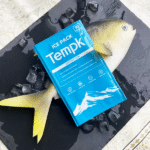
Tempk se centra en componentes de embalaje de cadena de frío, como paquetes estilo hielo seco, bolsas de hielo en gel, ladrillos de hielo, bolsas aisladas, revestimiento, Neveras EPP, y opciones de embalaje relacionadas para alimentos, farmacéutico, y envíos perecederos. Para entrega de lácteos, Nuestra función es ayudar a los compradores a pensar en la sensibilidad del producto., exposición de ruta, aislamiento, colocación de refrigerante, y coherencia práctica en el embalaje antes de escalar un pedido. Mantenemos la discusión centrada en lo que necesita el envío en lugar de en un solo nombre de paquete..
Comparte tu ruta de entrega de lácteos, carga útil, y condición de temperatura requerida con Tempk antes de realizar el pedido. Podemos ayudarle a comparar formatos de paquetes prácticos y decidir qué se debe probar antes de ampliarlo..
Notas adicionales para el comprador
Cuando un equipo evalúa una bolsa de hielo seco de distribuidor para la entrega de lácteos, debe evitar tratar la cotización como una respuesta técnica final. Una cita es un punto de partida.. Te dice el formato del pack, base de precio, y disponibilidad comercial. No le indica automáticamente si el paquete protegerá los productos lácteos en su ruta.. Esa respuesta depende del condicionamiento., aislamiento, masa de carga útil, colocación del paquete, estación, tiempo de permanencia, y comportamiento de recepción.
El documento útil más simple es una hoja de paquete de una página.. Debería mostrarle al transportista, el número de paquetes, donde se encuentra cada paquete, si se requiere un buffer, cómo se organiza la carga útil, cómo se cierra la caja, y qué debe hacer el receptor a su llegada. Para entrega de lácteos, Esta hoja puede evitar que el personal del almacén haga preguntas repetidas y puede facilitar mucho las comparaciones de proveedores..
Un comprador también debería preguntar cómo se manejan las excepciones.. Si un paquete no está completamente congelado, ¿Se puede utilizar?? Si la carga útil está más caliente de lo esperado, en caso de que el envío se retrase? Si el transportista pierde la recogida, ¿Se debe abrir y volver a empaquetar la caja?? Si el receptor informa un problema, quien revisa la decisión? Estas preguntas parecen operativas., pero definen si el packout es confiable bajo presión.
Finalmente, Recuerde que la selección de proveedores no es sólo una comparación de productos.. Es una prueba de comunicación.. El socio adecuado debería poder explicar lo que puede hacer la manada., donde puede ser inadecuado, y qué información aún se necesita antes de que una recomendación sea segura. Para compradores distribuidores, que la honestidad suele ser más valiosa que una afirmación amplia de que un paquete funciona para cada envío sensible a la temperatura.