Distribuidor de paquete de hielo seco para envío de carne: Cómo elegir el paquete adecuado
un distribuidor bolsa de hielo seco para el envío de carne vale la pena comprarlo solo cuando coincida con el producto, la ruta, y las pruebas que necesitas después del parto. Para la carne, La cuestión práctica no es simplemente qué tan fría está la mochila.. Los compradores deben confirmar si necesitan hielo seco de CO2 sólido, un paquete reutilizable estilo hielo seco, PCM, paquetes de gel, o un calificado cargador aislado, luego verifique cómo funciona esa elección con la carga útil real y las condiciones de manejo.
La decisión práctica en un párrafo.
Para la carne, no empieces con la compresa más fría. Comience con la condición permitida del producto., luego elija la fuente de frío de menor riesgo que pueda respaldar la ruta. El hielo seco puede ser útil para las líneas de carne congelada cuando se ventila, etiquetado, manejo, aislamiento, y se planifican los procedimientos de recepción, mientras que el hielo seco puede ser excesivo para la carne refrigerada que no debe congelarse o para envíos en los que el transportista no puede aceptar hielo seco.. El proveedor debería ayudarle a verificar que esto coincida con la caja real., carga útil, y proceso de manipulación.
Defina qué significa una bolsa de hielo seco en su informe de compra
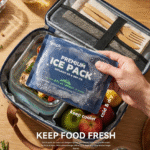
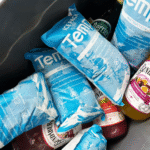
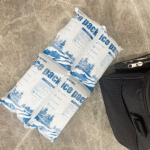
La frase "bolsa de hielo seco" debe aclararse en cada informe de compra.. Si se refiere a dióxido de carbono sólido, hielo seco., el comprador debe planificar para el frío extremo, ventilación de gas, marcas de hielo seco, seguridad en el manejo, y aceptación del transportista. Si se trata de una bolsa reutilizable estilo hielo seco, El comprador debe confirmar el material., método de hidratación o congelación, comportamiento del refrigerante, calidad de sellado, y si el envase está destinado a productos refrigerados., congelado, o uso amortiguado.
Esta definición no es un detalle de redacción.. Para la carne, afecta la seguridad del producto, selección de embalaje, mano de obra de almacén, instrucciones del cliente, y costo de logística. Un proveedor que no pueda explicar la diferencia aún puede vender un paquete., pero el comprador deberá descubrir la limitación durante las quejas., entregas rechazadas, o un envío de prueba fallido.
Los mejores informes de compra describen el producto., la condición requerida en el momento de la entrega, la longitud de la ruta, el aislamiento ya planeado, la exposición ambiental esperada, y cualquier documentación que el equipo receptor necesite. con esa informacion, un proveedor puede recomendar una dirección de embalaje en lugar de cotizar un tamaño de paquete genérico.
Haga coincidir el paquete con el riesgo de la carne, no a una reclamación de duración genérica
Muchos compradores piden una bolsa de hielo seco que dure un determinado número de horas.. Esa pregunta es entendible, pero esta incompleto. El tiempo de espera depende de la caja., masa de carga útil, cantidad del paquete, perfil ambiental, posición del paquete, cómo se sella el paquete, y cómo lo maneja el receptor. Un número de la hoja de datos de un proveedor puede ser útil para la selección., pero no debe considerarse como una garantía para todos los carriles..
La mejor pregunta es: ¿Qué condición debe cumplir la carne al final del recorrido?, y que evidencia lo demostrara? Una vez que esté definido, el equipo de envasado puede comparar el hielo seco, paquetes estilo hielo seco, paquetes de gel, Paquetes de PCM, y opciones de aislamiento con menos conjeturas. Este enfoque también facilita la explicación del paquete al personal de operaciones..
Para la carne, El paquete debe diseñarse para controlar el flujo de calor., no solo para agregar más masa fría. Capas de almacenamiento en búfer, colocación de producto, relleno de cartón, disciplina de cierre, y el preacondicionamiento son a menudo tan importantes como el propio paquete.
Tabla de decisiones para la revisión de compras
| Pregunta antes de realizar el pedido | Mejor respuesta del comprador | Riesgo si se ignora |
|---|---|---|
| ¿Qué contiene realmente el paquete?? | CO2 sólido, paquete hidratado estilo hielo seco, gel, o PCM | Manejo incorrecto y suposición de temperatura incorrecta |
| ¿En qué condiciones debe llegar el producto?? | Enfriado, congelado, ultrafrío, o simplemente genial | Daño por congelación o entrega tibia |
| ¿Qué caja y carga útil se probaron?? | Mismo aislamiento, masa del producto, y posición del paquete prevista para su uso | Es posible que no se aplique el tiempo de espera del proveedor |
| ¿Quién maneja la documentación?? | Calidad, logística, transportador, y equipos receptores | Envíos rechazados o pruebas faltantes |
| ¿Se puede repetir la muestra?? | Especificaciones bloqueadas y control de producción. | El pedido al por mayor varía de la muestra aprobada |
La tabla no pretende reemplazar una prueba de paquete completo.. Ayuda a los compradores a hacer las preguntas correctas antes de solicitar una muestra., por lo que la primera prueba se acerca más a las condiciones reales de funcionamiento. Cuando un proveedor no puede responder a uno de estos puntos, Trátelo como un elemento de verificación en lugar de como una razón para adivinar..
Una lista de verificación de compras para el control de la muestra a la producción
Una muestra puede parecer exitosa porque fue empaquetada cuidadosamente por una persona experimentada.. Las tiradas de producción son diferentes. Más trabajadores están involucrados, El tiempo de congelación del paquete puede variar., pueden ocurrir sustituciones de cajas, y los plazos de envío pueden acortar el proceso. Para la carne, Los compradores deben decidir cómo se traducirá la prueba exitosa en una instrucción de trabajo repetible..
- Bloquear el tipo de paquete, tamaño, descripción del material, y método de acondicionamiento antes de la orden de producción.
- Registre el remitente aislado, transatlántico, masa de carga útil, y posición de la mochila utilizada en la prueba.
- Confirme si el mismo paquete funciona tanto en estaciones cálidas como frías o necesita un ajuste estacional.
- Capacitar a los empacadores sobre las capas de separación y las restricciones de contacto directo.
- Definir qué deben inspeccionar los equipos receptores y qué evidencia deben conservar.
Esta lista de verificación es especialmente importante para la preparación del distribuidor porque el costo de la inconsistencia generalmente aparece después de que el pedido sale del almacén.. Un paquete más barato que requiere un manejo poco claro puede ser más caro que un paquete un poco más estructurado..
Utilice declaraciones cautelosas cuando estén involucrados equipos regulatorios o de calidad.
Para la carne, Las afirmaciones fuertes sobre el embalaje deben tratarse con cuidado.. Un proveedor puede describir los materiales del paquete., uso previsto, pasos de acondicionamiento, y soporte de prueba disponible, pero la decisión final depende de los requisitos del producto y del proceso de envío.. Esto es particularmente importante cuando un envío toca productos médicos., farmacéutico, o distribución de vacunas, donde se puede requerir documentación y revisión de calidad.
Para hielo seco real, El transportista debe verificar las mercancías peligrosas y los requisitos del transportista antes del envío.. Los paquetes generalmente deben permitir la liberación de gas., y pueden ser necesarias marcas para el transporte aéreo. Para paquetes estilo hielo seco sin CO2, El comprador aún debe consultar las instrucciones de congelación., limitaciones de contacto directo, y si el paquete ha sido probado en el transportista previsto.
El lenguaje más seguro para los proveedores es práctico y condicional.. Explica dónde es apropiado el paquete., lo que debe ser verificado, y lo que no se debe asumir. Ese tipo de redacción puede parecer menos dramática que una promesa amplia de desempeño., pero protege tanto al comprador como al usuario final.
Un ejemplo práctico de cómo evitar la fuente de frío equivocada
Un equipo de adquisiciones solicita una solución de bolsa de hielo seco porque los envíos anteriores se calentaron durante el tránsito. Después de revisar los requisitos del producto., el equipo descubre que la carne debe permanecer fría pero no debe exponerse a congelación extrema. En lugar de cambiar directamente al hielo seco real, el equipo pide a los proveedores que comparen paquetes estilo hielo seco, paquetes de gel, Paquetes de PCM, y cambios de aislamiento.
La propuesta de proveedor que funciona mejor no es necesariamente la más fría. Es el que explica la separación del producto., acondicionamiento del paquete, ajuste de caja, riesgo de ruta, y evidencia necesaria para la aprobación. El equipo realiza una prueba con la carga útil real y registra la condición de recepción antes de emitir el pedido al por mayor..
Este ejemplo muestra por qué es importante la disciplina del comprador. El objetivo no es agregar un refrigerante más fuerte.; El objetivo es proteger el producto de manera que el almacén, transportador, receptor, y el equipo de calidad puede repetir.
Banderas rojas en las propuestas de proveedores
Una propuesta para la carne debería generar preocupación si promete idoneidad universal, evita definir el tipo de paquete, proporciona un número de tiempo de espera sin condiciones de prueba, o ignora la diferencia entre frío, congelado, y requisitos ultra bajos. También debería generar preocupación si el proveedor no puede explicar cómo se debe almacenar el paquete., acondicionado, y separado de la carga útil.
Herramientas útiles para tomar decisiones
Comprueba los detalles antes de elegir el embalaje.
Estas herramientas rápidas pueden ayudarle a comparar el riesgo de la ruta, necesidades de dimensionamiento, opciones de refrigerante, y detalles del embalaje antes de solicitar una cotización.
Selector de embalaje
Compare las opciones de embalaje aislado por producto, ruta, y necesidad de temperatura.
encontrar embalajeRevestimiento de caja & Dimensionamiento de la cubierta de paleta
Lógica de tamaño de revestimiento de cajas y cubiertas de paletas para proyectos de embalaje aislado.
Estimar el tamañoCalculadora de hielo seco
Calcule las necesidades de hielo seco para envíos congelados o ultrafríos antes de empacar.
Estimar hielo secoOtra señal de alerta es una propuesta que trata la documentación como una ocurrencia de último momento.. Incluso para rutas gastronómicas, Los compradores pueden necesitar recibir notas de inspección., apoyo a la investigación de reclamos, o registros de embalaje simples. Para rutas médicas y farmacéuticas, Las expectativas de documentación pueden ser más formales y deben definirse con anticipación..
Una propuesta fuerte suele ser más específica.. Describe el uso previsto., los limites, que se debe probar, y qué información debe proporcionar el comprador antes de realizar el pedido. Esto hace que la decisión de compra sea más segura incluso cuando el proveedor no puede garantizar el resultado de cada ruta..
Preguntas frecuentes
¿Cómo debo comparar proveedores de paquetes de hielo seco para distribuidores para el envío de carne??
Compare con qué claridad cada proveedor define el tipo de paquete, uso a temperatura prevista, método de acondicionamiento, diseño del paquete, evidencia de prueba, y consistencia en la producción. Un proveedor que pregunta sobre su ruta y el riesgo del producto generalmente brinda una recomendación más segura que uno que cotiza solo por tamaño de paquete..
¿Qué información debo darle al proveedor??
Proporcionar el tipo de producto, condición objetivo en el momento de la entrega, tamaño de la caja, peso de carga útil, longitud de ruta, modo portador, probable exposición ambiental, y si se necesita documentación. Para la carne, También explique cualquier sensibilidad a la congelación., humedad, presión, o daños en la presentación.
¿Puedo confiar en un tiempo de espera establecido??
Úselo solo como punto de evaluación inicial a menos que el proveedor explique las condiciones de la prueba.. Mantener los cambios de tiempo con aislamiento., carga útil, cantidad del paquete, temperatura ambiente, eventos de apertura, y comportamiento del receptor.
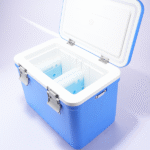
El transportista aislado merece tanta atención como el refrigerante.. Material de la pared, cierre de tapa, ajuste del forro, espacio de cabeza vacío, disposición del producto, y el estado del cartón influyen en la ganancia de calor. Agregar más refrigerante a un transportista débil puede aumentar el costo y el riesgo del producto sin resolver el problema térmico subyacente..
Una de las razones por las que los compradores tienen dificultades con el envasado de carne es que el riesgo de temperatura no es visible en el momento del envasado.. El cuadro puede parecer correcto., la mochila puede sentirse fría, y la caja puede sellarse perfectamente, Sin embargo, el producto aún puede estar expuesto a un punto frío local o a un período de entrega cálido.. Un método de empaquetado escrito ayuda a convertir una verificación visual en un proceso controlable.
Se debe revisar la estacionalidad antes de publicar un pedido amplio. La exposición en verano puede requerir más aislamiento o un nivel de servicio diferente, mientras que la exposición al invierno puede aumentar el riesgo de congelar productos que solo necesitan protección fría. Un buen embalaje no es sólo una solución para el calor del verano; también considera el sobreenfriamiento en climas fríos.
Para compradores distribuidores, La comunicación del packaging puede convertirse en un coste oculto.. Si los equipos de ventas, personal de almacén, y los clientes usan la frase "bolsa de hielo seco" de manera diferente, el programa puede desviarse. Definir si el producto es hielo seco de CO2 sólido, un paquete hidratado, un paquete de gel, o un paquete estilo PCM en todos los documentos internos.
El vocabulario en torno a la logística de la carne, envío de carne congelada, prevención de fugas, El cargador aislado puede resultar confuso., por lo que el comprador debe utilizar descripciones simples en el resumen de compra. Describe el producto, la ruta, la condición de entrega, y las limitaciones de manejo. Deje que el proveedor recomiende la fuente de frío solo después de que se conozcan esos hechos..
La presentación del producto es parte del valor de la cadena de frío.. Cajas mojadas, etiquetas deformadas, envoltorios turbios, cargas útiles con fugas, o las marcas de escarcha pueden dañar la confianza del cliente incluso cuando el producto sigue siendo utilizable. Para la carne, El embalaje debe proteger tanto la condición técnica como la apariencia del envío cuando se recibe..
Los receptores también afectan el resultado.. Para la carne, El equipo receptor debe saber si el paquete debe abrirse inmediatamente., si el refrigerante restante debe manipularse con guantes, y qué condición del producto se debe verificar antes de aceptar el envío. Las instrucciones de recepción claras reducen las reclamaciones evitables.
Las mejores recomendaciones de proveedores suelen incluir límites.. Un proveedor que dice cuándo no usar una bolsa de hielo seco puede ser más útil que uno que afirma que la misma bolsa funciona en todas partes.. Los límites ayudan a los compradores a evitar la aplicación incorrecta y elegir una alternativa más segura cuando la ruta o el producto no encajan.
Un piloto útil no tiene por qué ser complicado, pero debe ser honesto. Empaque el producto real o una carga útil representativa, utilizar la caja prevista, seguir el proceso normal de almacén, y exponer el envío a una ruta que se asemeje a un uso futuro. Un resultado perfecto de laboratorio puede no revelar la variabilidad del almacén.
¿Cuándo debo evitar el hielo seco real??
Evite el hielo seco real cuando el producto no debe congelarse., cuando el transportista no puede aceptarlo, cuando el personal no puede manejarlo de forma segura, o cuando el embalaje no puede ventilar el gas de dióxido de carbono. Considere los paquetes de gel, Paquetes de PCM, o un método de envío diferente en su lugar.
Conclusión
Una bolsa de hielo seco de distribuidor para el envío de carne es una compra práctica cuando el comprador la trata como parte de un paquete controlado.. Definir la condición requerida del producto., confirmar si el hielo seco es apropiado, verificar el aislamiento y la posición del paquete, y pide pruebas que coincidan con tu ruta. La decisión más segura suele ser la que tiene límites claros, no es el mayor reclamo de enfriamiento.
Acerca de Tempk
Tempk es el embalaje de cadena de frío Marca de Shanghai Tempk Industrial Co., Limitado. Apoyamos a los compradores que necesitan opciones prácticas de embalaje para alimentos., farmacéutico, médico, y otros envíos sensibles a la temperatura. Para la carne, Nuestro papel es ayudar a conectar la fuente de frío., embalaje aislado, carga útil, y proceso de manipulación para que el comprador pueda pasar de la revisión de muestras a un plan de pedidos más repetible.
Envíe a Tempk el requisito de su producto, perfil de ruta, carga útil, y etapa de compra. Podemos ayudarle a comparar opciones prácticas de embalaje antes de pasar de una muestra a un pedido al por mayor..