Forro aislante de doble burbuja personalizado: Cómo deben especificarlo los compradores
The right double forro con aislamiento de burbujas custom specification starts with a short list of facts: requisito de temperatura del producto, duración de la ruta, tamaño del cartón, plan de refrigerante, y qué evidencia necesita el receptor. For custom carton-based programs, el revestimiento puede reducir la exposición térmica y mejorar la eficiencia del embalaje, pero no puede reemplazar el diseño completo del paquete. Esta guía ofrece a los compradores una forma práctica de especificar, prueba, y obtener el transatlántico sin depender de afirmaciones vagas.
Transatlántico, refrigerante, caja de cartón, y la ruta deben tratarse juntas
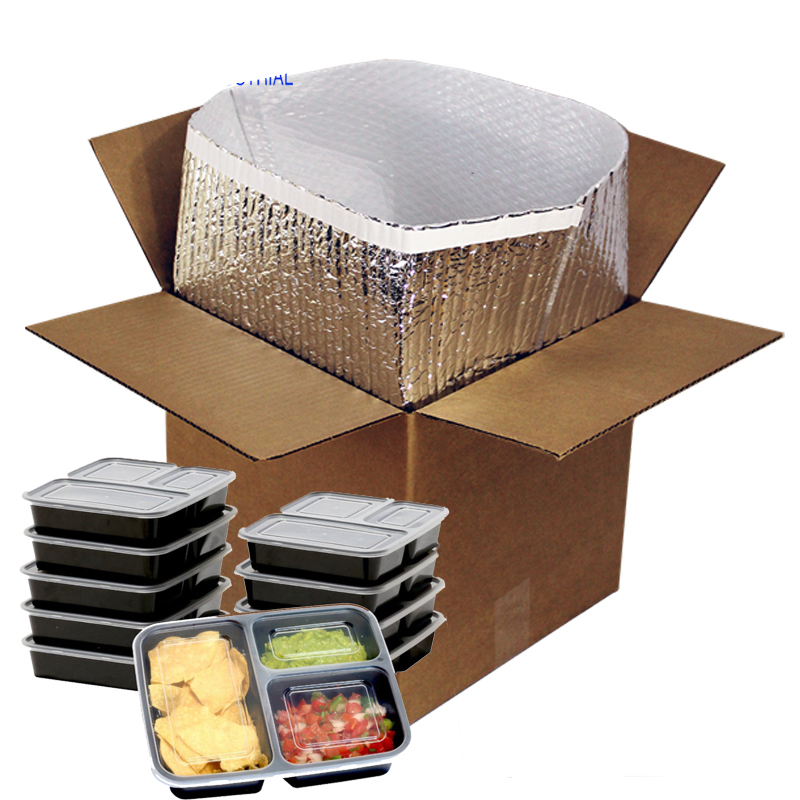
Un revestimiento con aislamiento de doble burbuja es una capa de aislamiento pasivo.. Puede retardar la ganancia o pérdida de calor., Refleja el calor radiante de la pared del cartón., agregue una pequeña cantidad de amortiguación, y ayuda a crear una superficie interior más limpia del paquete.. no es un refrigerador, no es un dispositivo activo de control de temperatura, y no elimina la necesidad del refrigerante adecuado. For custom carton-based programs, Este límite es especialmente importante porque el envío puede pasar por varios puntos de entrega antes de que el receptor abra la caja..
Piense en el revestimiento como una parte de una pequeña pila térmica.. El cartón corrugado exterior proporciona forma y resistencia al manejo.. El forro añade una capa reflectante y de espacio aéreo.. paquetes de gel, ladrillos de hielo, Paquetes de PCM, o hielo seco proporcionan energía fría cuando sea necesario. El embalaje del producto controla las fugas., higiene, y contacto directo. La ruta añade entonces el verdadero estrés.: custom dimensions that reduce usable space, seal positions that slow packing, folds that create thermal gaps, print choices that affect lead time, and design changes that are not controlled. Si alguna de estas partes es débil, Se puede culpar al revestimiento incluso cuando el problema en realidad fue el tamaño de la caja., masa refrigerante, o mal manejo.
Por eso la primera pregunta del comprador debería ser sobre la carga útil y la ruta., no solo el grosor del revestimiento. A shipment containing food delivery cartons, cajas de mariscos, kits clínicos, cosmetics parcels, and other payloads that need a liner shaped around the carton needs a different risk review than a generic ambient parcel. Debe definir la condición requerida del producto en el momento de la entrega., el tiempo de manipulación esperado, el proceso de recepción, y los criterios de rechazo antes de comparar muestras de revestimiento. Una especificación clara agiliza las conversaciones con los proveedores y reduce la posibilidad de que se apruebe una opción de bajo costo por el motivo equivocado..
Mapear la ruta antes de decidir que el transatlántico es suficiente.
El mapeo de rutas es un ejercicio simple que muchos equipos se saltan. Anote dónde se colocará la caja empaquetada antes de recogerla., como se carga, si ingresa a un centro de paquetería, ¿Cuánto tiempo puede esperar en un vehículo?, si un pasajero o mensajero abre una bolsa de entrega más grande, y cómo el receptor inspecciona el paquete. For custom carton-based programs, Este mapa de ruta revela a menudo un riesgo que las especificaciones del buque por sí solas no pueden resolver..
Una vez que el mapa esté visible, relacionar cada riesgo con un control. Custom dimensions that reduce usable space, seal positions that slow packing, folds that create thermal gaps, print choices that affect lead time, and design changes that are not controlled may require more coolant, una caja diferente, un cierre más fuerte, una etiqueta de advertencia, una ventana de despacho más corta, o un registrador de datos. El revestimiento con aislamiento de doble burbuja puede respaldar estos controles al reducir la transferencia de calor y mejorar la superficie interna del paquete., pero no puede compensar todas las brechas operativas.
El mapa de ruta también ayuda con la agrupación de SKU. Products such as food delivery cartons, cajas de mariscos, kits clínicos, cosmetics parcels, and other payloads that need a liner shaped around the carton may not share the same sensitivity or handling tolerance. Si se utiliza un solo paquete para todos los SKU, el elemento de mayor riesgo debe impulsar la prueba. Si la extensión de SKU es demasiado amplia, Puede ser mejor definir dos paquetes en lugar de forzar un diseño de revestimiento para cubrir todo..
Estructura de materiales: Lo que los compradores deberían traducir en operaciones.
Una estructura de doble burbuja normalmente añade más espacio de aire atrapado que una sola capa de burbujas.. En términos prácticos, que puede mejorar la amortiguación y la amortiguación térmica, pero también afecta el grosor del pliegue, ajuste de cartón, volumen de embalaje, y cubo de envío. For custom carton-based programs, El comprador debe comprobar si la estructura adicional soporta el riesgo de ruta o simplemente crea un inserto más voluminoso que reduce el espacio de carga útil..
La superficie de la lámina reflectante es útil porque enfrenta la transferencia de calor radiante., especialmente cerca de las paredes de las cajas de cartón o durante períodos cortos de exposición. No debería describirse como una barrera mágica.. El calor todavía puede moverse por conducción en los puntos de contacto., convección a través de espacios, y fugas alrededor de las costuras o aberturas. Por lo tanto, la disposición del pliegue y el método de cierre son tan importantes como la superficie visible de la lámina..
Para cada estructura material, Pregunte qué permanecerá igual entre la muestra y la producción.. Cambios en el cine, altura de la burbuja, densidad de la espuma, adhesivo, revestimiento, laminación, sellado de bordes, o el patrón de plegado puede cambiar la forma en que se comporta el revestimiento. In custom carton-based programs, un pequeño cambio puede no ser visible para el empacador, pero puede aparecer más tarde como condensación., producto triturado, recibos más calientes, o quejas de clientes.
Uso consciente del cumplimiento sin reclamar demasiado el revestimiento
For general temperature-sensitive goods, compliance depends on the product category. Productos cosméticos, alimentos especiales, diagnóstico, and pharmaceuticals do not share the same rules or risk levels. A procurement team should first determine whether the shipment is a simple quality-protection route or a regulated distribution program. That decision affects documentation, pruebas, etiquetado, y calificación de proveedores.
If the product is pharmaceutical or healthcare related, GDP guidance, Prácticas de carga sensibles a la temperatura de la IATA, and product-specific storage instructions may influence the packout. Si el producto es alimento, sanitary transportation and food-contact expectations may be relevant. For non-regulated goods, customer quality requirements may still demand evidence. en cada caso, avoid the shortcut of describing a liner as compliant without stating what it was tested against and how it will be used.
Una regla interna útil es simple: cuanto más sensible sea la carga útil y más incierta la ruta, cuanta más documentación necesites. ISTA 7E y estándar 20, FDA food-contact context, IATA healthcare cargo where air pharma is relevant, Tempk customization statements can guide the conversation, Pero los compradores aún deben preguntar su propia calidad., regulador, o equipo de seguridad alimentaria antes de aprobar un paquete de producción. The liner should not be used for custom artwork without engineering review, untested swaps in thickness or laminate, and regulated programs that treat customization as decoration only unless the whole shipping system has been reviewed for that risk.
Una práctica tabla de verificación para compradores
Utilice esta tabla antes de la aprobación de la muestra. Mantiene la discusión centrada en los requisitos de envío en lugar del lenguaje del folleto..
| Área de especificación | Pregunta de decisión | Respuesta del proveedor que ayuda |
|---|---|---|
| Requisito de temperatura | ¿Qué condición debe mantener el producto al recibirlo?? | Una solicitud para definir el rango., duración, y criterios de aceptación antes de cotizar. |
| Geometría del cartón | ¿Se cerrará el revestimiento sin espacios en las esquinas ni pérdida de espacio de carga útil?? | un dibujo, dieline, o muestra terminada que coincida con la caja. |
| Plan de medios fríos | ¿Dónde estarán los paquetes de gel?, PCM, ladrillos de hielo, o hielo seco? | Un esquema del embalaje y una advertencia sobre los riesgos de contacto directo, si procede.. |
| Prueba de evidencia | ¿El rendimiento se basa en su ruta o en un reclamo genérico?? | Perfil de prueba, carga útil, condiciones ambientales, y criterios de pasa/falla. |
| control de producción | ¿Se puede repetir a escala la muestra aprobada?? | Especificación de materiales, método de inspección, y cambiar notificación. |
El objetivo de la tabla es hacer visibles los supuestos.. Una vez escritos los supuestos, El comprador puede decidir qué necesita una hoja de datos del proveedor., ¿Qué necesita un envío de prueba?, y qué necesita la aprobación del equipo de calidad. Esa disciplina es especialmente útil cuando la presión de los precios empuja a los equipos a optar por un transatlántico más ligero o más barato antes de que se comprenda el riesgo de la ruta..
Preguntas de proveedores que realmente cambian el resultado
Una fuerte conversación con proveedores para revestimiento aislante de doble burbuja es específica. Instead of asking whether the liner is good for custom carton-based programs, pregunte qué tamaños de cajas se admiten, ¿Qué capas de material se utilizan?, ¿Qué tolerancias se controlan?, cómo se sellan los bordes, Cómo se empaquetan los revestimientos para su envío, y que pasa si se cambia el material aprobado. Esto convierte la discusión del lenguaje de ventas al control de producción..
Para pedidos al por mayor, cutting die, fold layout, sellado de bordes, MOQ questions framed as supplier confirmation, muestra de preproducción, test packout, and change-control agreement should be visible before the purchase order is finalized. Si necesita impresión personalizada, Pregunte si los cambios de tinta o laminación afectan el tiempo de entrega., Reciclabalidad, revisión de contacto con alimentos, o disponibilidad de material. Si necesitas varios tamaños, Pregunte si cada tamaño utilizará un dibujo y una muestra separados.. Si estas importando, preguntar cómo etiquetas, cajas de cartón, empaquetadura de compresión, y la paletización afectan la recepción en su almacén.
Herramientas útiles para tomar decisiones
Comprueba los detalles antes de elegir el embalaje.
Estas herramientas rápidas pueden ayudarle a comparar el riesgo de la ruta, necesidades de dimensionamiento, opciones de refrigerante, y detalles del embalaje antes de solicitar una cotización.
Referencia del material aislante
Compare opciones de materiales aislantes para diferentes necesidades de embalaje de la cadena de frío.
Comparar materialesComprobador de riesgos de ruta
Revise las condiciones del carril antes de seleccionar el embalaje para requisitos operativos reales..
Comprobar riesgo de rutarefrigerante & Referencia PCM
Compare las opciones de refrigerante y PCM cuando una ruta necesite soporte de temperatura adicional.
Comparar opcionesEl proveedor también debe sentirse cómodo hablando de límites.. Un proveedor que afirma que cada transatlántico se adapta a todas las rutas crea riesgos para ambas partes. Las mejores respuestas suenan más condicionales: Este revestimiento puede adaptarse a rutas cortas con el refrigerante adecuado.; Este diseño necesita una prueba para carriles más largos.; este producto requiere una estructura de aislamiento diferente; este reclamo necesita documentación. Las respuestas condicionales suelen ser más confiables que las afirmaciones seguras sin contexto..
Recibir cheques convierte el embalaje en evidencia
La inspección de recepción debe diseñarse antes de que el primer envío de producción salga del almacén.. For custom carton-based programs, El receptor puede comprobar el estado del producto., daños en la caja, estado de la bolsa de hielo, fuga visible, posición del revestimiento, integridad del sello, o registros de temperatura si se utiliza el monitoreo. Sin estándar de recepción, Las afirmaciones se vuelven subjetivas y difíciles de investigar..
El revestimiento con aislamiento de doble burbuja puede brindar una experiencia de recepción más limpia cuando tiene el tamaño adecuado y se usa de manera constante.. Un forro que cambia, lágrimas, atrapa líquido en el lugar equivocado, o dificulta la apertura de la caja puede generar quejas incluso cuando el producto en sí es aceptable. Los compradores deben considerar a la persona que abre el paquete., no solo la persona que lo empaca.
Si ocurren quejas, revise la cadena completa antes de culpar a un componente. Compruebe si el producto fue preacondicionado correctamente., si el medio frío se congeló o acondicionó según lo planeado, si el revestimiento coincidía con la caja, si la ruta cambió, si la caja se retrasó, y si el receptor siguió las instrucciones. Este enfoque de causa raíz evita cambios materiales repetidos que nunca resuelven el problema real..
Ejemplo práctico: convertir una muestra en un paquete utilizable
A procurement team may receive a double bubble insulated liner sample that looks acceptable and quotes well for a bulk program. The team should not jump straight to a container order. It should confirm the drawing, carton matrix, dimensiones terminadas, capas de material, sellado de bordes, obra de arte, método de embalaje, and whether the production sample will be made from the same materials as the approved sample.
This example is not about making sourcing slower. It is about preventing a familiar problem: a beautiful sample that cannot be repeated during mass production, or a low-cost production change that no one notices until customer complaints begin.
For custom carton-based programs, el resultado útil no es un aprobado o reprobado genérico. Es un método de embalaje escrito que el almacén puede repetir.. El método debe incluir cómo se inserta el revestimiento., donde se encuentra la carga útil, cómo se organizan los medios fríos, cómo se cierra la caja, y qué debe inspeccionar el receptor. Una vez definido el proceso, el comprador puede comparar las opciones de proveedores en función de la consistencia y no sólo de la apariencia de la superficie.
Preguntas frecuentes
Is a double bubble insulated liner enough for custom carton-based programs by itself?
No. Un revestimiento con aislamiento de doble burbuja es un componente de aislamiento pasivo.. Puede retardar la transferencia de calor y mejorar el embalaje en cartón, pero aún necesita la caja adecuada, disposición de carga útil, medios frios, proceso de manipulación, y recibir cheques. Para rutas de mayor riesgo, Los compradores deben probar el paquete completo en lugar de confiar en la apariencia del revestimiento..
¿Qué debo confirmar antes de pedir muestras??
Confirmar las dimensiones del cartón, tipo de carga útil, condición requerida del producto, duración de la ruta, plan de medios frios, riesgo de humedad o fugas, y necesidades de documentación. Solicite al proveedor una muestra terminada que coincida con el material de producción y el método de sellado previstos.. For custom carton-based programs, Es mejor probar un embalaje realista que un revestimiento limpio y vacío..
¿Cuándo debería considerar un sistema más pesado en lugar de un revestimiento??
Considere un transportista con aislamiento más resistente, caja rígida, paquete calificado, o control activo cuando el recorrido es largo, la exposición ambiental es incierta, el producto está regulado, or the shipment involves custom artwork without engineering review, untested swaps in thickness or laminate, and regulated programs that treat customization as decoration only. Un delineador puede ser útil, pero no debería extenderse más allá de su función probada.
¿Cómo comparo proveedores de manera justa??
Dar a cada proveedor el mismo perfil de envío, tamaño del cartón, supuestos de carga útil, plan de medios frios, y solicitud de documentación. Compare no solo el precio unitario sino también las dimensiones terminadas, consistencia de la muestra, control de materiales, método de embalaje, Capacidad para soportar trabajos personalizados., y voluntad de establecer límites de productos.
Conclusión: especificar el revestimiento como un componente controlado
A double bubble insulated liner can be a useful choice for custom carton-based programs, pero debe seleccionarse como parte de un paquete completo de cadena de frío.. El comprador debe definir los requisitos del producto., riesgo de ruta, geometría del cartón, plan de refrigerante, y recibir evidencia antes de aprobar muestras.
The most important practical checks are carton dimensions, patrón de plegado, método de cierre, tolerancias de producción, requisitos de impresión, and route validation plan. Si esos controles se manejan temprano, El revestimiento puede contribuir a un proceso de embalaje más limpio., mejor control del almacén, y menos disputas al recibir. Si son ignorados, Incluso un buen revestimiento puede usarse en el carril equivocado o ensamblarse de manera incorrecta..
El enfoque de adquisición más seguro es hacer preguntas condicionales y exigir respuestas claras.. lo que esta probado? Que depende de tu ruta? ¿Qué se debe probar?? ¿Qué cambios requieren aprobación?? Esas preguntas mantienen honesto el paquete final.
Acerca de Tempk
Tempk proporciona embalaje de cadena de frío opciones de comida, farmacéutico, y otros envíos sensibles a la temperatura. Su gama de productos publicada incluye revestimientos de cajas aisladas, bolsas térmicas, bolsas de hielo en gel, PPE y cajas de envío frías, cubiertas de paletas aisladas, y materiales de embalaje relacionados con la cadena de frío. Para proyectos de revestimiento, Tempk puede ayudar a los compradores a comparar diseños de revestimientos de cartón con medios refrigerantes, requisitos de carga útil, y riesgo de ruta antes de pasar de muestras a adquisiciones al por mayor. For custom carton-based programs, La función práctica es ayudar a alinear el diseño del revestimiento con el ajuste del cartón., medios frios, y los límites operativos del comprador en lugar de tratar el transatlántico como una solución universal.
For a double bubble insulated liner custom project, envíale a Tempk tu ruta, caja de cartón, carga útil, y condición requerida del producto para recibir una recomendación más enfocada.
Recuento de palabras del cuerpo: 2373 palabras