Revestimiento con aislamiento de doble burbuja Cantidad mínima de pedido: Cómo elegir y calificar el delineador adecuado
La planificación de la cantidad mínima de pedido para revestimientos con aislamiento de doble burbuja puede ser una forma práctica de mejorar embalaje de cadena de frío cuando se selecciona como parte de un sistema de envío completo. El revestimiento ralentiza la transferencia de calor dentro del cartón., Pero el estado del producto a la llegada depende del paquete completo.: caja de cartón, transatlántico, refrigerante, masa de carga útil, duración de la ruta, exposición ambiental, pasos de manejo, y proceso de recepción.
La mejor opción no es simplemente la más gruesa, mas barato, o el transatlántico que suena más sostenible. Para planificación de MOQ, negociación con proveedores, abastecimiento de revestimiento personalizado, y lanzamiento de producción, Los compradores primero deben definir los requisitos de envío y luego elegir un revestimiento que se ajuste al objetivo de temperatura., flujo de trabajo de embalaje, riesgo del producto, y controles de proveedores. Este enfoque reduce tanto el riesgo térmico como los errores de adquisición..
Comience con el requisito de envío
Una especificación útil del revestimiento comienza con el producto.. Identificar el rango de temperatura requerido, el tiempo máximo fuera del almacenamiento controlado, la temperatura del producto inicial, y las condiciones de llegada aceptables. Luego defina la ruta de envío: mensajero local, red de paquetería, transporte de paletas, ruta de exportación, o entrega de última milla. Cada ruta expone el paquete de manera diferente..
MOQ no debe separarse de la idoneidad de la ruta; Comprar más unidades sólo tiene sentido después de que el paquete cumpla con el rendimiento requerido.. La gama escrita en la etiqueta de un producto., plan de seguridad alimentaria, protocolo clínico, o los requisitos del cliente deben guiar el embalaje. Si el rango no está claro, la decisión sobre el embalaje es prematura. Un revestimiento no puede compensar un requisito de temperatura indefinido.
El siguiente paso es el diseño de la carga útil.. Decida cuánto producto cabe en cada caja y cuánto espacio queda para el refrigerante.. Las dimensiones internas después de la instalación del revestimiento son más importantes que las dimensiones exteriores de la caja.. Si el revestimiento consume demasiado espacio, la empresa puede necesitar una caja más grande, menos unidades por envío, o un diseño de refrigerante diferente.
Comprenda lo que el revestimiento puede y no puede hacer
Un revestimiento aislante de doble burbuja reduce la tasa de transferencia de calor.. No crea energía fría y no hace que un paquete cumpla automáticamente. Refrigerantes, preacondicionamiento, almacenamiento en frío antes del envío, y la transferencia rápida sigue siendo importante. El liner es una barrera térmica., no sustituye a los procedimientos de cadena de frío.
Los revestimientos de burbujas dobles necesitan más material y más espacio de almacenamiento que los revestimientos de burbujas simples, entonces MOQ está ligado a la configuración de producción, ancho del rollo de material, tamaño personalizado, y método de embalaje.
Esta distinción es importante para los compradores que comparan tipos de materiales.. un forro de papel, revestimiento de burbujas de aluminio, revestimiento de doble burbuja, revestimiento de burbuja simple, o el forro comprimido pueden ser útiles en el carril correcto. Ninguno debe describirse como una solución universal.. El material correcto es aquel que cumple con los requisitos de la ruta y al mismo tiempo apoya las operaciones., costo, y objetivos de eliminación.
Haga coincidir el material con el caso de uso
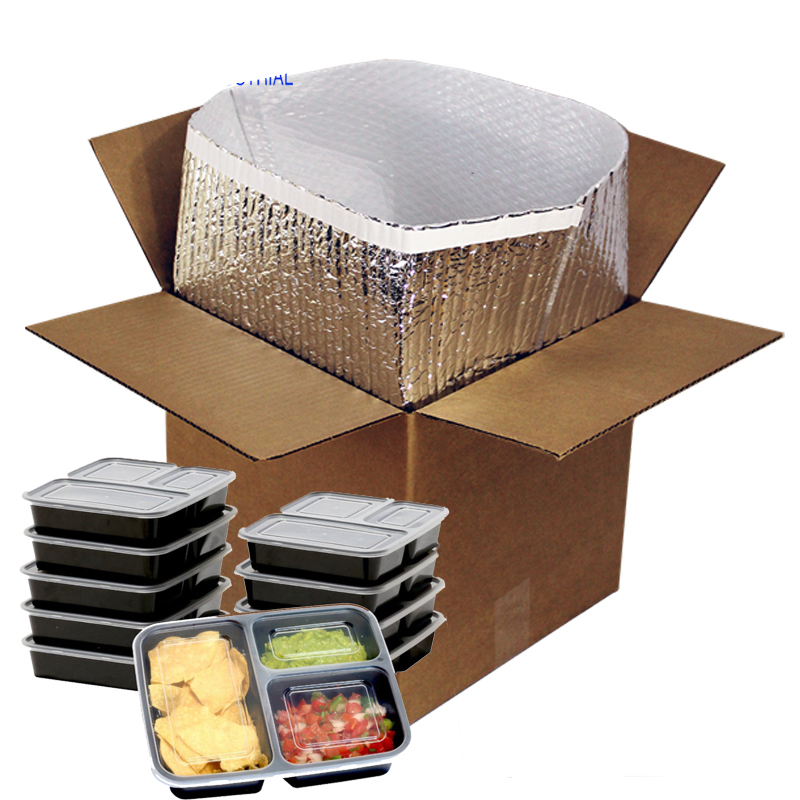
Dos capas de burbujas con una película reflectante o una capa exterior con revestimiento de aluminio, ensamblado como una bolsa o inserto de caja. Esa estructura le da al revestimiento sus fortalezas y debilidades prácticas.. Por ejemplo, Los revestimientos compactos pueden ser eficientes para el almacenamiento., pero pueden ofrecer menos protección que los sistemas más gruesos. Revestimientos más aislados pueden mejorar el tiempo de amortiguación, pero pueden reducir el cubo de carga útil. Los soportes de papel pueden mejorar la aceptación del cliente, pero la humedad y los recubrimientos necesitan revisión. Los revestimientos de burbujas de aluminio pueden reducir la ganancia de calor radiante, pero las rutas de recuperación pueden ser más complejas.
Para envíos de cadena de frío, el material adecuado también depende de la sensibilidad del producto. Una carga útil refrigerada densa en una ruta corta puede necesitar un embalaje diferente al de una carga ligera., producto médico sensible a la congelación o un envío de carne congelada. Los compradores deben evitar copiar el embalaje de otra empresa sin comprobar si la ruta y la carga útil son realmente similares..
Cree un paquete repetible
Un delineador funciona mejor cuando se usa de la misma manera cada vez. El embalaje aprobado debe especificar la orientación del revestimiento., secuencia de plegado, cantidad de refrigerante, acondicionamiento de refrigerante, colocación de carga útil, uso del separador, relleno de vacíos, Colocación del registrador de datos si es necesario., y cierre de cartón. La instrucción debe ser lo suficientemente clara para que la siga el personal estacional del almacén..
El cierre superior merece atención.. Muchas fallas del revestimiento ocurren porque los lados están cubiertos pero la parte superior está flojamente doblada., abierto en las esquinas, o aplastado por sobrellenado. El aire caliente puede entrar por los huecos., y el aire frío puede escapar cuando los refrigerantes no se colocan correctamente. Un cierre sencillo que los envasadores puedan repetir suele ser mejor que un diseño complicado que sólo queda bien en una sala de muestras..
Prueba con condiciones realistas
Las pruebas de detección pueden comparar materiales., pero la aprobación final debe utilizar condiciones realistas. Eso significa que la caja prevista, masa de carga útil real o representativa, refrigerante esperado, secuencia real de embalaje, y un perfil ambiental que refleja el carril. Si el revestimiento se utiliza para envíos de verano e invierno, ambas temporadas pueden necesitar revisión.
La ubicación del sensor debe capturar los puntos de riesgo. Un sensor central por sí solo puede ocultar la exposición de los bordes, mientras que un sensor que toca una compresa fría puede ocultar la exposición al calor. Para envíos regulados o de alto valor, El plan de prueba debe ser revisado por el equipo responsable de calidad o embalaje antes de que los datos se utilicen para su aprobación..
Si el volumen de producción es alto, repetir la prueba cuando las variables principales cambien. una caja nueva, nuevo proveedor, nuevo material de revestimiento, nuevo tamaño de refrigerante, o un nuevo servicio de operador puede cambiar el rendimiento. Un sistema de embalaje está calificado sólo por las condiciones bajo las cuales fue evaluado..
Límites de control de temperatura
No es lo mismo un transatlántico que un cualificado cargador con temperatura controlada. Reduce la transferencia de calor alrededor de la carga útil., pero el sistema completo determina el rendimiento.. Los compradores deben definir el rango de temperatura requerido, duración prevista del envío, exposición estacional, elección de refrigerante, dimensiones del cartón, y masa de carga útil antes de elegir un transatlántico o comparar proveedores.
Herramientas útiles para tomar decisiones
Comprueba los detalles antes de elegir el embalaje.
Estas herramientas rápidas pueden ayudarle a comparar el riesgo de la ruta, necesidades de dimensionamiento, opciones de refrigerante, y detalles del embalaje antes de solicitar una cotización.
refrigerante & Referencia PCM
Compare las opciones de refrigerante y PCM cuando una ruta necesite soporte de temperatura adicional.
Comparar opcionesGenerador de lista de cumplimiento
Cree una lista de verificación práctica para la revisión del embalaje, envío, y documentación.
Crear lista de verificaciónCalculadora de hielo seco
Calcule las necesidades de hielo seco para envíos congelados o ultrafríos antes de empacar.
Estimar hielo secoPara carteras de productos mixtas, Es posible que el diseño de un solo transatlántico no sirva para todas las rutas.. Una caja utilizada para entregas locales cortas puede fallar en una ruta de paquetería de dos días. Un diseño que funciona en climas templados puede necesitar más refrigerante o un revestimiento diferente en verano.. Un programa de embalaje práctico suele mantener una pequeña cantidad de paquetes aprobados en lugar de depender de una configuración universal..
Comparar proveedores según la evidencia, No promesas
Un proveedor confiable debería poder describir la estructura del revestimiento., proporcionar muestras consistentes, explicar el ajuste del cartón, y apoyar debates prácticos sobre el paquete. El proveedor también debe estar dispuesto a identificar qué reclamaciones son hechos materiales y cuáles dependen de la ruta.. Las respuestas fuertes son específicas.; Las respuestas débiles se basan en frases amplias como mantiene los productos fríos o apto para todos los envíos de la cadena de frío..
Cómo discutir la cantidad mínima de pedido con los proveedores
Los compradores deben preguntar si el moq difiere según el tamaño de las existencias., tamaños personalizados, obra de arte de etiqueta privada, espesor especial, embalaje de cartón, y horarios de compra repetidos. Una conversación útil con los proveedores comienza con el problema del envío en lugar de una solicitud del transatlántico más barato.. Comparta el tamaño del cartón exterior, espacio de carga útil interno requerido, requisito de temperatura del producto, tipo de refrigerante, duración del envío, previsión de cantidad, y cualquier restricción de la línea de embalaje. El proveedor puede entonces recomendar un revestimiento original., forro personalizado, o diferente formato de aislamiento.
Preguntar por dimensiones internas y externas, estructura material, espesor o descripción de la capa, método de cierre, recuento de embalaje de cartón, recuento de paletas, y requisitos de almacenamiento. Si el forro es personalizado, preguntar si las herramientas, troqueles de corte, obra de arte, o las tiradas mínimas de producción afectan el precio. Si el pedido es grande, Solicite una muestra de preproducción que utilice el mismo material y proceso que la producción en masa..
La consistencia de la calidad es más importante de lo que muchos compradores esperan. Pregunte si el proveedor tiene una hoja de especificaciones., inspección de material entrante, controles en proceso, y un procedimiento para notificar a los compradores antes de cambiar de película., fibras, adhesivos, altura de la burbuja, diseño de costura, o embalaje de cartón. Un revestimiento que parece similar puede funcionar de manera diferente si cambia la estructura del material..
Para pedidos al por mayor, También evalúe la eficiencia del almacén y la manipulación.. Los revestimientos plegables pueden ahorrar espacio, pero todavía necesitan un almacenamiento limpio, montaje rápido, e instrucciones de recogida claras. Un precio unitario más bajo puede compensarse con un embalaje más lento, cubo de carga superior, cajas más dañadas, Se requiere o más refrigerante para compensar el aislamiento más débil..
Evaluar el costo como sistema
Es posible que el transatlántico más barato no genere el costo total más bajo. Un revestimiento débil puede requerir más refrigerante, cajas más grandes, envío más rápido, o más reemplazos después de daños al producto. Un revestimiento más caro puede reducir la mano de obra de embalaje, cubo de almacenamiento inferior, o proteger la calidad del producto de manera más confiable. Los compradores deben comparar el costo total de descarga y el riesgo en lugar del precio unitario únicamente..
Para programas grandes, El almacenamiento y el montaje pueden afectar el coste tanto como el material.. Plegable, anidado, o los revestimientos comprimidos pueden reducir el espacio de entrada y de almacén. Los sistemas rígidos pueden reducir los errores de embalaje pero ocupan más espacio. La mejor elección depende del volumen., mano de obra, espacio, severidad de la ruta, y valor del producto.
Reclamaciones de sostenibilidad y eliminación
Un MOQ más alto puede reducir el flete unitario y el desperdicio de instalación, pero también puede crear un inventario obsoleto si cambia el diseño del empaque.. Las decisiones sobre envases sostenibles deben considerar más que el nombre del material. Los compradores deben comparar el rendimiento térmico., riesgo de daños en el transporte, cubo de carga, mano de obra de embalaje, cantidad de refrigerante, experiencia de eliminación del cliente, y opciones al final de la vida juntas. Un revestimiento que reduce el desperdicio en una parte del sistema puede generar desperdicio en otra parte si causa fallas o devoluciones..
Para revestimientos de burbujas de aluminio, El peso ligero y el pequeño cubo de almacenamiento pueden ser atractivos desde el punto de vista operativo., pero las estructuras de películas mixtas pueden necesitar una ruta de recuperación específica en lugar de un mensaje de reciclaje genérico.. En programas de cara al cliente, afirmaciones vagas pueden crear riesgo. Utilice una redacción clara que refleje el material real., los pasos de separación requeridos, y límites de recuperación regionales. Los equipos de operaciones también deben considerar cómo se manejan los transatlánticos usados en el destino., especialmente para la comida, clínico, o envíos de empresa a empresa donde la contaminación puede afectar la recuperación.
Marco de decisión
Utilice el siguiente marco antes de la aprobación.. Primero, definir el rango de temperatura requerido y la duración máxima de la ruta. Segundo, confirmar el tamaño de la carga útil, masa, y embalaje primario. Tercero, Elija candidatos para revestimiento que se ajusten a la caja y dejen suficiente volumen utilizable.. Cuatro, empareje cada revestimiento con un plan de refrigerante realista. Quinto, probar el paquete completo. Sexto, Aprobar sólo el diseño que las operaciones puedan repetir y los proveedores puedan producir de manera consistente..
Este marco previene errores comunes.. Evita elegir un liner sólo por el nombre del material.. Obliga a los compradores a comprobar el volumen utilizable.. Conecta las decisiones de adquisición con los requisitos de calidad.. También ayuda a los proveedores a brindar recomendaciones significativas porque el problema del envío es claro..
Preguntas comunes
¿Puede un revestimiento servir para varios productos??
Sí, pero solo si cada producto y ruta se ajusta al paquete aprobado. Si la masa de carga útil, rango de temperatura, o la duración de la ruta cambia significativamente, Es posible que sea necesario volver a probar el sistema de revestimiento..
¿Deberían los compradores elegir revestimientos en stock o personalizados??
Los revestimientos de stock pueden ser más rápidos y mejores para pruebas o volúmenes más bajos.. Los revestimientos personalizados pueden mejorar el ajuste del cartón, velocidad de embalaje, y eficiencia del material cuando el volumen es predecible. La decisión debe considerar MOQ, plazo de entrega, pruebas, y riesgo de control de cambios.
¿Cuál es el paso de aprobación más importante??
El paso más importante es probar el paquete completo en condiciones realistas.. Una especificación del revestimiento es útil, pero el rendimiento de llegada depende del sistema completo.
Acerca de Tempk
Tempk se centra en soluciones de envasado de cadena de frío para alimentos, farmacéutico, y logística sensible a la temperatura. Nuestra gama de productos incluye revestimientos de cajas aisladas, bolsas de hielo en gel, paquetes de hielo seco, ladrillos de hielo, Cajas aisladas de EPP, neveras portátiles médicas, bolsas térmicas, cubiertas de paletas, y materiales relacionados con la cadena de frío. Para envíos de cadena de frío, Ayudamos a los compradores a pensar en el formato del revestimiento., ajuste de cartón, selección de refrigerante, pasos, y requisitos de abastecimiento a granel con un práctico, enfoque basado en rutas.
Para discutir una configuración de revestimiento adecuada, comparta el requisito de temperatura de su producto, tamaño del cartón, duración del envío, volumen de carga útil, y cantidad esperada del pedido. Tempk puede ayudarle a comparar opciones de compra al por mayor, dimensiones personalizadas, o un paquete de cadena de frío más completo.