Dryicepack para la lonchera: ¿Cómo se mantiene las comidas congeladas hasta las 3 p.m.?
Empacar un paquete de hielo seco para lonchera suena tentador cuando es estándar paquetes de gel volverse tibio al mediodía. Antes de meter -78°C en una mochila escolar, repasemos la seguridad, tamaño de paquete óptimo, y aislamiento listo para 2025 que mantiene los alimentos seguros, sin congelación ni sándwiches empapados.
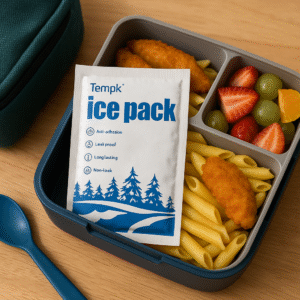
¿Qué tan pequeño puede ser un bolsa de hielo estar y seguir trabajando en una lonchera?
¿Qué trucos de ventilación y revestimiento evitan la acumulación de CO₂ en espacios reducidos??
Refrigerantes híbridos inteligentes que combinan microhielo seco con gel para comidas mixtas
2025 Regulaciones para el envío de almuerzos con hielo seco a lugares de trabajo o campamentos.
Trucos ecológicos para eliminar y rellenar paquetes para reducir el desperdicio
¿Es DryIce incluso seguro dentro de una lonchera??
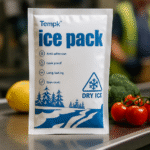
El hielo seco se sublima en gas CO₂; sin ventilación, puede presurizar un recipiente sellado y quitar las tapas. El contacto con la piel a –78°C congela el tejido < 5 segundos. Dicho esto, utilizando un tamaño de la palma de la mano, lámina de hielo seco aislada (< 100g) con una ranura de microventilación puede mantener temperaturas inferiores a 4 °C durante cuatro horas (perfecto para parfaits de sushi o yogur) si se manipula correctamente.
Mini tabla de carga de DryIce para loncheras
| Tipo de almuerzo | Peso de los alimentos | Se necesita hielo seco | Tener tiempo | Ranura de ventilación |
|---|---|---|---|---|
| bento (600 gramo) | 0.6 kg | 60 gramo | 4 H | 2 mm |
| Ensalada + Proteína (800 gramo) | 0.8 kg | 80 gramo | 4.5 H | 3 mm |
| Taza de helado (100 gramo) | 0.1 kg | 40 gramo | 3 H | 2 mm |
matematicas rapidas: Objetivo: 10% del peso de los alimentos en hielo seco durante un período escolar de cuatro horas..
Empacar una lonchera con paquetes Micro DryIce de forma segura
Bolsa reflectante de alta R recubre el interior.
Lugar paquete de gel (0 ° C) en la parte inferior: protege los productos delicados del congelamiento profundo.
Agregue recipientes de comida; asegúrese de que las tapas estén selladas.
Espaciador corrugado arriba.
Coloque el microcapa de hielo seco encima del espaciador, ventilaciones orientadas hacia el espacio de la cremallera.
Bolsa con cremallera sin apretar, dejando un espacio de 2 a 3 mm para el escape de gas.
H3: Los mejores revestimientos para loncheras para enfriar DryIce
| Tipo de revestimiento | Vale | Peso | Beneficio |
|---|---|---|---|
| Burbuja de Mylar | 4.0 | 40 gramo | Ligero, pensativo |
| Aerogel plegable y plano | 5.5 | 60 gramo | La opción más delgada y con mayor aislamiento |
| Tela con infusión de PCM | 3.5 | 55 gramo | Almacenamiento en búfer de temperatura gradual |
Consejos prácticos
Viaje al trabajo: Coloque una tarjeta de hielo seco de 60 g en un bolsillo termo para café con ventilación: mantiene los batidos fríos a 2 °C hasta la pausa de media mañana..
Herramientas útiles para tomar decisiones
Comprueba los detalles antes de elegir el embalaje.
Estas herramientas rápidas pueden ayudarle a comparar el riesgo de la ruta, necesidades de dimensionamiento, opciones de refrigerante, y detalles del embalaje antes de solicitar una cotización.
01Elección de embalajeSelector de embalaje
Compare las opciones de embalaje aislado por producto, ruta, y necesidad de temperatura.
encontrar embalaje02Elección de refrigeranterefrigerante & Referencia PCM
Compare las opciones de refrigerante y PCM cuando una ruta necesite soporte de temperatura adicional.
Comparar opciones03guía de materialesReferencia del material aislante
Compare opciones de materiales aislantes para diferentes necesidades de embalaje de la cadena de frío.
Comparar materialescampamento de verano: Combine 80 g de hielo seco con un paquete de gel resistente al sudor.; Enseñe a los niños a dejar la tapa ligeramente entreabierta..
Preparación para el día de campo: Preenfríe la lonchera en el congelador durante 30 minutos (extiende el período de enfriamiento en aproximadamente un 15 %)..
Caso real: La cafetería de una empresa de tecnología entregó 90 g de hielo seco para las cajas bento de los empleados.; Las auditorías a la hora del almuerzo mostraron temperaturas internas inferiores a 5°C después de cuatro horas., con cero incidentes de ampollas.
Cuándo omitir DryIce y usar refrigerantes híbridos
| Guión | Nivel de riesgo | Refrigerante recomendado |
|---|---|---|
| Bolsas de almuerzo blandas para niños pequeños | Alto | 0 Ven ° C + envoltura PCM |
| Equipaje de mano para viajes aéreos | Medio | ≤2,5 kg de hielo seco en refrigerador ventilado (seguir las reglas de la TSA) |
| Sitios de trabajo al aire libre >35 ° C | Bajo | 10 % hielo seco + combinación de gel |
2025 Normativas y Notas Ambientales
Políticas escolares: Muchos distritos prohíben el hielo seco a menos que se almacene en contenedores rígidos ventilados; consulte su manual.
Envío al lugar de trabajo: Etiqueta “UN1845 HIELO SECO, alimentos, < 100 g” para la seguridad del mensajero del campus.
Intercambio ecológico: Hielo seco sin emisiones de carbono procedente de cervecería CO₂ más fundas de embalaje de LDPE recicladas a través de #4 corrientes.
Preguntas frecuentes
¿Puede el hielo seco hacer explotar una lonchera de plástico??
Sí, si la tapa es hermética. Deje siempre un espacio de ventilación de 2 a 3 mm.
¿El CO₂ hará que mi comida tenga un sabor gaseoso??
No. El gas se disipa rápidamente y no se disuelve en recipientes sellados..
¿Cómo desecho los restos de hielo seco en la escuela??
Colóquelo sobre una bandeja metálica en un área bien ventilada hasta que se sublime por completo.; nunca en el fregadero.
Resumen & Recomendaciones
A paquete de hielo seco para lonchera Funciona cuando limitas el peso a ~10% de la masa del alimento., agregar un tampón de gel, y ventilar la tapa. Siga el orden de embalaje de seis pasos mencionado anteriormente para mantener las comidas por debajo de los 5 °C hasta la hora del almuerzo, de forma segura y sostenible..
Siguientes pasos:
Solicite láminas de hielo seco y revestimientos reflectantes del tamaño de la palma de la mano.
Capacite a los usuarios sobre la ventilación y la extracción sin contacto.
Pruebe la temperatura de su almuerzo para llevar con una etiqueta NFC para realizar ajustes basados en datos.
Acerca de Tempk
Tempk diseña equipos de cadena de frío reciclables para carga y preparación de comidas personales. Nuestra hoja Micro‑Freeze™ (40 gramo) Mantiene entre 0 y 4 °C durante cuatro horas en loncheras estándar y se sublima por completo antes de su eliminación..
Necesita un kit personalizado para enfriar el almuerzo? Reserve una consulta gratis.