Cómo utilizar Paquetes de hielo seco médico Safely in 2025
Si envías con paquetes de hielo seco médico, El éxito depende del tamaño correcto, envasado ventilado, and precise labels. Expect carrier acceptance checks against 2025 IATA/DOT job aids, UN1845 with net mass in kg, and triple packaging for UN3373 where needed. USPS retains stricter dry‑ice limits for air pieces; planificar en consecuencia.
Choose when dry ice packs medical beat gel/PCM for ultracold routes
Size dry ice for 24–96 hours with a buffer and validation plan
Elija EPS, PPE, or VIP shippers to cut ice mass and DIM weight
Etiqueta, marca, and document shipments to pass 2025 cheques de aceptación
Apply UN3373 (PI 650) rules with dry ice outside the secondary
What does “dry ice packs medical” mean in 2025?
Respuesta corta: solid CO₂ used as coolant for vaccines, biológicos, and diagnostics—no a hazardous content when used only as a refrigerant—requiring UN1845, nombre de envío adecuado, masa neta de hielo seco (kilos) en el paquete exterior, y ventilado embalaje. These points appear on 2025 airline acceptance checklists and U.S. 49 CFR guidance.
Por qué te importa: most holds happen for missing net‑kg marks, obstructed Class 9 etiquetas, or airtight liners. Treat label layout like a blueprint; carriers now verify it at origin using refreshed job aids.
¿Cómo mides? dry ice packs medical durante 24 a 96 horas?
Orientación básica: plan ~2.3–4.5 kg per 24 h por paquete, then add a 20–30% delay buffer. Validate with a data logger on your first two runs and adjust by container type: personaje < PPE < EPS in heat‑leak.
Hazlo práctico: heat enters through the walls and headspace. Tight fill, un divisor rígido, and top‑loading dry ice slow burn. Use dry ice for frozen/ultracold lanes; prefer PCM for 2–8 °C to avoid over‑cooling. Keep the package vent path unobstructed.
estimador rápido (línea de base solamente)
| Caso de uso | Typical insulation | Horas | Este . hielo seco (kilos) | Lo que significa para ti |
|---|---|---|---|---|
| Kits de prueba clínica | EPS 30 milímetros | 24–36 | 3.5–5.0 | Add PCM near payload; shrink headspace |
| Vaccine shippers | PPE 40 milímetros | 36–48 | 4.5–6.0 | Use rigid divider; top‑load ice |
| Viales ultrafríos | VIP híbrido | 48–72 | 5.0–8.0 | Fewer re‑ice steps; smaller carton |
Nota de campo: Teams that added a rigid top tray and printed UN1845/net‑kg in large, unobstructed text reported fewer acceptance delays and steadier 72‑hour holds in summer heat.
¿Qué contenedores se combinan mejor con dry ice packs medical?
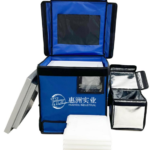
Choose the container first. EPS is cost‑effective for ≤48 h lanes; EPP survives reuse and rough handling; VIP cuts heat‑leak for 48–96 h lanes, reducing ice mass and dimensional weight. All designs must Viento de co₂.
EPS VS. PPE frente a. VIP at a glance
| Tipo de contenedor | Mejor para | Impacto del hielo | Lo que significa para ti |
|---|---|---|---|
| EPS (25–40 milímetros) | 24–48 H | Higher burn | Budget starter for clinics |
| PPE (30–50 mm) | 36–72 h, reutilizar | Moderate burn | Durable; cleaner acceptance surfaces |
| VIP híbrido | 48–96 h, carriles calientes | Lowest burn | Cajas más pequeñas; fewer re‑ice events |
Cómo etiquetar y documentar dry ice packs medical en 2025?
Checklist to clear acceptance:
Marca "Hielo seco" / "Dióxido de carbono, sólido" y UN1845 en el paquete exterior.
Agregar masa neta de hielo seco en kilogramos; mantenga las etiquetas sin obstrucciones.
Usar Clase 9 donde sea necesario; include shipper/consignee addresses.
Asegurar ventilado embalaje; Nunca es hermético.
Follow operator job aids at tender; overpacks must show kilos netos totales.
Herramientas útiles para tomar decisiones
Comprueba los detalles antes de elegir el embalaje.
Estas herramientas rápidas pueden ayudarle a comparar el riesgo de la ruta, necesidades de dimensionamiento, opciones de refrigerante, y detalles del embalaje antes de solicitar una cotización.
01Estimación de la bolsa de hieloCalculadora de bolsa de hielo
Estimación de la cantidad de bolsas de hielo en gel para envíos refrigerados y planificación práctica de rutas.
Estimar las bolsas de hielo02Riesgo de rutaComprobador de riesgos de ruta
Revise las condiciones del carril antes de seleccionar el embalaje para requisitos operativos reales..
Comprobar riesgo de ruta03Manejo de riesgosResistencia a la caída del material aislante
Revise la resistencia a caídas y los factores de manipulación antes de elegir materiales aislantes..
Comprobar resistencia
Postal nuance: USPS domestic air limits dry‑ice quantity per mailpiece and requires vented packaging; plan around these weight caps when choosing parcel vs. transporte.
Hacer dry ice packs medical change UN3373 or vaccine handling?
For UN3373 (PI 650): use triple packaging and place dry ice afuera the secondary container, separated by a rigid divider; still mark UN1845 with net‑kg on the outer. No Shipper’s Declaration is needed when dry ice is used solely as a coolant and other criteria are met.
Para vacunas: match coolant to label. Ultracold vials ride with dry ice and VIP/EPP shippers; 2–8 °C vaccines ride with PCM. Always pre‑condition product and log temperatures from door to door.
Consejos prácticos & pro moves
Cargue superior el hielo; cold sinks and protects payload beneath a rigid divider.
Reducir el espacio de cabeza to slow sublimation and reduce ice mass.
Standardize label layout so UN1845 and net‑kg are visible and never drawn inside the Class 9 borde.
CO₂ safety when using dry ice packs medical
CO₂ is an asphyxiant. Train staff on symptoms, stage parcels in ventilated areas, and avoid sealing dry ice in non‑vented containers. Facilities handling larger volumes benefit from floor‑level CO₂ sensors and simple alarm tests per shift.
2025 developments and trends in medical cadena de frío
Qué hay de nuevo: Airlines adopted focused dry‑ice acceptance checklists, carriers refreshed job aids with text‑size and overpack‑total guidance, and many labs shifted to VIP to trade ice mass for insulation. Physics still rules—CO₂ sublimation drives your sizing math—so validate, luego bloquear los SOP.
Último progreso de un vistazo
Claridad del transportista: clearer label zones and overpack totals speed origin checks.
UN3373 harmonization: practical PI 650 steps are easier to teach and audit.
Paquetes híbridos: PCM cerca del producto + dry ice above reduces excursions on long lanes.
Insight del mercado: VIP adoption grows on hot, rutas largas; teams report fewer re‑ice events and smaller cartons with better acceptance velocity.
Preguntas frecuentes
Hacer dry ice packs medical Requerir una Declaración del Transportista?
Not when used solely as coolant with non‑DG contents under the relevant packing instruction, provided markings and venting are correct. Verifique las variaciones del operador.
¿Cuánto hielo seco por día debo planificar??
Start with ~2.3–4.5 kg per 24 h per parcel, agregue 20–30 % de tampón, and validate with a data logger on two pilot runs.
Where must the dry‑ice label go?
En el exterior package with UN1845, nombre propio, kg neto, and addresses; mantener la clase 9 label unobstructed by tape or straps.
Does USPS treat dry ice differently?
Sí. Domestic air pieces face lower dry‑ice caps and must be vented; confirm piece weight before choosing a postal lane.
What’s the simplest way to avoid acceptance holds?
Pre‑print UN1845/net‑kg at readable size, keep a clean label field, and use the current acceptance checklist at tender.
Acerca de Tempk
We help healthcare brands, laboratorios, and CROs design regulation‑ready packouts that cut excursions and acceptance delays. Our modeling pairs container and coolant, our label kits mirror carrier job aids, and our SOPs are built for busy docks. Clients often reduce exceptions 20–40% after deployment.
Get your personalized dry ice packs medical packout and label map today.