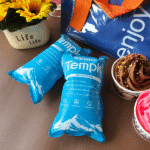
Paquetes de hielo seco para envolver hielo seco: How to Ship Frozen Goods
You can keep products safely frozen with dry ice wrap dry ice packs when you plan heat load and hold time, not just the label. Esta guía le muestra cómo dimensionar, embalar, y envíe con confianza. Espere pasos claros, simple math, and 2025-ready compliance to cut claim rates and protect margins.
-
Cómo dry ice wrap dry ice packs work and when they outperform gel packs
-
How to calculate quantity with a simple, field‑ready method
-
How to pack for 24, 48, y 72+ hours with fewer temperature spikes
-
Which regulations apply to dry ice wrap dry ice packs por aire y tierra
-
How costs compare vs gel and phase‑change materials (PCM)
-
2025 trends shaping dry ice packaging and greener options
-
Practical checklists, a decision tool, and a real case you can emulate
What is “dry ice wrap dry ice packs,” and when should you use it?
Respuesta corta: Dry ice wrap dry ice packs combine a reflective or insulating wrap around your frozen payload with solid CO₂ packs that sublimate at −78.5 °C. Use this method when you need rock‑solid frozen hold times, tight presentation, and vented packaging for safety. It is ideal for ice cream, carne, mariscos, postres congelados, and certain lab samples. Expect stronger pull‑down and longer hold vs gel packs in the same box volume.
Más detalle: Think of the wrap as a warm‑coat for your product and the packs as the cold engine. The wrap reduces radiant and convective heat gain; the CO₂ packs absorb heat as they turn from solid to gas. That phase change is powerful and predictable. When ambient temps swing or routes run long, dry ice wrap dry ice packs keep center‑of‑mass colder than gel packs alone. You still need ventilation for the gas, and you should always place packs above the product so cold sinks through. This setup shines in direct‑to‑consumer frozen food, postres especiales, and weekend‑risk shipments.
que frio, how long, and what affects results?
Factores clave: tamaño de carga útil, valor R de aislamiento, ambient temperature profile, colocación del paquete, y ventilación. A simple rule for planning: colder ambients and thicker walls reduce CO₂ burn rate; hot ambients and big voids increase it. For most small‑parcel boxes, dry ice wrap dry ice packs maintain frozen state for 24–72 hours when sized correctly and vents are kept open. Always test your route with a simple data logger before scaling.
| Hold‑Time Planner | Ambient band (°C) | Suggested dry ice kg per 10 L void per 24 h | Significado para ti |
|---|---|---|---|
| Mild route | 10–20 | 0.8–1,0 | Standard spring/fall shipments need less CO₂ |
| Ruta cálida | 20–30 | 1.0–1.4 | Add buffer for afternoon peaks and depot dwell |
| Ruta caliente | 30–40 | 1.4–1,9 | Use more CO₂, mejor aislamiento, or reduce box size |
Consejos y consejos prácticos
-
Top‑loading pays: Lugar dry ice wrap dry ice packs above the payload so cold sinks downward.
-
Respiradero, no sellar: Puncture or crack the lid vent. Never use airtight containers for CO₂.
-
Reducir el vacío: Fill empty space with light inserts so the packs “see” less air.
-
Wrap the product, not the box: The wrap should hug the payload; then add packs and insulation.
-
Prueba una vez, copy many: Run one data‑logger test per lane, then repeat the packing recipe.
Caso del mundo real: A dessert brand shipping pints across three zones replaced gel with dry ice wrap dry ice packs and added top‑loading. With the same box, claim rate fell from 7.8% a 1.6% in July heat. Average product temp at delivery stayed below −12 °C for 60 hours.
How much dry ice wrap dry ice packs do you need for 24–72 hours?
Respuesta corta: Aim for 1.0–1.4 kg of dry ice per 10 L of total internal volume per 24 hours in typical warm routes. For mild routes, start at ~0.8 kg; para rutas calientes, 1.4–1,9kg. This field rule gets you close when you do not have a full heat‑balance model.
Planner method you can use today:
-
Measure your shipper’s internal length × width × height to get total liters.
-
Estimate ambient: leve, cálido, o caliente.
-
Choose a rate from the table above.
-
Multiply rate × (liters/10) × days.
-
Round up by 10–20% if you expect delays or door‑to‑door weekend holds.
Ejemplo: 20 L box, ruta cálida, 48 hours → 1.2 kg × (20/10) × 2 = 4.8 kg. Rodear 5.4–5.8 kg para amortiguador. This quantity pairs well with dry ice wrap dry ice packs arranged in a top layer with vented lid.
Field calculator you can copy
Para la punta: If your payload must stay rock‑hard (p.ej., −18 °C ice cream), add a small vapor barrier around the wrap. It slows frost and keeps cartons clean when dry ice wrap dry ice packs sublimado.
How do you pack with dry ice wrap dry ice packs step by step?
Respuesta corta: Reducir el vacío, envolver la carga útil, CO₂ de carga superior, y ventilar la tapa. Label net CO₂ weight and “UN 1845 Dry Ice.” Use gloves, and never seal gas inside.
Step‑by‑step packing SOP:
-
Preparar la caja with a bottom pad and corner inserts to reduce convective currents.
-
Build the wrapped core: Place product in its dry ice wrap dry ice packs manga. Remove excess air.
-
Agregar aislamiento lateral so the core fits snugly; avoid large air channels.
-
Hielo seco de carga superior above the wrapped core; break large blocks into chunks for even flow.
-
Add a vented lid or crack a corner to release CO₂ gas.
-
marcar el paquete: "Hielo seco (Y 1845), net ___ kg.” Include sender/recipient and emergency phone.
-
Weigh the box with a scale and record net CO₂ for compliance and replenishment planning.
-
Final check: Shake gently. If anything shifts, añadir material de estiba. The colder the route, the tighter the pack.
Layout that reduces “hot spots”
-
Poner dry ice wrap dry ice packs arriba, then thin pads on the sides.
-
Keep at least 1 cm clearance from outer walls to avoid sweating and cardboard softening.
-
Para postres frágiles, add a thin corrugated shelf below the CO₂ layer to spread pressure.
-
Use a bright “Vent Before Opening” sticker to reduce unboxing risk in receiving areas.
Dry ice wrap dry ice packs vs gel packs vs PCM: ¿Qué deberías elegir??
Respuesta corta: Si debe permanecer congelado, dry ice wrap dry ice packs win on hold time per liter. Gel packs shine for refrigerated lanes (2–8 ° C). Modern PCM at −10 to −21 °C can bridge shoulder seasons but costs more per cycle.
Decision cues you can use:
-
Shipments that must remain below −10 °C → favor dry ice wrap dry ice packs.
-
Temperatures between −5 °C and +8 °C → hybrid with gel/PCM; reduce CO₂ to avoid overshoot.
-
Highly regulated pharma lanes → verify label requirements before picking CO₂.
| Opción | Banda de temperatura típica | Box efficiency | Costo por envío | Mejor para |
|---|---|---|---|---|
| Dry ice wrap dry ice packs | ≤ −10 °C to −78.5 °C | Alto (strong per‑liter cooling) | Medio -alto | Helado, carne, mariscos, muestras de laboratorio |
| paquetes de gel | +2 to +8 °C or 0 a −2°C | Medio | Bajo a medio | Kits de comida, postres helados |
| PCM (−10 a −21°C) | Congelado pero no ultra fría | Medio | Alto | Temporadas intermedias, lanes with CO₂ restrictions |
What regulations apply to dry ice wrap dry ice packs shipments?
Respuesta corta: El hielo seco se clasifica como Y 1845, Clase 9. You must label the package, state the peso neto de hielo seco en kilogramos, and provide ventilation. Envíos aéreos follow airline and IATA rules; envíos terrestres follow local transport rules (p.ej., DOT in the U.S.). Always check carrier‑specific limits.
Essentials you should follow every time:
-
Calificación: "Hielo seco (Y 1845)" + peso neto en kg + cargador/consignatario.
-
Desfogue: Nunca selle el CO₂ en un recipiente hermético; use vented lids or relief holes.
-
Documentación: Las cartas de porte aéreo deben reflejar la presencia de hielo seco; some carriers require a phone contact.
-
Embalaje: Use materials that tolerate −78.5 °C and allow gas release.
-
Capacitación: Personnel handling dry ice wrap dry ice packs need basic hazard awareness.
Safety reminder: Use thermal gloves. Avoid vehicle trunks and small unventilated rooms. CO₂ gas is heavier than air and can displace oxygen.
Operations playbook: last‑mile and scale with dry ice wrap dry ice packs
Respuesta corta: Standardize your “recipe,” then lock it into your WMS/TMS so packers, etiquetas, and replenishment all agree. Medida, ajustar, and repeat per lane.
Simple playbook:
-
Recipe cards: Para cada SKU y zona, define liters, banda de ruta, y dry ice wrap dry ice packs kilogramos.
-
hacer kitesurf: Pre‑bundle wraps and CO₂ packs by lane (p.ej., “Warm‑48h kit”).
-
Registro de datos: Spot‑log 1 en 20 cajas; rotate skews during hot months.
-
Disciplina de depósito: Stage boxes under shade; avoid open docks for more than 10 minutos.
-
Excepciones: If a scan predicts weekend dwell, auto‑upgrade the recipe by +15% CO₂ or route to faster service.
2025 trends in dry ice wrap dry ice packs
Instantánea de tendencia: En 2025, more brands aim for curbside‑recyclable liners and lower CO₂ footprints. Expect lighter boxes with higher R‑value per millimeter, better vented‑lid designs, and smarter replenishment powered by route forecasts. Dry ice wrap dry ice packs remain the frozen benchmark, while hybrid PCM strategies grow for shoulder seasons and CO₂‑restricted lanes.
¿Qué hay de nuevo este año?
-
Fiber‑based wraps with reflective films: Greener materials without losing radiant shielding.
-
Bluetooth mini‑loggers under $20: Easy route tests before committing to a recipe.
-
Equipamiento con reconocimiento de ruta: Auto‑selects “warm” vs “hot” kits on the fly inside the pack app.
Insight del mercado: Customers reward reliable frozen arrivals more than ultra‑low shipping fees. Brands that stabilize product temps and cut damages grow repeat orders. In frozen e‑commerce, a one‑point drop in claims can pay for stronger dry ice wrap dry ice packs recipes across the board.
Preguntas frecuentes
Q1: How long do dry ice wrap dry ice packs keep items frozen?
Sizing drives results. Para rutas cálidas, plan 1.0–1.4 kg per 10 L per 24 hours. Vent the lid and top‑load the packs to avoid early warm‑ups.
Q2: How many packs should I use in a small 15 L shipper?
For a 48‑hour warm route, start near 3.5–4.0 kg total, split across several smaller packs for even sublimation and fewer hot spots.
Q3: Can I ship by air with dry ice wrap dry ice packs?
Sí. Label “Dry Ice (Y 1845)"Y net kg, proporcionar ventilación, and follow airline rules. Some carriers set per‑package limits and documentation steps.
Q4: Will dry ice affect food quality or packaging?
Dry ice is food‑safe when handled correctly, pero puede hacer que el cartón se vuelva quebradizo. Wrap the payload and keep packs from direct carton contact.
Q5: ¿Cómo desecho de forma segura el hielo seco sobrante??
Let it sublimate in a well‑ventilated area away from children and pets. Never put it in a sink, drenar, o recipiente sellado.
Resumen y recomendaciones
Control de llave: Usar dry ice wrap dry ice packs when the product must stay frozen. Reducir el espacio vacío, CO₂ de carga superior, y ventilar la tapa. Size CO₂ with the simple liters‑based rule and add 10–20% buffer for delays. Etiqueta ONU 1845, record net kilograms, y entrena a tu equipo para un manejo seguro.
Siguientes pasos: Pick one challenging route. Run a data‑logger test with your current recipe, then with dry ice wrap dry ice packs following the SOP here. Compare hold time and claims. Si envías semanalmente, standardize kit sizes by lane and season. Need a faster path? Use the decision tool below and contact our team for a tailored recipe.
Interactive elements for engagement
Herramienta de decisión rápida: is dry ice right for this shipment?
-
Product target: Must it stay ≤ −10 °C?
-
Yes → Use dry ice wrap dry ice packs.
-
No → Consider gel or PCM.
-
-
Route band: Is your route warm (20–30 ° C) o caliente (30–40°C)?
-
Warm → Start at 1.2 kg per 10 L per 24 h.
-
Hot → Start at 1.6 kg per 10 L per 24 h.
-
-
tiempo de espera: 24, 48, or 72 h?
-
Multiply your base by 1×, 2×, or 3× and add 15% buffer.
-
Autocomprobación: will my box survive July?
-
Box internal liters measured and recorded
-
Dry ice wrap dry ice packs recipe printed on a card
-
Vented lid confirmed and labeled
-
Net CO₂ weight in kg on the box
-
One data logger inside per 20 cajas (rotating)
Acerca de Tempk
Tempk builds cold‑chain packaging and planning tools for brands that ship frozen and chilled products. We focus on practical SOPs and simple sizing rules that teams can apply under pressure. Our kits pair insulation, dry ice wrap dry ice packs, y fácil etiquetado. You get repeatable results and fewer warm deliveries.
Llamado a la acción: Want a lane‑specific recipe? Comparte tu caja de litros, banda de ruta, y tiempo de espera objetivo. We’ll return a right‑sized dry ice wrap dry ice packs plan que puedes probar esta semana.