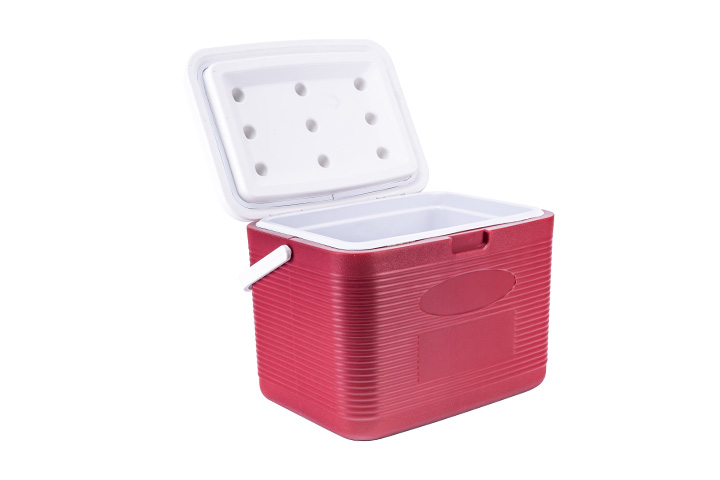
Caja aislada ecológica para adquisiciones prácticas en cadena de frío
Una caja aislante ecológica fiable debería ayudarle a controlar los riesgos prácticos que aparecen después de la orden de compra.: errores de embalaje, exposición de carril, ajuste de carga útil, y pruebas débiles cuando se cuestiona un envío. La elección correcta no es la caja más cara ni el revestimiento más ligero; es el sistema de envasado que se adapta a los alimentos sensibles a la temperatura, cuidado de la salud, y productos de comercio electrónico que necesitan decisiones de embalaje con menor desperdicio, el rango requerido, la ruta, y las necesidades de documentación del comprador sin hacer afirmaciones que el proveedor no pueda respaldar.
Una especificación clara también protege la relación con el proveedor.. Si su solicitud solo dice caja aislada, diferentes proveedores pueden cotizar diferentes estructuras, volúmenes utilizables, revestimiento, cierres, y supuestos de refrigerante. Una consulta mejor describe el mismo rango de temperatura del producto utilizado antes del cambio de sostenibilidad., verificado a través de pruebas en lugar de asumido, la ruta, la carga útil, y los puntos de manipulación que deben controlarse.
Las afirmaciones medioambientales sobre embalajes deben ser específicas y sustentables.. Palabras amplias como biodegradable., reciclable, compostable, o necesidad ecológica contexto de fin de vida, evidencia material, e infraestructura de recuperación local. ISTA 7E se utiliza como referencia para térmica. embalaje de transporte en sistemas de entrega de paquetes, pero un perfil estándar no es lo mismo que una calificación específica de carril. Los reclamos de tiempo de espera deben compararse con la carga útil, perfil ambiental, empacar, y criterios de aceptación. La norma de transporte sanitario de la FDA se centra en prevenir riesgos de seguridad alimentaria durante el transporte., incluyendo mala refrigeración, limpieza inadecuada del vehículo, y protección insuficiente de los alimentos. Para la comida, Las opciones de embalaje deben estar relacionadas con el preenfriamiento., exposición de ruta, higiene, y recibir cheques en lugar de ser tratados como una garantía independiente.
Defina el trabajo antes de comparar proveedores de cajas aislantes ecológicas
El proceso de selección más sólido comienza antes de las cotizaciones de proveedores.. Definir qué debe proteger el paquete, lo que se debe probar, y qué manejo de la realidad enfrentará. Para alimentos sensibles a la temperatura, cuidado de la salud, y productos de comercio electrónico que necesitan decisiones de embalaje con menor desperdicio, Los modos de falla clave incluyen el lavado verde., pérdida de rendimiento térmico, confusión al final de la vida, contaminación, y tasas de daño más altas después de la sustitución de materiales. Esos riesgos son prácticos., entonces la especificación también debería ser práctica: rango objetivo, tiempo de tránsito, exposición de traspaso, tamaño de carga útil, necesidades de refrigerante o revestimiento, y proceso de recepción.
Un proveedor puede ayudar a refinar esos detalles., pero el comprador no debe subcontratar todo el requisito. Si el proveedor no conoce la ruta, sensibilidad del producto, y criterios de aceptación, la recomendación se basará en suposiciones. Un buen lenguaje de adquisiciones reduce esas suposiciones y hace que las discusiones posteriores sobre el desempeño sean más justas para ambas partes..
Separar la caja, el paquete, y la evidencia
El cuadro es sólo una parte del resultado.. El paquete incluye el diseño del producto., refrigerante o PCM, transatlántico, relleno de vacíos, cierre, etiquetas, y cualquier dispositivo de monitoreo. La evidencia incluye datos de pruebas., instrucciones de embalaje, pruebas de carril, recibiendo registros, y revisión de calidad. Cuando estas tres partes se separan, Los compradores pueden ver exactamente lo que se ha probado y lo que aún necesita verificación..
Esta distinción evita la reclamación excesiva. Una caja aislada puede ser adecuada para un carril después de su revisión., pero no está calificado automáticamente para todas las rutas. Un registrador de datos puede documentar una excursión, pero no puede impedirlo. Un material sostenible puede reducir los residuos, pero aún tiene que proteger el producto.. Los límites claros hacen que la compra final sea más defendible.
Haga coincidir la configuración con el patrón de envío
| Punto de control de adquisiciones | Cómo usarlo | Que no asumir |
|---|---|---|
| Ajuste del producto | Comience con la gama de productos, sensibilidad, y criterios de aceptación | No asuma que una caja aislada se adapta a todos los productos del carril |
| Ajuste de ruta | Compare el paquete con la carga real, puesta en escena, y comportamiento de entrega | No equipare un perfil de laboratorio favorable con todas las rutas de campo |
| Ajuste de materiales | Aislamiento de equilibrio, fortaleza, limpieza, desecho, y opciones de devolución | No reemplace los datos de rendimiento con una afirmación material |
| Ajuste de documentación | Solicite instrucciones de embalaje y registros de calificación o pruebas disponibles | No trate el lenguaje de marketing como prueba de cumplimiento. |
| Ajuste ampliado | Verifique la coherencia entre la muestra y la producción y la notificación de cambio de proveedor | No apruebe una muestra sin saber qué sucede en la producción a granel |
Utilice esta tabla como herramienta de detección, no como sustituto de una prueba de embalaje. El objetivo es hacer visibles las suposiciones para que las compras, depósito, logística, y los equipos de calidad pueden discutir los mismos hechos antes de aprobar muestras o pedidos al por mayor..
Preguntas que revelan la madurez del proveedor
La madurez del proveedor se muestra en las preguntas que hace el proveedor.. Un proveedor serio querrá conocer la gama de productos., dimensiones de carga útil, duración del carril, exposición ambiental, proceso de embalaje, y si se requiere monitoreo. Un proveedor débil puede solicitar únicamente el tamaño de la caja y la cantidad del pedido.. Eso no significa que el producto sea malo., pero significa que el comprador debe trabajar más duro para definir el riesgo..
Pregunte cómo se comparan las unidades de muestra con las unidades de producción.. Preguntar si las sustituciones de materiales requieren notificación.. Pregunte qué pasa si un revestimiento, panel de espuma, o cambios de cierre. Pregunte si el proveedor puede proporcionar instrucciones de embalaje que el personal del almacén pueda seguir sin apoyo de ingeniería.. Para pedidos al por mayor, Estos detalles a menudo importan más que pequeñas diferencias en el precio unitario..
Dónde el lenguaje de cumplimiento debe ser cauteloso
Los envíos regulados y de cadena de frío pueden implicar requisitos del cliente, reglas de transporte, procedimientos de calidad, o orientación específica del mercado. El embalaje puede soportar esos requisitos., pero no debe describirse como universalmente compatible sin evidencia. Para carga sanitaria, Es posible que se aplique el etiquetado IATA y la documentación de temperatura dependiendo de cómo se reserve y manipule la carga.. Para la comida, Las expectativas de transporte sanitario pueden implicar refrigeración., limpieza, y protección contra la contaminación. Para productos químicos, La revisión de las SDS y la clasificación de peligros son esenciales.
La redacción más segura está operativa.: verificar la gama de productos, verificar el paquete, verificar el perfil de prueba, y verificar las necesidades de documentación con el equipo de calidad o logística. Ese lenguaje es menos dramático que una promesa general de cumplimiento., pero es mucho más útil para adquisiciones reales.
Un ejemplo práctico: pasar de la aprobación de muestras a los pedidos de rutina
Imagine que un comprador aprueba una caja de muestra para rutas de comestibles retornables.. La muestra se ve bien, el producto llega en condiciones aceptables, y el precio unitario es viable. El riesgo aparece más tarde., cuando el almacén comienza a realizar pedidos de rutina y los empacadores interpretan el diseño de manera diferente. Una persona coloca refrigerante encima., otro lo coloca a los lados, y un tercero agrega documentos de una manera que deja un espacio en la tapa.
La solución no es necesariamente una caja diferente.. Puede ser un diagrama de embalaje más claro., control de refrigerante preacondicionado, una lista de verificación de recepción, y un acuerdo con el proveedor de que los materiales de producción coincidirán con la muestra aprobada. Aquí es donde la adquisición madura de envases se convierte en un control de calidad operativo en lugar de una simple compra..
Herramientas útiles para tomar decisiones
Comprueba los detalles antes de elegir el embalaje.
Estas herramientas rápidas pueden ayudarle a comparar el riesgo de la ruta, necesidades de dimensionamiento, opciones de refrigerante, y detalles del embalaje antes de solicitar una cotización.
Resistencia a la caída del material aislante
Revise la resistencia a caídas y los factores de manipulación antes de elegir materiales aislantes..
Comprobar resistenciaRevestimiento de caja & Dimensionamiento de la cubierta de paleta
Lógica de tamaño de revestimiento de cajas y cubiertas de paletas para proyectos de embalaje aislado.
Estimar el tamañoComprobador de riesgos de ruta
Revise las condiciones del carril antes de seleccionar el embalaje para requisitos operativos reales..
Comprobar riesgo de rutaDetalles que deciden si la compra escala limpiamente
La aprobación de muestras sólo es útil cuando se parece a un trabajo de rutina.. Si la orden de producción utiliza una caja diferente, corte del forro, densidad de la espuma, cierre, tamaño del refrigerante, área de etiqueta, o secuencia de embalaje, Es posible que la muestra aprobada ya no represente el producto enviado.. Pregúntele al proveedor cómo se comunican los cambios y cómo puede identificar la versión aprobada en el inventario entrante..
La formación en almacén debe ser parte de la compra.. La mejor instrucción es lo suficientemente simple como para que la siga el personal nuevo durante un turno ocupado.: producto de condición previa, preparar refrigerante, colocar carga útil, colocar refrigerante, cerrar la caja, aplicar etiquetas, tiempo récord, y pasar a despachar. Si el paquete requiere juicio que sólo un ingeniero entiende, es demasiado frágil para la escala.
Los equipos receptores también necesitan criterios claros. Deberían saber si inspeccionar un registrador., comprobar el estado del embalaje, tiempo récord de llegada, daños en la fotografía, o poner en cuarentena un envío para revisión de calidad. El embalaje no está terminado cuando el mensajero lo recoge; termina cuando el receptor puede tomar una decisión segura.
Para reclamos ambientales, mantenga la redacción específica. Reutilizable, reciclable, compostable, biodegradable, y el material inferior son afirmaciones diferentes. Cada uno necesita evidencia y una ruta realista hacia el final de la vida.. Un comprador debe evitar aprobar un lenguaje ecológico amplio hasta que el material, método de recolección, riesgo de contaminación, y se han revisado las pruebas de protección del producto.
Preguntas frecuentes
¿Es suficiente una caja aislada ecológica para controlar la temperatura por sí sola??
No. La caja aislada ralentiza la transferencia de calor., pero normalmente necesita el preacondicionamiento adecuado del producto., refrigerante o PCM, diseño del paquete, método de cierre, y proceso de manipulación. Para envíos de mayor riesgo, Los compradores también deben decidir si es necesario controlar la temperatura.. Trate la caja como parte de un sistema en lugar de como una garantía independiente.
¿Qué debo preguntarle a un proveedor antes de pedir muestras??
Preguntar por dimensiones internas y externas, espacio de carga útil utilizable, estructura material, método de cierre, opciones de refrigerante compatibles, instrucciones de embalaje, evidencia de prueba disponible, y controles de muestra a producción. Describa también su ruta y gama de productos.. Un proveedor puede dar una mejor recomendación cuando el caso de uso es claro.
¿Puedo confiar en los reclamos de tiempo de espera publicados??
Las declaraciones de tiempo de espera publicadas son útiles sólo cuando las condiciones de la prueba son claras.. Verifique la carga útil, cantidad de refrigerante, perfil ambiental, carga de producto, límites de aceptación, y si el resultado provino de un perfil de laboratorio o de una prueba de carril real. Si las condiciones no se parecen a las de su envío, tratar el reclamo como un punto de partida, no prueba.
¿Cómo comparo una caja reutilizable con un envío desechable??
Comparar más que el costo unitario. Considere la logística de devolución, limpieza, tasa de pérdida, espacio de almacén, cubo de carga, riesgo del producto, y cuantas veces se repite el carril. A caja reutilizable Puede resultar atractivo en rutas de circuito cerrado., mientras que los sistemas desechables o reciclables pueden adaptarse mejor a los envíos unidireccionales de exportación o de comercio electrónico.
¿Ecológico significa biodegradable o reciclable??
No necesariamente. Respetuoso con el medio ambiente es un lenguaje amplio y debe aclararse. Un comprador debe preguntar si la reclamación se refiere a la reutilización., contenido reciclado, Reciclabalidad, compostabilidad, reducción de fuente, o reducir el desperdicio de producto. La reclamación debe coincidir con el material real y el sistema al final de su vida útil..
Conclusión
La mejor caja isotérmica ecológica es aquella que se adapta al producto, ruta, empacar, necesidades de documentación, y equipo operativo. Debería proteger el envío sin ocultar la incertidumbre detrás de amplias afirmaciones..
Otro hábito de compra útil es separar las condiciones imprescindibles de las preferencias.. Los imprescindibles incluyen la gama de productos., ajuste de carga útil, integridad del cierre, exposición de ruta, y cualquier documentación requerida. Las preferencias incluyen la eficiencia del almacenamiento., menor peso del material, color, área de impresión, o una ruta de eliminación específica. Cuando los dos se mezclan, Los equipos pueden rechazar un paquete térmicamente adecuado por razones estéticas o aceptar un paquete débil porque parece conveniente..
Los compradores también deben mantener un registro sencillo de por qué se seleccionó un paquete.. El registro no tiene por qué ser largo.. Puede indicar el tipo de producto., supuesto de carril, versión empaquetada, evidencia del proveedor revisada, y cualquier límite que el equipo aceptó. Ese registro ayuda cuando un envío se investiga meses después o cuando un nuevo gerente de adquisiciones hereda el proyecto..
La comparación de costos debe incluir los costos indirectos.. Una caja más barata puede aumentar el tiempo de mano de obra, uso de refrigerante, daño, reempacar, llamadas de servicio al cliente, o reclamaciones de eliminación. Un paquete más caro puede estar justificado en una ruta donde el valor del producto, riesgo de rechazo, o la presentación de la marca es alta. La vista de costos correcta depende de todo el envío, no sólo la línea de factura para el embalaje.
Utilice las conversaciones con proveedores para verificar el rango., ruta, evidencia, y proceso de ampliación. Una vez que esos puntos estén claros, La decisión de compra se vuelve más fácil de defender y más fácil de repetir..
Acerca de Tempk
Tempk apoya a los equipos de la cadena de frío que desean opciones de embalaje con un propósito térmico y un pensamiento práctico sobre los materiales.. Ayudamos a los compradores a comparar cajas aisladas, revestimiento, bolsas térmicas, y formatos compatibles con refrigerantes manteniendo al mismo tiempo las reclamaciones realistas. Para proyectos centrados en la sostenibilidad, Alentamos a los equipos a verificar las opciones al final de su vida útil., potencial de reutilización, y evidencia de desempeño antes de reemplazar un paquete probado.