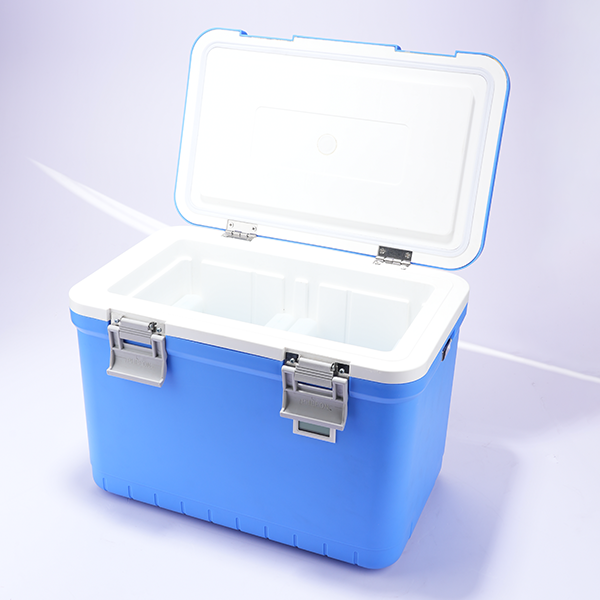
Tamaño personalizado de la caja del refrigerador EPP: Cómo elegir la opción correcta sin exagerar el rendimiento
A Caja refrigeradora EPP custom size is not selected by name alone. La elección correcta depende de la carga útil, espacio utilizable, exposición de ruta, hábitos de manejo, plan de refrigerante, y las pruebas que un proveedor puede proporcionar. Para ingenieros de embalaje, compradores de cadena de frío, and product managers who need a box matched to payload dimensions instead of a stock size, esta versión final centrada en el comprador trae el material, operacional, y reunir preguntas para que la caja pueda evaluarse como parte de un proceso de embalaje real en lugar de como un artículo genérico del catálogo..
El resumen de diseño decide si el proyecto tiene éxito.
El primer límite es simple.: custom dimensions do not guarantee a qualified temperature profile; the packout still needs review and, donde sea necesario, pruebas. Esto es importante porque muchos errores de compra se deben a tratar un contenedor aislado como si ya hubiera sido calificado para cada envío.. en entrega de comida, eso puede significar quejas de clientes o productos rechazados. En trabajos de salud o biotecnología., puede significar una falta de documentación que se descubre solo después de que el envío se ha movido.
Temperature ranges should be specified from the product requirement, not from the box supplier's generic sales description. Un proveedor puede ayudarle a elegir una caja y sugerirle un paquete., pero el propietario del producto o el equipo de calidad debe definir los criterios de aceptación.. Esa distinción protege a ambos lados de la transacción..
También es útil distinguir una caja de EPP aislada de un registrador de datos de temperatura. La caja ayuda a retardar la transferencia de calor.. El registrador registra lo sucedido.. Ninguno reemplaza al otro. Si el envío es sensible, El embalaje debe diseñarse para reducir el riesgo y el plan de seguimiento debe elegirse para documentar el riesgo..
Ajustar mapa para uso real
| Área de decisión | Lo que significa | ¿Qué hacer a continuación? |
|---|---|---|
| Buen ajuste | custom packout programs, specialty food trays, cartones de medicina, kits de diagnóstico, route-specific delivery totes | cuando la carga útil, ruta, y manejo están claramente definidos |
| Necesita revisión adicional | Cuidado de la salud, biotecnología, farmacéutico, o productos sensibles a la calidad | Cuando el rango de temperatura, documentación, o se requiere monitoreo |
| mal ajuste | Rutas no definidas, cargas útiles desconocidas, o reclamaciones térmicas no respaldadas | Cuando los compradores esperan que la caja demuestre su rendimiento sin evidencia del embalaje |
| Discusión de proveedores | dimensiones internas, espacio de carga útil utilizable, coolant cavities, compresión de la tapa, tooling implications, aprobación de muestra, y comunicación de control de cambios | Cuando se planifica la aprobación de muestras o pedidos al por mayor |
El mapa de ajuste es una forma rápida de evitar comprar en exceso o especificar menos. Muestra que el mismo contenedor EPP puede ser una elección inteligente en un flujo de trabajo y una elección incompleta en otro.. El siguiente paso es convertir el uso previsto en preguntas mensurables..
Especificaciones que deben bloquearse antes de la aprobación de la muestra
El tamaño no es sólo una cuestión de dimensiones externas. Los compradores suelen pedir un medio, compacto, costumbre, o caja a granel, pero la respuesta operativa está dentro del contenedor.. El espacio de carga útil es lo que queda después del refrigerante., separadores, relleno de vacíos, orientación del producto, y el manejo de los trabajadores se consideran. Una caja puede parecer generosa en volumen interno bruto y aun así ser estrecha para la carga real..
For custom packout programs, specialty food trays, cartones de medicina, kits de diagnóstico, route-specific delivery totes, preguntar cómo se colocará y retirará la carga útil. Si las cajas se cargan verticalmente, La profundidad de la tapa y el espacio libre para las manos son importantes.. Si se utilizan paquetes de gel o paquetes PCM, debe haber suficiente espacio para evitar el riesgo de congelación directa de productos que no deben tocar el refrigerante congelado. Si la ruta incluye apertura frecuente, El diseño de la caja debería facilitar el cierre correcto en lugar de depender del comportamiento perfecto del operador..
Las dimensiones externas también afectan el costo de la ruta.. Una caja que sea un poco demasiado grande puede reducir la utilización del vehículo o aumentar la presión de almacenamiento de retorno.. Una caja demasiado pequeña puede obligar a los trabajadores a empacar demasiado, doblar cajas, o dejar menos espacio para el refrigerante. La mejor especificación comienza con dibujos de carga útil o muestras medidas., luego confirma cómo se maneja el contenedor antes y después del envío.
La personalización debe comenzar con un dibujo o una hoja de medidas clara.. Ancho interno, altura, y la profundidad son sólo el comienzo. Los compradores deben definir la forma de la carga útil., cuantas unidades caben por capa, si el refrigerante se encuentra al lado, arriba, o debajo de los productos, y si es necesario un separador para evitar el contacto directo.
Para proyectos ODM o de tamaño personalizado, Las herramientas y la aprobación de muestras merecen una atención especial.. Un prototipo puede parecer correcto, Pero el comprador debe confirmar las tolerancias., material de producción, ajuste de la tapa, superficies de etiquetado, y si los futuros cambios de diseño se comunicarán antes de que afecten un pedido repetido. Esto es especialmente importante cuando el embalaje forma parte de un flujo de trabajo validado o de calidad revisada..
Evidencia, reclamos, y control de entrega
El rendimiento térmico es el resultado de la transferencia de calor., tiempo, masa, y manejo. El cuerpo del EPP ralentiza el movimiento del calor.. El refrigerante absorbe el calor.. La carga útil responde según su propia sensibilidad.. la tapa, separadores, y el espacio vacío influye en cómo se mueve el aire dentro de la caja. Porque estos elementos trabajan juntos, un reclamo genérico de tiempo de espera no debe tratarse como prueba de una ruta diferente.
Cuando un proveedor menciona una prueba térmica, pregunta por las condiciones: perfil ambiental, carga útil, tipo de refrigerante, acondicionamiento del refrigerante, tamaño de la caja, temperatura inicial, colocación del registrador, y criterios de aprobado o reprobado. Una prueba puede resultar útil incluso cuando no es idéntico a su carril, pero debe leerse como evidencia bajo condiciones definidas., no como una promesa universal.
Para envío de paquetes o atención médica, Los perfiles térmicos de ISTA o las prácticas de carga sanitaria de IATA pueden formar parte de la discusión. Esas referencias ayudan a los compradores a hacer mejores preguntas., pero el propietario del producto aún tiene que confirmar el rango de temperatura requerido y la evidencia aceptable para el envío específico..
Las rutas fallan en los puntos de entrega con más frecuencia de lo que esperan los compradores. La caja puede reposar en un muelle de carga., esperar en un vehículo, moverse a través de un cross-dock, o abrirse para inspección. Cada traspaso añade incertidumbre. Una buena elección de contenedor de EPP reduce algunos riesgos, pero también necesita instrucciones que coincidan con la ruta.
Mira dónde se abrirá la caja y quién. Si el equipo receptor lo abre inmediatamente y registra la condición, El proceso es diferente de una ruta donde las cajas esperan en el refrigerador de una sucursal o en el mostrador de un cliente.. El modelo operativo debe decidir la ubicación de las etiquetas., posición del registrador, evidencia de manipulación, y pasos de retorno de limpieza.
Preguntas de proveedores que realmente importan
Un proveedor debe ser evaluado por las preguntas que puede responder.. ¿Pueden explicar la diferencia entre el volumen interno bruto y el espacio de carga útil utilizable?? ¿Pueden proporcionar información material sin convertirla en una promesa de desempeño universal?? ¿Pueden discutir la aprobación de la muestra?, consistencia de producción, embalaje para exportación, y manejo postventa?
Para venta al por mayor, distribuidor, exportador, y proyectos ODM, La comunicación importa tanto como la variedad del catálogo.. El comprador puede necesitar dibujos., dimensiones del cartón, opciones de logotipo, zonas de etiquetas, guía de limpieza, o información de soporte de prueba. Si el proveedor no puede proporcionar estos conceptos básicos antes del pedido, Puede ser difícil resolver los problemas después de que llegue el envío..
Herramientas útiles para tomar decisiones
Comprueba los detalles antes de elegir el embalaje.
Estas herramientas rápidas pueden ayudarle a comparar el riesgo de la ruta, necesidades de dimensionamiento, opciones de refrigerante, y detalles del embalaje antes de solicitar una cotización.
Calculadora de hielo seco
Calcule las necesidades de hielo seco para envíos congelados o ultrafríos antes de empacar.
Estimar hielo secoRevestimiento de caja & Dimensionamiento de la cubierta de paleta
Lógica de tamaño de revestimiento de cajas y cubiertas de paletas para proyectos de embalaje aislado.
Estimar el tamañorefrigerante & Referencia PCM
Compare las opciones de refrigerante y PCM cuando una ruta necesite soporte de temperatura adicional.
Comparar opcionesUn proveedor cuidadoso también dirá lo que el comprador debe verificar.. Esa es una buena señal. Significa que el proveedor comprende el límite entre vender un contenedor de EPP y aprobar una operación completa de cadena de frío.. En aplicaciones sensibles, ese límite es parte del control de riesgos.
Un escenario práctico para la revisión del comprador.
A typical scenario for EPP cooler box custom size is a buyer replacing disposable foam cartons on a repeated delivery route. El embalaje actual es fácil de comprar pero genera residuos, embalaje inconsistente, y reutilización limitada. Una caja de EPP parece atractiva porque puede usarse repetidamente y manejarse como un bolso duradero., Pero el comprador aún necesita verificar el espacio interno., colocación de refrigerante, ajuste de la tapa, y manejo de devolución.
Si la muestra se analiza únicamente sobre un escritorio, la decisión está incompleta. Deje que los operadores lo carguen, ciérralo, llevarlo, limpiarlo, y apilarlo como lo harían en un día ajetreado. Los pequeños problemas de flujo de trabajo aparecen rápidamente: una tapa que es fácil de extraviar, un mango que se siente incómodo cuando está lleno, o una forma que desperdicia espacio en la furgoneta. Esas observaciones suelen ser más útiles que una descripción pulida de un catálogo..
Preguntas frecuentes
Is a EPP cooler box custom size automatically temperature-controlled?
No. Una caja de EPP proporciona aislamiento y protección física., pero el control de la temperatura depende del paquete completo. Tipo de refrigerante, carga útil, separadores, duración de la ruta, exposición ambiental, disciplina de la tapa, y el seguimiento afectan el resultado. Trate la caja como una parte del sistema., no como una solución de temperatura completa por sí sola.
¿Qué debo comprobar antes de pedir muestras??
Comience con las dimensiones de la carga útil, espacio interno utilizable, rango de temperatura requerido, si corresponde, tiempo de ruta esperado, metodo de limpieza, necesidades de etiquetado, y cómo los operadores transportarán o apilarán la caja. For custom packout programs, specialty food trays, cartones de medicina, kits de diagnóstico, route-specific delivery totes, una revisión de muestra debe incluir equipos de almacén y recepción, no sólo el equipo de compras.
¿Se puede utilizar EPP como alimento?, médico, o envíos de biotecnología?
El EPP se puede utilizar en envases para muchos alimentos., cuidado de la salud, laboratorio, y escenarios industriales, pero la idoneidad depende de la carga útil y de la documentación requerida. Los compradores deben verificar las declaraciones de contacto con alimentos., expectativas de limpieza, requisitos de temperatura, y cualquier revisión regulatoria o de calidad antes de usar el embalaje para productos sensibles.
¿Cómo debo comparar dos proveedores??
Compara más que precio. Revisar la consistencia de la muestra, ajuste de la tapa, dibujos, detalles materiales, guía de limpieza, embalaje de cartón, redacción del reclamo, y si el proveedor puede explicar los límites del rendimiento térmico.. Un proveedor que da respuestas cuidadosas puede ser más seguro que uno que promete que una caja resolverá todos los carriles..
Notas adicionales del comprador antes de realizar el pedido
Before approving a EPP cooler box custom size, preguntar quién será el propietario del procedimiento operativo. Las decisiones sobre el embalaje a menudo se encuentran entre la adquisición, depósito, logística, calidad, y ventas. Si nadie es dueño del procedimiento, Los trabajadores pueden empacar la caja de manera diferente de un turno a otro.. Esto es importante para los productos sensibles a la temperatura y también para los envases reutilizables comunes, porque el uso inconsistente acorta la vida útil..
La revisión de la muestra debe incluir observaciones tanto negativas como positivas.. Si un trabajador dice que la caja es difícil de limpiar, si la tapa es fácil de dejar suelta, o si las etiquetas se curvan en la superficie, registrar esa retroalimentación. Estos comentarios pueden parecer pequeños., pero predicen cómo se comportará la caja después de cientos de eventos de manejo ocupados.
Para compradores que comparan proveedores en distintos mercados, tenga cuidado con las afirmaciones traducidas. Palabras como médico, de grado alimenticio, ecológico, durable, o profesional puede significar diferentes cosas en diferentes catálogos. Solicite la evidencia subyacente o utilice palabras neutrales en sus propios materiales de ventas hasta que su equipo haya confirmado lo que se puede afirmar con seguridad..
Una verificación final es la eliminación o la planificación del final de su vida útil.. Si la caja está destinada a ser reutilizada, decidir qué pasa cuando se rompe, manchado, falta una tapa, o ya no es aceptable para la ruta. Una simple regla de inspección puede evitar que los embalajes dañados vuelvan a entrar en servicio y proteger la credibilidad de todo el programa de embalaje..
Los compradores también deben revisar cómo se envían las cajas antes de transportar cualquier carga útil.. Cajas de exportación, apilado de paletas, compresión durante el tránsito, y la inspección de recepción del almacén puede afectar el estado de las tapas y esquinas. Una caja vacía dañada puede parecer un pequeño problema de entrada, pero puede convertirse en un problema recurrente cuando se espera que el contenedor proteja mercancías de mayor valor más adelante..
Si el pedido es parte de un programa ODM o de marca privada, El lenguaje del reclamo debe aprobarse con cuidado.. La descripción más segura suele explicar el material., uso previsto, y pasos de verificación del comprador sin prometer cumplimiento universal o duración térmica fija. Esa redacción es más fácil para las ventas., calidad, y equipos de logística para defenderse cuando los clientes hacen preguntas detalladas.
Finalmente, decidir qué debe permanecer estándar y qué puede variar. Color, logo, o el área de la etiqueta puede ser flexible, mientras que las dimensiones internas, ajuste de la tapa, espaciado del refrigerante, y la calidad del material debe permanecer controlada una vez que se aprueba la muestra. Los puntos de control claros reducen la posibilidad de que un reorden posterior parezca similar pero se comporte de manera diferente en el campo..
Conclusión
The best EPP cooler box custom size choice is the one that fits the route, carga útil, rutina de manejo, y requisito de evidencia. El EPP puede ser un material resistente para envases aislantes reutilizables, pero el comprador no debe convertir los beneficios materiales en promesas de desempeño no respaldadas..
Antes de realizar el pedido, confirmar espacio utilizable, compatibilidad con refrigerante, comportamiento de la tapa, metodo de limpieza, necesidades de documentación, y coherencia entre la muestra y la producción. Para productos regulados o sensibles a la calidad, Involucrar al propietario del producto o al equipo de calidad desde el principio.. Ese paso ahorra tiempo porque aclara qué se espera que haga la caja y qué debe demostrarse con el paquete completo..
Acerca de Tempk
Tempk ofrece una gama de embalaje de cadena de frío productos, incluido Cajas aisladas de EPP, cajas de envío frías, bolsas de hielo en gel, Ladrillos PCM, revestimientos aislados, bolsas térmicas, y cubiertas de palets. Para compradores que evalúan contenedores de EPP, Nuestro papel es ayudar a convertir una frase amplia de abastecimiento en un resumen práctico.: carga útil, ruta, requisito de temperatura, método de manipulación, necesidades de personalización, y qué evidencia se debe revisar antes de escalar.
Usa tu ruta, carga útil, y necesidades de documentación como punto de partida, luego pídale a Tempk que compare opciones adecuadas de embalaje de EPP y de cadena de frío..