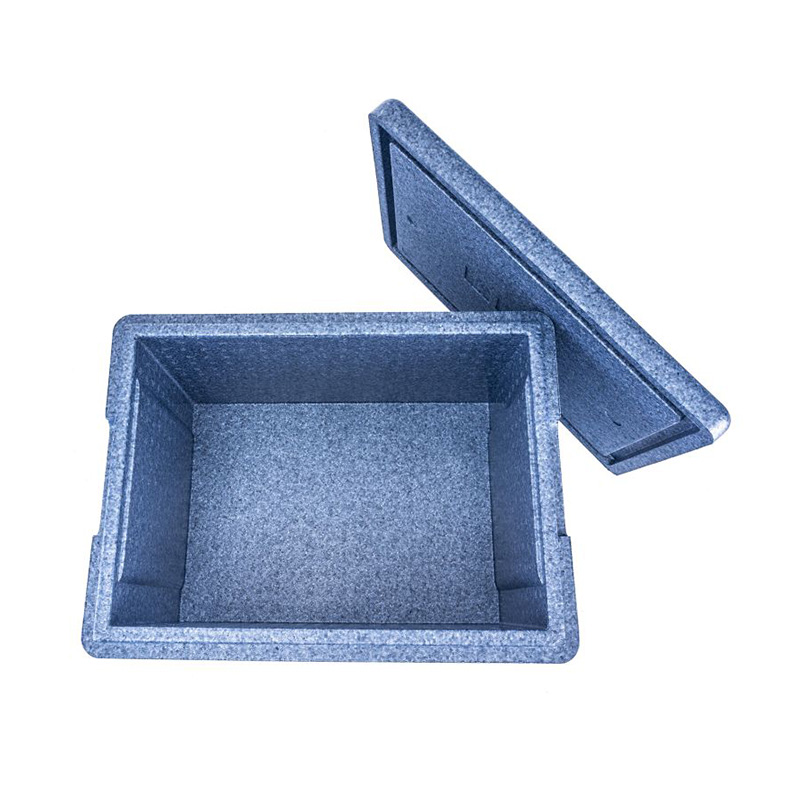
How to Choose an EPP cooler box for sale for Real Cold-Chain Work
La mejor manera de elegir un Caja refrigeradora EPP for sale is to start with the shipment, no la caja. Rango de temperatura de su producto, forma de carga útil, longitud de ruta, puntos de entrega, metodo de limpieza, y el bucle de retorno cambian el aspecto de un contenedor EPP adecuado. Esta guía optimizada combina la lógica de decisión del comprador., precaución técnica, y consejos operativos prácticos para que pueda seleccionar opciones sin depender de afirmaciones no respaldadas.
Respuesta del comprador: preseleccione el producto por ajuste, no por etiqueta. A good EPP cooler box for sale should match the payload, ruta, proceso de entrega, documentación del proveedor, y plan de escala. Todo lo demás es secundario..
El ajuste del caso de uso viene antes que el nombre del producto
An EPP cooler box for sale may be sold as insulated, durable, compacto, apilable, resistente a la humedad, o ecológico. Esas palabras son útiles sólo después de definir el caso de uso.. In shortlisting cooler boxes available for commercial food, tienda de comestibles, and temperature-sensitive delivery, el contenedor correcto debe caber en el producto, ruta, trabajadores, proceso de limpieza, y modelo de devolución. Una caja que es excelente para una ruta puede resultar incómoda para otra..
Comience con la carga útil: comida fresca, productos refrigerados, packaged seafood, lácteos, comidas preparadas, y paquetes de refrigerante. Luego describe la ruta.: almacenamiento antes del envío, velocidad de embalaje, modo de transporte, exposición ambiental, puntos de entrega, y recibir inspección. Finalmente, definir lo que debe hacer la caja. ¿Necesita amortiguar el impacto?, calentamiento lento, resistir la condensación, pila bajo carga, mostrar una marca, o regresar a través de un circuito controlado? Esta secuencia evita la sobrecompra y la subespecificación al mismo tiempo..
Para productos sensibles a la temperatura, Recuerde que el EPP proporciona aislamiento pasivo.. La caja admite la gestión de la temperatura pero no crea un rango de temperatura verificado por sí sola.. Refrigerantes, preacondicionamiento, diseño de paquete, escucha, y las pruebas de ruta siguen siendo parte de la decisión completa.
Los cuatro controles más importantes antes de realizar el pedido
Primero, comprobar el ajuste interno. el producto, refrigerante, divisores, revestimiento, y cualquier monitor debe encajar sin forzar la tapa cerrada. Segundo, comprobar la calidad del cierre. La tapa debe asentarse consistentemente después del embalaje real., no sólo cuando la caja está vacía. Tercero, comprobar la durabilidad del manejo. Esquinas, manijas, llantas, y los puntos de apilamiento deben sobrevivir a la forma en que su personal utilizará el contenedor.
Cuatro, comprobar documentación. Si un proveedor reclama tiempo de espera, rendimiento de impacto, idoneidad para el contacto con alimentos, o propiedades especiales del material, Pregunte qué evidencia respalda la afirmación y si se aplica a su configuración.. Los números no admitidos deben tratarse como marketing hasta que se revisen. Si tu ruta es regulada o de alto valor, involucrar calidad, logística, y adquisiciones juntos.
Estos cuatro controles son simples, pero filtran muchas malas decisiones. También hacen que las conversaciones con los proveedores sean más eficientes porque se discuten limitaciones reales en lugar de pedir una mejor casilla genérica..
Guía de función a decisión
| Característica | Significado de decisión útil | Que no asumir |
|---|---|---|
| Estructura EPP de celda cerrada | Puede soportar resistencia a la humedad y amortiguación. | No prueba automáticamente el saneamiento ni el tiempo de espera. |
| Diseño reutilizable | Puede reducir los envases de un solo uso en bucles gestionados | El valor de reutilización desaparece sin control de devolución |
| Pared y tapa aisladas | Ralentiza el cambio de temperatura cuando el embalaje es correcto | No es refrigeración activa. |
| Geometría apilable | Mejora la organización de furgonetas y almacenes. | Se debe comprobar la apilabilidad con cajas cargadas. |
| Opciones personalizadas | Puede mejorar el ajuste, herrada, y flujo de trabajo | La personalización no debe reemplazar las pruebas de muestra |
La siguiente tabla traduce las características comunes del producto en decisiones de compra prácticas.. También muestra lo que no se debe suponer únicamente a partir del nombre de la función..
Los nombres de las funciones son etiquetas útiles, no prueba final. El comprador aún tiene que conectar cada elemento a la ruta., producto, y expectativa de calidad. Esto es especialmente importante antes de realizar pedidos al por mayor o personalizados..
Cuando una caja EPP es una buena opción
Una caja de EPP suele ser una buena opción cuando una empresa necesita un contenedor aislado reutilizable que pueda soportar toques repetidos.. Esto incluye entrega de tienda a puerta., puesta en escena de comestibles, distribución regional de alimentos, manipulación de mariscos, logística médica compacta, y programas de embalaje retornable personalizados. La resistencia del material y su bajo peso ayudan cuando el personal transporta, pila, y limpiar cajas todos los días.
La caja también es útil cuando el producto necesita cierta protección contra impactos y cambios de temperatura al mismo tiempo.. Por ejemplo, comida fresca, productos refrigerados, packaged seafood, lácteos, comidas preparadas, and coolant packs may need a more structured container than a soft bag and a more reusable option than a fragile disposable foam shipper. El PPE puede cerrar esa brecha cuando el tamaño, tapa, y el embalaje están bien combinados.
Otra situación que encaja bien es un programa con rutas predecibles.. Si el tiempo de ruta, carga útil, exposición ambiental, y la entrega son relativamente consistentes, es más fácil estandarizar el embalaje y capacitar a los trabajadores. Cuanto menos predecible sea la ruta, Es posible que se necesiten más pruebas y monitoreo antes de escalar..
Cuando la caja por sí sola no es suficiente
An EPP cooler box for sale is not enough when the shipment requires a proven temperature range without pack-out testing. No es suficiente cuando el producto es muy sensible a la temperatura y no hay ningún plan de refrigeración., Colocación del monitor, o existe calificación de ruta. Tampoco basta con las reglas de limpieza., seguimiento de devolución, y faltan criterios de retiro en un programa de reutilización.
Los operadores de alimentos deben verificar las normas locales de seguridad alimentaria y los requisitos de manipulación de productos.. Los compradores de atención médica y farmacéutica deben revisar las etiquetas de los productos, procedimientos de calidad, requisitos del transportista, y expectativas de distribución relevantes. En muchos casos, La caja de EPP puede ser adecuada como componente aislado., pero el sistema completo aún debe ser revisado.
Esto no reduce el valor del EPP.. Hace que el valor sea más honesto.. La caja protege mejor cuando forma parte de un flujo de trabajo controlado en lugar de resolver todos los riesgos de la cadena de frío por sí sola..
Revisión de la muestra a la producción
Antes de escalar, ejecutar una revisión de muestra que se parezca al trabajo diario. Empacar bienes reales, use el refrigerante previsto, cerrar la tapa a velocidad normal, apilar las cajas, moverlos a través de la ruta, limpiarlos, e inspeccionarlos después de regresar. Registrar observaciones prácticas.: ajuste de la tapa, movimiento de producto, condensación, comodidad de transporte, marcas de superficie, y tiempo necesario para la limpieza.
Para venta al por mayor, costumbre, o pedidos de exportación, comparar la muestra aprobada con las unidades de producción. Comprobar dimensiones, color, colocación del logotipo, sensación de pared, compromiso de la tapa, embalaje de cartón, y cualquier accesorio. Si se realiza un cambio después de la aprobación de la muestra, documentarlo. La coherencia entre la muestra y la producción suele ser más importante que una primera muestra hermosa.
Cuando el rendimiento importa, Pregunte por las suposiciones detrás de cualquier dato de prueba.. La misma caja puede funcionar de manera diferente con otra carga útil, masa refrigerante, ruta, o perfil ambiental. Un comprador cuidadoso utiliza los datos de los proveedores como punto de partida, no como sustituto de la verificación interna.
Herramientas útiles para tomar decisiones
Comprueba los detalles antes de elegir el embalaje.
Estas herramientas rápidas pueden ayudarle a comparar el riesgo de la ruta, necesidades de dimensionamiento, opciones de refrigerante, y detalles del embalaje antes de solicitar una cotización.
Comprobador de riesgos de ruta
Revise las condiciones del carril antes de seleccionar el embalaje para requisitos operativos reales..
Comprobar riesgo de rutaCalculadora de hielo seco
Calcule las necesidades de hielo seco para envíos congelados o ultrafríos antes de empacar.
Estimar hielo secoResistencia a la caída del material aislante
Revise la resistencia a caídas y los factores de manipulación antes de elegir materiales aislantes..
Comprobar resistenciaEjemplo práctico
A buyer planning shortlisting cooler boxes available for commercial food, tienda de comestibles, and temperature-sensitive delivery may begin with one compact box because it looks efficient. Después de la prueba, El equipo puede descubrir que el refrigerante y la carga útil compiten por el mismo espacio.. Los trabajadores cierran la tapa con presión., cambio de bandejas de producto, y el sello de la tapa no es consistente. La mejor solución puede ser una caja un poco más alta., un divisor interno diferente, o dos tamaños de caja para diferentes familias de pedidos.
Este tipo de resultado es normal.. Un piloto práctico debería revelar las ventajas y desventajas antes de realizar un pedido al por mayor. El objetivo no es encontrar una caja perfecta en el primer intento.; es crear una configuración de empaque que el personal pueda repetir de manera confiable bajo presión operativa real.
Preguntas frecuentes
What is the first thing to check before buying an EPP cooler box for sale?
Comience con el ajuste interno después de incluir el paquete completo. Producto, refrigerante, revestimiento, divisores, y los dispositivos de monitoreo necesitan espacio. Si la tapa sólo se cierra cuando el personal la fuerza, La caja no tiene el tamaño correcto para la ruta..
¿Cómo debo tratar las reclamaciones de desempeño de los proveedores??
Pregunta por las condiciones detrás del reclamo. El rendimiento depende de la carga útil, exposición ambiental, refrigerante, preacondicionamiento, y criterios de prueba. Un reclamo puede ser útil, pero no debe tratarse como una prueba universal a menos que las condiciones coincidan con su caso de uso..
¿Cuándo vale la pena considerar una caja EPP personalizada??
Vale la pena considerar el diseño personalizado cuando las cajas estándar crean problemas operativos repetidos, como mal ajuste, apilamiento ineficiente, limpieza difícil, o requisitos de marca. Comience con las restricciones de ruta y carga útil antes de decidirse por herramientas personalizadas o características moldeadas..
¿Qué hace que una caja de EPP sea adecuada para compras al por mayor??
La compra al por mayor debe seguir la aprobación de la muestra, revisión de consistencia de producción, controles de embalaje, y criterios de aceptación claros. La caja debe ajustarse a la ruta., no solo el presupuesto. Confirmar dimensiones, accesorios, embalaje de cartón, y reglas de reemplazo antes de escalar.
Conclusión
An EPP cooler box for sale can be a strong choice when the buyer treats it as a practical cold-chain component rather than a magic container. Los puntos más importantes son sencillos.: definir la ruta, Confirmar la carga útil y el diseño del refrigerante., Pruebe la tapa y el apilamiento bajo manipulación real., planificar la limpieza y la devolución, y verificar cualquier afirmación de rendimiento antes de escalar. For shortlisting cooler boxes available for commercial food, tienda de comestibles, and temperature-sensitive delivery, Estos controles reducen el riesgo de comprar una caja que se ve bien pero que no se adapta a las operaciones diarias..
La decisión final debe equilibrar la protección del producto., usabilidad del trabajador, necesidades de documentación, y costo total de operación. Una caja de EPP bien elegida hace que el flujo de trabajo sea más fácil de repetir. Una mal elegida genera excepciones que el personal debe resolver cada día.
Acerca de Tempk
Tempk es un embalaje de cadena de frío Proveedor centrado en envases prácticos con control de temperatura para alimentos., medicamento, logística, y aplicaciones de entrega. Nuestra gama de productos incluye bolsas de hielo en gel, paquetes de hielo seco, aislado bolsas térmicas, Cajas de envío en frío EPP, revestimientos de cajas aisladas, cubiertas de paletas, y materiales de embalaje relacionados con la cadena de frío. Para proyectos de cajas EPP, Tempk puede ayudar a los compradores a pensar en la adecuación del producto, diseño de carga útil, compatibilidad con refrigerante, condiciones de manejo, y requisitos de embalaje personalizados o reutilizables sin convertir la elección de un material en una promesa de rendimiento sin respaldo. El objetivo es ayudar a los compradores a pasar de la palabra clave de un producto a una opción de embalaje que pueda revisarse., probado, y repetido.
Discute tu ruta, payload family, and order volume with Tempk before selecting an EPP cooler box for sale.
Otro punto práctico es el comportamiento de los trabajadores.. An EPP cooler box for sale is handled by people under time pressure. Si la caja es difícil de abrir, difícil de cerrar, o confuso para identificar, Los trabajadores pueden eludir el proceso previsto.. Un buen diseño de embalaje reduce la cantidad de decisiones que el personal debe tomar durante el embalaje y la entrega..
El mapeo de rutas debe incluir los momentos de tranquilidad., no sólo el viaje en vehículo. Las cajas empaquetadas pueden esperar cerca de un muelle, sentarse en un estante de puesta en escena, o permanecer abierto mientras los trabajadores revisan los pedidos. These exposure periods can matter for shortlisting cooler boxes available for commercial food, tienda de comestibles, and temperature-sensitive delivery, especialmente cuando el producto ya ha salido del almacenamiento controlado.
Para compradores, una especificación de caja EPP debe estar vinculada a un SOP. El POE debe explicar cómo se acondicionan las cajas, si es necesario., cómo se organizan los productos y el refrigerante, cómo se limpian las cajas devueltas, y cómo se eliminan las unidades dañadas. Sin esa capa operativa, El rendimiento del producto variará según el turno y la ubicación..
Los equipos de calidad suelen hacer preguntas diferentes a las de los equipos de adquisiciones.. Las adquisiciones pueden centrarse en el precio y el plazo de entrega., mientras que la calidad quiere pruebas, consistencia, trazabilidad, y control de cambios. Llevar ambos puntos de vista a la etapa de muestra evita desacuerdos en la última etapa después de que la casilla ya haya sido seleccionada..
If the box will carry fresh food, productos refrigerados, packaged seafood, lácteos, comidas preparadas, y paquetes de refrigerante, comprobar si hay olores, condensación, O pueden quedar residuos después del uso.. Un contenedor reutilizable no sólo debe sobrevivir a la ruta; debería volver a una condición que el personal se sienta cómodo usándolo nuevamente. El proceso de limpieza debe ser realista para la cantidad de cajas en circulación..
La planificación del inventario también importa. Las cajas reutilizables se mueven más lentamente que los envases desechables porque algunas unidades siempre están en uso, en tránsito de regreso, en limpieza, o en espera de inspección. La cantidad de compra debe reflejar ese ciclo., no solo el número de envíos diarios. Los compradores deben modelar la circulación antes de comprometerse con un programa grande..
Las etiquetas y la trazabilidad merecen atención. Un área de etiqueta suave, zona de identificación moldeada, o un sistema codificado por colores puede ayudar a los trabajadores a identificar las cajas rápidamente. Para programas retornables, La identificación simple puede reducir las pérdidas y facilitar el seguimiento de la limpieza., mantenimiento, y jubilación. Estas características deben planificarse antes de realizar pedidos de herramientas o al por mayor cuando sea posible..
No pases por alto el almacenamiento. Una caja que funciona bien en la carretera puede resultar inconveniente si consume demasiado espacio en el almacén o no se apila de forma segura cuando está vacía.. Considere anidar, apilado, ajuste de paleta, y altura de los estantes junto con las necesidades térmicas y de amortiguación. El ajuste operativo comienza antes de que el envío salga del edificio..
El proceso de compra más sólido es iterativo.. Seleccione tamaños probables, solicitar muestras, pruébelos con paquetes reales, recopilar comentarios de los trabajadores, ajustar la especificación, y luego escalar. Este enfoque requiere más esfuerzo que realizar un pedido desde un listado., pero reduce la posibilidad de comprar una gran cantidad de cajas que no se ajustan al uso diario.