Proveedor de cajas refrigeradoras EPP Selección con cinco puertas de aprobación
Un precio de caja bajo se vuelve caro cuando el refrigerante ya no cabe, Las tapas llegan distorsionadas o no se puede rastrear el informe de prueba hasta la producción.. La forma más segura de elegir un proveedor de neveras portátiles de EPP es utilizar puertas de aprobación. Cada puerta cierra una fuente de incertidumbre.: el requisito operativo, la evidencia del proveedor, el diseño físico, Rendimiento térmico y consistencia de producción.. No avanzas porque una muestra tiene buena pinta.; avanzas cuando la próxima decisión tenga pruebas suficientes. Este método funciona para la entrega de comida., Logística de comestibles retornables y proyectos de cadena de frío más controlados porque mantiene las reclamaciones de materiales separadas de los resultados del embalaje..
Puerta uno: Escriba un requisito que pueda inspeccionarse
El primer entregable no es una solicitud de cotización.. Es una especificación de uso de una página que dos proveedores pueden interpretar de la misma manera.. sin eso, un proveedor puede cotizar una caja desnuda, otro puede incluir refrigerante y un tercero puede asumir un uso que nunca fue discutido. Sus precios y declaraciones de rendimiento no serán comparables..
Comience con el producto. Registre sus límites de envío o retención según lo proporcionado por el propietario del producto., junto con la sensibilidad a la congelación, calor, humedad, impacto o contaminación. No utilice una gama farmacéutica familiar para un medicamento desconocido., y no convertir el valor del código alimentario minorista en un requisito de exportación universal. Si el límite está indeciso, marcarlo como un requisito previo en lugar de pedirle al proveedor de embalaje que lo elija.
Próximo, describir la carga útil en términos físicos. Proporcione las dimensiones y la masa del comercio minorista real., paquetes secundarios o de laboratorio, el número y orientación de las unidades, y las cargas más pequeñas y más grandes esperadas. Indique si los divisores, material absorbente, revestimiento, Se requieren características de manipulación o un registrador de temperatura.. Todos estos componentes ocupan espacio..
Separe el tamaño externo máximo del tamaño interno mínimo utilizable. La envolvente exterior controla los palets., estantería, puertas, transportadores, Aceptación de vehículos y mensajería.. El espacio utilizable controla el embalaje.. Solicite las dimensiones libres más pequeñas después del ahusamiento de la pared, esquinas redondeadas, intrusión en la tapa, refrigerante y características internas. Un volumen de cavidad nominal puede respaldar la detección temprana, pero no puede probar que una carga útil rectangular encaje.
La descripción de la ruta debe incluir más que la distancia.. Identificar el almacenamiento previo al envío, condiciones de embalaje, cargando permanencia, vehículos, terminales, traspasos, posibles retrasos, frecuencia de apertura y recepción. Por un programa reutilizable, agregar transporte de regreso, lavar, el secado, inspección y almacenamiento. La caja puede enfrentar sus condiciones más difíciles mientras está vacía en el camino de regreso o mientras espera sin lavar., aunque ninguno de los eventos aparece en un reclamo térmico.
Finalmente, definir qué éxito se observará. Los ejemplos incluyen el cierre correcto por parte de personal capacitado., drenaje limpio, un paquete repetible, sin interferencias con la carga útil, comportamiento especificado en la etiqueta y rendimiento de temperatura según un protocolo aprobado. Si necesitas apilar, indicar la condición de carga, Patrón y ambiente de manejo que deben ser evaluados.. Evite un requisito de carga numérica no compatible simplemente para que la especificación parezca completa.
Puerta dos: Seleccione el proveedor de cajas refrigeradoras EPP a través de evidencia
La evidencia de los proveedores se vuelve más valiosa a medida que se vuelve más específica.. En el nivel más bajo hay una declaración general sobre el PPE.. Los productores de material de polipropileno expandido describen sus productos como ligeros., aislante, resistente y resistente a bajos niveles de absorción de agua y diversos productos químicos. Esas propiedades respaldan el uso de EPP en envases moldeados reutilizables.. No identifican el grado en el cuadro citado..
El siguiente nivel es un documento de material específico del grado.. BASF y JSP publican múltiples grados de EPP, rangos de densidad e información de aplicación. Algunos grados nombrados tienen documentación de contacto con alimentos.; otros están diseñados para diferentes propósitos. Preguntar qué fuente de resina, calificación, Se propone un paquete de color o aditivos y una opción de contenido reciclado.. Luego obtenga las declaraciones que se aplican a esa composición exacta y mercado objetivo.. Un vínculo con la familia general de productos de un productor de materiales no es trazabilidad..
Arriba está la especificación de la pieza terminada.. Debe identificar la revisión controlada del dibujo., densidad moldeada objetivo o un método de verificación acordado, dimensiones críticas, masa parcial cuando sea útil, Detalles de cierre y accesorios., límites de defectos visuales y características de etiquetado. Esta capa le indica lo que el proveedor pretende reproducir..
La evidencia del embalaje vuelve a ser de un nivel más alto. Un informe térmico debe identificar la caja y la tapa exactas., carga útil, refrigerante, método de acondicionamiento, asamblea, preacondicionamiento, perfil ambiental, ubicaciones de sensores, método de registro y criterios de aceptación. La conclusión del informe es menos informativa que su configuración.. Si la caja propuesta tiene una tapa nueva, densidad diferente o carga útil diferente, El equipo debe determinar si el trabajo anterior todavía se aplica..
El último nivel es la evidencia operativa.. Una prueba piloto sobre el flujo de trabajo previsto puede revelar errores de divulgación, largo tiempo de embalaje, sustituciones de refrigerante, daño por lavado, residuo de etiqueta, pérdida y exposición de entrega inesperada. Un proveedor no controla cada parte de esa evidencia.; Las operaciones del comprador y los equipos de calidad lo hacen.. Por eso, seleccionar un proveedor es un proceso de verificación compartido y no una búsqueda de un certificado universal..
Utilice las referencias a las normas con cuidado.. El registro oficial de cambios de ISTA identifica 2011 como el último año de publicación del Procedimiento 7D y dirige a los usuarios de contenedores aislados al 7E, aunque algunas páginas de descripción general actuales aún describen el propósito de desarrollo heredado de 7D. El Estándar 7E de ISTA aborda el embalaje de transporte térmico en sistemas de entrega de paquetes a través de perfiles definidos de calor y frío., mientras que estándar 20 proporciona un proceso de diseño y calificación para contenedores de transporte aislados. Confirmar el documento actual y la versión con ISTA, y hacer coincidir el método con el objetivo de la prueba. Un nombre estándar nunca reemplaza una revisión de configuración, ruta y criterios de aceptación.
Puerta tres: Convierta la cotización en una caja controlada
en esta puerta, cada descripción de venta importante se convierte en una característica de dibujo, una especificación de material, un control de proceso o una pregunta abierta. La siguiente tabla puede servir como agenda para la revisión técnica..
| Punto de decisión | Qué se debe controlar o demostrar | Razón para detener la aprobación |
|---|---|---|
| Geometría interna y externa | Sobre máximo, cavidad mínima clara, apertura, afilar, radios de esquina, intrusión de tapa y accesorios | La carga útil o el refrigerante solo se ajustan deformando los componentes o cambiando el diseño previsto |
| Material EPP | Grado designado o especificación controlada, objetivo de densidad moldeada y declaraciones relevantes | El proveedor no puede rastrear la muestra y el plan de producción hasta el mismo material. |
| Muro y cierre | Geometría de la pared, planitud del borde, registro de tapa, correas o pestillos, y una verificación de error de cierre | Rocas de la tapa, arcos, se sienta ambiguamente o depende de un accesorio no documentado |
| Interfaz de refrigerante | Dimensiones del paquete, estado de condicionamiento, colocación, Separadores y revisión de compatibilidad. | El refrigerante entra en contacto con una carga útil sensible al congelamiento o impide el cierre total |
| Limpieza y reutilización | Condiciones de lavado aprobadas, método de drenaje y secado, trampas de suelo, criterios de inspección y retiro | No existe forma de eliminar la contaminación o identificar una unidad devuelta no apta |
| Calidad de producción | Criterios de fusión y superficie., método de masa o densidad parcial, dimensiones críticas, proceso de identidad y no conformidad del lote | El proveedor ofrece solo una muestra visual sin criterios de liberación mensurables. |
| Continuidad de la evidencia | Dibujo y configuración citados en informes., comparación del primer artículo y activadores de notificación de cambios | un material, herramienta, sitio, El cambio de proceso o diseño puede ocurrir sin revisión. |
| Ámbito comercial | Respuestas específicas del proyecto para términos de muestra, estampación, pedido mínimo, momento, características personalizadas y embalaje de unidades vacías | La cotización depende de suposiciones no declaradas o de una revisión del producto diferente. |
Una parada en esta etapa no es necesariamente una falla del proveedor.. Puede revelar que el requisito del comprador está incompleto o que un diseño personalizado necesita más ingeniería.. El valor de la puerta es que el espacio se vuelve visible antes de las herramientas o la producción en volumen..
La densidad moldeada merece una interpretación cuidadosa.. Afecta el peso parcial, resistencia y comportamiento térmico, pero un número más alto no significa automáticamente un mejor refrigerador. La densidad interactúa con el grado de EPP., espesor de pared, geometría, carga de fusión y manipulación. Pregunte al proveedor cómo se selecciona el objetivo., medido y mantenido consistente en lugar de solicitar la densidad más alta disponible.
El cierre merece la misma atención. El calor puede entrar a través de una junta mal asentada incluso cuando las paredes son sustanciales.. Pruebe si un operador puede saber que la tapa está completamente cerrada, si se requieren correas o pestillos y si el uso repetido distorsiona la llanta. Inspeccionar todos los rincones, no solo el centro de cada lado.
Las declaraciones de limpieza deben convertirse en condiciones.: detergente o desinfectante, concentración, temperatura, tiempo de contacto, acción mecánica, enjuagar y secar. La resistencia química a nivel de material no puede aprobar todo el proceso. Bisagras, etiquetas, Los insertos y las piezas adjuntas pueden responder de manera diferente al EPP.. Los equipos de higiene deben decidir si el método propuesto es apropiado para el alimento., contexto médico o alérgeno.
Puerta cuatro: Demuestre el paquete completo para el riesgo previsto
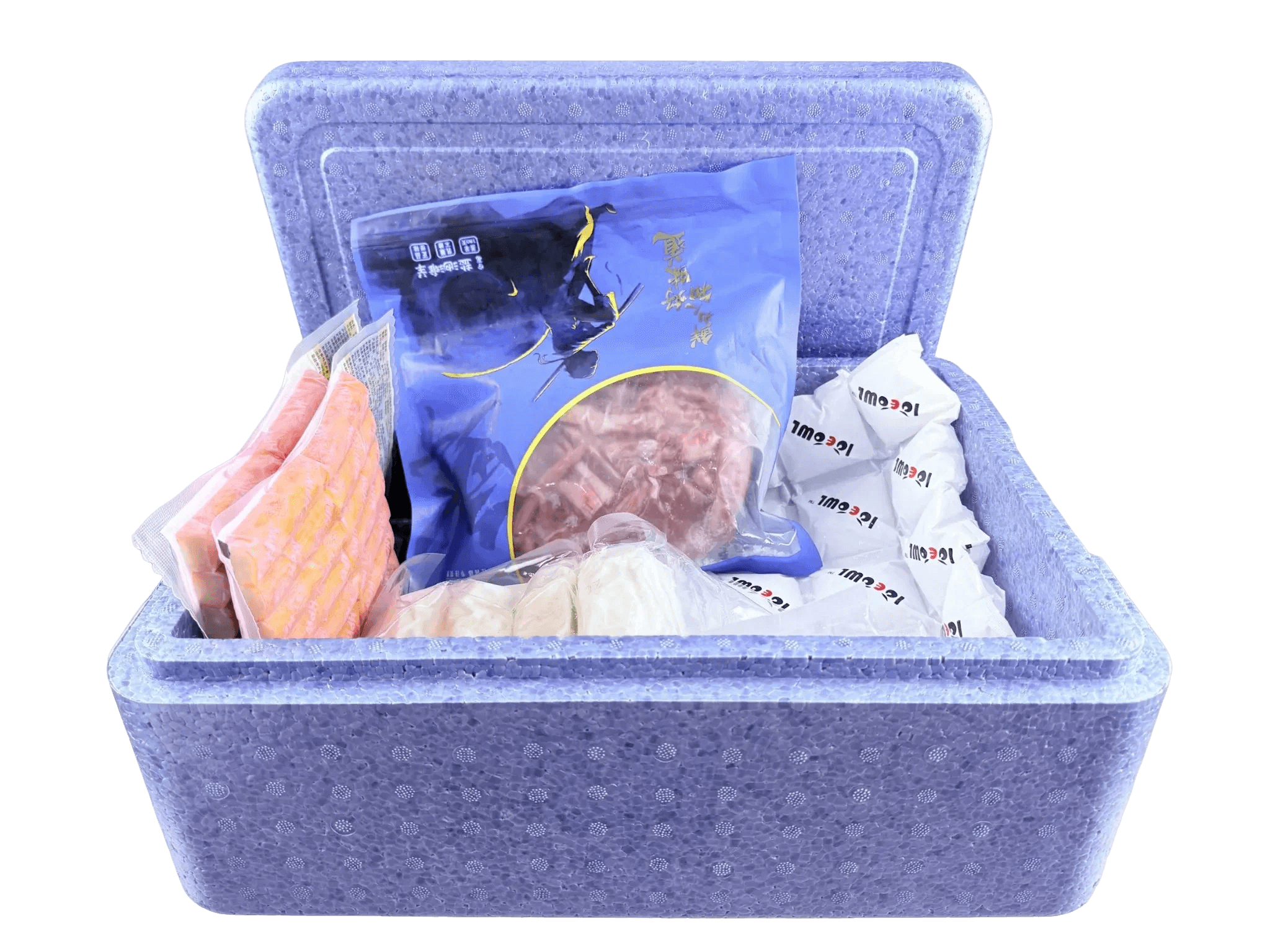
Un Caja EPP es aislamiento pasivo. Retrasa la transferencia de calor pero no reduce la carga útil caliente a la temperatura requerida. La refrigeración proviene de una carga útil acondicionada., refrigerante u otra fuente controlada. Por lo tanto, La preparación del examen comienza con las instrucciones de embalaje., no con el perfil de la cámara.
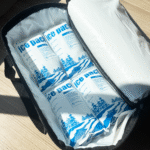
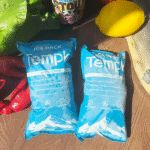
Especifique el refrigerante por producto y condición en lugar de utilizar una frase como "paquete congelado". paquetes de gel y los materiales de cambio de fase pueden necesitar un acondicionamiento diferente. Registre cuánto tiempo y dónde se produce el acondicionamiento solo después de que se haya establecido el método del producto seleccionado.; no tomar prestada una duración de otro refrigerante. Definir el número, orientación y disposición del separador. Si el paquete cambia según la temporada o el tamaño de la carga útil, cada versión aprobada necesita una identidad clara.
Herramientas útiles para tomar decisiones
Comprueba los detalles antes de elegir el embalaje.
Estas herramientas rápidas pueden ayudarle a comparar el riesgo de la ruta, necesidades de dimensionamiento, opciones de refrigerante, y detalles del embalaje antes de solicitar una cotización.
Selector de embalaje
Compare las opciones de embalaje aislado por producto, ruta, y necesidad de temperatura.
encontrar embalajeComprobador de riesgos de ruta
Revise las condiciones del carril antes de seleccionar el embalaje para requisitos operativos reales..
Comprobar riesgo de rutaCalculadora de hielo seco
Calcule las necesidades de hielo seco para envíos congelados o ultrafríos antes de empacar.
Estimar hielo secoEl contacto directo entre refrigerante muy frío y productos sensibles a la temperatura puede producir congelación local incluso cuando una lectura promedio parece aceptable.. La guía europea de buenas prácticas de distribución de medicamentos aborda la colocación de paquetes fríos para evitar el contacto con el producto cuando la congelación es un riesgo y enfatiza el ensamblaje capacitado y las configuraciones estacionales.. La implicación práctica es más amplia.: La ubicación del sensor debe ser capaz de detectar ubicaciones de riesgo tanto cálidas como frías., y las instrucciones deben ser reproducibles por envasadores reales.
El hielo seco es una decisión regulatoria y de diseño separada. Su temperatura, La sublimación del gas y las implicaciones de presión pueden afectar la carga útil., Contenedor y personas que lo manipulan.. Para transporte aéreo, Mercancías peligrosas actuales, transportador, etiquetado, Se deben confirmar los requisitos de marcado y documentación.. La declaración de un proveedor de que el EPP tolera la exposición al frío no constituye una aprobación de envío aéreo..
Un protocolo sólido responde a cinco preguntas:
¿Qué contenedores y accesorios exactamente representativos de la producción se están evaluando??
¿Qué configuración de carga útil y refrigerante representa el uso previsto o el peor caso justificado??
¿Qué desafío ambiental representa el canal de distribución?, temporada o carril que se está evaluando?
¿Dónde se colocan los sensores?, y qué criterios de aceptación de temperatura del producto se aplican?
¿Cómo serán las desviaciones?, Se gestionarán las ejecuciones repetidas y los cambios de configuración.?
La evidencia de laboratorio y la evidencia de ruta pueden complementarse entre sí. Las pruebas controladas ofrecen repetibilidad y desafíos definidos. Una ruta piloto revela vivir, apertura y comportamiento humano. Ninguno de los dos debería presentarse como más universal que su diseño.. Farmacéutico, Los programas de diagnóstico u otros programas de alto riesgo pueden requerir calificación formal y aprobación de calidad.. Una operación alimentaria local de menor riesgo puede utilizar un nivel diferente de verificación documentada., guiado por el producto y el sistema de seguridad alimentaria aplicable.
Puerta cinco: Piloto, Liberar y mantener válida la aprobación
La etapa de muestreo debe producir registros., no solo impresiones. Identificar la muestra mediante revisión del dibujo., grado o especificación del material, objetivo de densidad moldeada, estado de herramientas, color, accesorios y fecha. Medir las dimensiones internas mínimas y externas máximas.. Fotografiar un paquete ayuda a formar a los usuarios, pero la lista controlada de materiales y las instrucciones siguen siendo la base de aprobación.
Ejecute tres tipos de prueba. el primero es fisico: ajuste de carga útil, colocación de refrigerante, asiento de la tapa, apilado, que lleva, Interfaz del vehículo y uso de etiquetas.. El segundo es higiénico.: limpieza, enjuague, el secado, Criterios de olores o manchas e inspección bajo el suelo esperado.. El tercero es térmico cuando es necesario.: la configuración completa bajo el desafío aprobado. No dejes que el éxito en una prueba implique el éxito en las demás..
Muévase al lado de un lote piloto representativo de producción. Comparar varias unidades, no sólo un prototipo acabado a mano. Comprobar variación de dimensiones., planitud del borde, fusión, superficie, indicador de masa o densidad de la pieza, Cierre y ajuste de accesorios.. Registre el tiempo de embalaje y los errores. Si una esquina en particular se deja abierta repetidamente, rediseñar o agregar una función poka-yoke (una señal de prevención de errores) en lugar de depender de una atención perfecta para siempre.
Decisión piloto hipotética
Considere un distribuidor de alimentos especializados que planifique entregas locales por carretera y envíos aéreos ocasionales.. Su primer modelo de EPP transporta cómodamente la carga útil en carretera, pero un paquete de envío aéreo requiere más material absorbente y una disposición de refrigerante diferente. Esas adiciones reducen el espacio utilizable y ejercen presión sobre la tapa.. El informe térmico del proveedor cubre un paquete sellado con otra carga útil y no puede responder al escenario de apertura repetida de la carretera..
El equipo crea dos configuraciones controladas en lugar de forzar que un reclamo cubra ambos.. Piloto de ruta local mide manejo de apertura y retorno. La configuración aérea se compara con los requisitos actuales de carga y transportista y recibe su propia revisión del embalaje.. Adquisiciones pregunta si se puede suministrar la misma caja moldeada de manera consistente para ambos, mientras que la calidad decide qué evidencia térmica necesita cada configuración. El resultado aún puede ser un cuadro., pero ya no es un uso indocumentado.
La versión de producción debe nombrar la referencia aprobada., plano de dibujo y aceptación. Definir aprobación del primer artículo, Cheques entrantes y trazabilidad de lotes.. Requerir notificación antes de cambios en la fuente o el grado de resina., contenido reciclado, formulación de color, objetivo de densidad, herramienta, sitio de fabricación, proceso, tapa, cierre o accesorio. El comprador puede entonces decidir si una revisión del documento, Es necesaria una prueba de comparación o una recalificación..
El sistema de control continúa después del lanzamiento.. Las cajas reutilizables necesitan identidad, devolución e inspección. Los criterios de jubilación pueden incluir cuerpos agrietados, llantas aplastadas, distorsión permanente, cierres faltantes, contaminación incrustada, olor persistente o una marca de trazabilidad ilegible. Los registros de limpieza y las pérdidas de flotas ayudan a mostrar si el modelo de reutilización existe en la práctica.
Las afirmaciones de sostenibilidad deben utilizar esos datos operativos.. El EPP es técnicamente reciclable, pero el reciclaje real depende de la recolección, contaminación, etiquetas, Materiales adjuntos y acceso al procesamiento regional.. Los resultados de la reutilización dependen de las devoluciones, lavar insumos, transporte vacío, daños y el paquete alternativo. Para embalajes destinados a la UE, Los compradores también deben revisar el Reglamento de envases y residuos de envases., que generalmente comenzó a aplicarse en agosto 2026 con disposiciones escalonadas. La reciclabilidad del material por sí sola no establece el cumplimiento.
Conclusión: Aprobar pruebas una puerta a la vez
El método de las cinco puertas mantiene las decisiones de adquisiciones en el orden correcto. Primero defina la carga útil y la ruta.. Luego establezca la evidencia del proveedor., controlar el diseño de la caja, Pruebe el paquete completo y verifique la producción.. Después del lanzamiento, preservar la aprobación a través del control de cambios, recepción de inspección y un sistema de reutilización en funcionamiento.
El proveedor de neveras portátiles de EPP más útil no es el que tiene la lista más larga de reclamaciones generales. Es aquel cuya propuesta se puede rastrear desde el requisito hasta la muestra., de la muestra a la producción y de la producción a la evidencia que su operación necesita. Si una puerta expone incertidumbre, resolverlo antes de avanzar en lugar de pagarlo más tarde en la cadena de frío.
Acerca de Tempk
Ofertas de tempk Neveras EPP como parte de su publicación embalaje de cadena de frío y rango de refrigerante. Podemos discutir un proyecto desde el paquete hacia afuera., usando dimensiones de carga útil, ruta, concepto de refrigerante, Necesidades de manipulación y limpieza para identificar una opción que valga la pena probar.. Evitamos tratar el material de la caja como prueba del resultado del envío.; Los compradores deben revisar los dibujos específicos de configuración., muestras y evidencia disponible con sus equipos de operaciones y calidad. Los requisitos personalizados se pueden explorar solo después de que el resumen funcional sea claro..
Pídale a Tempk que trabaje en las cinco puertas de aprobación con su equipo. Comparta la especificación de uso y los requisitos de evidencia para que se pueda evaluar la muestra correcta antes de realizar un pedido mayor..