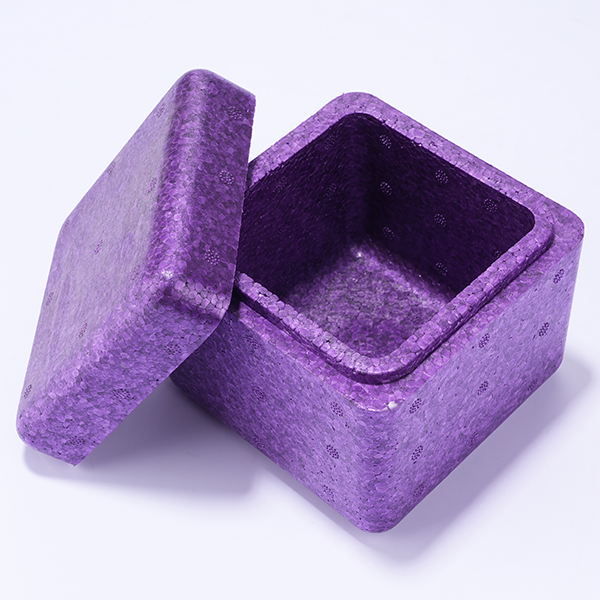
Fabricante de cajas aisladas EPP para uso farmacéutico: Compra la evidencia, No solo la caja
La oferta de proveedor más fácil de aprobar suele ser el paquete más difícil de defender más adelante.. Puede mostrar un atractivo Caja EPP, una cifra de volumen interno, y un titular de duración térmica, aún omitir la carga útil, estado del refrigerante, perfil ambiental, y criterios de aceptación detrás de esa afirmación. Al elegir un Fabricante de cajas aisladas EPP para uso farmacéutico, aplicar tres puertas: ajuste de producto y carril, evidencia del sistema completo, y control operativo. Una propuesta avanza sólo cuando supera las tres. Esto evita que una elección de material útil se confunda con una solución calificada para el envío de medicamentos..
Tres puertas para una compra defendible
El enfoque de puerta ofrece a las adquisiciones, calidad, logística, ingeniería de embalaje, y operaciones de almacén un registro de decisiones común. También hace que las comparaciones de proveedores sean justas.. Un proveedor no debería recibir crédito por una caja vacía no calificada mientras otro fija el precio del refrigerante., instrucciones, soporte de prueba, y trazabilidad.
| Puerta de decisión | Pregunta de aprobación | Pruebas a examinar | Razón para hacer una pausa |
|---|---|---|---|
| 1. Ajuste del producto y del carril | ¿El concepto propuesto se basa en la medicina real?, carga útil, ruta, y proceso de recepción? | Requisito del producto, dibujos de carga útil, control de volumen utilizable, mapa de carriles, Evaluación de riesgos | El proveedor asumió un rango de temperatura estándar o un tiempo de tránsito planificado. |
| 2. Prueba del sistema completo | ¿Los datos representan al remitente identificado?, refrigerante, empacar, casos de carga, y condiciones de desafío? | lista de materiales, dibujos, protocolo, datos sin procesar, informe, justificación de la calificación | Sólo una hoja de material, prueba de caja vacía, o se proporciona un reclamo de tiempo de espera no respaldado |
| 3. control operativo | ¿Se pueden reproducir los sitios de rutina?, monitor, recibir, limpio, y cambiar la configuración correctamente? | Instrucciones de trabajo, capacitación, inspección, flujo de trabajo del registrador, control de cambios, plan de reutilización | El paquete probado no se puede repetir en el almacén ni controlar después del lanzamiento. |
La falla en una puerta no es necesariamente falla del proveedor. Identifica el trabajo que queda. Un gabinete EPP prometedor puede pasar al desarrollo de ingeniería mientras se espera la aprobación de calidad por un embalaje y una calificación representativos.. El error es permitir que una aprobación de muestra se haga pasar por una autorización para envíos farmacéuticos de rutina..
Puerta uno: Definir el uso antes que el contenedor
Comience con las condiciones de almacenamiento y transporte aprobadas del producto.. La política de alcance y excursiones requerida debe provenir del etiquetado del producto., información regulatoria, o datos de estabilidad gestionados por la empresa farmacéutica. El rango familiar de 2°C a 8°C se aplica a muchos productos refrigerados y a vacunas autorizadas para almacenamiento en refrigeradores., pero no cubre todos los productos farmacéuticos ni todas las vacunas.. Algunos productos tienen temperatura ambiente controlada., congelado, helado, u otros requisitos. La sensibilidad al congelamiento puede ser tan importante como la protección contra el calor.
A continuación defina el tiempo transcurrido. Contar desde el cierre final en origen hasta la apertura y traslado al almacenamiento aprobado en destino. Incluir puesta en escena, levantar, cruce de muelles, procesamiento aeroportuario o portuario, aduanas, conexiones fallidas, fines de semana, ventanas de entrega, y retraso en la recepción. Separar la duración prevista de una contingencia justificada derivada del riesgo de carril. No existe un tiempo de espera universal que pueda asignarse al EPP.
La información de la carga útil debe describir la geometría y el comportamiento térmico., no solo peso o cantidad de pedido. Proporcionar las dimensiones externas y la orientación de las cajas de productos., cargas mínimas y máximas, mezcla de pedidos esperada, información de masa térmica disponible, y cualquier necesidad de mantener las superficies frías alejadas del producto. Si se utilizará un sustituto en las pruebas, su relación con el producto real debe estar justificada.
Calcule la envolvente de carga útil utilizable después de que todos los componentes del sistema estén en su lugar. Ese espacio de carga útil restante es el volumen utilizable.. El volumen bruto de la cavidad se reduce mediante refrigerante o PCM., espaciadores, divisores, material a cargar, el registrador, y cualquier espacio de aire protegido. Las dimensiones internas también deben reflejar las tolerancias y la geometría de cierre.. Es posible que una caja que quepa en una muestra vacía no quepa en el paquete calificado..
Finalmente, operaciones de mapa en ambos extremos. ¿Puede el origen condicionar consistentemente los medios necesarios?? ¿Durante cuánto tiempo se presentarán los componentes?? ¿Quién verifica el estado del paquete?? ¿El sitio receptor cuenta con una persona capacitada?, software compatible, y almacenamiento controlado disponible en el momento de la entrega? Un sistema teóricamente capaz es una mala selección cuando un sitio de rutina no puede operarlo..
Puerta dos: Bloquee el sistema antes de leer los resultados
El lenguaje de calificación se vuelve claro cuando cada capa física y procesal tiene un nombre..
El material EPP es espuma de polipropileno expandido.. La literatura técnica del fabricante respalda atributos a nivel de material, como el bajo peso., aislamiento térmico, resiliencia, absorción de energía, baja absorción de agua, y resistencia química. Los valores y el comportamiento varían según el grado., densidad, tratamiento, y método de prueba.
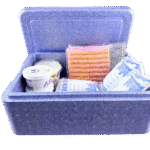
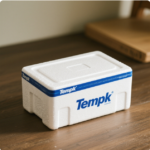
El cargador aislado es el cuerpo y la tapa de EPP moldeados, con inserciones definidas o protección exterior. Ralentiza la transferencia de calor y agrega protección física.. No genera enfriamiento.
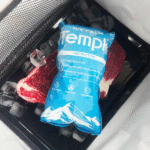
El refrigerante o PCM es el componente finito de energía térmica.. paquetes de gel, ladrillos de hielo, y otros materiales de cambio de fase deben seleccionarse y preacondicionarse para el sistema.. Cantidad, estado, posición, y separación de la carga útil. Un paquete de gel por sí solo no estabiliza un medicamento sin un paquete diseñado.
El sistema pasivo es el cargador., medios condicionados, disposición de carga útil, espaciadores, material a cargar, cierre, y método de funcionamiento utilizados juntos sin refrigeración motorizada.
El registrador registra la exposición a la temperatura.. Puede soportar la disposición o el análisis cuando su rango, exactitud, calibración, intervalo, respuesta, memoria, colocación, activación, y el procesamiento de datos son apropiados. No es una fuente de protección térmica..
El sistema de envío térmico calificado es la configuración controlada para la cual las pruebas documentadas muestran el rendimiento según los criterios aprobados bajo la carga útil indicada., ambiente, duración, y condiciones de manejo.
Dé a cada componente crítico una identidad única. La lista de materiales debe conectar las muestras analizadas con la producción de rutina.. Los dibujos deben controlar las características que afectan el encaje de la tapa., geometría de la pared, Ubicación del PCM, autorización de carga útil, y cierre. Si las piezas son intercambiables, definir qué combinaciones están aprobadas.
Aquí es también donde un fabricante demuestra su disciplina de producción.. Pregunte cómo califica la resina, densidad moldeada o peso de la pieza, dimensiones, fusión de cuentas, alabeo, condición de la superficie, contaminación, y la trazabilidad de los lotes están controladas. Las pruebas exactas dependen del diseño.. Lo que importa es un vínculo razonado entre una característica de producción y la configuración calificada..
La calificación es un argumento estructurado
La guía de la OMS sobre contenedores marítimos describe la calificación del diseño, calificación operativa, y calificación de desempeño. Estas etapas forman un argumento útil desde los requisitos hasta el uso rutinario..
La calificación del diseño comienza con una especificación de requisitos del usuario.. Se pregunta si el diseño propuesto puede satisfacer la carga de producto., ambiente, duración, protección-física, y requisitos de uso en condiciones controladas. Luego, la calificación operativa evalúa el paquete definido bajo desafíos controlados y cargas extremas representativas.. La calificación del desempeño examina si el dispositivo completo funciona en el entorno operativo real..
El protocolo debe aprobarse antes de realizar la prueba y debe definir los criterios de aceptación., responsabilidades, componentes, acondicionamiento, empacar, mapa de sensores, enfoque de grabación, casos de carga útil, perfiles ambientales, duración, tensiones de manipulación o distribución cuando sea relevante, desviaciones, y análisis de datos. El informe debe identificar lo que realmente ocurrió., no simplemente reformular el plan. Revisar todos los seguimientos de carga útil con el seguimiento ambiental, evidencia de calibración, hojas de trabajo, excepciones, y conclusiones.
ISTA 7E puede suministrar perfiles de calor y frío estandarizados para pruebas térmicas de entrega de paquetes. Es útil cuando un proyecto necesita un reconocimiento, desafío de laboratorio comparable. La propia descripción de ISTA distingue esos perfiles de los datos de carril personalizados y la calificación de envío personalizada en el peor de los casos.. Por lo tanto, un resultado 7E pertenece a la justificación de la calificación.; no borra la necesidad de entender la ruta.
La orientación del PIB de la Unión Europea refuerza la conexión operativa. La selección del envase considera los requisitos del medicamento., espacio de envío, extremos externos anticipados, tiempo máximo de transporte incluido el almacenamiento temporal, y estado de calificación o validación. También llama la atención sobre el transporte basado en riesgos., desviaciones, centros de transferencia, escucha, posición de paquete frío, asamblea estacional, y formación del personal. El PIB no es una certificación impresa en el EPP. Es un marco de distribución que da forma a cómo se selecciona y controla el sistema de envío..
Herramientas útiles para tomar decisiones
Comprueba los detalles antes de elegir el embalaje.
Estas herramientas rápidas pueden ayudarle a comparar el riesgo de la ruta, necesidades de dimensionamiento, opciones de refrigerante, y detalles del embalaje antes de solicitar una cotización.
Referencia del material aislante
Compare opciones de materiales aislantes para diferentes necesidades de embalaje de la cadena de frío.
Comparar materialesCalculadora de hielo seco
Calcule las necesidades de hielo seco para envíos congelados o ultrafríos antes de empacar.
Estimar hielo secoCalculadora de bolsa de hielo
Estimación de la cantidad de bolsas de hielo en gel para envíos refrigerados y planificación práctica de rutas.
Estimar las bolsas de hieloTratar el informe existente de un proveedor como evidencia con un alcance definido.. Puede reducir la repetición del trabajo si el diseño exacto, empacar, casos de carga útil, perfiles ambientales, duración, y los criterios de aceptación cumplen con los requisitos del usuario del comprador.. si un refrigerante, divisor, carga útil, caja, o cambios de procedimiento, evaluar el efecto antes de confiar en el informe.
Puerta tres: Demuestre que el proceso puede sobrevivir al trabajo rutinario
Un paquete listo para el campo debería ser difícil de malinterpretar. La instrucción de trabajo necesita imágenes o identificadores de componentes., pasos de preacondicionamiento, secuencia de montaje, límites de carga útil, posición del registrador, cierre, sellos, etiquetas, y precauciones de manejo. Debería definir qué hacer cuando falta un componente., dañado, en malas condiciones, o fuera de su ventana de preparación permitida.
El precondicionamiento es a menudo la fuente silenciosa de variación.. El procedimiento debe indicar cómo cada refrigerante o PCM alcanza el estado requerido., cómo se verifica la preparación, cómo se segregan los medios condicionados de manera diferente, y cuánto tiempo se pueden preparar los componentes antes de empacar. Confirmar que el equipo de acondicionamiento tenga suficiente capacidad controlada para el despacho pico y se recupere bajo las prácticas de carga reales..
En la entrega, alinear el paquete con el servicio reservado y el acuerdo de servicio. Especificar condiciones externas solicitadas, almacenamiento temporal permitido, orientación, seguridad, eventos de escaneo, alertas de retraso, contactos, y escalada. Para carga sanitaria reservada por tiempo- y sensible a la temperatura por aire, La etiqueta de manipulación IATA aplicable comunica el rango de temperatura de transporte externo.; no garantiza las condiciones internas del producto. Si hielo seco se utiliza, normas actuales sobre mercancías peligrosas, variaciones del transportista, ventilación del embalaje, calificación, etiquetado, cantidad, y la documentación necesita confirmación de un especialista.
La recepción es parte del proceso de embalaje., no es una ocurrencia tardía. El receptor debe verificar la identidad., sello, etiquetas, condición física, humedad o fugas, estado del registrador, y documentos; mover el producto rápidamente al lugar controlado o de cuarentena apropiado; preservar datos; y seguir el proceso de excursión aprobado.. Una alarma de registrador es una entrada para la disposición, no es una instrucción de descarte universal. La información sobre la estabilidad del producto y la autoridad de calidad rigen la decisión..
Después del lanzamiento, revisar las tendencias de seguimiento, registros de retraso, daño, desviaciones de embalaje, rechazos de inspección, y quejas. Estos datos muestran si los supuestos siguen siendo válidos.. También pueden revelar que una ruta es más dura que el perfil del laboratorio., que un sitio presenta PCM de manera inconsistente, o que una tapa está siendo dañada por el manejo de devolución.
Incluir la evaluación del fabricante en el paquete de oferta
En lugar de pedir a los proveedores que “coticen una caja de EPP farmacéutica,"emitir una solicitud estructurada. Incluir la condición del producto., sensibilidad de congelación cuando sea relevante, dibujos de carga útil y rango de carga, mapa de ruta, base de duración, estrategia ambiental, necesidades de entrega y recepción, enfoque de seguimiento, intención de reutilización, y expectativas de documentación.
Requerir que cada respuesta separe cuatro categorías:
- Datos del producto estándar: dimensiones controladas, identidad material, compatibilidad de accesorios, y tolerancias de producción.
- Evidencia existente: informes y datos disponibles para la configuración exacta o comparable, con diferencias claramente identificadas.
- Trabajo de proyecto: desarrollo de muestras, diseño de paquete, pruebas, personalización, estampación, o todavía se requiere documentación.
- Respuestas comerciales: base del volumen cotizado, cantidad mínima de pedido, plazo de entrega, propiedad de herramientas, componentes de repuesto, condiciones de entrega, y compromisos de notificación de cambios.
Esta estructura evita que un reclamo no verificado reciba la misma puntuación que un resultado documentado.. También expone los costos del ciclo de vida.. Una cavidad más económica que requiere un segundo embalaje., mano de obra extra en el almacén, o una ruta inversa difícil puede no ser el programa de menor costo.
Evalúe la coherencia entre la muestra y la producción antes de ampliarla. Las unidades de calificación deben representar herramientas de rutina., material, y configuración del proceso. Definir controles entrantes y manejo de defectos para cuerpos., tapas, inserciones, y componentes refrigerantes. Estoy de acuerdo en que los cambios en el grado de resina, especificación de densidad, moho, geometría, proceso, proveedor de componentes, PCM, o instrucciones críticas serán notificadas y evaluadas a través del control de cambios.
Una decisión de adquisición en la práctica
Imaginemos dos propuestas para un producto biológico sensible a la congelación.. La propuesta A proporciona un atractivo cuadro del PPE y una declaración de larga duración., pero la prueba utilizó una carga útil no identificada y no muestra el estado del refrigerante ni datos ambientales.. La propuesta B ofrece un factor de forma ligeramente diferente, Identifica la lista completa de materiales., muestra la envolvente de carga útil utilizable, y explica qué trabajo de calificación queda para la ruta aérea del comprador.
La propuesta B no es automáticamente la respuesta final, pero es el punto de partida más reseñable. El equipo puede identificar brechas, planificar cargas mínimas y máximas representativas, evaluar el riesgo de congelación cerca del PCM, seleccionar ubicaciones de registradores, y conectar pruebas estandarizadas con datos de ruta. La propuesta A deja al equipo adivinando qué afirmación sobrevive a su uso real.. La calidad de la evidencia es parte de la calidad del producto..
La reutilización es un estado controlado, No es una etiqueta de material
La resiliencia del PPE, bajo peso, y la reciclabilidad puede respaldar un diseño retornable. La sostenibilidad depende del modelo operativo. Contar viajes exitosos, distancia de regreso, limpieza de agua y energía, pérdidas, rechazos de inspección, componentes de repuesto, almacenamiento, y el camino real hacia el final de la vida. El potencial de reciclaje tiene poco valor si ningún programa receptor acepta las piezas usadas.
Definir la compatibilidad de limpieza y la liberación higiénica para el diseño moldeado.. Áreas texturizadas, articulaciones, etiquetas, gubias, y la humedad atrapada merecen una revisión. Inspeccionar el ajuste de la tapa, esquinas, paredes, inserciones, cierres, e identificación después de cada devolución con la frecuencia definida por el riesgo. Contaminación en cuarentena, distorsión, daño profundo, piezas faltantes, olor persistente, o reparaciones no aprobadas según criterios escritos.
El estado térmico también puede cambiar con el tiempo o los daños, incluso cuando una unidad sigue siendo visualmente reconocible.. La orientación de la OMS apoya la recalificación basada en el riesgo de los sistemas reutilizables y la reevaluación después de cambios relevantes. Identidad de activos, historial de servicio, monitorear tendencias, y los datos de rechazo pueden informar esa decisión. Evite prometer un recuento de reutilización universal sin evidencia específica del programa.
Preguntas frecuentes
¿Cuál es el primer documento que debe crear un comprador??
Crear una especificación de requisitos del usuario o un resumen de decisión equivalente.. Debe conectar la condición aprobada del producto con el rango de carga útil., espacio utilizable, ruta, duración puerta a puerta, estrategia ambiental, restricciones de empaquetado, escucha, recepción, reutilizar, y expectativas de evidencia. Un requisito claro permite a los fabricantes identificar un diseño inicial apropiado sin afirmar que una caja vacía ya resuelve el camino..
¿Es suficiente una pared de EPP más gruesa para prolongar el tiempo de espera??
La geometría de la pared puede afectar el flujo de calor, pero el espesor por sí solo no establece la duración. Juntas de tapa, densidad moldeada, puentes termicos, Selección y colocación de PCM., masa térmica de carga útil, condiciones iniciales, perfil ambiental, y abrir o manipular todos contribuyen. Compare configuraciones completas probadas. Aún se debe evaluar un cambio de diseño destinado a mejorar el aislamiento para el volumen de carga útil., peso, consistencia del moldeo, y el impacto de la calificación.
¿Quién es responsable del cumplimiento farmacéutico??
Las responsabilidades varían según el mercado y el acuerdo., pero la compañía farmacéutica y las partes distribuidoras conservan deberes del sistema de calidad que no pueden transferirse comprando un material "compatible". El fabricante debe controlar y documentar los componentes suministrados y respaldar una evaluación precisa.. Las funciones autorizadas por el comprador determinan los requisitos del producto., aprobar calificación, operaciones de control, gestionar excursiones, y confirmar las obligaciones regulatorias aplicables.
¿Cuándo se debe abrir el control de cambios??
Ábralo antes de que un cambio relevante entre en uso rutinario.. Los desencadenantes pueden incluir el grado EPP, densidad, moho, tapa, PCM, divisor, maderero, caja de carga útil, equipo de preacondicionamiento, empacar, proceso de limpieza, proveedor, transportador, ruta, cronograma, o duración. Compare el cambio con la base de calificación y decida si la equivalencia documentada, pruebas dirigidas, instrucciones revisadas, o se necesita recalificación.
Apruebe un sistema que pueda explicar
La compra estará lista cuando el equipo pueda explicar por qué el sistema exacto basado en EPP se adapta al medicamento y al carril., ¿Qué evidencia lo respalda?, cómo lo operará cada sitio, y qué eventos desencadenan la revisión. Esto es más valioso que un reclamo de material amplio y más duradero que un número de tiempo de espera del catálogo..
Acerca de Tempk
Ofertas de tempk Cajas aisladas de EPP junto con componentes de cadena de frío compatibles para el desarrollo de proyectos, incluyendo paquetes de gel, ladrillos de hielo u opciones PCM, divisores, y seguimiento de las opciones. Podemos ayudar a traducir las entradas de carga útil y ruta a una configuración definida para la evaluación de muestras y la calificación planificada.. Mantenemos el límite claro: la caja moldeada es un componente, mientras que la idoneidad final depende del embalaje completo, condiciones de funcionamiento, evidencia, y aprobación del comprador.
Comparta sus requisitos de usuario, rango de carga útil, perfil de carril, restricciones de empaquetado, y necesidades de documentación con Tempk. Solicite una propuesta que separe los datos verificados del producto, evidencia existente, y el trabajo del proyecto aún es necesario antes de ampliarlo.