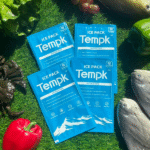
Hoja de paquete de hielo seco extra frío: Dominar el envío ultrafrío en 2025
Introducción
Mantener los productos congelados como una roca durante viajes largos no sólo es bueno, sino que es esencial para la seguridad alimentaria, potencia del medicamento y satisfacción del cliente. Un hoja de hielo seco extra frío Ofrece una capacidad de congelación más profunda que los paquetes de gel estándar o los materiales de cambio de fase. (PCM). Este artículo explica qué hace que estas sábanas sean tan especiales., cuando usarlos, cómo dimensionarlos y manipularlos de forma segura, y como 2025 Las tendencias de la cadena de frío afectan sus elecciones.. Al final, sabrás cómo proteger tus envíos, reduzca el desperdicio y cumpla con las normas.
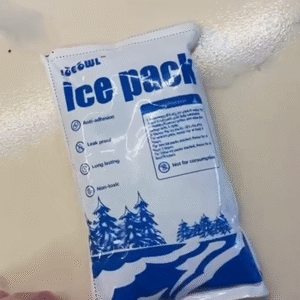
Comprender las láminas de hielo seco extrafrío: Descubra cómo estas mantas flexibles de CO₂ sólido ofrecen –78,5 °C, por qué superan a los paquetes de gel, y qué significa realmente “extra frío”.
Dimensionarlos y aplicarlos correctamente: Siga las pautas de tallas paso a paso., cálculos rápidos y patrones de empaque que maximizan el tiempo de espera.
Manipule el hielo seco de forma segura y cumpla con las normativas.: Saber sobre la ONU 1845 etiquetado, ventilación, EPP y normas de eliminación.
Comparar con paquetes de gel y PCM: Utilice datos en paralelo para elegir el refrigerante adecuado para diferentes carriles y productos.
Manténgase por delante de 2025 tendencias: Explorar el crecimiento del mercado, sostenibilidad, Monitoreo de IoT y otras innovaciones que dan forma a la logística de congelados.
¿Qué es una lámina de hielo seco extrafrío y por qué utilizarla??
Una manta flexible de dióxido de carbono sólido – Una lámina de hielo seco extrafrío consta de múltiples bolsillos llenos de CO₂ sólido capturado dentro de una matriz de polímero súper absorbente.. Cuando se hidrata y congele, la lámina se vuelve lo suficientemente rígida como para envolver formas irregulares y al mismo tiempo permanece lo suficientemente delgada como para caber en espacios reducidos.. El hielo seco se sublima directamente de sólido a gas a aproximadamente –78,5 °C (–109,3 °F), por lo que no deja residuos de agua y mantiene temperaturas ultrabajas por mucho más tiempo que los paquetes de hielo o gel a base de agua..
Por qué es importante el “extra frío” – El término se refiere a la temperatura extrema y la capacidad de enfriamiento en lugar de una marca.. El hielo seco llega a todas partes 571 kJ de energía de enfriamiento por kilogramo a medida que se sublima, proporcionando una “batería” de congelación que puede recuperarse de retrasos en la apertura de puertas y depósitos calientes. Los paquetes de gel funcionan cerca 0 °C a –5 °C y normalmente duran sólo de 6 a 12 horas, mientras que los paneles PCM alrededor de –21 °C proporcionan un nivel medio de refrigeración. Para envíos que deben permanecer por debajo de –20 °C durante 48 a 96 horas, como helado, vacunas o productos químicos especiales: una lámina de hielo seco extrafrío ofrece el margen de temperatura necesario.
Cómo la sublimación ofrece temperaturas ultrabajas
Cuando el hielo seco se sublima, la reacción endotérmica absorbe aproximadamente 571 kJ de calor por kilogramo. Este consumo de energía enfría eficazmente el entorno circundante.. Porque la sábana envuelve la carga., Elimina los rincones cálidos y las bolsas de aire muerto.. Los gránulos de hielo seco vertidos sin apretar pueden desplazarse y crear un enfriamiento desigual, pero una sábana permanece en su lugar, reducir los gradientes de temperatura y minimizar los riesgos de manipulación.
Ventajas clave sobre los paquetes de gel y PCM
| Fuente de enfriamiento | Temperatura nominal | Energía de refrigeración | Lo que significa para ti |
| hielo seco (Co₂) | –78,5 ºC | ~571kJ/kg | Control de congelación profunda; Ideal para bienes congelados; requiere ventilación y ONU 1845 etiquetado |
| paquetes de gel | 0 °C a –5 °C | Bajo | Adecuado para envíos refrigerados pero no congelados; riesgo de agua de deshielo |
| PCM (–21°C) | ≈ –21°C | Medio | Rango congelado estable; recuperación limitada de picos de calor en comparación con el hielo seco |
Alta capacidad de enfriamiento – El hielo seco proporciona la mayor energía de enfriamiento por kilogramo., por lo que puede utilizar menos masa total en comparación con el apilamiento de ladrillos de gel o paneles PCM. Esta eficiencia reduce el peso del envío y reduce los costos..
Tiempo de espera más largo – Las capas de hielo seco de congelación rápida mantienen temperaturas ultrafrías durante hasta 72 horas, mientras que los paquetes de gel duran entre 6 y 12 horas y los paneles PCM entre 24 y 72 horas. Si su carril abarca varios días o incluye un tiempo de permanencia impredecible, El hielo seco proporciona un mayor margen de seguridad..
No hay lío – Porque el hielo seco se sublima directamente en gas CO₂, no hay agua derretida que dañe el embalaje, etiquetas o productos. Esto lo hace ideal para enviar productos farmacéuticos., productos biológicos y alimentos congelados delicados.
Espacio eficiente y flexible – Las capas de hielo seco extrafrío se adaptan a formas irregulares y maximizan el contacto con el producto., Reducir el espacio no utilizado y promover una refrigeración uniforme.. También son más ligeros que el hielo a base de agua., que puede reducir los costos de flete.
Frío constante – El contacto uniforme reduce los gradientes de temperatura, garantizar que los productos sensibles permanezcan dentro del rango de temperatura requerido. Por ejemplo, una empresa de biotecnología envolvió viales de vacunas de ARNm con capas de hielo seco y los mantuvo a –75 °C durante 72 horas a pesar de la temperatura ambiente de 25 °C; los viales llegaron secos y sin contaminar.
Dimensionamiento de su lámina de bolsa de hielo seco extrafrío
Obtener la masa y el espesor correctos es fundamental. Muy poco hielo seco provoca una descongelación prematura, mientras que demasiado desperdicia dinero y aumenta las emisiones. A continuación se presentan pautas prácticas..
Espesor y Duración
| Duración del tránsito | Hoja recomendada | Masa aproximada de hielo seco por kg de producto | Significado práctico |
| Arriba a 24 horas | 12 hoja de mm | 1 kg de hielo seco por 1 kg de producto | Ideal para envíos nocturnos; mantiene los productos por debajo de –20 °C durante un día |
| 24–48 horas | 18 hoja de mm o dos 12 mm capas | 1–1,5 kg de hielo seco por kg de producto | Adecuado para entregas de dos días; las capas proporcionan refrigeración redundante |
| 48–72 horas | 24 hoja de mm o tres 12 hojas de mm | 2 kg de hielo seco por kg de producto | Esencial para tránsitos largos; mantiene –75 °C durante tres días |
Regla de campo rápido
Para poliestireno expandido estándar de 12 a 24 litros (EPS) Enfriador de envío de alimentos congelados, empezar con 2–4 kg de hielo seco para una retención de 24 horas. Para 48–72 horas, plan 4–8 kilogramos, y ampliar para 96 horas. La masa exacta depende del aislamiento. (valor R), tamaño de la caja, Picos ambientales y con qué frecuencia se abre el paquete..
Cálculo paso a paso
Estimar la fuga de calor (q) – Multiplique el valor U de la caja por su superficie y la diferencia de temperatura promedio entre el ambiente y el objetivo..
multiplicar por el tiempo (Q = Q̇ × horas) – Convertir a kilojulios.
Añadir producto desplegable – Si el producto no está precongelado, incluir la energía para enfriarlo o congelarlo.
Sumar 20–30 % buffer – Cuentas para traspasos, reclasificación y retenciones de fin de semana.
dividir por 571 kJ/kg – El resultado son tus primeros kilogramos de hielo seco..
Ajuste del aislamiento
| Duración | EPS 1.5″ Pared | EPS 2.0″ Pared | Lo que significa |
| 24 horas | 2–3 kg | 1.5–2,5 kilos | Comience poco a poco y valide con dos registradores |
| 48 horas | 4–6 kg | 3–5 kilogramos | Agregue buffer si la última milla está caliente |
| 72 horas | 6–9 kg | 5–7 kg | Considere láminas de doble capa para carriles largos |
| 96 horas | 8–12 kg | 7–10 kg | Actualice a paneles VIP o PCM híbrido + hielo seco para viajes largos |
Patrón de embalaje
Coloque la bolsa de hielo seco extra frío arriba la carga útil: el gas CO₂ se hunde, lavado de aire frío sobre el producto. Utilice corredores laterales si el espacio lo permite, y agregue solo una pequeña almohadilla inferior cuando sea necesario para evitar desperdicios. Deje siempre caminos de ventilación; Nunca selle el recipiente herméticamente al gas..
Utilice cartón corrugado o papel kraft como barrera entre la lámina y productos delicados como viales de vidrio.. Para formas irregulares, Envuelva la lámina completamente alrededor de la carga para asegurar un contacto uniforme..
Ejemplos del mundo real
Envío de vacunas biotecnológicas – Una empresa de biotecnología envió vacunas de ARNm utilizando láminas de hielo seco flexibles que envolvían cada vial. Las láminas se mantuvieron a –75 °C durante 72 horas y sublimado limpiamente, entonces los viales llegaron secos y sin contaminar.
Exportación de mariscos – Un exportador de productos del mar que transportaba pescado congelado a través de continentes utilizó un 24 capa de hielo seco de mm con una 1:1 Relación de peso de hielo seco a producto. Mediante el uso de paneles aislados al vacío. (personaje) y envolviendo la sábana alrededor de cada pez, el exportador mantuvo –40 °C durante 60 horas, evitando picos de temperatura y condensación.
Consideraciones regulatorias y de seguridad
El hielo seco es excepcionalmente frío y está clasificado como material peligroso., por lo que es obligatorio un manejo adecuado.
Equipo de protección personal (PPE)
- Guantes y gafas aislantes– Utilice siempre guantes aislantes y gafas de seguridad para evitar congelación y lesiones oculares.. Tocar hielo seco con las manos desnudas puede provocar quemaduras graves.
- Pinzas o palas– Utilice herramientas en lugar de manos para manipular bloques de hielo seco., especialmente al romper hojas en pedazos más pequeños.
Ventilación y almacenamiento
- Ventilación– Como el hielo seco se sublima, libera co₂ gas. Almacene y deseche las sábanas en áreas bien ventiladas para evitar la acumulación de gas..
- Nunca selle herméticamente– Nunca almacene hielo seco en contenedores herméticos o en baúles de vehículos.. La presión del gas que se sublima puede hacer que un recipiente se rompa.
Cumplimiento normativo
- Y 1845 etiquetado– El hielo seco se clasifica como “Dióxido de carbono, sólido” bajo la ONU 1845. Los paquetes deben mostrar el nombre de envío correcto., Número ONU y peso neto en el mismo lado que la etiqueta de peligro.
- Título 49 Normas CFR e IATA– En los Estados Unidos, envíos que contengan más de 5.5 lb (2.5 kilos) de hielo seco debe cumplir con el Título 49 Regulaciones CFR. Para envíos aéreos, siga la Asociación Internacional de Transporte Aéreo (IATA) regulaciones de mercancías peligrosas, incluidos los límites de masa neta y los requisitos de declaración del transportista.
- Seguridad del destinatario– Si los usuarios finales manipulan el paquete, Etiquete el paquete claramente para advertir sobre el hielo seco e incluya una tarjeta de instrucciones para evitar quemaduras por frío y proporcionar orientación para su eliminación..
Eliminación segura
Deseche el hielo seco al aire libre o en un área bien ventilada.. No vierta el hielo seco restante en fregaderos o contenedores sellados.; puede congelar las tuberías o provocar un aumento de presión. Entrene a los receptores para permitir que el hielo seco se sublime completamente en un espacio abierto antes de desechar la lámina..
Elegir entre hielo seco, Paquetes de PCM y gel
La selección del refrigerante adecuado depende de la duración del carril, Requisitos de temperatura y capacidades de manipulación..
Compensaciones entre rendimiento y costos
| Opción | Materiales | Costo relativo | Requisitos de manejo | El mejor uso | Lo que significa |
| Paquete de hielo seco extra frío | CO₂ en lámina de polímero | Medio | Requiere EPP, ventilación y ONU 1845 etiquetado | Envíos congelados con una duración de 48 a 96 h | Máxima protección; Lo mejor para productos congelados de alto valor o carriles variables. |
| PCM (–21°C) | PCM orgánicos o inorgánicos | Medio-alto | Manejo sencillo | Envíos congelados, 24–72 h | Proporciona una meseta estable; Bueno para agarres moderados pero recuperación limitada de picos de calor. |
| paquetes de gel | gel a base de agua | Bajo | Manejo sencillo | Envíos refrigerados, 12–48 H | No apto para congelación; riesgo de agua de deshielo |
Enfoque híbrido
Un paquete híbrido combina paneles PCM a -21 °C alrededor de los lados con una bolsa de hielo seco extra frío en la parte superior. Esta configuración reduce la masa total de hielo seco mientras mantiene la estabilidad y protege el embalaje de fracturas frágiles..
Optimización ambiental y de costos
El tamaño correcto de su bolsa de hielo seco evita el desperdicio y reduce las emisiones. Mejora del aislamiento (p.ej., utilizando paneles aislados al vacío o paredes de EPS más gruesas) puede cortar la masa de hielo seco requerida 20–40 %. Un circuito de logística inversa para recuperar transportistas y alternativas de poliestireno reduce el impacto de los vertederos y el costo general.
Acciones simples como actualizar a paredes más gruesas antes de agregar más hielo seco, Crear estándares de tamaño específicos para carriles., e incluir tarjetas de configuración de códigos QR para que los destinatarios manipulen y reciclen los componentes correctamente puede ofrecer beneficios significativos.
Ideas del mercado: Crecimiento del embalaje de cadena de frío
El sector del envasado en cadena de frío está en auge gracias a la creciente demanda de logística de temperatura controlada en todos los alimentos., industrias farmacéuticas y químicas. Aquí están las cifras clave que necesita saber.
Tamaño y crecimiento del mercado
Se prevé que el mercado mundial de envases de cadena de frío alcance Dólar estadounidense 27.1 mil millones en 2025 y se espera que se expanda a Dólar estadounidense 104.7 mil millones por 2035, traduciéndose a una tasa de crecimiento anual compuesta (Tocón) de 15.8 %. Este crecimiento refleja un mayor consumo de vacunas., biológicos, Alimentos congelados y productos químicos sensibles a la temperatura en todo el mundo..
Impulsores de crecimiento
- Creciente demanda de envases con temperatura controlada– Crecimiento del comercio mundial de bienes perecederos, vacunas y productos biológicos ha aumentado significativamente la demanda de soluciones eficientes de envasado para la cadena de frío. Los estrictos requisitos reglamentarios de las industrias farmacéutica y alimentaria exigen además un envasado térmico avanzado.
- Avances tecnológicos– Las soluciones de embalaje inteligentes con monitoreo de temperatura habilitado por IoT están revolucionando la logística de productos biológicos, Alimentos congelados y productos químicos de alto valor.. Los materiales de cambio de fase con estabilidad térmica y reutilización superiores están ganando terreno y, en algunos casos, reemplazando el hielo seco tradicional.
- comercio electrónico & crecimiento de comestibles en línea– El aumento de los servicios de entrega de alimentos y comestibles en línea ha aumentado la demanda de transportistas aislados., Paquetes de gel y embalajes a base de espuma.. La preferencia de los consumidores por los alimentos frescos y orgánicos impulsa la necesidad de soluciones de mayor vida útil.
- Presiones de sostenibilidad– Las empresas están cambiando hacia lo biodegradable, Materiales de embalaje reciclables y reutilizables para reducir la huella de carbono.. Los mandatos regulatorios sobre residuos plásticos y emisiones de CO₂ están impulsando innovaciones en envases de cadena de frío de base biológica..
Segmentación de mercado (2025)
| Segmento | Cuota de mercado | Beneficios clave |
| Transportistas de paletas | 26.3 % | Solución de transporte a granel para alimentos, productos farmaceuticos y quimicos |
| Contenedores aislados | 22.8 % | Ideal para envíos de alto valor que requieren temperaturas controladas |
| Ladrillos de espuma & paquetes de gel | 18.4 % | Común en la entrega de última milla de alimentos y suministros médicos. |
| Embalaje protector (láminas de espuma & envolturas) | 16.9 % | Garantiza resistencia a los golpes mientras mantiene la temperatura fría. |
| Productos de almacenamiento en frío de cambio de fase | 15.6 % | Alta eficiencia térmica; Reemplazo de refrigerantes tradicionales como el hielo seco. |
Composición de materiales
| Material | Cuota de mercado | Áreas de aplicación |
| Polietileno (educación física, PÁGINAS, MASCOTA) | 47.2 % | Ligero, durable; utilizado en contenedores aislados y transportadores de paletas |
| Poliestireno expandido (EPS) | 23.4 % | Alto aislamiento; preferido para muestras biológicas y productos farmacéuticos |
| Papel & Cartulina | 16.3 % | Reciclable; Creciente demanda de envases de alimentos ecológicos. |
| Materiales a base de metal | 13.1 % | Utilizado para alta seguridad., envío de larga duración |
Formato de embalaje
Los envases reutilizables representan 54.8 % del mercado, Ofreciendo soluciones rentables y sostenibles que reducen los residuos.. Los envases desechables todavía se conservan 45.2 % compartir, principalmente en envíos de exportación y logística de emergencia.
Industrias de uso final
El sector de alimentos y bebidas domina el envasado de la cadena de frío con 38.2 % compartir, impulsado por la creciente demanda de productos congelados, alimentos frescos y organicos. Los productos farmacéuticos y sanitarios siguen en 29.7 %, reflejando el crecimiento en productos biofarmacéuticos, vacunas y envíos médicos. La cosmética y el cuidado personal contribuyen 14.6 %, y los productos químicos industriales y los materiales especiales representan 10.9 %.
Crecimiento y tendencias regionales
| Región | CAGR proyectada (2025–2035) | Tendencias clave |
| América del norte | 14.3 % | El crecimiento de los productos biológicos y la medicina personalizada impulsa la demanda; Estados Unidos domina debido a las estrictas regulaciones de la FDA sobre logística de cadena de frío. |
| Europa | 15.1 % | Las estrictas regulaciones medioambientales impulsan la demanda de envases sostenibles; Alemania y el Reino Unido invierten en soluciones neutras en carbono |
| Asia Pacífico | 16.4 % | Aumento de las exportaciones de alimentos y rápida expansión de la logística biofarmacéutica; Los servicios de comercio electrónico de comestibles impulsan la demanda |
| América Latina | 13.7 % | Incremento de la inversión en logística con temperatura controlada |
| Oriente Medio & África | 13.5 % | Crecimiento del almacenamiento en frío farmacéutico y de las importaciones de alimentos de alta gama |
Desafíos y limitaciones del mercado
- Altos costos– El embalaje con temperatura controlada es más caro que el embalaje estándar, hacer de la asequibilidad un desafío para las pequeñas empresas.
- Regulaciones estrictas– Los mandatos regulatorios exigen que las empresas farmacéuticas y alimentarias mantengan estrictos controles de temperatura., con fallas que conducen a la pérdida del producto y sanciones financieras.
- Interrupciones en la cadena de suministro y consumo de energía.– Los crecientes costos de energía y las interrupciones logísticas impactan la eficiencia del almacenamiento y transporte de la cadena de frío.. Se están desarrollando soluciones de refrigeración pasiva y energéticamente eficientes para mitigar estos desafíos..
2025 Tendencias en la logística de bolsas de hielo seco extrafrío
La industria de la cadena de frío está evolucionando rápidamente, y los programas de bolsas de hielo seco extrafrío no son una excepción. Varias tendencias emergentes están remodelando la forma en que las empresas diseñan y ejecutan envíos congelados.
Dimensionamiento adecuado más inteligente y optimización basada en datos
Sistemas modernos de gestión de almacenes. (WMS) incorporar estimadores que seleccionan la masa de hielo seco correcta según el carril y la temporada. Las empresas combinan registradores de datos con análisis de carriles para recortar el exceso de masa sin correr el riesgo de descongelarse. Por ejemplo, Los proveedores de embalaje ahora ofrecen calculadoras de tamaño y paneles de control que comparan las curvas de temperatura reales con el rendimiento previsto.. Estas herramientas ayudan a reducir los residuos y las emisiones de carbono al mismo tiempo que protegen la calidad..
Embalajes más seguros y procedimientos operativos estándar simplificados (Sops)
Los equipos están simplificando las instrucciones en SOP de una página con fotografías y tablas que enumeran los kilogramos netos por carril.. Capacitando al personal con demostraciones prácticas y listas de verificación., Reducen los errores de manipulación y mejoran el cumplimiento.. Los SOP más estrictos también aceleran la inducción en los centros y garantizan una calidad constante en todos los turnos..
Materiales de menor impacto y sostenibilidad
Los proveedores de embalaje ofrecen EPS con contenido reciclado y paneles VIP más ligeros que mantienen el aislamiento y reducen el volumen.. Los paquetes híbridos que utilizan paredes laterales de PCM más una capa de hielo seco de carga superior reducen la sublimación total de CO₂, Reducir el impacto ambiental.. Las empresas también implementan programas de logística inversa para recolectar y reutilizar los transportistas., reduciendo el desperdicio.
Integración de tecnología y monitoreo en tiempo real
La industria logística en general continúa integrando la IA, IoT y seguimiento en tiempo real para mejorar la eficiencia, precisión y transparencia. En la logística de la cadena de frío, Sensores de IoT y algoritmos predictivos monitorean la temperatura, humedad y apertura de puertas en tiempo real, ayudando a prevenir pérdidas y garantizar la integridad del envío. Las etiquetas inteligentes y los registros de blockchain respaldan la trazabilidad total desde el origen hasta la entrega, cumplir con regulaciones globales más estrictas.
Sostenibilidad y Eficiencia Energética
Los proveedores de logística invierten en almacenes alimentados con energía solar, Camiones frigoríficos eléctricos y sistemas de refrigeración de alta eficiencia para reducir su huella de carbono.. También hay un impulso hacia prácticas ecológicas en toda la cadena de suministro., como optimizar rutas para reducir el consumo de combustible y adoptar materiales de embalaje biodegradables o reciclables.
Resiliencia climática y logística colaborativa
El cambio climático introduce un mayor riesgo de perturbaciones por inundaciones, olas de calor o tormentas. Las empresas están construyendo almacenes modulares e instalaciones de almacenamiento distribuidas para garantizar el funcionamiento continuo durante eventos extremos.. La logística colaborativa (agrupar cargas congeladas entre múltiples proveedores y aprovechar plataformas compartidas) ayuda a reducir las emisiones y los costos al tiempo que mejora la resiliencia de la red..
Consejos prácticos para utilizar láminas de hielo seco extrafrío
Escenarios específicos
Envío de helado – Utilice una bolsa de hielo seco extra fría de carga superior para mantener el núcleo congelado y amortiguar los picos de calor.. Combínelo con paredes laterales de PCM para duraciones más prolongadas y coloque una barrera corrugada entre la lámina y las cajas de cartón.. Comience con 4 a 6 kg de hielo seco para un carril de 48 horas y valídelo con un registrador de temperatura..
Kits de comida directos al consumidor – Sigue la regla del campo.: 2–4 kg de hielo seco para retenciones de 24 horas. La ubicación de la carga superior y las tapas ventiladas redujeron las tasas de fallas en verano de 6.8 % a 0.9 % para una marca de kit de comida. Incluye guantes y una tarjeta de eliminación sencilla para los clientes..
Muestras biológicas – Para vacunas o biológicos que deben permanecer por debajo de –50 °C, elija capas dobles de láminas de 18 a 24 mm y contenedores preacondicionados. Utilice paneles VIP y registradores de datos, y garantizar que la ONU 1845 etiquetado.
Productos químicos especiales – Algunos productos químicos deben permanecer congelados pero no pueden entrar en contacto con el CO₂. Utilice una capa de barrera como paneles PCM en la parte inferior y los lados., luego coloque la bolsa de hielo seco encima separada por cartón corrugado.
Autoprueba interactiva: ¿Estás listo para empacar??
Utilice este sistema de puntuación (0 = no, 1 = en parte, 2 = si) para evaluar tu preparación. Suma tus puntos y comprueba qué tan preparado estás.
Duración del carril validada con un registrador en el último 90 días.
Aislamiento actualizado o verificado (2″ EPS o VIP para carriles largos).
Carga superior de bolsa de hielo seco extrafrío con guías laterales y barrera corrugada.
Tapa ventilada + Y 1845 etiqueta con kg netos listados.
Tarjeta SOP para receptores y guantes incluidos..
Resultados:
8–10 puntos: Ya está listo para empacar: envíe con confianza.
5–7 puntos: Modificar la masa o el aislamiento., ejecutar una prueba y ajustar.
0–4 puntos: Pruebe un envío de prueba antes de ponerlo en funcionamiento.
Creación de un SOP de una página
Un POE eficaz garantiza que cualquier miembro de su equipo pueda montar una bolsa de hielo seco de forma segura en menos de cinco minutos.. Un esquema sugerido incluye PPE, puesta en escena, preparación de caja, carga de producto, colocación de fuente fría, relleno de vacíos, sellado y etiquetado, y pasos de transferencia. Incluya una fotografía del embalaje correcto y una tabla que enumere los kilogramos netos por carril para una referencia rápida..
Preguntas frecuentes
¿Cuánta bolsa de hielo seco extra frío necesito para un envío de 48 horas??
Plan 4–6 kg de hielo seco para un transportista de EPS de tamaño mediano, luego validar con un registrador de temperatura. Los carriles calientes o las retenciones de fin de semana pueden requerir un margen adicional.
¿Es segura una bolsa de hielo seco extrafría para envíos de alimentos??
Sí, siempre que permita la ventilación y separe el hielo seco de los alimentos no envasados. Envuelva o divida la hoja para que no entre en contacto directo con artículos comestibles..
¿Puedo volar con una bolsa de hielo seco extra fría??
Los envíos aéreos permiten hielo seco dentro de los límites de masa neta y con el etiquetado adecuado. Verifique las regulaciones vigentes sobre mercancías peligrosas de su transportista y marque el paquete “UN 1845” con kilogramos netos..
Hielo seco frente a PCM a –21 °C, que es mejor?
Para carriles de congelación profunda o picos de calor, Elige la bolsa de hielo seco extra frío.; para carriles congelados estables de 24 a 48 horas, PCM puede funcionar bien con menos manipulación.
¿Dónde debo colocar la bolsa de hielo seco extra frío en la caja??
encima. Sumideros de gas CO₂, por lo que la carga superior lava el aire frío hacia abajo para un mejor tiempo de retención..
¿Qué pasa si la caja es hermética??
La presión puede aumentar a medida que el hielo seco se sublima. Siempre proporcione una ruta de ventilación y nunca selle los contenedores herméticamente al gas..
Resumen y recomendaciones
Una lámina de hielo seco extrafrío ofrece un control incomparable bajo cero para envíos congelados. Porque el hielo seco se sublima a –78,5 °C, Absorbe el calor de manera eficiente y no deja residuos.. Dimensionamiento adecuado: utilizando reglas de campo, cálculos rápidos y envíos de prueba: garantiza la masa correcta para cada carril. Carga superior, ventilación y ONU 1845 el etiquetado es esencial. Combinar hielo seco con paneles PCM y mejorar el aislamiento puede reducir la masa y el impacto ambiental. Dimensionamiento basado en datos, Los procedimientos operativos estándar simplificados y los sensores inteligentes están dando forma a las tendencias. 2025. Continúe aprendiendo y ajuste sus paquetes a medida que evolucionan las condiciones y la tecnología..
Próximos pasos viables
Audita tus carriles congelados – Utilice un registrador para validar los tiempos de espera y las cargas de calor.. Identifique dónde las bolsas de hielo seco extrafrías pueden mejorar la confiabilidad.
Optimizar el aislamiento – Actualice a paneles EPS o VIP más gruesos antes de agregar más hielo seco. Considere el PCM híbrido + Soluciones de hielo seco.
Desarrollar un SOP de una página – Cree instrucciones sencillas y capacite al personal.. Incluir requisitos de EPP, empacar fotografías y tablas específicas de carriles.
Adopte los datos y la tecnología – Integre sensores y análisis de IoT para dimensionar correctamente su masa de hielo seco y reducir el desperdicio. Adoptar materiales sostenibles y equipos energéticamente eficientes..
Consulte a un ingeniero de embalaje – Para carriles complejos o productos de alto valor, busque asesoramiento de expertos para diseñar un sistema compatible, solución rentable.
Acerca de Tempk
Somos un equipo de soluciones de cadena de frío enfocados en embalajes prácticos., paquetes validados y optimización basada en datos. Nuestros productos abarcan transportistas EPS y VIP, –21 °C Paneles PCM, y programas de bolsas de hielo seco extrafrío con SOP, calculadoras y entrenamiento. Te ayudamos a reducir fallas y costos a través de pasos claros y datos reales..
Llamado a la acción
Listo para optimizar sus envíos congelados? Contáctenos para programar una auditoría de carril y recibir una hoja de tamaño de bolsa de hielo seco extrafrío personalizada. Nuestros ingenieros de embalaje pueden ayudarle a diseñar de conformidad, Soluciones eficientes que satisfacen sus necesidades únicas..