Descubrimiento cerca de mí bolsas de hielo seco es crucial cuando se envían vacunas, mariscos o comidas gourmet. El hielo seco no es sólo hielo ordinario; es dióxido de carbono sólido que se sublima a –78,5°C, proporcionando temperaturas ultrafrías sin dejar charcos. In the fastgrowing cadena de frío logistics sector—projected to reach 436,30 mil millones de dólares en 2025 y USD 1.359,78 mil millones por 2034—Elegir las bolsas de hielo seco adecuadas y seguir las mejores prácticas puede proteger la calidad y reducir los costos.. Esta guía lo guiará a través de todo, desde seleccionar proveedores locales hasta dominar las técnicas de envío más inteligentes del 2025., garantizar que esté listo para entregar productos sensibles a la temperatura de forma segura y sostenible.
Por qué son importantes las bolsas de hielo seco: Comparación del hielo seco con el hielo tradicional, incluyendo tiempos de enfriamiento más prolongados y sin daños por agua, y por qué es importante la disponibilidad local.
Cómo elegir el paquete adecuado cerca de ti: Factores como la duración del envío, sensibilidad del producto y libras recomendadas de hielo seco por hora.
Mejores prácticas para un manejo y envío seguros: Equipo de protección personal, ventilación, almacenamiento, El etiquetado y la ONU. 1845 regulaciones.
Últimas tendencias en 2025: Sensores inteligentes de IoT, Iniciativas de sostenibilidad y proyecciones de crecimiento del mercado..
Preguntas frecuentes: Respuestas a preguntas comunes, como dónde comprar bolsas de hielo seco cerca de usted, cuánto duran y si son seguros para productos refrigerados.
¿Qué hace que las bolsas de hielo seco sean esenciales para sus necesidades de cadena de frío??
Las bolsas de hielo seco mantienen las temperaturas ultrabajas sin fugas ni desorden. A diferencia del hielo a base de agua, El hielo seco se sublima directamente en gas a aproximadamente –78,5 °C.. Esta característica permite que sus productos farmacéuticos, muestras biotecnológicas y alimentos gourmet para permanecer fríos durante períodos prolongados sin charcos ni daños por agua. Una libra o dos de hielo seco pueden mantener un ambiente frío por hasta 24 horas, y las cantidades recomendadas varían según el tipo de envío (p.ej., 5–10 libras por 24 horas para productos farmacéuticos).
Explicación expandida: Porque el hielo seco se convierte directamente en gas dióxido de carbono., No crea humedad que pueda dañar los componentes electrónicos., embalaje o etiquetas. El frío extremo hace que se puedan alcanzar temperaturas bajo cero inalcanzables por paquetes de gel o hielo de agua ordinario. Por ejemplo, Los envíos de biotecnología a menudo necesitan entre –20 °C y –50 °C y dependen del hielo seco para un enfriamiento constante.. Esto hace que el hielo seco sea esencial para la distribución de vacunas y muestras de laboratorio sensibles., especialmente cuando se trata de largos tiempos de tránsito o destinos remotos. Los proveedores locales suelen ofrecer diferentes tamaños de bolsas de hielo seco., garantizando que pueda encontrar la combinación correcta de peso y duración sin pagar ni empacar demasiado.
Control de temperatura vs.. hielo tradicional
El hielo seco permanece más frío por más tiempo que las bolsas de gel o el agua congelada, lo que significa menos reabastecimientos durante el tránsito. El hielo tradicional se derrite a 0°C y produce agua que puede arruinar envases o etiquetas. En contraste, La baja temperatura y la sublimación del hielo seco proporcionan una duración de enfriamiento extendida. Además, la ausencia de fugas de agua evita la contaminación de alimentos o productos farmacéuticos. Los proveedores locales suelen entregar hielo seco en paquetes sellados que caben en su interior. contenedores aislados, Garantizar un frío constante durante el tránsito..
| Tipo de envío | Cantidad de hielo seco recomendada | Duración de envío | Significado práctico |
| Productos farmacéuticos | 5–10 libras por 24 h | 24–72 horas | Mantiene temperaturas ultrafrías. (–20 °C a –70 °C) para vacunas y productos biológicos. |
| Mariscos | 1–2 libras por 24 h | 24 horas | Mantiene los mariscos entre –18 °C y –20 °C sin derretir el hielo ni contaminar el agua. |
| Muestras de biotecnología | 5 libras por 24 h | 48 horas | Garantiza que las muestras de laboratorio permanezcan congeladas para investigación o diagnóstico.. |
| Entregas de alimentos | 2–3 libras por 24 h | 24 horas | Mantiene los alimentos frescos entre –10 °C y –18 °C para entregas locales. |
Consejos prácticos y recomendaciones.
Haga coincidir el tamaño del paquete con la sensibilidad del producto: Utilice más hielo seco para artículos ultrafríos como vacunas y menos para alimentos refrigerados.. Los proveedores locales suelen envasar hielo seco en distintos pesos..
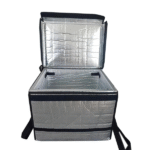
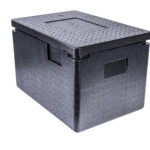
Uso aislado, contenedores ventilados: Un refrigerador de espuma o una caja aislada al vacío ralentiza la sublimación y garantiza que el gas pueda escapar de forma segura.
Consulte las regulaciones locales: Algunos estados exigen etiquetar los envíos de hielo seco con el peso y las normas de la ONU. 1845 código. Familiarizarse con las normas locales evita multas y retrasos.
Ejemplo de la vida real: Una pequeña empresa de biotecnología de San Francisco necesitaba enviar muestras de sangre a Los Ángeles. Al elegir un proveedor local de bolsas de hielo seco y utilizar 5 libras por día en un refrigerador de espuma con ventilación, las muestras llegaron a –40 °C dentro 48 horas. El laboratorio informó variaciones de temperatura cero., demostrando la fiabilidad del hielo seco para el transporte regional.
Cómo elegir la bolsa de hielo seco adecuada cerca de usted?
La selección de la bolsa de hielo seco adecuada depende de la duración del envío, Sensibilidad del producto y aislamiento del contenedor.. Para envíos cortos (bajo 24 horas), 1–3 libras por paquete pueden ser suficientes; para productos farmacéuticos y largas distancias, 5–10 libras por 24 Se recomiendan horas. Considere siempre el tamaño y peso de su envío: Las cargas útiles más grandes necesitan más hielo para compensar la infiltración de calor.. El monitoreo de temperatura con sensores IoT puede ayudar a ajustar la cantidad durante el transporte.
Explicación expandida: Pregúntate: ¿A qué distancia estás enviando?? ¿Qué rango de temperatura requiere su producto?? Si envía una muestra médica delicada al otro lado de la ciudad, un paquete pequeño podría ser suficiente. Pero si transporta una caja grande de mariscos por todo el país, Es posible que necesites varios paquetes y un contenedor aislado resistente.. Los sensores inteligentes modernos proporcionan datos de temperatura en tiempo real, avisándole si el interior se calienta prematuramente. Las bolsas de hielo seco de origen local reducen el tiempo de tránsito antes del embalaje, preservando más potencia de enfriamiento para su envío.
Factores a considerar al comprar bolsas de hielo seco
Sensibilidad a la temperatura: Los productos farmacéuticos suelen exigir –20 °C o menos.. El hielo seco es ideal para estas temperaturas ultrabajas, mientras que los paquetes de gel son adecuados para cocinas refrigeradas de 2 a 8 °C.
Duración del envío: Los viajes más largos necesitan más hielo seco. Por regla general, asignar 1–2 libras por 24 horas para mariscos y de 5 a 10 libras por 24 horas para productos farmacéuticos.
Aislamiento de contenedores: Paneles aislados al vacío o espuma de alta calidad que reducen el consumo de hielo seco. Sin aislamiento adecuado, El hielo seco se sublima más rápido., aumentando los costos.
Regulaciones locales y aerolíneas.: Los envíos aéreos a menudo limitan el hielo seco a 200 kg por paquete, y los paquetes deben ventilarse con etiquetas de peligro visibles.
Confiabilidad del proveedor: Elija un proveedor conocido por su pureza y tamaños de envase consistentes. Los proveedores locales entregan más rápido, dándote más fresco, hielo seco más potente.
| Consideración | Enfoque recomendado | Beneficio |
| Duración | Utilice fórmulas como 2 libras por 24 h para comida o 5 a 10 libras por 24 h para productos ultrafríos | Previene el subenfriamiento y el deterioro del producto.. |
| Calidad del aislamiento | Seleccione cajas aisladas con tapas ventiladas | Ralentiza la sublimación y permite la liberación segura de gas.. |
| Cumplimiento | Etiqueta con “UN 1845” y Clase 9 Etiquetas de riesgo | Cumple con los requisitos reglamentarios y evita retrasos en el envío. |
| Escucha | Integre sensores de temperatura de IoT | Las alertas en tiempo real ayudan a ajustar el hielo seco o redirigir los envíos. |
Consejos prácticos y recomendaciones.
Ordene localmente para obtener frescura: El hielo seco se sublima con el tiempo; Los proveedores locales minimizan el tiempo de tránsito., garantizando la máxima potencia de refrigeración en el momento de la entrega.
Acondicione previamente su refrigerador: Enfríe su hielera antes de empacar; esto preserva una mayor capacidad de enfriamiento del hielo seco.
Capa adecuada: Coloque hielo seco en la parte inferior y productos arriba., separados por cartón o espuma para evitar daños por congelación.
Mantenga los orificios de ventilación sin obstrucciones: Nunca coloque cinta adhesiva sobre los orificios de ventilación.; La acumulación de gas puede romper el contenedor..
Ejemplo de la vida real: Una empresa de kits de comida de Seattle se asoció con un proveedor de hielo seco cercano. Calculando los envíos en 2 libras por 24 horas y uso revestimientos aislados, redujeron las tasas de deterioro en 40%. Agregar sensores de IoT les permitió ajustar las rutas cuando se producían fluctuaciones de temperatura, ahorrando miles de dólares en costos de reembolso.
Manejo y envío seguros: Mejores prácticas para bolsas de hielo seco
El manejo adecuado del hielo seco protege a su equipo y su envío. Utilice siempre guantes aislantes y gafas de seguridad cuando manipule hielo seco.. Evite el contacto directo con la piel y use pinzas o toallas al transferir hielo seco a contenedores.. Al transportar, asegurar la ventilación: el dióxido de carbono puede acumularse y desplazar el oxígeno., presentando un riesgo de asfixia.
Explicación expandida: El hielo seco está clasificado según la ONU. 1845, una clase 9 Material Peligroso. No es inflamable pero libera gases que pueden presurizar los recipientes sellados y provocar asfixia.. Por eso es necesario ventilar los envases.: Las cajas de poliestireno o contenedores de polietileno con orificios de ventilación evitan una acumulación peligrosa de presión.. Etiquetar el paquete con “ONU 1845 Hielo seco” y el peso del hielo seco es obligatorio para envíos aéreos y terrestres.. Es posible que se necesite documentación especial según el método de envío., y límites de peso (Por ejemplo, 200 kg por bulto en avión) debe ser respetado.
Equipo de protección personal y consejos de manipulación.
Utilice guantes y gafas aislantes.: El contacto directo puede provocar congelación.. Los guantes aislados y la protección para los ojos lo protegen de quemaduras y fragmentos voladores..
Evite los contenedores herméticos: Nunca guardes hielo seco en cajas herméticas.; La acumulación de gas puede causar una explosión..
Asegurar la ventilación: Guarde el hielo seco en áreas bien ventiladas para evitar la acumulación de CO₂.. Evite colocar hielo seco en pequeños, espacios cerrados y considere monitores de dióxido de carbono.
Desechar adecuadamente: Deje que el hielo seco se sublime en un espacio ventilado.. No lo arrojes a los desagües ni a los inodoros..
Y 1845 requisitos de embalaje y etiquetado
Contenedores ventilados: El embalaje debe permitir la salida del gas.; espuma de poliestireno o polietileno son opciones comunes.
Etiquetas de peligro: Adjuntar la ONU 1845 identificador y clase 9 etiqueta de peligro, e incluir el peso neto del hielo seco en el paquete.
Documentación: Elaborar la declaración de mercancías peligrosas necesaria para envíos aéreos.; Los envíos terrestres pueden tener menos requisitos de papeleo..
Herramientas útiles para tomar decisiones
Comprueba los detalles antes de elegir el embalaje.
Estas herramientas rápidas pueden ayudarle a comparar el riesgo de la ruta, necesidades de dimensionamiento, opciones de refrigerante, y detalles del embalaje antes de solicitar una cotización.
refrigerante & Referencia PCM
Compare las opciones de refrigerante y PCM cuando una ruta necesite soporte de temperatura adicional.
Comparar opcionesComprobador de riesgos de ruta
Revise las condiciones del carril antes de seleccionar el embalaje para requisitos operativos reales..
Comprobar riesgo de rutaReferencia del material aislante
Compare opciones de materiales aislantes para diferentes necesidades de embalaje de la cadena de frío.
Comparar materialesLímites de peso: Los aviones de pasajeros suelen limitar el hielo seco a 200 kg por paquete. USPS sólo permite 2.5 kg para correo aéreo..
Proteger el producto: Separe los productos del hielo seco utilizando cartón o espuma para evitar daños por congelación y humedad..
| Aspecto del embalaje | Requisito | Por que importa |
| Ventilación | Los contenedores deben estar ventilados. | Previene la acumulación de presión y roturas.. |
| Etiquetado | "Y 1845 Etiqueta de hielo seco, Clase 9 símbolo de peligro, y peso | Garantiza que los transportistas conozcan el contenido y las medidas de seguridad.. |
| Documentación | Declaración de mercancías peligrosas para envíos aéreos | Cumple con las regulaciones IATA y DOT. |
| Límite de peso | 200 kg para carga aérea, 2.5 kg para USPS | Ayuda a los transportistas a gestionar la ventilación y la seguridad de la cabina.. |
Consejos prácticos y recomendaciones.
Entrena a tu equipo: Proporcionar capacitación periódica en seguridad sobre el manejo de hielo seco y preparación para emergencias., incluyendo signos de exposición al dióxido de carbono (mareo, dificultad para respirar).
Inspeccionar el embalaje: Compruebe si hay grietas o tapas sueltas antes del envío.; reemplazar cualquier contenedor comprometido.
Temperatura de monitor: Utilice sensores de IoT para rastrear la temperatura y la humedad; Las alertas pueden indicar si el hielo seco se está sublimando demasiado rápido..
Tener un plan de emergencia: Sepa cómo responder si un contenedor tiene una fuga o si una persona experimenta exposición al dióxido de carbono.. Trasládese a un área ventilada y busque atención médica si aparecen síntomas..
Ejemplo de la vida real: Un distribuidor farmacéutico en Chicago implementó la ONU 1845 capacitar y equipar a los trabajadores con guantes aislantes y monitores de CO₂. en un incidente, un trabajador notó un rápido aumento de temperatura en un muelle de carga cerrado; el monitor señaló niveles altos de CO₂, provocando la evacuación inmediata. La rápida respuesta evitó lesiones y demostró la importancia del seguimiento y el entrenamiento..
Tendencias e innovaciones en 2025: Embalaje inteligente, Sostenibilidad y crecimiento del mercado
La logística de la cadena de frío está en auge y evoluciona rápidamente. The global cadena de frío logistics market, valorado en 436,30 mil millones de dólares en 2025, se prevé que supere USD 1.359,78 mil millones por 2034. La innovación tecnológica está impulsando este crecimiento., El hielo seco se lleva la mayor cuota de mercado. (55.16% del segmento tecnológico en 2024). La sostenibilidad y la transformación digital también están remodelando la industria: Los envases inteligentes con sensores IoT y materiales ecológicos ya no son opcionales, sino esperados..
Descripción general de la tendencia
El panorama de las “bolsas de hielo seco cerca de mí” está determinado por varias tendencias:
Monitoreo inteligente de IoT: La integración de sensores en paquetes y contenedores de hielo seco permite el seguimiento en tiempo real de la temperatura y la humedad., enviar alertas cuando las condiciones cambian. Esto reduce el deterioro y garantiza el cumplimiento..
Embalaje sostenible: Las empresas están adoptando materiales biodegradables y reutilizables para reducir los residuos y la huella de carbono.. nórdico Soluciones de embalaje para cadena de frío, Por ejemplo, introdujo paquetes de gel aptos para el drenaje que se pueden reutilizar o desechar de forma segura.
Automatización e IA: La IA está automatizando la optimización de rutas, compliance monitoring and anomaly detection in cadena de frío logistics. Las líneas de envasado automatizadas garantizan una colocación uniforme del hielo seco y minimizan el error humano.
Expansión del mercado: Se prevé que Asia Pacífico crecerá a 14.76% CAGR entre 2025 y 2034, driven by investments in cadena de frío infrastructure and growing demand for frozen foods. Europa lidera el embalaje de cadena de frío mercado de refrigerantes con un 31.85% compartir.
Ajuste regulatorio: Leyes de seguridad alimentaria y ONU 1845 Las actualizaciones enfatizan el etiquetado preciso y el embalaje seguro.. Esto promueve la adopción generalizada de mejores prácticas y fomenta la confianza entre consumidores y reguladores..
Últimos desarrollos de un vistazo
Paquetes de hielo seco habilitados para IoT: Muchos proveedores ahora incorporan sensores que miden la temperatura., humedad y ubicación, Permitir a las empresas monitorear las condiciones en tiempo real y ajustar las rutas..
Refrigerantes ecológicos: The cadena de frío packaging refrigerants market is projected to grow from Dólar estadounidense 1.69 mil millones en 2025 a USD 2.92 mil millones por 2032, con innovaciones centradas en paquetes de gel biodegradables y aptos para drenaje.
Optimización de rutas de IA: Los proveedores de Coldchain están utilizando IA para analizar los patrones de tráfico y el clima para optimizar las rutas de entrega., Reducir el consumo de combustible y mantener temperaturas estables..
Inversión Regional: AsiaPacific’s cadena de frío logistics market is expected to reach Dólar estadounidense 663.62 mil millones por 2034 debido a la inversión gubernamental y la creciente clase media que demanda alimentos congelados.
Ideas del mercado
Global cadena de frío logistics growth is fueled by rising demand for pharmaceuticals and frozen foods. hielo seco, capturando más de la mitad del segmento tecnológico, sigue siendo esencial para envíos ultrafríos. Mientras tanto, Los paquetes de gel y los materiales de cambio de fase se adaptan a los productos refrigerados. (2–8 ° C). de Europa 31.85% share of the cadena de frío refrigerants market underscores the region’s advanced infrastructure and strong food exports. Sin embargo, Los altos costos y las preocupaciones ambientales son obstáculos., Impulsando la innovación hacia envases reutilizables y refrigerantes ecológicos.. Dado que se prevé que la población mundial alcance 9.7 mil millones por 2050, reliable cadena de frío solutions will become even more critical.
Preguntas frecuentes
¿Dónde puedo comprar bolsas de hielo seco cerca de mí?? Consulte las tiendas de comestibles locales, welding supply companies or specialized cadena de frío suppliers. Muchos vendedores locales entregan hielo seco el mismo día., asegurando la máxima frescura y poder refrescante.
¿Cuánto duran las bolsas de hielo seco en una hielera?? Un paquete de 5 libras suele durar entre 24 y 48 horas en un recipiente bien aislado.. Factores como la temperatura ambiente y la calidad del aislamiento pueden acortar o ampliar este plazo..
¿Las bolsas de hielo seco son seguras para los artículos refrigerados? (2–8 ° C)? El hielo seco mantiene temperaturas bajo cero y congelará artículos.. Para productos refrigerados como vacunas que requieren entre 2 y 8 °C, use paquetes de gel o materiales de cambio de fase en su lugar.
¿Qué equipo de seguridad se requiere para manipular hielo seco?? Utilice siempre guantes aislantes y gafas de seguridad.. Evite el contacto directo y manipule el hielo seco con pinzas o toallas..
¿Por qué debe paquetes de hielo seco ser ventilado? El hielo seco se sublima en gas dióxido de carbono que puede aumentar la presión y hacer que los contenedores exploten.. La ventilación y el etiquetado adecuado evitan la acumulación peligrosa de presión..
¿Cómo debo desechar el hielo seco no utilizado?? Deje que se sublime en un área ventilada a temperatura ambiente.. Nunca deseche el hielo seco en lavabos o inodoros., ya que el gas puede dañar las tuberías.
¿Las aerolíneas restringen los envíos de hielo seco?? Sí. Los aviones de pasajeros suelen limitar el hielo seco a 200 kg por paquete, y permisos de USPS únicamente 2.5 kg por paquete. Consulte las pautas postales y de la aerolínea antes de realizar el envío..
Se puede reutilizar el hielo seco? Una vez que el hielo seco se sublima, no se puede volver a congelar. Sin embargo, Los contenedores aislantes reutilizables y los paquetes de gel ofrecen alternativas ecológicas.. Las nuevas innovaciones incluyen paquetes de gel que no dañan el drenaje y que se pueden reutilizar o desechar de manera responsable..
Resumen y recomendaciones
En 2025, cerca de mí bolsas de hielo seco siguen siendo indispensables para el envío ultrafrío. El hielo seco se sublima a –78,5°C, proporcionando refrigeración duradera sin daños por agua. Elegir el paquete correcto requiere que la sensibilidad del producto y la duración del envío coincidan, con recomendaciones típicas que van desde 1–2 libras por 24 horas para la comida a 5–10 libras por 24 horas para productos farmacéuticos. Manipulación adecuada: uso de guantes aislantes, Ventilación de contenedores y paquetes de etiquetado con ONU 1845: garantiza la seguridad y el cumplimiento.. Emerging trends like smart sensors and ecofriendly packaging illustrate how technology and sustainability are reshaping the cadena de frío market. With the global cadena de frío logistics market expected to reach USD 1.359,78 mil millones por 2034, Dominar estas prácticas hoy te prepara para el crecimiento del mañana..
Consejo procesable
Evalúa tus necesidades: Determine si su envío requiere temperaturas ultrafrías o refrigeradas y elija paquetes de hielo seco o gel en consecuencia.
Fuente local: Póngase en contacto con proveedores cercanos para obtener hielo seco fresco, y pregunte sobre diferentes tamaños de paquetes y opciones de entrega.
Invierta en monitoreo inteligente: Utilice sensores de IoT para rastrear la temperatura y la humedad, asegurando que pueda ajustar rutas o cantidades de hielo seco en tiempo real.
Adoptar soluciones sostenibles: Explore contenedores reutilizables y refrigerantes ecológicos; estas opciones reducen el desperdicio y cumplen con las expectativas regulatorias.
Mantente informado: Seguir ONU 1845 actualizaciones y regulaciones locales para garantizar el cumplimiento al enviar hielo seco.
Acerca de Tempk
Tempk es líder en soluciones de cadena de frío, proporcionar bolsas de hielo seco, paquetes de gel, contenedores aislados y tecnologías de embalaje inteligentes. Nuestros productos están diseñados para garantizar un control óptimo de la temperatura., Cumplimiento normativo y sostenibilidad para productos farmacéuticos., industrias alimentarias y biotecnológicas. Con investigación y desarrollo centrados en materiales ecológicos y la integración de IoT, Le ayudamos a entregar sus productos sensibles a la temperatura de forma segura y eficiente..
Necesita asesoramiento de expertos? Consult with our team to design a tailored cadena de frío strategy, desde elegir las bolsas de hielo seco adecuadas hasta implementar soluciones de monitoreo inteligentes. Contáctenos hoy para mantener sus productos seguros, conforme y a tiempo.