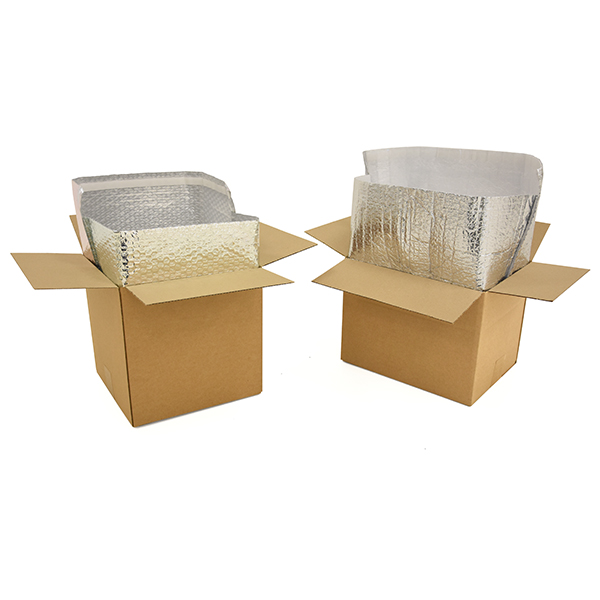
Revestimiento de burbujas de aluminio para ensayos clínicos: Cómo deben especificarlo los compradores
Se debe seleccionar un revestimiento de burbujas de aluminio para ensayos clínicos como componente del embalaje con límites definidos., no como una promesa impresa en la página de un producto. En la logística de ensayos clínicos, el comprador necesita saber dónde ayuda el revestimiento, donde no es suficiente, y qué debe documentar el proveedor antes de realizar pedidos al por mayor. El objetivo es un revestimiento que se ajuste tanto a la operación como a la caja..
Transatlántico, refrigerante, caja de cartón, y la ruta deben tratarse juntas
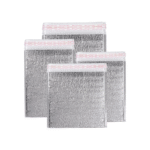
Un revestimiento de burbujas de aluminio es una capa de aislamiento pasivo.. Puede retardar la ganancia o pérdida de calor., Refleja el calor radiante de la pared del cartón., agregue una pequeña cantidad de amortiguación, y ayuda a crear una superficie interior más limpia del paquete.. no es un refrigerador, no es un dispositivo activo de control de temperatura, y no elimina la necesidad del refrigerante adecuado. Para la logística de ensayos clínicos, Este límite es especialmente importante porque el envío puede pasar por varios puntos de entrega antes de que el receptor abra la caja..
Piense en el revestimiento como una parte de una pequeña pila térmica.. El cartón corrugado exterior proporciona forma y resistencia al manejo.. El forro añade una capa reflectante y de espacio aéreo.. paquetes de gel, ladrillos de hielo, Paquetes de PCM, o hielo seco proporcionan energía fría cuando sea necesario. El embalaje del producto controla las fugas., higiene, y contacto directo. La ruta añade entonces el verdadero estrés.: disputas sobre excursiones de temperatura, documentación de carril incompleta, variabilidad en el manejo del sitio, retrasos en el envío de pacientes, errores de colocación del registrador de datos, y suponiendo que un trazador de líneas es un remitente calificado. Si alguna de estas partes es débil, Se puede culpar al revestimiento incluso cuando el problema en realidad fue el tamaño de la caja., masa refrigerante, o mal manejo.
Por eso la primera pregunta del comprador debería ser sobre la carga útil y la ruta., no solo el grosor del revestimiento. Un envío que contiene medicamentos en investigación., kits de laboratorio, muestras de diagnóstico, suministros auxiliares, y los materiales de prueba que pueden ser sensibles a la temperatura necesitan una revisión de riesgos diferente a la de un paquete ambiental genérico. Debe definir la condición requerida del producto en el momento de la entrega., el tiempo de manipulación esperado, el proceso de recepción, y los criterios de rechazo antes de comparar muestras de revestimiento. Una especificación clara agiliza las conversaciones con los proveedores y reduce la posibilidad de que se apruebe una opción de bajo costo por el motivo equivocado..
Mapear la ruta antes de decidir que el transatlántico es suficiente.
El mapeo de rutas es un ejercicio simple que muchos equipos se saltan. Anote dónde se colocará la caja empaquetada antes de recogerla., como se carga, si ingresa a un centro de paquetería, ¿Cuánto tiempo puede esperar en un vehículo?, si un pasajero o mensajero abre una bolsa de entrega más grande, y cómo el receptor inspecciona el paquete. Para la logística de ensayos clínicos, Este mapa de ruta revela a menudo un riesgo que las especificaciones del buque por sí solas no pueden resolver..
Una vez que el mapa esté visible, relacionar cada riesgo con un control. Disputas sobre excursiones de temperatura, documentación de carril incompleta, variabilidad en el manejo del sitio, retrasos en el envío de pacientes, errores de colocación del registrador de datos, y suponiendo que un transatlántico sea un transportista calificado puede requerir más refrigerante, una caja diferente, un cierre más fuerte, una etiqueta de advertencia, una ventana de despacho más corta, o un registrador de datos. El revestimiento de burbujas de aluminio puede respaldar estos controles al reducir la transferencia de calor y mejorar la superficie interna del paquete., pero no puede compensar todas las brechas operativas.
El mapa de ruta también ayuda con la agrupación de SKU. Productos como medicamentos en investigación., kits de laboratorio, muestras de diagnóstico, suministros auxiliares, y los materiales de prueba que pueden ser sensibles a la temperatura pueden no compartir la misma sensibilidad o tolerancia de manipulación. Si se utiliza un solo paquete para todos los SKU, el elemento de mayor riesgo debe impulsar la prueba. Si la extensión de SKU es demasiado amplia, Puede ser mejor definir dos paquetes en lugar de forzar un diseño de revestimiento para cubrir todo..
Estructura de materiales: Lo que los compradores deberían traducir en operaciones.
Un revestimiento de burbujas de aluminio combina una superficie reflectante con amortiguación de burbujas.. La capa de aluminio ayuda a reducir la transferencia de calor radiante., mientras que los espacios de aire atrapados en la capa de burbujas ralentizan la conducción a través del revestimiento. Para la logística de ensayos clínicos, Esto es útil cuando el paquete enfrenta períodos cortos de exposición al calor., puesta en escena cálida, o entornos de manipulación mixtos. El diseño también depende del cierre correcto y de medios suficientemente fríos..
Un error común es evaluar sólo el brillo y el espesor.. La verdadera pregunta es si el transatlántico envuelve la carga útil sin espacios., si las esquinas están protegidas, si el sello o la trampilla permanecen cerrados, y si la humedad afecta las capas. En programas basados en cartón, El material más elegante puede tener un rendimiento inferior si el patrón deja esquinas abiertas o si el personal apresura el proceso de inserción..
Para cada estructura material, Pregunte qué permanecerá igual entre la muestra y la producción.. Cambios en el cine, altura de la burbuja, densidad de la espuma, adhesivo, revestimiento, laminación, sellado de bordes, o el patrón de plegado puede cambiar la forma en que se comporta el revestimiento. En la logística de ensayos clínicos, un pequeño cambio puede no ser visible para el empacador, pero puede aparecer más tarde como condensación., producto triturado, recibos más calientes, o quejas de clientes.
Uso consciente del cumplimiento sin reclamar demasiado el revestimiento
La logística de los ensayos clínicos debe tratar el revestimiento como un componente del embalaje., no como evidencia de control de temperatura por sí solo. Productos en investigación, kits de laboratorio, y los materiales de diagnóstico pueden tener instrucciones de almacenamiento específicas del producto.. Muchos envíos de productos sanitarios refrigerados se planifican en torno a cocinas refrigeradas conocidas., pero el requisito correcto debe provenir del protocolo., etiqueta, datos de estabilidad, o acuerdo de calidad. Un revestimiento puede ayudar a reducir la exposición., pero el paquete, refrigerante, maderero, y la documentación soportan la mayor carga.
Para envíos aéreos o programas transfronterizos, Es posible que los equipos deban considerar las prácticas de carga sensibles a la temperatura de la IATA., Distribución consciente del PIB, manejo aduanero, y recibir instrucciones a nivel de sitio. El artículo evita afirmaciones de cumplimiento universal porque los requisitos de suministro clínico varían según el producto., ruta, mercado, y procedimientos de patrocinador. Los compradores deben verificar el protocolo de embalaje., colocación del registrador, proceso de revisión de excursión, y qué documentación debe conservar el sitio o depósito.
Una regla interna útil es simple: cuanto más sensible sea la carga útil y más incierta la ruta, cuanta más documentación necesites. Referencias de almacenamiento de vacunas de los CDC, Orientación sobre el PIB de la UE, AQUÍ ESTÁ TCR, Estándares térmicos ISTA, Tempk embalaje de cadena de frío El alcance puede guiar la conversación., Pero los compradores aún deben preguntar su propia calidad., regulador, o equipo de seguridad alimentaria antes de aprobar un paquete de producción. El revestimiento no debe utilizarse para productos de investigación regulados sin embalaje calificado., Envíos con rangos de refrigeración definidos pero sin plan de refrigerante., y cualquier ruta donde se requiera control activo o PCM validado a menos que todo el sistema de envío haya sido revisado para detectar ese riesgo..
Una práctica tabla de verificación para compradores
Utilice esta tabla antes de la aprobación de la muestra. Mantiene la discusión centrada en los requisitos de envío en lugar del lenguaje del folleto..
| Área de especificación | Pregunta de decisión | Respuesta del proveedor que ayuda |
|---|---|---|
| Requisito de temperatura | ¿Qué condición debe mantener el producto al recibirlo?? | Una solicitud para definir el rango., duración, y criterios de aceptación antes de cotizar. |
| Geometría del cartón | ¿Se cerrará el revestimiento sin espacios en las esquinas ni pérdida de espacio de carga útil?? | un dibujo, dieline, o muestra terminada que coincida con la caja. |
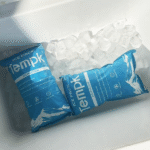
| Plan de medios fríos | ¿Dónde estarán los paquetes de gel?, PCM, ladrillos de hielo, o hielo seco? | Un esquema del embalaje y una advertencia sobre los riesgos de contacto directo, si procede.. |
| Prueba de evidencia | ¿El rendimiento se basa en su ruta o en un reclamo genérico?? | Perfil de prueba, carga útil, condiciones ambientales, y criterios de pasa/falla. |
| control de producción | ¿Se puede repetir a escala la muestra aprobada?? | Especificación de materiales, método de inspección, y cambiar notificación. |
El objetivo de la tabla es hacer visibles los supuestos.. Una vez escritos los supuestos, El comprador puede decidir qué necesita una hoja de datos del proveedor., ¿Qué necesita un envío de prueba?, y qué necesita la aprobación del equipo de calidad. Esa disciplina es especialmente útil cuando la presión de los precios empuja a los equipos a optar por un transatlántico más ligero o más barato antes de que se comprenda el riesgo de la ruta..
Preguntas de proveedores que realmente cambian el resultado
Una fuerte conversación con proveedores para el revestimiento de burbujas de aluminio es específica. En lugar de preguntar si el revestimiento es bueno para la logística de ensayos clínicos, pregunte qué tamaños de cajas se admiten, ¿Qué capas de material se utilizan?, ¿Qué tolerancias se controlan?, cómo se sellan los bordes, Cómo se empaquetan los revestimientos para su envío, y que pasa si se cambia el material aprobado. Esto convierte la discusión del lenguaje de ventas al control de producción..
Para pedidos al por mayor, rango de almacenamiento de productos, política de excursiones, calibración del registrador, instrucciones del sitio, dibujos de embalaje, calificación estacional, y el control de cambios debe ser visible antes de finalizar la orden de compra.. Si necesita impresión personalizada, Pregunte si los cambios de tinta o laminación afectan el tiempo de entrega., Reciclabalidad, revisión de contacto con alimentos, o disponibilidad de material. Si necesitas varios tamaños, Pregunte si cada tamaño utilizará un dibujo y una muestra separados.. Si estas importando, preguntar cómo etiquetas, cajas de cartón, empaquetadura de compresión, y la paletización afectan la recepción en su almacén.
Herramientas útiles para tomar decisiones
Comprueba los detalles antes de elegir el embalaje.
Estas herramientas rápidas pueden ayudarle a comparar el riesgo de la ruta, necesidades de dimensionamiento, opciones de refrigerante, y detalles del embalaje antes de solicitar una cotización.
Selector de embalaje
Compare las opciones de embalaje aislado por producto, ruta, y necesidad de temperatura.
encontrar embalajeComprobador de riesgos de ruta
Revise las condiciones del carril antes de seleccionar el embalaje para requisitos operativos reales..
Comprobar riesgo de rutarefrigerante & Referencia PCM
Compare las opciones de refrigerante y PCM cuando una ruta necesite soporte de temperatura adicional.
Comparar opcionesEl proveedor también debe sentirse cómodo hablando de límites.. Un proveedor que afirma que cada transatlántico se adapta a todas las rutas crea riesgos para ambas partes. Las mejores respuestas suenan más condicionales: Este revestimiento puede adaptarse a rutas cortas con el refrigerante adecuado.; Este diseño necesita una prueba para carriles más largos.; este producto requiere una estructura de aislamiento diferente; este reclamo necesita documentación. Las respuestas condicionales suelen ser más confiables que las afirmaciones seguras sin contexto..
Recibir cheques convierte el embalaje en evidencia
La inspección de recepción debe diseñarse antes de que el primer envío de producción salga del almacén.. Para la logística de ensayos clínicos, El receptor puede comprobar el estado del producto., daños en la caja, estado de la bolsa de hielo, fuga visible, posición del revestimiento, integridad del sello, o registros de temperatura si se utiliza el monitoreo. Sin estándar de recepción, Las afirmaciones se vuelven subjetivas y difíciles de investigar..
El revestimiento de burbujas de aluminio puede brindar una experiencia de recepción más limpia cuando tiene el tamaño adecuado y se usa de manera constante.. Un forro que cambia, lágrimas, atrapa líquido en el lugar equivocado, o dificulta la apertura de la caja puede generar quejas incluso cuando el producto en sí es aceptable. Los compradores deben considerar a la persona que abre el paquete., no solo la persona que lo empaca.
Si ocurren quejas, revise la cadena completa antes de culpar a un componente. Compruebe si el producto fue preacondicionado correctamente., si el medio frío se congeló o acondicionó según lo planeado, si el revestimiento coincidía con la caja, si la ruta cambió, si la caja se retrasó, y si el receptor siguió las instrucciones. Este enfoque de causa raíz evita cambios materiales repetidos que nunca resuelven el problema real..
Ejemplo práctico: convertir una muestra en un paquete utilizable
Imagine que un equipo de suministros clínicos necesita trasladar kits de prueba desde un depósito a varios sitios durante un período de clima incierto.. El equipo está considerando un revestimiento de burbujas de aluminio porque cabe dentro de una caja de cartón existente y se almacena plano en el depósito.. Antes de la aprobación, el equipo mapea las instrucciones del sitio, confirma el rango de almacenamiento del producto a partir de la documentación de prueba, elige el plan de refrigerante, coloca un registrador donde pueda reflejar las condiciones de carga útil, y define lo que debe hacer el receptor si el registrador muestra una excursión.
en ese escenario, el revestimiento puede ayudar a reducir el estrés térmico, pero la decisión es realmente sobre el paquete documentado.. Si la ruta cambia, la carga útil cambia, o el requisito de almacenamiento se vuelve más estricto, el diseño del revestimiento debe revisarse nuevamente en lugar de transferirse automáticamente.
Para la logística de ensayos clínicos, el resultado útil no es un aprobado o reprobado genérico. Es un método de embalaje escrito que el almacén puede repetir.. El método debe incluir cómo se inserta el revestimiento., donde se encuentra la carga útil, cómo se organizan los medios fríos, cómo se cierra la caja, y qué debe inspeccionar el receptor. Una vez definido el proceso, el comprador puede comparar las opciones de proveedores en función de la consistencia y no sólo de la apariencia de la superficie.
Preguntas frecuentes
¿Es un revestimiento de burbujas de aluminio suficiente por sí solo para la logística de ensayos clínicos??
No. Un revestimiento de burbujas de aluminio es un componente de aislamiento pasivo.. Puede retardar la transferencia de calor y mejorar el embalaje en cartón, pero aún necesita la caja adecuada, disposición de carga útil, medios frios, proceso de manipulación, y recibir cheques. Para rutas de mayor riesgo, Los compradores deben probar el paquete completo en lugar de confiar en la apariencia del revestimiento..
¿Qué debo confirmar antes de pedir muestras??
Confirmar las dimensiones del cartón, tipo de carga útil, condición requerida del producto, duración de la ruta, plan de medios frios, riesgo de humedad o fugas, y necesidades de documentación. Solicite al proveedor una muestra terminada que coincida con el material de producción y el método de sellado previstos.. Para la logística de ensayos clínicos, Es mejor probar un embalaje realista que un revestimiento limpio y vacío..
¿Cuándo debería considerar un sistema más pesado en lugar de un revestimiento??
Considere un transportista con aislamiento más resistente, caja rígida, paquete calificado, o control activo cuando el recorrido es largo, la exposición ambiental es incierta, el producto está regulado, o el envío involucra productos en investigación regulados sin embalaje calificado, Envíos con rangos de refrigeración definidos pero sin plan de refrigerante., y cualquier ruta donde se requiera control activo o PCM validado. Un delineador puede ser útil, pero no debería extenderse más allá de su función probada.
¿Cómo comparo proveedores de manera justa??
Dar a cada proveedor el mismo perfil de envío, tamaño del cartón, supuestos de carga útil, plan de medios frios, y solicitud de documentación. Compare no solo el precio unitario sino también las dimensiones terminadas, consistencia de la muestra, control de materiales, método de embalaje, Capacidad para soportar trabajos personalizados., y voluntad de establecer límites de productos.
Conclusión: especificar el revestimiento como un componente controlado
Un revestimiento de burbujas de aluminio puede ser una opción útil para la logística de ensayos clínicos, pero debe seleccionarse como parte de un paquete completo de cadena de frío.. El comprador debe definir los requisitos del producto., riesgo de ruta, geometría del cartón, plan de refrigerante, y recibir evidencia antes de aprobar muestras.
Las comprobaciones prácticas más importantes son la amortiguación térmica., diseño de embalaje calificado, documentación, uso del registrador de datos, instrucciones del sitio, y evidencia al recibir. Si esos controles se manejan temprano, El revestimiento puede contribuir a un proceso de embalaje más limpio., mejor control del almacén, y menos disputas al recibir. Si son ignorados, Incluso un buen revestimiento puede usarse en el carril equivocado o ensamblarse de manera incorrecta..
El enfoque de adquisición más seguro es hacer preguntas condicionales y exigir respuestas claras.. lo que esta probado? Que depende de tu ruta? ¿Qué se debe probar?? ¿Qué cambios requieren aprobación?? Esas preguntas mantienen honesto el paquete final.
Acerca de Tempk
Tempk ofrece opciones de envasado de cadena de frío para alimentos, farmacéutico, y otros envíos sensibles a la temperatura. Su gama de productos publicada incluye revestimientos de cajas aisladas, bolsas térmicas, bolsas de hielo en gel, PPE y cajas de envío frías, cubiertas de paletas aisladas, y materiales de embalaje relacionados con la cadena de frío. Para proyectos de revestimiento, Tempk puede ayudar a los compradores a comparar diseños de revestimientos de cartón con medios refrigerantes, requisitos de carga útil, y riesgo de ruta antes de pasar de muestras a adquisiciones al por mayor. Para la logística de ensayos clínicos, La función práctica es ayudar a alinear el diseño del revestimiento con el ajuste del cartón., medios frios, y los límites operativos del comprador en lugar de tratar el transatlántico como una solución universal.
Para un revestimiento de burbujas de aluminio para un proyecto de ensayos clínicos, envíale a Tempk tu ruta, caja de cartón, carga útil, y condición requerida del producto para recibir una recomendación más enfocada.
Recuento de palabras del cuerpo: 2391 palabras